Teil 2
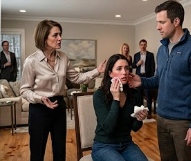
Die nächsten zwanzig Minuten existieren in meinem Gedächtnis nur in Fragmenten. Brennen. Schreien. entsetzte Laute. Eine unbekannte Frau reichte mir eine Handvoll Cocktailservietten. Das nasse Gewicht der Bluse auf der Haut. Die Stimme meiner Mutter, die versuchte, den sozialen Ton zurückzugewinnen: „Es war ein Unfall. Ich wollte das nicht.“ Während sechzig Menschen zusahen, wie sie die Optik eines Angriffs auf ihre Tochter zu managen versuchte.
Ich saß auf einem Stuhl, den jemand für mich herangeschoben hatte, und drückte Servietten gegen mein Gesicht. Madison war in der Nähe – fragte nicht, ob es mir gut gehe. Bradley hatte sich genähert und recalculierte etwas. Mein Vater stand wie eingefroren im Türrahmen zwischen Arbeitszimmer und Wohnzimmer – an dem Ort, an dem er die meiste Zeit meiner Kindheit und Jugend verbracht hatte: anwesend genug, um zu sehen, was mit mir geschah, aber nicht anwesend genug, um es zu stoppen.
Die Verbrennung war klinisch gesehen nicht schwer. Keine Blasen, deutliche Rötung. Sie würde in ein paar Tagen verblassen. Sie erforderte kein Krankenhaus. Sie erforderte jedoch Aaron.
Die Haustür öffnete sich um 15:22. Er kam herein, wie er immer in einen Raum kommt: unbeeilt, noch im blauen Patagonia-Fleece, das er an Hospital-Tagen unter dem Mantel trug, leicht windzerzaust, und suchte zuerst mich, bevor er die Tür ganz schloss. Das ist Aaron. Er findet mich immer zuerst.
Er sah mein Gesicht vom anderen Ende des Raumes. Er durchquerte ihn in vier Schritten – nicht rennend, etwas Absichtsvolleres. „Was ist passiert?“ Er nahm mein Gesicht behutsam in die Hände, die Hände von jemandem, der Verletzungen einschätzen kann, ohne weitere zu verursachen. „Bist du verletzt?“ „Mir geht’s gut.“ „Du hast eine Verbrennung an der…“ „Ich weiß. Mir geht’s gut.“
Meine Mutter materialisierte sich an seinem Ellbogen, das soziale Lächeln mit beeindruckender Geschwindigkeit wieder zusammengesetzt. „Aaron, wie schön, dass du da bist. Nur eine kleine Familienmeinungsverschiedenheit. Rebecca war schwierig, und die Dinge sind etwas hitzig geworden.“
Aaron sah meine verbrannte Wange an. Er sah die ruinierte Bluse. Er sah die Kaffeeflecken auf dem Parkett – dunkel, sich ausbreitend, an den Rändern bereits trocknend. Dann sah er meine Mutter an. Seine Stimme wurde sehr leise.
„Du hast deiner Tochter heiße Flüssigkeit ins Gesicht geworfen, weil sie dir kein Geld geben wollte.“
„Es war ein Unfall.“
„Hör auf zu reden.“

Der Raum verstummte auf eine andere Weise als zuvor. Jene Stille war Schock gewesen. Diese war etwas anderes: die Stille von sechzig Menschen, die plötzlich und kollektiv unsicher über die tragenden Annahmen des Nachmittags wurden. Niemand hatte meiner Mutter jemals gesagt, sie solle aufhören zu reden. In 34 Jahren hatte ich das nie erlebt. Nicht von meinem Vater, nicht von ihrer Schwester, nicht von ihrem Pastor. Diane Harlan managte Menschen, indem sie schneller war als deren Widerspruch, indem sie den sozialen Strom so reibungslos fließen ließ, dass ihn zu stoppen unhöflich wirkte.
Aaron hatte ihn gestoppt.
Er wandte sich dem gesamten Raum zu. „Ich habe zwei Jahre lang über diese Familie geschwiegen“, sagte er. „Ich habe zugesehen, wie Rebecca Dinge navigiert hat, die ich auf einer Party nicht beschreiben werde. Ich habe geschwiegen, weil sie mich darum gebeten hat. Sie ist schützender euch gegenüber, als ihr es verdient.“
Er machte eine Pause. „Ich bin fertig damit, still zu sein.“
Meine Mutter lachte nervös. „Aaron, das ist eine private Familienangelegenheit.“
„Du willst über privat reden?“ Seine Stimme erhob sich nicht. Das macht Aaron aus. Die Notaufnahme hat ihm den Impuls abtrainiert, zu eskalieren. Er agiert in Krisen mit einer Beständigkeit, die die meisten Menschen nicht herstellen können. „In den letzten 37 Monaten hat Rebecca eure Hypothek bezahlt. Jeden Monat. Über einen Trust, der speziell so strukturiert war, dass ihr nicht wusstet, dass sie es ist.“
Der Laut, der durch den Raum ging, war kein einfaches Keuchen. Es war komplizierter: sechzig Menschen, die gleichzeitig dieselbe schnelle innere Berechnung anstellten. Ihre Gesichter taten, was Gesichter tun, wenn eine Tatsache landet, die alles um sie herum neu ordnet. Das Gesicht meiner Mutter nahm die Farbe der weißen Tischdecke an.
„Das… das ist unmöglich.“
„Euer Kreditgeber ist die First Midwest Bank“, sagte Aaron. Er las nicht von Notizen ab. Er hatte es auswendig gelernt. Ich begriff, während ich ihm zusah, dass er Zeit damit verbracht hatte, sich auf diesen Moment vorzubereiten – was bedeutete, dass er seit einer Weile gewusst hatte, dass er kommen würde. „Der Trust, der die Zahlungen leistet, heißt Lakeview Family Revocable Trust. Eure Kontonummer endet auf 7741. Die Rückstände betrugen 11.388 Dollar. Die laufende monatliche Rate beträgt 2.147. Euer Haus wäre im Winter 2021 zwangsversteigert worden ohne sie. Sie hat es gerettet. Und heute habt ihr ihr Kaffee ins Gesicht geworfen, weil sie euch nicht noch mehr gegeben hat.“
Mein Vater trat aus dem Türrahmen vor. Er sah mich an. „Rebecca… ist das wahr?“
Ich nickte einmal.
Der Raum brach auf. Meine Tante Patricia, die Schwester meiner Mutter, stieß ihr Sektglas um. Zwei von Bradleys Freunden zogen Handys heraus. Madison stand da, beide Hände flach auf dem Brustbein, als versuche sie, sich von außen zusammenzuhalten.
Aaron war noch nicht fertig. „Und Madison…“ Seine Stimme wurde sanfter. Aaron nimmt diese Kalibrierungen immer vor – er weiß, was unterschiedliche Menschen hören müssen. „Diese Studienkredite, von denen du dachtest, sie seien durch ein Regierungsprogramm erlassen worden – Rebecca hat jeden Dollar bezahlt. 31.400 Dollar. Sie wollte nicht, dass du dich deswegen schämst.“
Madisons Hand flog zum Mund. „Sie hat es dir nicht gesagt, weil sie keinen Kredit dafür wollte. Sie hat sich einfach um dich gekümmert – so, wie sie sich seit einem Jahrzehnt um diese Familie gekümmert hat, ohne gefragt und ohne bedankt zu werden.“
Der Raum war jetzt sehr still. Die besondere Stille von Menschen, die ihr Verständnis von jemandem neu zusammensetzen, von dem sie dachten, sie kennten ihn.
„Außerdem“, sagte Aaron, und seine Stimme änderte sich – nicht lauter, aber klarer, eine Sendefrequenz statt einer gerichteten. „Sie ist nicht nur eine Finanzmanagerin. Sie ist Gründungspartnerin bei Blackwell Capital Partners, einer der führenden Venture-Capital-Firmen im Mittleren Westen. Sie hat sie aus dem Nichts aufgebaut – und währenddessen jeden Monat eure Hypothekenraten geschrieben.“
Das kollektive Aufatmen war diesmal einheitlicher. Jemand hinten sagte deutlich: „Blackwell? Das Blackwell?“
Bradley machte einen Schritt auf mich zu. Seine gesamte Energie hatte sich neu organisiert, wie Wasser um einen neuen Stein. „Ich hatte keine Ahnung, dass du so…“
„Hör auf“, sagte ich.
Er blieb stehen. Er hatte den Anstand, für einen Moment so auszusehen, als verstehe er genau, was er gerade hatte tun wollen und wie es ausgesehen hätte.
Meine Mutter hatte sich nicht bewegt. Sie stand in der Mitte ihres Wohnzimmers, in dem Haus, das sie wegen mir nicht verloren hatte, auf der Verlobungsfeier ihrer jüngeren Tochter, die ich indirekt mit den erlassenen Krediten meiner Schwester mitfinanziert hatte. Ihr Gesicht hatte eine Farbe angenommen, die ich nur als erloschen beschreiben kann – als wäre etwas ausgegangen. Sie griff nach der Lehne des nächsten Stuhls. Ihr Mund öffnete und schloss sich, ohne Laut hervorzubringen.
Dann knickten ihre Knie ein.
Ich will präzise sein, was als Nächstes geschah, denn das ist der Teil, nach dem die Leute immer fragen. Es war kein dramatischer Film-Ohnmacht. Nicht langsam und anmutig und rechtzeitig aufgefangen. Ihre Knie beugten sich, sie ging zur Seite und fiel, und das Geräusch war das spezifische Geräusch eines Menschen, der den Kontakt zum Boden verliert. Jemand schrie, und dann war der Raum auf einmal in Bewegung.
Zwei Personen waren neben ihr auf dem Boden, bevor ich verarbeitet hatte, was geschehen war. Bradleys Mutter – eine pensionierte Krankenschwester – übernahm mit knapper Effizienz die Kontrolle. „Gebt ihr Luft, sie atmet. Hat jemand Notfallerfahrung?“
Aaron war bereits da. Natürlich war er da. Er ist Notarzt, und jemand war gestürzt. Was auch immer er in diesem Moment von meiner Mutter hielt – er ist konstitutionell unfähig, jemandem nicht zu helfen, der Hilfe braucht. Er prüfte den Puls, stellte Fragen, sagte Bradleys Mutter, sie habe das Richtige getan, und sprach ruhig in sein Telefon. Ich hörte ihn die Adresse durchgeben, die Situation beschreiben und „möglicher vasovagaler Synkope, keine kardialen Indikatoren“ sagen – alles innerhalb von etwa 45 Sekunden, nachdem sie den Boden berührt hatte.
Der Krankenwagen kam nach neun Minuten. Meine Mutter erlangte nach etwa drei Minuten das Bewusstsein wieder – typisch für eine stressbedingte Ohnmacht, wie Aaron mir später mit der besonderen Sanftheit erklärte, die er benutzt, wenn er mir medizinische Informationen gibt, von denen er weiß, dass ich sie nicht brauchte. Sie war bei Bewusstsein und verwirrt, als die Sanitäter eintrafen. Sie sah mich nicht an.
Die Gäste ordneten sich auf die unsichere Weise an, wie Gäste es tun, wenn eine Party zu etwas anderem geworden ist. Einige gingen still. Einige versammelten sich in kleinen Gruppen an den Wänden. Madison saß auf der Treppe, Bradley neben ihr, und weinte jetzt wirklich – nicht die Aufführung von früher, sondern die Art, die kommt, wenn etwas Echtes durchgebrochen ist.
Ich stand am Fenster. Aaron kam zu mir, als die Sanitäter die Lage unter Kontrolle hatten. „Bereit zu gehen?“, fragte er leise.
Ich sah meine Mutter auf der Trage an – plötzlich klein, in einer Weise, in der sie mir noch nie vorgekommen war. 61 Jahre alt und klein. Die Perlen noch in den Ohren, die Seidenbluse, die sie für besondere Anlässe aufhob. Ich sah Madison auf der Treppe. Ihre Mascara war verlaufen, das Kleid zerknittert, und sie sah zum ersten Mal in meiner Erinnerung so aus, als wisse sie nicht, wohin mit den Händen. Ich sah das Haus um mich herum – die gemieteten Sektgläser, die Trader-Joe’s-Blumen in den guten Vasen, die Kaffeeflecken auf dem Parkett, die dunkel trockneten.
Ich nahm meine Tasche. „Mehr als bereit.“
Wir gingen zur Tür. Und in diesem Moment packte mein Vater meinen Arm.
Gerald Harlan ist 63 und hat die meiste Zeit, soweit ich beobachten konnte, am Rand seines eigenen Lebens existiert. Er ist kein schlechter Mann. Er ist ein Mann, der sehr früh seinen Frieden mit den Dingen gemacht hat und diesen Frieden aufrechterhielt, indem er nicht zu genau hinsah, ob die Dinge anders sein sollten. Ich habe ihn auf die komplizierte Weise geliebt, wie man jemanden liebt, der einem hätte helfen können und sich stattdessen dafür entschieden hat, bequem zu bleiben.
Seine Hand an meinem Arm war nicht fest. Es war der Griff von jemandem, der Angst hatte, ich würde Nein sagen.
Ich drehte mich um. Sein Gesicht war – ich versuche präzise zu sein – zerbrochen. Nicht bloß aufgebracht oder schuldbewusst. Aufgebrochen, so wie ein Gesicht aussieht, wenn etwas, das sehr lange an Ort und Stelle gehalten wurde, endgültig nachgibt.
„Rebecca“, sagte er, „es gibt noch etwas. Etwas, das deine Mutter nie wollte, dass du erfährst.“
Aaron wurde still neben mir. „Dad“, sagte ich vorsichtig, „was ist es?“
Er sah den Raum an, die noch verstreuten Gäste, Madison auf der Treppe, die Sanitäter bei meiner Mutter – und dann sah er zurück zu mir und traf eine Entscheidung. Ich konnte es geschehen sehen. Ich konnte den Moment sehen, in dem er wählte.
„Die Familie deiner Mutter hatte Geld“, sagte er. „Ihre Eltern, speziell ihre Großmutter – es gab einen Trust.“
Ich wartete.
„Als deine Großmutter 2009 starb – du warst im College –, hat sie den Nachlass geteilt. Die Hälfte an deine Mutter, die Hälfte…“ Er stockte. „Die Hälfte an dich.“
Der Raum war wieder still geworden. Die Gäste, die uns am nächsten standen, taten nicht mehr so, als würden sie nicht zuhören.
„Die Hälfte an mich?“, wiederholte ich.
„Deine Mutter… sie hat dem Nachlassanwalt gesagt, du hättest deinen Anspruch aufgegeben, du hättest einen Verzicht unterschrieben.“ Er konnte mich jetzt nicht mehr ansehen. „Du hast nichts unterschrieben. Sie hat es unterschrieben. Sie hat dem Anwalt gesagt, ihr seid entfremdet, du wolltest es nicht.“ Er presste den Mund zusammen. „Der gesamte Nachlass betrug 340.000 Dollar. Deine Hälfte war 170.000.“
Ich hörte die Zahl irgendwo außerhalb von mir. „Sie hat mein Erbe genommen“, sagte ich.
Er nickte einmal – das Nicken eines Mannes, der das fünfzehn Jahre mit sich herumgetragen und jeden einzelnen Tag die Kosten davon abgewogen hat. „Sie hat es für die Küchenrenovierung benutzt“, sagte er, „und für Madisons Ausbildung und andere Dinge.“ Er sah mich endlich an. „Ich habe es erst zwei Jahre später herausgefunden, als ich die Unterlagen fand. Da war es schon weg.“ Eine Pause. „Ich hätte es dir sagen sollen. Ich hätte etwas tun sollen. Ich habe fünfzehn Jahre…“ Er brach ab. Seine Augen waren feucht.
Ich sah ihn lange an. Ich dachte an 170.000 Dollar, an die Bibliotheksschichten und die Steakhouse-Wochenenden und den Booth-MBA, den ich vor vier Jahren abbezahlt hatte, an 37 Monate Hypothekenzahlungen, an 31.400 Dollar Studienkredite mit Madisons Namen darauf. Ich dachte daran, was ich anders gemacht hätte, wenn ich mit 22 Jahren 170.000 Dollar gehabt hätte. Dann dachte ich: Wahrscheinlich dasselbe. Wahrscheinlich genau dasselbe.
„Hast du die Unterlagen behalten?“, fragte ich.
Er blinzelte. „Was?“
„Die Nachlassdokumente. Das Verzichtsformular mit ihrer Unterschrift statt meiner. Hast du sie noch?“
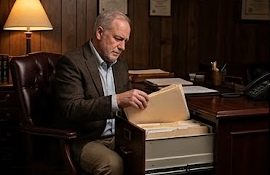
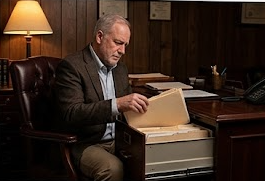
Er sah mich an, als würde ich etwas in einer Sprache fragen, die er gerade erst gelernt hatte. Dann, langsam: „Im Aktenschrank in meinem Büro. Ja… ich habe alles behalten.“
Ich nickte einmal. Ich sah Aaron an. Aaron sah mich an. „Okay“, sagte ich zu meinem Vater. „Besorg mir diese Dokumente.“
Ich rief Dana Wexler, meine Anwältin, um 18:15 an. Ich saß in Aarons Wohnung, einen kalten Umschlag auf der Wange, ein Glas Wein, das ich nicht trank, und den Laptop auf dem Couchtisch. Dana ist 51, praktiziert seit 23 Jahren Erb- und Familienrecht in Chicago und besitzt die besondere Eigenschaft, jedes mögliche schreckliche Ding gehört zu haben, das eine Familie einander antun kann, und dabei die Fähigkeit zur Empörung behalten zu haben, ohne noch schockierbar zu sein.
Ich erzählte ihr alles. Sie war etwa vier Sekunden still. Dann: „Sie hat deine Unterschrift auf einem rechtlichen Verzicht gefälscht.“ „Anscheinend.“ „Rebecca, das ist Betrug.“ „Ich weiß.“ „Mit Dokumentation – und wenn Gerald die Originale zur Verfügung stellt – ist das eine tragfähige zivilrechtliche Klage. Potenziell strafrechtlich, je nach Staatsanwaltschaft.“ „Ich weiß.“ „Willst du…“ „Nicht heute Nacht“, sagte ich. „Heute Nacht will ich wissen, welche Optionen ich habe. Morgen sage ich dir, was ich tun will.“
Wir telefonierten vierzig Minuten. Dana führte mich mit ihrer üblichen präzisen Effizienz durch die rechtliche Landschaft: Verjährungsfragen, der Unterschied zwischen einer zivilrechtlichen Rückforderungsklage und einer Anzeige bei der Cook County State’s Attorney, was ungerechtfertigte Bereicherung in der Praxis bedeutete, welche realistischen Ergebnisrahmen es gab.
Als wir auflegten, setzte sich Aaron neben mich. Er sagte eine Minute lang nichts. Er saß einfach da – eine der Eigenschaften an ihm. Er versteht den Wert von Anwesenheit ohne Worte, so wie man ihn nach Jahren lernt, in denen man mit Familien in den schlimmsten Momenten ihres Lebens sitzt.
„Woran denkst du?“, fragte er schließlich.
„Ich denke daran, dass ich fünfzehn Jahre lang etwas von Grund auf aufgebaut habe, weil ich dachte, ich müsste – weil ich dachte, niemand würde mir helfen.“ Ich sah auf meine Hände. „Und die ganze Zeit hatte meine Mutter 170.000 Dollar von meinem Geld in einer Küchenrenovierung und einem Auslandssemester sitzen.“ „Ja.“ „Und ich habe trotzdem drei Jahre lang ihre Hypothek bezahlt.“ „Ja.“ Ich nahm den Wein, stellte ihn wieder ab. „Ich denke auch“, sagte ich, „dass sie 61 Jahre alt ist und gerade auf einer Krankentrage vor ihren Freunden aufgewacht ist und dass mein Vater ein Mann ist, der das fünfzehn Jahre getragen und mir endlich die Wahrheit gesagt hat.“ Ich sah Aaron an. „Ich denke, ich werde die zivilrechtliche Klage einreichen. Ich werde zurückholen, was ich kann – und ich werde den Rest davon loslassen.“
Er wartete.
„Ich werde sie nicht zerstören“, sagte ich. „Nicht, weil sie es nicht verdient – sondern weil ich nicht will, dass das, was als Nächstes kommt, davon handelt, an sie zu denken.“
Aaron sah mich lange an. „Okay“, sagte er. „Ist das…“ „Es ist die richtige Entscheidung“, sagte er. „Es ist deine Entscheidung, und es ist die richtige.“
Er legte den Arm um mich. Ich lehnte mich an ihn. Draußen tat Chicago das, was es an Frühlingsabenden tut: der Geruch des Sees durch das Fliegengitter, das ferne Geräusch der Stadt, die besondere Lichtqualität, die durch hohe Fenster in Wohnungen fällt, die auf eine Stadt blicken, in der man sich von nichts aus seinen eigenen Platz gebaut hat.
„Wir müssen immer noch eine Hochzeit planen“, sagte er nach einer Weile. „Das müssen wir.“ „Unser Budget.“ „Unser Budget“, stimmte ich zu.
Er küsste mich auf den Scheitel.
Sechs Monate später, im September, reichte Dana die zivilrechtliche Klage beim Cook County Circuit Court ein. Mein Vater stellte die originalen Nachlassdokumente, den gefälschten Verzicht, die Überweisungsunterlagen und den Schriftverkehr zwischen meiner Mutter und dem Nachlassanwalt zur Verfügung – ohne zweimal gefragt zu werden. Er kooperierte bei allem. Ich glaube, es war für ihn die erste eindeutig richtige Sache, die er in fünfzehn Jahren getan hatte, und er schien das zu verstehen.
Der Fall wurde vor Prozessbeginn verglichen. Der Anwalt meiner Mutter – ein Mann namens Greg Poole, der den Verdacht erregt, die meiste Zeit mit Verkehrsdelikten zu tun zu haben und hier etwas außer seiner Tiefe zu sein – empfahl den Vergleich, als Dana das Beweispaket vorlegte. Die endgültige Summe betrug 194.000 Dollar – die ursprünglichen 170.000 plus fünfzehn Jahre gesetzlicher Zinsen zum Illinois-Satz.
Ich legte 100.000 in den Lakeview Family Revocable Trust und ordnete an, die Hypothekenzahlungen an meine Mutter einzustellen. Die restlichen 94.000 teilte ich: 47.000 in den Hochzeitsfonds von Aaron und mir, und 47.000 auf ein separates Konto, das ich für Madison einrichtete. Nicht, weil Madison es verdient hätte – sondern weil ich mein ganzes Leben lang die Art von Mensch gewesen war, die sich um die Menschen um sie herum kümmerte, auch wenn es sie etwas kostete. Und ich hatte beschlossen, in Aarons Wohnung mit dem kalten Umschlag auf der Wange sitzend, dass ich nicht aufhören wollte, dieser Mensch zu sein, nur weil meine Familie ihn missbraucht hatte. Ich wollte nur vorsichtiger sein, wer ihn erhielt.
Ich schickte Madison die Kontodaten mit einer einzigen Zeile: Das gehört dir. Keine Bedingungen.
Sie rief zwanzig Minuten später an. Sie weinte etwa vier Minuten, ohne viel Kohärentes zu sagen. Dann: „Ich wusste von nichts. Von der Hypothek, den Krediten – von nichts.“ „Ich weiß.“ „Wie kannst du… wie kannst du einfach solche Dinge für Menschen tun, ohne es ihnen zu sagen?“ Ich dachte nach. „Weil ich erzogen wurde zu glauben, dass Liebe bedeutet, sich still um Menschen zu kümmern“, sagte ich. „Ich arbeite noch daran herauszufinden, welche Teile davon ich behalten will.“ Sie war still. „Ich will anders sein“, sagte sie. „Ich will anders sein.“ „Okay“, sagte ich. „Reicht das?“ „Es ist ein Anfang.“
Meine Mutter rief mich einmal im Oktober an. Ich ließ es auf die Mailbox gehen. Die Nachricht war vier Minuten lang und enthielt das Wort „sorry“ zweimal – beide Male eingebettet in einen längeren Satz darüber, wie man Dinge anders hätte handhaben können, was nicht ganz dasselbe ist wie eine Entschuldigung. Ich habe nicht zurückgerufen. Ich weiß nicht, ob ich es je tun werde.
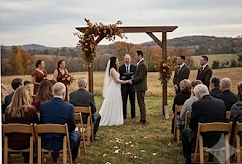
Aaron und ich heirateten im November. Klein und bewusst. 22 Menschen. Ein restauriertes Farmhaus in Galena, Illinois. Zedernholz und Kerzenlicht und ein Abendessen, das bis Mitternacht dauerte. Mein Vater kam. Er saß in der zweiten Reihe und weinte leise während der gesamten Zeremonie, half Aarons Mutter nach dem Essen beim Abwasch und versuchte nicht, es um sich selbst gehen zu lassen. Es war die erste Familienveranstaltung seit 34 Jahren, bei der ich das Gefühl hatte, sie genießen zu dürfen.
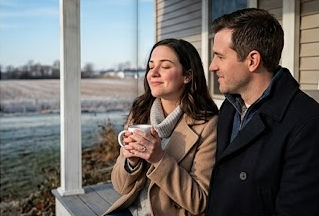
Am Morgen nach der Hochzeit machte Aaron Kaffee. Richtigen Kaffee. Den guten. Den, den man sich Zeit nimmt. Wir saßen auf der Veranda des Farmhauses in der frühen Novemberkälte, die Mäntel an, und ich hielt die Tasse mit beiden Händen. Die Wärme ging ganz hindurch. Nur Wärme. Nichts anderes.
So wusste ich, dass ich in Ordnung sein würde.