第2部
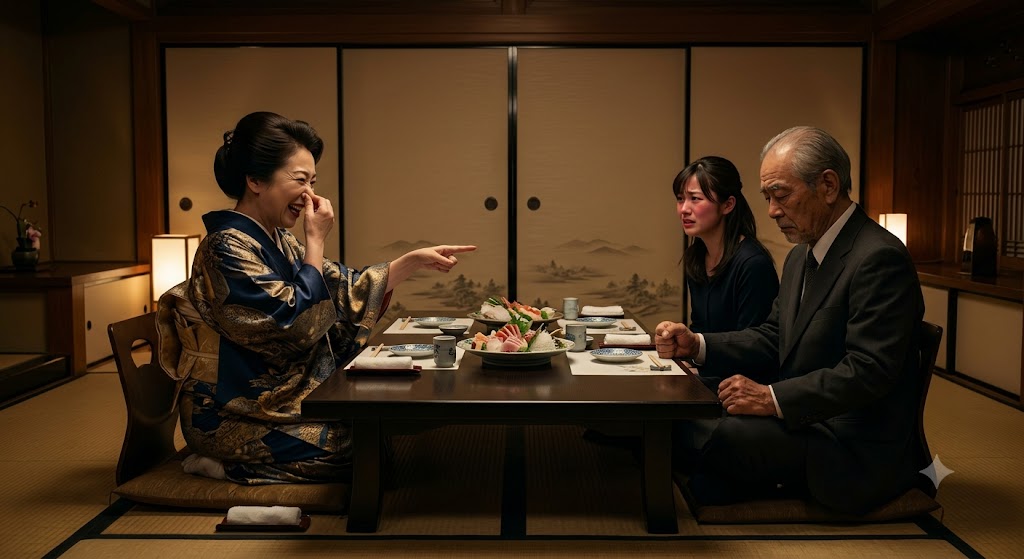
「静子さん、失礼ですよ。父は今日のためにお風呂にも入り、このスーツも新しく仕立てたばかりなんです」
私は震える声で精一杯の反論を試みました。せっかくの晴れ舞台を台無しにされたくない。その一心で、私は義実家となる人々の顔をまっすぐに見据えました。
しかし静子さんはあざ笑うかのように、さらに深く鼻を覆います。
「あら、そうなの。でも染みついた貧乏の匂いまでは落ちないようね。いくら外見を取り繕っても、中身は土にまみれた農民でしょう。この最高級料亭の空気が一瞬で田舎のあぜ道みたいになったわ」
彼女の言葉はまるで毒を含んだ矢のように、私の、そして父の心に突き刺さりました。
父の三郎はただ黙って視線をテーブルの木目に落としています。
すると今度は義父の正尾が重々しく口を開きました。
「舞さん、君も少しは身のほどというものを知るべきだ。我が社・佐藤総合建設は今やこの地域のインフラを担う大企業だ。都内の再開発プロジェクトにも名を連ね、政財界にも顔が利く」
正尾は自慢の高級時計をいじりながら、見下すようなため息をつきました。
「そんな誇り高い一族の縁談に、どこの馬の骨とも分からぬ農家を招く。それ自体が我が家に対する侮辱だとは思わないのかね」
私は耳を疑いました。これから家族になろうという相手に向かって、これほどまでに残酷な言葉を吐けるものなのでしょうか。
「父はどこの馬の骨でもありません。私を育ててくれた立派な父親です。農業だって皆さんの食生活を支える大切な仕事ではないですか?」
私が食い下がると、静子さんは「おほほほほ」と芝居がかった高い笑い声をあげました。
「大切? 笑わせないでちょうだい。泥をいじって虫に怯えながら、たった数百円の野菜を売る仕事でしょう。私たちが動かしている億単位の金とは、価値の次元が違うのよ」
彼女の目は完全に私たちを見下していました。まるで足元に這いつくばる虫でも眺めているかのような冷酷さ。
私は助けを求めるように、隣に座る健二さんの袖を引きました。
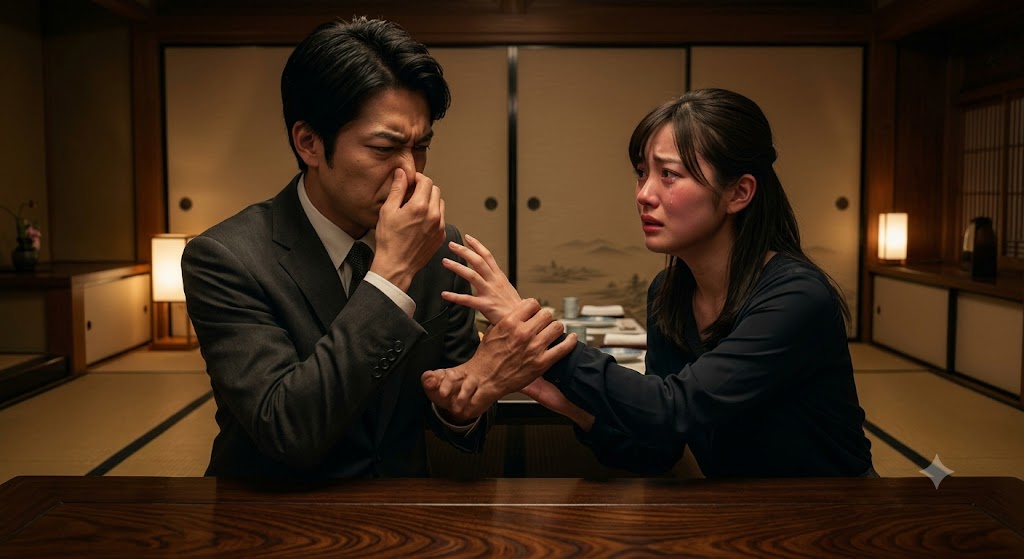
「健二さん、何か言ってよ。健二さんは父のことを分かってくれてるでしょう」
しかし健二さんは私の手をゴシゴシと振り払いました。その顔にはかつての優しさはみじんも残っていませんでした。そこにあったのは気まずさと、そして私に対する明らかな侮蔑でした。
「まあ、いい加減にしろよ。母さんの言う通りだよ。正直、僕も驚いたんだ。君のお父さん、もう少しマシな人だと思ってた。こんなに破れていて、カレー臭と泥の匂いが混ざったような……」
健二さんは私の目の前で鼻をつまんで見せたのです。
「正直、同じテーブルに座っているだけで吐き気がしてくる。結婚前にちゃんと教育しておくべきだったよ。親の娘だってことをさ」
その瞬間、私の中で何かが音を立てて崩れ去りました。
信じていた婚約者からの、あまりにも無慈悲な裏切り。彼は家族の暴言を止めるどころか、一緒になって私たちを笑い物にしたのです。
「健二さん、あなたまでそんなことを言うの?」
「ああ、言うよ。僕のキャリアに傷がつくんだ。こんな義父ができるなんて。佐藤総合建設の次期社長として、僕にはふさわしい家柄が必要なんだよ」
健二さんの言葉に、正尾と静子は満足そうに頷きました。
「そうよ、健二。あなたは選ばれた人間なの。こんなクソ臭い農家と一緒にいる時間は人生の無駄よ」
父は相変わらず一言も発しません。ただその拳は膝の上で白くなるほど強く握りしめられていました。父の沈黙が、私には悲鳴のように聞こえてなりませんでした。
料亭の中居さんが気を聞かせたのか、冷えた刺身の盛り合わせを運んできました。しかし静子さんはそれを手で制しました。
「ちょっと、その料理あっちに置いてちょうだい。この男の近くに置いたら匂いが移って食べられなくなるわ」
もはやこれは顔合わせではありません。一方的な公開処刑でした。
静子さんの長が、高級料亭の凛とした静寂を無惨に切り裂きました。彼女は父が壊れ物を扱うように大切に抱えていた風呂敷包みを、顎でしゃくって指しました。
「ねえ、その古臭い布は何? まさかそれが手土産のつもり?」
父は少しだけ顔を上げ、震える声で答えました。
「はい。これは私が丹精込めて育てた、今年の一番出来の良いお米です。それと、亡くなった母が仕込んだ無添加の味噌を、是非召し上がっていただきたくて」
父の言葉が終わるか終わらないかのうちに、静子さんは吹き出しました。
「お米に味噌? ちょっと健二、聞いたかしら。今時そんな泥臭いものを手土産にする人がいるなんて信じられないわ」
「本当だね、母さん。僕たちの家には全国から最高級のブランド米が届くんだよ。そんなどこの誰が作ったか分からないような不衛生な米なんて、どんな虫が混じっているか分かったもんじゃない」
健二さんの冷たい言葉に、私は胸が締めつけられる思いでした。父がどれほどこのお米を大切に育ててきたか。腰を曲げて草をむしり、毎日欠かさず水の管理をしていた姿を、私は一番近くで見てきたのです。
「健二さん、そんな言い方はないわ。父にとってはこれが一番の宝物なのよ。この日のために父がどれほど準備をしてきたか、分かっているの」
私が必死にかばうと、今度は義父の正尾さんが鼻で笑いました。
「宝物? くだらんな。所詮は土から取れたものだろう。我々が扱っているのは鉄とコンクリート、そして数十億という不動産だ。土をいじって小銭を稼ぐ生活とは格が違うんだよ」
正尾さんは目の前に並んだ最高級の刺身を箸でつっつくと、わざとらしく顔をしかめました。
「ああ、まずい。この部屋の空気が悪いせいで味が台無しだ。おい、佐藤さん。君、自分がどれだけ間違ったところにいるか分かっているのかね」
父の三郎はまだ一言も反論しません。ただ静かに目を閉じて、彼らの罵詈雑言を受け流しているように見えました。
父のその忍耐強さが、逆に彼らの傲慢さをエスカレートさせてしまったのかもしれません。
「無言か。反論する言葉も持たないほど教養がないということか。まあいいだろう。はっきり言ってやる。君のような男は我が一族には不要だ」
静子さんが勝ち誇ったような顔で立ち上がりました。
「そうよ。舞さんもこんな教養のない父親の娘なら、高が知れているわ。せっかくの顔合わせなのに、気分が悪くて仕方がないわね」
彼女は父の目の前にあった温かいお茶が入った湯呑みを、わざと手を滑らせるようにして倒しました。熱いお茶が、父が今日のために新調したばかりのスーツの膝に飛び散ります。
「あら、ごめんなさい。あまりに臭うから手が滑ってしまったわ」
父のスーツに大きな茶色のシミが広がっていきます。それでも父は怒鳴ることも、泣き言を言うこともしませんでした。
「大丈夫です。お気になさらずに」
父のその一言が、静子さんの逆鱗に触れたようでした。
「何をその態度は。私が謝っているのに不気味に黙り込んで……分かったわ。もう我慢の限界よ。健二、こんな人たち今すぐ追い出しなさい」
静子さんは激しく震える指をさして父を怒鳴りつけました。
「クソ農家は今すぐここから帰れ。ここは一流の人間が集まる場所なの。あなたの居場所なんて、この日本のどこにもないわ」
健二さんも、かつての優しさが嘘のように冷たい目で父を見下ろしました。
「お父さん、もう帰ってください。舞との結婚は今この瞬間を持って白紙にさせてもらうから」
結婚、白紙。その絶望的な言葉に、私は目の前が真っ暗になりました。
父は濡れたスーツを拭うこともせず、ゆっくりと、そして不気味なほど泰然と立ち上がりました。
「そうですか。皆さんのお考えはよくわかりました」
父の声はこれまでになく低く、冷徹な響きを帯びていました。
「舞、行こうか。ここには私たちの居場所はないようだ」
「お父さん、ごめんなさい。私がこんなところに連れてきたから」
私は涙が溢れて止まりませんでした。父にこれほどの屈辱を味わわせるために、今日を心待ちにしていたわけではない。
「いいんだ、舞。お前が謝ることは何もない。さあ、胸を張って前を向きなさい」
父は私の肩を優しく叩くと、そのまま出口へと向かいました。後ろからは静子さんたちの勝ち誇ったような高笑いが聞こえてきます。
「あはは、ようやく消えたわ。空気が綺麗になった気がするわね。全く、身のほど知らない親子だったわ。健二、あんな女と別れて正解よ」
屈辱と悲しみの中、私たちは料亭を後にしました。
夜の街を走るタクシーの中で、父は静かにスマートフォンを取り出しました。その画面には何通かの緊急通知と、ある重要人物からの連絡が届いていました。
父の瞳の奥に、見たこともないような鋭い光が宿ります。
「さて、向こうがその気なら、こちらも準備を始めようか」
父の呟いたその言葉の意味を、私はまだ知りませんでした。
翌朝、私は腫れぼったい目を擦りながらリビングに向かいました。そこには昨夜の悲劇が嘘のように穏やかな顔で熱いお茶をすする父の姿がありました。
父はいつも通り泥の染み込んだ作業着に着替え、玄関先で長靴を履こうとしていました。
「お父さん、本当に行くの? 会社なんて……」
私が不安げに問いかけると、父はにかっと笑って答えました。
「ああ、今日は大事な寄り合いがあるんだ。舞、お前もシャキッとして会社に行きなさい」
「でも健二さんが変な噂を流していて……」
「噂なんて、真実の重みの前には霧のようなものだ。気にする必要はない。お前はただ誠実に仕事をすればいい」
父の言葉には不思議な説得力がありました。
父が家を出た後、私はふと父の書斎に置いてあった古ぼけた木箱が少しだけ開いていることに気づきました。そこには私がこれまで一度も見たことがない、金色の鳳凰が刻まれた勲章や数多くの表彰状が入っていました。
表彰状の宛名は全て「佐藤三郎」となっています。そこには農林水産大臣の名や、日本を代表する巨大コンツェルンの会長の名前が並んでいました。
さらに箱の底には一冊の通帳がありました。何気なくページを開いた私は、その数字を見て危うく通帳を落としてしまうところでした。
そこに記されていた残高は、私の想像をはるかに超える天文学的な数字だったのです。
実は私の父・三郎は、ただの農家ではありませんでした。この地方一帯の広大な土地を所有する、日本でも指折りの大地主だったのです。それだけではありません。父は最新の農業技術を世界に輸出する巨大農業法人の創業者でもありました。
今はその実権を後任に譲り、自分は趣味でこつこつと田畑を耕していると言っていましたが、実際には政財界に巨大な影響力を持つ「農業界のドン」と呼ばれる存在だったのです。
昨夜、義父の正尾さんが誇りげに語っていた都内の大規模再開発プロジェクト。そのプロジェクトが進められている土地の8割は、実は父が経営する法人の所有地でした。そして佐藤総合建設がメインバンクとして頼っている東西中央銀行の最大株主も、また父の古い知人だったのです。
私は自分の父親の正体に震えが止まりませんでした。
父は自分の富や権力をひけらかすことを何よりも嫌っていました。「土に根を下ろして生きる人間が一番偉いんだ」。それが父の口癖であり、信念だったのです。
昨夜の顔合わせで父が沈黙を守っていた理由。それは相手の出方を伺っていたからだけではありませんでした。もし彼らが私の父を一人の人間として尊重してくれたなら、父は惜しみない支援を彼らに与えるつもりだったのでしょう。
しかし彼らは自らそのチャンスを捨てました。それどころか、最も怒らせてはいけない人物を徹底的に侮辱し、泥を塗ったのです。
私が会社に出勤すると、そこには異様な光景が広がっていました。入口に足を踏み入れた瞬間、同僚たちの視線が一斉に私に突き刺さります。
上司の田中課長は怒りで真っ赤な顔をしていました。
「君は一体、佐藤総合建設さんにどんな失礼を働いたんだ。今朝一番で向こうの正尾社長から、即刻取引停止の連絡が来たんだぞ」
「それは私生活のトラブルで、仕事とは関係ありません」
「関係ないだと? 我が社にとって佐藤総合建設は最大の得意先なんだ。君の不潔な父親のせいで数億円のプロジェクトが水の泡だ。責任を取って今すぐ辞職願いを書きなさい」
その時、私のスマートフォンが激しく震え始めました。健二さんからの着信です。
「いやあ、舞。今頃会社で惨めな思いをしているところかな。父さんに頼んで君の会社を潰すように言っておいたから。まあ、君一人を首にすれば許してやるって話になっているけどね」
健二さんは高笑いをあげ、さらに追い打ちをかけます。
「どう? 僕と別れた代償は大きかっただろう。今すぐ僕の家に来て土下座して謝るなら、考え直してあげてもいいよ。あ、もちろんあのクソ臭い父親も連れてきて、足を舐めさせてくれよな」
あまりにも卑劣な要求に、私は手が震えて止まりませんでした。
その時でした。会社の正面玄関に3台の黒塗りの高級リムジンが静かに停車したのです。車から降りてきたのは、仕立ての良いスーツに身を包んだ屈強な男たちでした。彼らは受付を素通りし、迷いのない足取りで私のいる会議室へと向かってきます。
「我々は佐藤三郎会長の代理人として参りました。舞様に至急お伝えしたいことがございます」
「佐藤三郎……会長?」
父の名前が、聞いたこともないほど重々しい肩書きと共に響き渡りました。
男たちの中心にいた老師が、私に向かって深々と頭を下げました。
「舞お嬢様、会長がお待ちです。全てのお手立てが整いました」
私は震える足で一歩踏み出し、立ち尽くした課長をまっすぐに見つめました。
「辞職願いは書きません。やめるのは私ではないかもしれませんから」
そう言い残し、私は男たちに導かれるまま会議室を後にしました。
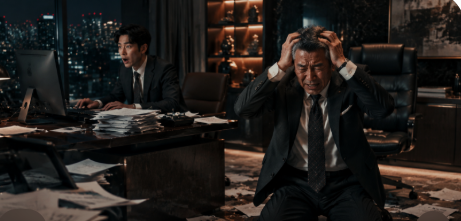
一方、佐藤総合建設の社長室では、正尾がふかふかの椅子に深く腰かけていました。
「おい、健二。あの農家の娘の会社、どうなった?」
「さっき課長から連絡がありましたよ。今頃泣きながら辞職願いを書いてるはずです。全く、身のほど知らない親子だったな」
二人が下品な高笑いをあげたその時でした。部屋のドアがノックもなしに荒々しく開け放たれました。
「社長、大変です! すぐに来てください!」
飛び込んできた経理部長の顔は紙のように白く、額からは滝のような汗が流れています。
「たった今、メインバンクの東西中央銀行から連絡がありました。全ての融資を即刻引き上げるとの通告です。今この瞬間から我が社の口座は凍結されました」
「何を言っているんだ! 冗談はやめろ!」
さらに下請け各社からも次々に取引停止の連絡が来ています。都内の再開発プロジェクトの現場では、地主の代理人を名乗る男たちが大勢やってきて、重機を止めろ、明日までに全ての資材を撤去しろと命じているとのことでした。
正尾は机を叩き、持っていた万年筆を床に叩きつけました。
そこへ追い打ちをかけるように、静子から権貴の携帯に着信が入りました。
「ちょっと健二、どうなっているのよ! 私のブラックカードが使えないのよ! 店の店員に『無効なカードです』って言われて泥棒扱いされたのよ!」
全ての電話が鳴り響き、社員たちの土色の顔と泣き声が廊下まで響いています。
そしてついに、社長室の扉が再び、今度は静かに開かれました。そこに立っていたのは、三郎の秘書・渡辺でした。
「佐藤総合建設の皆様、お忙しいところ失礼いたします」
渡辺は優雅に一礼し、正尾の前に一通の書類を差し出しました。その書類には、誰もがひれ伏すようなある巨大組織の紋章が刻印されていました。
「皆様方に最後の通告に参りました」
渡辺の冷徹な一言が、死に体の社長室に陰を落としました。
「お気づきになりませんでしたが、あなた方が再開発を請け負っていた土地、その全ての所有権を握る『佐藤財団』。その創設者であり、長の名は——佐藤三郎」
正尾の脳裏に昨夜の料亭での光景がフラッシュバックします。
「佐藤……三郎……まさかあの農家が……」
「作用でございます。佐藤三郎会長はこの国の農業の近代化を成し遂げ、世界中に技術を輸出する農業界の巨星。そしてあなた方が頼みにしていた銀行の筆頭株主でもいらっしゃいます」
健二は信じられないという顔で渡辺に掴みかかろうとしました。
「嘘だ! あんな土臭いジジイがそんな大物なわけがない! あいつはただの貧乏農夫だ! 匂いだってひどかったんだぞ!」
渡辺は軽蔑の色を隠そうともせず、健二の手を冷たく振り払いました。
「匂いですか? 会長は昨日、あなた方との顔合わせのために、自ら開発した世界最高峰の有機肥料の実験場から直接駆けつけられました。その肥料こそが『砂漠でも緑を育む人類の至宝』と呼ばれているものです。会長はその誇り高い土の匂いをあえて消さずに赴かれた。あなた方が『土と共に生きる人間』をどう扱うか、その真意を問うために」
「そ、そんな……それじゃああの匂いは、世界を変える発明の匂いだったのか……」
健二の顔が土色に変わっていきます。
「会長はお嬢様の結婚を心から祝福しようとしておられました。佐藤総合建設の放漫経営による巨額の負債、それも親族になるのであれば全て肩代わりし、開発プロジェクトも全面的にバックアップするつもりだったのです」
渡辺の言葉の一つ一つが、重い鉄球のように正尾と健二の胸を打ち抜きます。彼らが「クソ臭い」と罵り追い出したその手には、彼らの会社を救うどころか何十倍にも成長させる魔法の杖が握られていたのです。
「しかし、あなた方は会長とその愛娘である舞様を侮辱した。甚だしくは舞様を社会的に抹殺しようと画策した。これは佐藤財団全体に対する宣戦布告と受け止めさせていただきました」
正尾は膝から崩れ落ち、渡辺の靴に縋りつきました。
「待ってください! 誤解だったんです! すぐに謝罪に行きます! どんな条件でも飲みますから!」
「残念ながら遅すぎます。会長はすでに佐藤総合建設の全株式を買い集める方針を出されました。明日には臨時株主総会が開かれます。そこで現経営陣の解任が決議されることになるでしょう」
渡辺は冷たく言い放つと、振り返ることもなく社長室を後にしました。
残されたのは、崩れ去った夢の後に立ち尽くす愚かな親子だけでした。
それから数ヶ月後。
私は父と共に、愛する大地で毎日を懸命に生きています。泥にまみれ、汗を流して働く毎日は、かつての私が想像していたよりもずっと清々しく、心満たされるものでした。
「お父さん、あの日どうしてあんなにひどいことを言われても黙っていたの?」
父は遠く青く霞んだ山並みを見つめ、穏やかな、それでいてどこか悟ったような微笑を浮かべました。
「舞、土を耕し命を育てる人間は『待つこと』を知っているんだよ。作物は人間が怒鳴りつけたからと言って早く育つわけではない。人の心も同じだ。彼らが自ら気づき、変わるのを待つしかなかったんだ」
父は一度言葉を切り、私の方を向いて力強く頷きました。
「でもね、彼らはお前を傷つけ、その心まで泥を塗ろうとした。お前の誠実さを利用し、踏みにじろうとした。それだけは佐藤の父として、そして一人の父親として絶対に許せなかったんだよ」
父の言葉に、私は鼻の奥がつんと熱くなるのを感じました。父は自分の名誉を守るためではなく、ただ私という一人の娘を守るために、あの巨大な力と権力を動かしたのです。
正尾さんと健二さんは今、遠く離れた山奥にある厚生支援を兼ねた共同農場で、一介の作業員として厳しい農作業に従事しています。毎日日の出前から畑に出て、重い鍬を振り、泥にまみれて腰を曲げ、土と向き合う日々を送っているそうです。
あんなに嫌っていた土、あんなに見下していた泥臭い仕事。しかしそこでの真摯な労働こそが、虚飾で塗り固められた彼らに残された唯一の再生の道でした。
私たちは収穫したばかりの真っ赤なりんごを丸かじりしました。みずみずしい果汁が口いっぱいに広がり、大地の生命力が細胞一つ一つに染み渡るような感覚に包まれます。
都会の高級レストランで食べていたどんな贅沢な料理よりも、今の私にはこのりんごが最高のごちそうでした。
私は今、本当の豊かさとは何かを心の底から理解しています。それは銀行の残高や身につけるブランド品で決まるものではありません。平日に働き、誰かを慈しみ、そして自然の恵みに感謝して生きること。
父が背中で教えてくれた、この当たり前でいて最も気高い生き方。
「お父さん、私、この農園を世界中の人が憧れる場所にしたい」
「お前の世代が作る新しい農業の形か。楽しみだ。俺も負けていられんな」
父の大きな手が、私の頭を優しく、そして力強く撫でてくれました。
微風に乗って、またあの土の匂いがふわりと漂ってきます。それは命を育む力強い匂い。それは嘘偽りのない誠実な人間だけが知る誇りの匂い。
私はもう二度とこの匂いを恥じることはありません。むしろこの匂いと共に生きていけることを、心から幸せに思うのです。
夕日に向かって歩き出す父の背中は、これまで見たどんな景色よりも美しく輝いていました。