In an unprecedented surge of public outrage, over 70,000 Australians have signed a petition demanding Prime Minister Anthony Albanese’s resignation following the devastating Bondi Beach terrorist attack that claimed 15 innocent lives. The escalating backlash highlights a growing sentiment that the government has failed to protect its citizens from rising threats.
 Former Treasurer Josh Frydenberg has publicly accused Albanese of being personally responsible for the tragedy, asserting that the Prime Minister has allowed Australia to be radicalized under his watch. At a memorial outside Bondi Pavilion, Frydenberg expressed his grief and frustration, stating, “It’s time for him to accept personal responsibility for the death of 15 innocent people, including a 10-year-old child.”
The petition, which exploded in popularity in the wake of the attack, has become a rallying cry for ordinary Australians dissatisfied with Albanese’s leadership. Critics accuse the Prime Minister of breaking promises and ignoring public sentiment on immigration, which they believe has contributed to the recent violence.
Albanese’s response has been met with skepticism. He visited hospitals to meet with victims and medical staff, vowing to combat anti-Jewish hate and improve community safety. However, many view his actions as insufficient, demanding concrete measures rather than mere rhetoric.
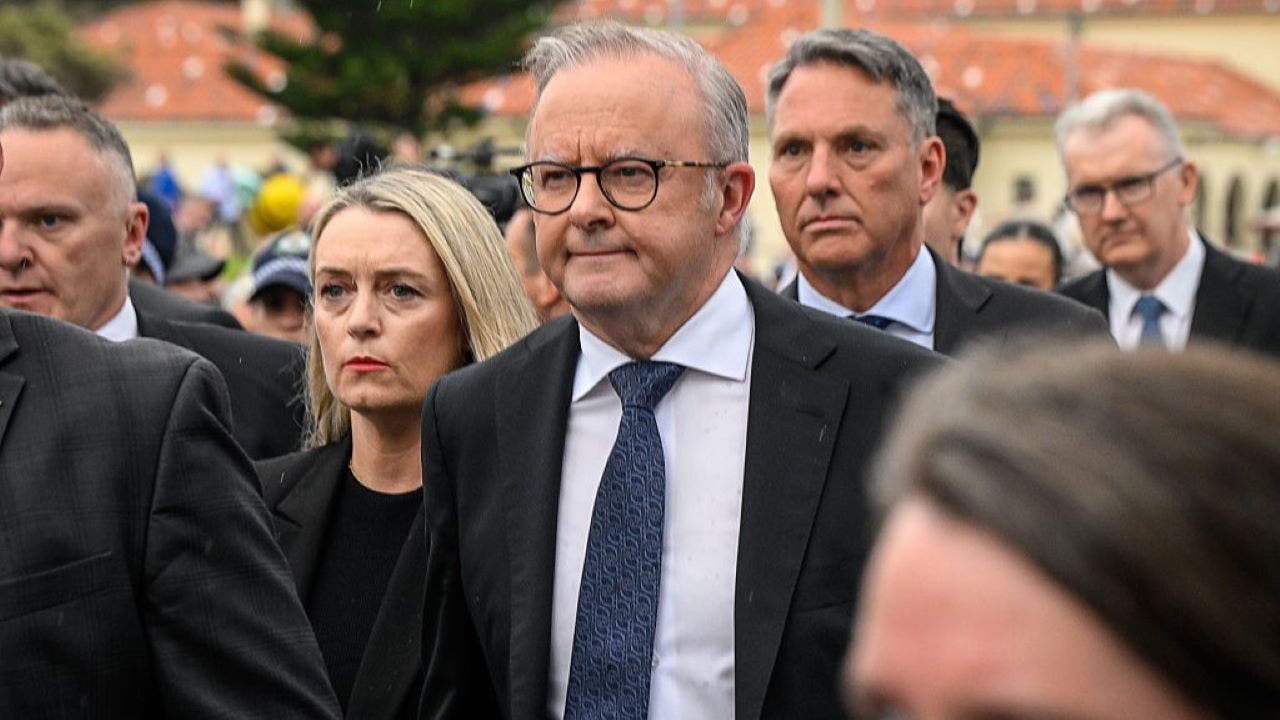
The petition’s rapid growth—now exceeding 70,000 signatures—signals a grassroots movement that cannot be ignored. This number represents not just a collection of angry voices but a significant political force demanding accountability from their leaders.
Ray Hadley, a prominent Sydney radio broadcaster, echoed the calls for Albanese’s resignation, urging him to “pack his bags” and leave office. Such endorsements from influential figures amplify the urgency of the situation, suggesting that Albanese’s leadership is increasingly under threat.
The petition articulates broader frustrations beyond the Bondi attack, linking it to failures in gun control and immigration policies. Critics argue that despite Australia’s strict gun laws, failures in vetting have allowed dangerous individuals access to firearms, underscoring systemic issues that need addressing.
Immigration remains a contentious issue, with many Australians feeling that Albanese’s policies do not reflect their concerns. The petition claims that the Prime Minister has prioritized progressive immigration over public safety, a sentiment resonating with a significant portion of the electorate.
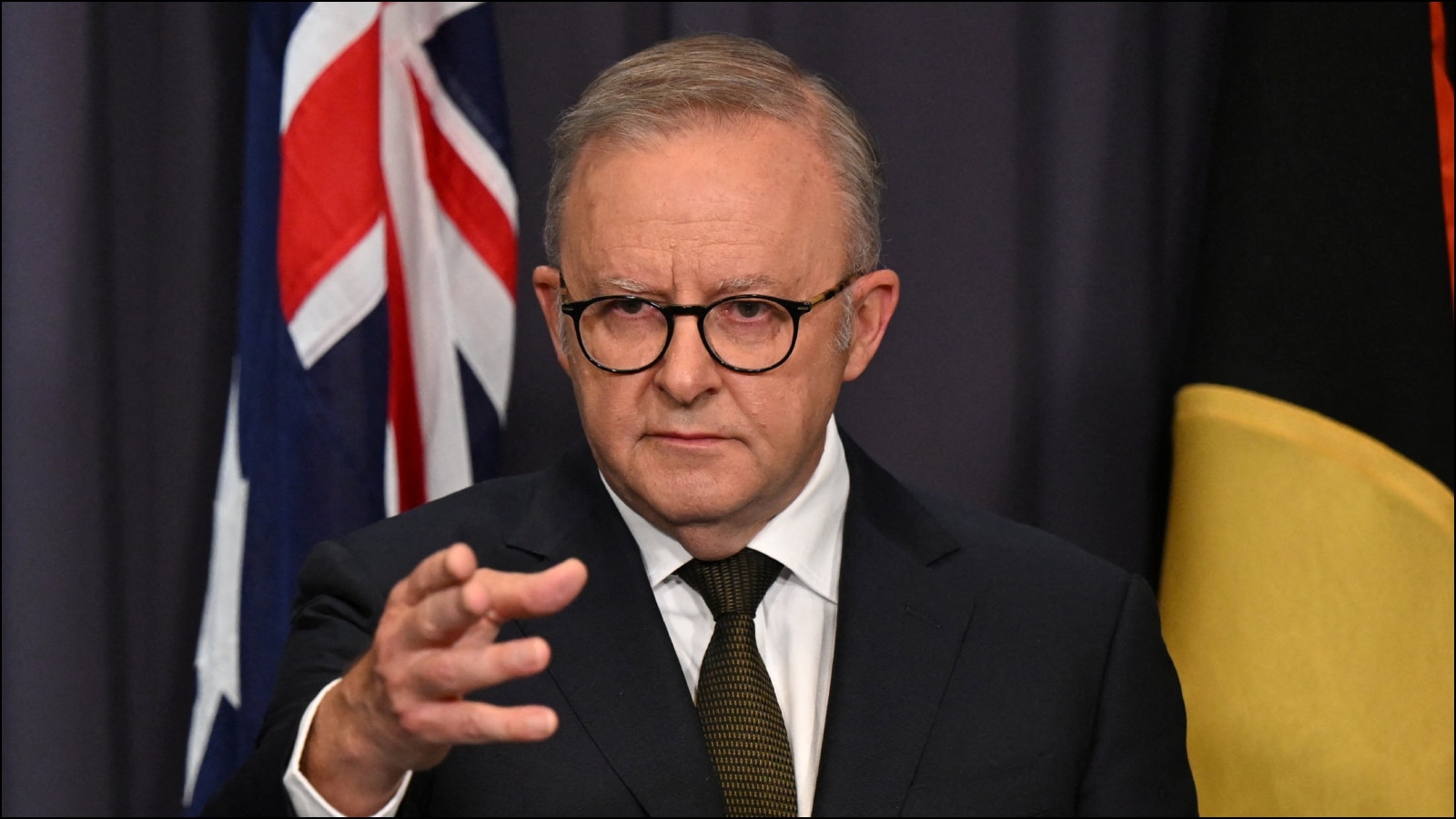
Political analysts are closely monitoring this unfolding crisis. The petition’s existence could shift the political landscape, prompting Labor MPs to reconsider Albanese’s leadership if polling indicates he is losing support on security and immigration issues.
While Albanese may hope that time will heal the wounds and that voters will shift their focus to other pressing issues, the potential for another security incident looms large. Should such an event occur, the calls for his resignation could intensify, reigniting the movement with even greater fervor.
As the situation develops, the pressure on Albanese mounts. The petition has given Australians a platform to voice their dissatisfaction openly, marking a pivotal moment in the political narrative of the country. The Prime Minister’s next steps will be critical in determining whether he can quell the rising tide of discontent or if this is just the beginning of a larger political upheaval.