Die Gäste saßen, das Orchester spielte, die Torte stand bereit. Nur der Bräutigam fehlte. Bai Wan stand allein auf dem Podium, als die Nachricht kam: „Xu Mi braucht mich. Die Hochzeit wird verschoben.
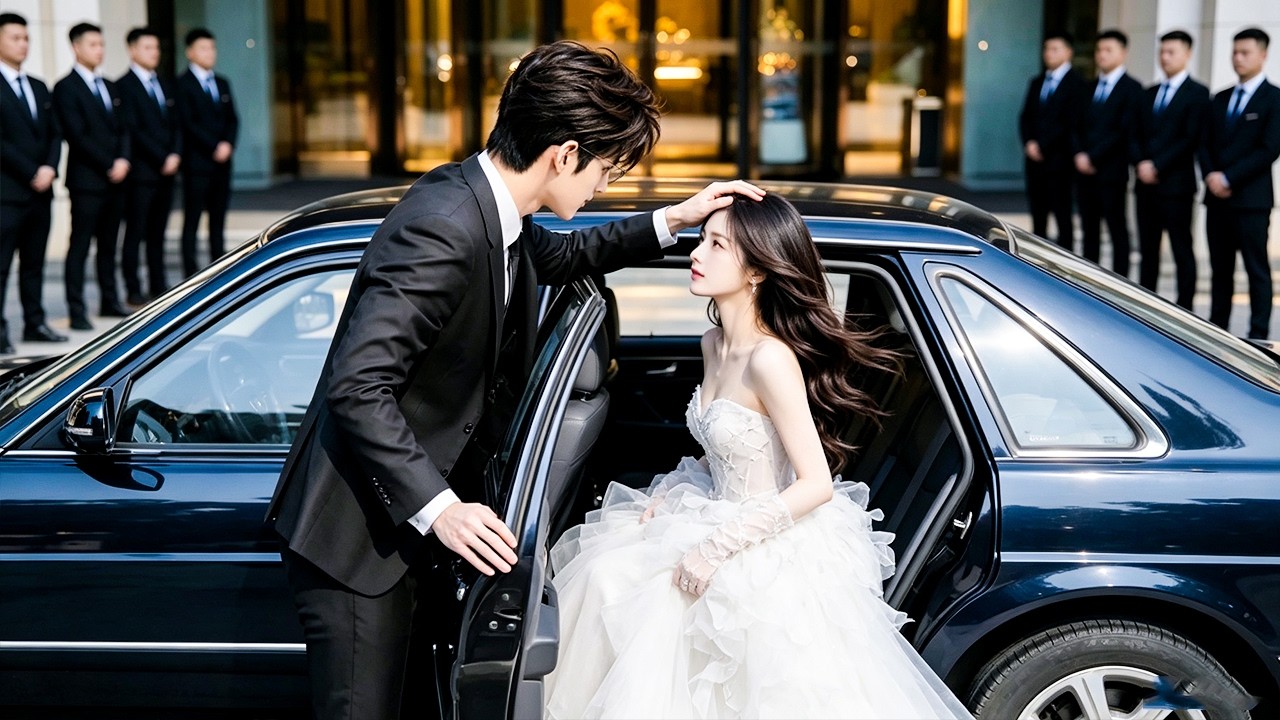
Ich entschädige dich später. “
Es war nicht das erste Mal, dass Li Shaoting sie wegen Xu Mi stehen ließ. Aber es war das letzte Mal. Sie griff zum Mikrofon.
„Der Bräutigam kann nicht kommen. Möchte jemand mich heiraten? “
Die Menge lachte unsicher. Dann erhob sich ein Mann.
„Ich heirate Sie. “
Groß, dunkle Augen, ruhige Stimme. „Sind Sie sicher? “
„Ich scherze nicht.
Eine Ehe ist kein Spiel. “
Sie tauschten Ringe. „Ihr Name? “
„Li Jing’an.
“
Ein entfernter Onkel von Li Shaoting. „Dann werden wir kaum Kontakt zu ihm brauchen“, sagte sie. Nach der Zeremonie schob er ihr eine Karte zu. „Keine Geheimzahl.
Wenn du wegläufst, kommst du nicht weit. “
Sie starrte ihn an. „Wir haben noch keine Heiratsurkunde. “
„Doch.
Die Hochzeit war gerade. “
Dann sagte er: „Ich habe einen Sohn. Er ist sechs, autistisch, er lebt bei meinen Eltern. “
Bai Wan hatte Kinderpsychologie studiert.
„Dann bring ihn her. Wir schaffen das zusammen. “
Am selben Tag kauften sie Kleidung und gingen zum Standesamt. Als er ihr den Sicherheitsgurt löste, schloss sie für einen Moment die Augen.
In der ersten Nacht schlief er im Arbeitszimmer. In der zweiten kam er betrunken nach Hause, hielt sie fest und sagte: „Ich habe Angst, allein zu sein. “ Am Morgen tat er, als wäre nichts gewesen. Ihre beste Freundin rief an.
„Du hast so lange auf diese Hochzeit gewartet. Du heiratest keinen Dahergelaufenen. “
„Er hat mich nicht stehen lassen“, sagte Bai Wan. Das war genug.
Am nächsten Tag stand überall: Der Dritte Meister der Li-Familie hat geheiratet. Bai Wan wischte die Meldung weg. Sie konnte nicht ahnen, dass es ihr eigener Ehemann war. Li Shaoting wartete an ihrem Wagen.
„Du bist verheiratet? “
„Ja. “
„Das kannst du mir nicht antun. “
„Wisch dir erst den Lippenstift vom Hals.
“
Er zuckte zurück. Xu Mi stand in der Tür und sah zu. Bai Wan ging an ihr vorbei, ohne ein Wort. Zu Hause empfing Su Lingyue sie mit Vorwürfen.
„Xu Mi ist krank, du musst Verständnis haben. “
Bai Wan legte die Krankenberichte auf den Tisch. „Sie ist nie krank gewesen. “
Ihre Mutter sah weg.
Da wusste Bai Wan: Man wollte sie nicht hören. Man wollte Xu Mi. Im Unternehmen war Xu Mi längst aufgerückt. Sie sollte das Fenglan-Projekt übernehmen, aber sie wusste nicht einmal, was gebaut werden sollte.
Bai Wan kannte jede Zahl. Der Auftraggeber bestand darauf: Nur Bai Wan führt das Projekt. Xu Mi verlor und machte Bai Wan trotzdem fertig, provozierte, bis Bai Wan ihr heißen Kaffee über die Hand goss. Bai Zhenguo schlug zu.
„Ohne die Bai-Familie bist du nichts. “
Bai Wan richtete sich auf. „Sobald das Projekt abgeschlossen ist, verlasse ich das Unternehmen. “
Sie hielt Wort.
Sie zeichnete nachts Entwürfe, verkaufte Manuskripte, begann zu streamen, um Geld zu sparen. Xu Mi spürte eine Konkurrenz im Netz und stachelte eine Live-PK an. Doch ein unbekannter Fan schickte Geschenke im Wert von fast drei Millionen. Bai Wan versuchte, den Betrag zurückzuzahlen.
„Behalten Sie es“, schrieb der Fremde. Sie ahnte nicht, dass ihr Ehemann am anderen Ende saß. Xu Mi rannte zu Su Lingyue und weinte. Am nächsten Tag stellte Bai Wan fest, dass ihre Mutter das Ersparte, das Bai Wan ihr über Jahre gegeben hatte, an Xu Mi weitergereicht hatte.
Sie rief nicht an. Sie löschte die Karte. Einmal lud Bai Wan ihren Mann zum Essen ein. Im Restaurant traf sie eine Cousine der Bais.
„Eine falsche Erbin, die einen Gigolo ernährt“, höhnte die Frau. Li Jing’an sagte nichts. Der Restaurantbesitzer erschien persönlich und führte sie in ein Privatzimmer. Bai Wan wunderte sich.
„Du bist hier Stammgast? “
„Der Besitzer ist ein Freund. “
Sie ließ es durchgehen. Sie hatte noch nicht begriffen, mit wem sie verheiratet war.
Li Shaoting suchte sie auf dem Parkplatz. „Komm zurück. Ich breche mit Xu Mi. Ich gebe dir eine neue Hochzeit.
“
Bai Wan sah ihn ruhig an. „Du hast mich nie gewollt. Du wolltest nur, dass ich warte. “
Xu Mi tauchte auf, mit rundem Bauch, doch Li Shaoting schob sie weg: „Ich will dich nicht mehr.
“
Dann kam der Anruf aus dem Krankenhaus. Xu Junhao, ihr leiblicher Bruder, hatte ihre sterbende Mutter gefunden. Bai Wan brachte die Frau nach Ruifeng. Der diensthabende Vizedekan Zhou, ein Onkel von Li Shaoting, verweigerte die Aufnahme.
Da erschien Li Shaoting. „Ich kann deine Mutter retten, wenn du dich scheiden lässt. “
Bai Wan wurde kalt. „Du benutzt Menschenleben als Druckmittel.
“
In diesem Moment klingelte ihr Handy. „Ich bin schon unterwegs“, sagte ihr Mann. Zehn Minuten später kam der Dekan persönlich, mit einem der besten Herzchirurgen des Landes. Die Operation gelang.
Der Vizedekan wurde noch am selben Tag entlassen. Xu Mi kam ins Krankenhaus, nannte die sterbende Frau nur „die Ziehmutter“ und spuckte ihrem Ziehvater vor die Füße. Bai Wan schlug dreimal zu. „Das für deine Mutter.
Das für deinen Vater. Das für mich. “
Xu Mi schrie, aber niemand hielt Bai Wan auf. Als die Mutter aufwachte, stand die Familie beieinander.
Xu Junhao starrte Bai Wan an. „Du bist meine Schwester. “
Der Vater ergriff ihre Hand. „Bleib bei uns.
“
Bai Wan spürte zum ersten Mal, wie es war, wirklich gewollt zu sein. Zurück in der Firma funktionierte ihre Zutrittskarte nicht mehr. Xu Mi hatte ihr Büro übernommen und ihre Sachen in Kartons geworfen. Bai Wan begann zu packen, ohne zu streiten.
Da trat der zweitgrößte Aktionär hinter sie. „Manager Bai hält fünfzehn Prozent der Anteile. Zusammen mit meinen dreißig können wir den Vorsitzenden absetzen. “
Bai Zhenguo erbleichte.
Xu Mi blieb nichts als ein wütendes Gesicht. Die Einladung zur Jubiläumsfeier von Fenglan kam für Bai Wan persönlich. Für die Bai-Familie nicht. Bai Zhenguo tobte, aber niemand änderte die Entscheidung.
Am Abend nahm Li Jing’an sie mit zum Essen. Pei Qian, der Chef der Fenglan-Gruppe, für den Bai Wan das große Projekt gerettet hatte, saß am Tisch. Er schälte Garnelen und reichte sie Bai Wan. „Wie gefällt dir das neue Auto, Schwägerin?
“
„Sehr gut. “
„Zwei Millionen sind gut angelegt. “
Bai Wan verschluckte sich. „Was?
Zwei Millionen? “
Li Jing’an schob ihr ruhig das Wasser hin.