**Mia figlia disse che ero solo un uomo con una pensione… ma quella sera scoprii il piano che avevano preparato contro di me**
Prima di iniziare questa storia, fermati un momento e chiediti: cosa faresti se le persone sedute alla tua stessa tavola, quelle che consideri famiglia, stessero già pianificando come portarti via tutto? A volte il tradimento non arriva con urla o porte sbattute. Arriva con sorrisi, brindisi e parole gentili. Questa è la storia di un uomo che aveva dedicato la vita a salvare gli altri… fino al giorno in cui dovette salvare se stesso dalle persone che amava di più.
**PARTE 1 – La cena che avrebbe dovuto essere una festa**
Alle sei del mattino ero già in cucina. Era il mio modo di dire alle persone che contavano per me: «Voglio che questa giornata sia speciale.» Avevo acceso il forno lentamente. Avevo preparato la carne come facevo ogni volta che volevo riunire la famiglia. Aglio. Pepe nero. Paprika affumicata. La ricetta di mia moglie Dorothy. La donna che per trentacinque anni aveva trasformato ogni pasto in un ricordo. Mentre controllavo la cottura, guardavo fuori dalla finestra il giardino ancora coperto dalla rugiada. La casa era silenziosa. Troppo silenziosa. Da quando Dorothy era morta tre anni prima, il silenzio era diventato qualcosa con cui avevo imparato a convivere. Non era pace. Era assenza. Ma quella sera sarebbe stata diversa. Almeno… così pensavo.
Mi chiamo Riccardo Bianchi. Ho sessantasette anni. Sono stato vigile del fuoco per trentaquattro anni. Ho passato metà della mia vita entrando in luoghi da cui gli altri scappavano. Case in fiamme. Incidenti stradali. Persone intrappolate. Ho sempre pensato che il momento più difficile fosse correre dentro un edificio mentre tutti correvano fuori. Mi sbagliavo. Il momento più difficile è scoprire che il pericolo non arriva sempre dalle fiamme. A volte arriva seduto al tuo tavolo. Dopo la morte di Dorothy pensavo che non avrei più avuto una famiglia completa. Poi arrivò Diana. La mia seconda moglie. All’inizio ero spaventato. Non perché non volessi amare ancora. Ma perché dopo aver perso una persona così importante, permettere a qualcuno di entrare di nuovo nella tua vita richiede coraggio. Diana sembrava diversa. Gentile. Premurosa. Aveva una figlia, Bianca. Ventun anni. Una ragazza intelligente, bella, ma con un carattere difficile. Io avevo provato davvero a costruire un rapporto con lei. Non volevo sostituire suo padre. Volevo solo essere una presenza positiva. Qualcuno su cui poter contare. A volte sembrava funzionare. Altre volte sembrava di montare un mobile senza avere tutte le istruzioni.
Quella sera il motivo della cena era bellissimo. Bianca era stata accettata all’università. Diana era orgogliosa. Io ero orgoglioso. Pensavo fosse un momento per riunire tutti. Mia sorella Carla sarebbe venuta. Il mio vecchio collega Pietro sarebbe passato. E anche mio figlio Andrea. Mio figlio. La persona per cui avevo fatto tutto. Quando era piccolo veniva spesso alla caserma dei pompieri ad aspettarmi. Si sedeva sulla panchina fuori dall’ingresso. Aspettava che finissi il turno. Ricordo ancora il suo sorriso quando uscivo. «Papà, hai salvato qualcuno oggi?» Mi chiedeva. E io ridevo. Per lui ero un eroe.
Alle sette la casa iniziò a riempirsi. Carla arrivò per prima. Come sempre entrò in cucina e iniziò a spostare cose. «Metti questo qui. Quello non dovrebbe stare lì.» Era il suo modo di dimostrare affetto. Pietro arrivò poco dopo. Il mio compagno per undici anni nei vigili del fuoco. Un uomo che parlava poco. Ma vedeva tutto. Era sempre stato così. Poteva entrare in una stanza e capire subito se qualcosa non andava. Poi arrivò Andrea. Aveva trentotto anni. Era diventato un uomo sicuro di sé. Mi abbracciò. Mi diede una pacca sulla spalla. «Papà.» Disse. «Questa casa è sempre fantastica.» Sorrisi. Poi notai che non era solo. Con lui c’erano due uomini che non conoscevo. Uno con una giacca elegante. L’altro con pantaloni beige e una camicia. «Andiamo insieme per lavoro.» Disse Andrea. «Persone del mio settore.» Li salutai. Non ci pensai troppo. Non ancora.
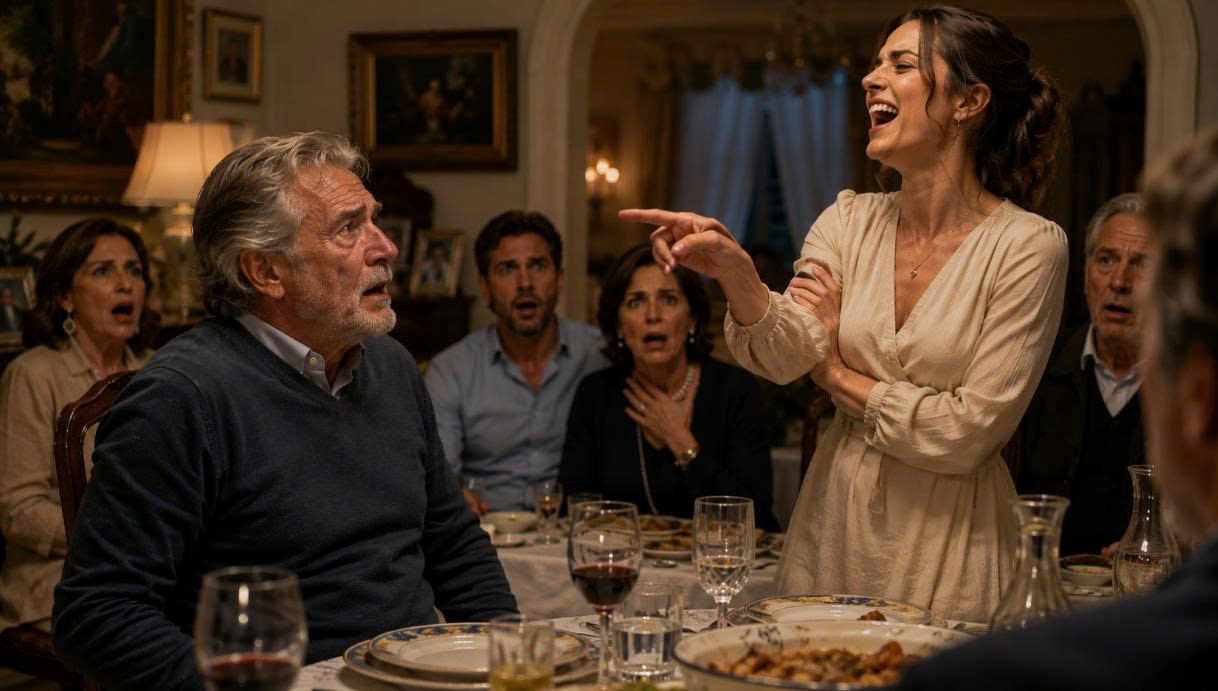
Bianca scese dalle scale alle sette e mezza. Era vestita elegantemente. Aveva quel tipo di sicurezza che nasce quando una persona è abituata ad attirare attenzione. Si sedette. La cena iniziò bene. Parlammo dell’università. Carla raccontò vecchi episodi. Pietro fece ridere tutti con una storia della caserma. Andrea versava vino e sorrideva. Sembrava una serata perfetta. Una di quelle serate che speri di ricordare per anni. Poi Bianca si alzò. Prese il bicchiere. «Vorrei fare un brindisi.» Tutti si fermarono. Lei guardò sua madre. Sorrise. Ma quel sorriso non arrivava agli occhi. «Vorrei brindare a mamma.» Disse. «A finalmente aver trovato un uomo che può permettersi di pagare le sue bollette senza problemi.» La stanza si congelò. Sentii il rumore del forno in cucina. Il ticchettio del metallo caldo. Nessuno parlò. Guardai Bianca. Pensavo fosse una battuta. Non lo era. «Bianca.» Dissi con calma. «Non è una cosa da dire a tavola.» Lei inclinò la testa. «Perché? Sto solo dicendo la verità.» Il mio stomaco si strinse. «Non sai cosa stai dicendo.» Lei appoggiò il bicchiere. E poi arrivò la frase che cambiò tutto. «Tu non sei mio padre.» Silenzio. «Quindi non comportarti come se lo fossi.» Guardai Diana. Aspettavo qualcosa. Una difesa. Una spiegazione. Qualsiasi cosa. Ma lei rimase ferma. Poi disse: «Riccardo.» La sua voce era fredda. «Non correggerla.» Rimasi immobile. «Come?» «Bianca ha ragione.» La guardai. «Lei non è tua figlia.» Quelle parole fecero più male di quanto avrei immaginato. Non perché fossero vere. Io lo sapevo. Bianca non era biologicamente mia figlia. Ma perché capii il significato nascosto. Per loro… io ero solo qualcuno che pagava.
Guardai Andrea. Mio figlio. Era seduto con il bicchiere in mano. Non sembrava sorpreso. Non sembrava ferito. Sembrava aspettare. Come se quella scena fosse stata preparata. E in quel momento il mio istinto da vigile del fuoco si accese. Per trent’anni avevo imparato a riconoscere quando un incendio non era casuale. Quando una fiamma aveva un’origine. Quando qualcosa era stato preparato. Mi alzai lentamente. Presi il tovagliolo. «Ho bisogno di aria.» Uscii dalla porta sul retro. L’aria fredda della sera mi colpì il viso. Appoggiai le mani sulla ringhiera della veranda. Il legno era ruvido sotto le dita. Quella ringhiera l’avevo sistemata io. Come quasi tutto in quella casa. Poi guardai il vialetto. E vidi qualcosa. Tre macchine. La mia. Il camioncino di Andrea. E due auto che non conoscevo. Parcheggiate una accanto all’altra. Con il muso rivolto verso la strada. Pronte a partire. Il mio cuore iniziò a battere più lentamente. Non per paura. Per concentrazione. Un vigile del fuoco impara una cosa: prima di entrare in un edificio, osserva. Non correre. Non reagire. Osserva. Qualcosa non tornava.
Rientrai. Finimmo la cena. Finsi. Sorrisi quando serviva. Risposi quando qualcuno faceva una domanda. Ma dentro di me qualcosa era cambiato. Non ero arrabbiato. Non ancora. Ero lucido. Come pochi secondi prima di aprire una porta dietro cui potrebbe esserci il fuoco. La mattina dopo Diana uscì presto. Disse che avrebbe pranzato con Bianca. Andrea aveva già lasciato la casa. Io rimasi solo. Andai nel mio ufficio. La stanza dove avevo conservato trent’anni di documenti. Ricordi. Fotografie. Aprii il vecchio archivio. E iniziai a controllare. Non perché volessi accusare qualcuno. Perché avevo imparato che le sensazioni possono sbagliare. I numeri no. Trovai il primo problema negli estratti conto. Piccoli trasferimenti. All’inizio sembravano insignificanti. Ottocento euro. Mille. Duemila. Poi iniziarono a crescere. Sempre verso la stessa società. AB Property Solutions. Il nome di Andrea. Rimasi fermo davanti allo schermo. Poi presi un foglio. Scrissi. Prestito dato ad Andrea: 35.000 euro. Mai restituito. Trasferimenti negli ultimi mesi: oltre 28.000 euro. Totale: più di 60.000 euro. Ma il denaro non era la cosa che mi fece più male. Era il tempismo. Ogni trasferimento coincideva con conversazioni private. Quando parlavo della mia pensione. Quando nominavo la casa. Quando dicevo che volevo sistemare il giardino. Qualcuno ascoltava. Qualcuno prendeva nota.
Poi sentii un rumore. Una porta. Qualcuno era in casa. Chiusi rapidamente il computer. Aspettai. Passi. La cucina. Il frigorifero. Poi silenzio. Uscii lentamente. Era Bianca. Mi guardò. «Pensavo fossi fuori.» «No.» Silenzio. Lei indicò il mio ufficio. «Che facevi lì dentro?» «Documenti.» Lei mi osservò. Troppo a lungo. Poi disse: «Mia madre dice che ultimamente sei stressato.» Rimasi fermo. «Stressato?» «Sì.» Abbassò lo sguardo. «Dice che dimentichi delle cose.» Quelle parole mi colpirono. Perché non erano dette per caso. Erano una storia. Una storia che qualcuno stava costruendo. Una storia in cui io ero il vecchio confuso. Presi il telefono. Chiamai Pietro. Rispose subito. «Dimmi.» «Ho bisogno di vederti.» Pausa. «È successo qualcosa.» Non era una domanda. Era una certezza. «Sì.» Dissi. «Credo che qualcuno stia cercando di portarmi via la mia vita.»
Il giorno dopo ci incontrammo al bar di Flemington. Pietro era già seduto. Aveva due caffè sul tavolo. Uno per me. Come sempre. Gli diedi i documenti. Lui lesse tutto senza parlare. Poi alzò lo sguardo. «Riccardo.» «Sì?» «Non voglio dirti una cosa che farà male.» «Dimmi comunque.» Fece un respiro. «Alla cena… Ho visto Andrea guardare Diana prima del brindisi.» Il mio corpo si irrigidì. «Cosa?» «Un secondo. Ma l’ho visto.» Abbassò la voce. «Era come se aspettassero quel momento.» Poi Pietro tirò fuori un biglietto. Lo mise davanti a me. Uno studio legale. «Cos’è?» «Un’avvocata. Quando ho capito che qualcosa non andava, ho fatto qualche ricerca.» Lo guardai. «Pietro…» «Non discutere.» Disse. «Avresti fatto lo stesso per me.» Presi il biglietto. E per la prima volta da giorni… sentii qualcosa oltre alla rabbia. Speranza. Perché forse non ero solo. Ma quello che ancora non sapevo… era che il piano contro di me era molto più grande di semplici soldi. Andrea e Diana non volevano solo il mio conto. Volevano il controllo della mia casa. Della mia pensione. Della mia vita. E presto avrei scoperto che mia moglie aveva nascosto un segreto che avrebbe cambiato completamente il gioco.
———-
**PARTE 2 – La verità che mia moglie aveva nascosto per proteggermi**
Il biglietto dell’avvocata rimase sulla mia scrivania per quasi un’ora. Lo guardavo. Lo prendevo. Lo rimettevo al suo posto. Non perché non volessi agire. Ma perché una parte di me continuava a cercare una spiegazione diversa. Una spiegazione che non facesse così male. Perché una cosa è scoprire che qualcuno vuole i tuoi soldi. Un’altra è accettare che quelle persone siano tuo figlio e la donna che hai sposato.
Lo studio legale si chiamava Studio Ferri & Associati. L’avvocata si chiamava Marta Ferri. Aveva circa cinquant’anni. Capelli scuri raccolti. Occhi attenti. Il tipo di persona che ascolta ogni parola prima di decidere cosa pensare. Quando entrai nel suo ufficio, non mi fece domande inutili. Guardò i documenti. Gli estratti conto. I trasferimenti. Le informazioni sulla società di Andrea. Poi mi guardò. «Signor Bianchi.» «Sì?» «Quello che vede qui non è ancora una prova definitiva di un crimine.» Annuii. «Ma?» «Ma è un modello.» Prese una penna. E iniziò a indicare le date. «Trasferimenti frequenti. Società senza attività chiare. Pressione psicologica. E ora un tentativo di modificare la struttura dei suoi beni.» Alzò gli occhi. «Qualcuno sta preparando qualcosa.» «Cosa vogliono fare?» Chiesi. Marta rimase in silenzio per qualche secondo. Poi rispose: «Dipende da quanto sono avanti.» Aprì un altro documento. «Ha mai firmato una procura finanziaria?» «No.» «Un documento medico che permette a qualcuno di gestire le sue decisioni?» «No.» Lei annuì lentamente. «Bene. Perché il prossimo passo potrebbe essere quello.» Sentii un brivido. «Cosa significa?» «Significa convincere altre persone che lei non è più completamente capace di gestire i suoi affari. Creare dubbi. Far sembrare che abbiano bisogno di proteggerla.» Quelle parole mi riportarono alla conversazione con Bianca. «Mia madre dice che dimentichi delle cose.» Non era una frase casuale. Era una preparazione.
Quando tornai a casa, iniziai a osservare tutto diversamente. Non con paranoia. Con attenzione. Come avevo fatto per trent’anni nei vigili del fuoco. Prima di entrare in una casa in fiamme non correvi dentro. Guardavi. Cercavi il punto più pericoloso. Capivi dove sarebbe potuto crollare il soffitto. La stessa cosa stavo facendo ora. Solo che l’incendio era dentro la mia famiglia. Nei giorni successivi iniziai a notare piccoli dettagli. Diana faceva domande. Sempre domande apparentemente innocenti. «Hai già sistemato il testamento?» «Pensi mai a cosa succederebbe se avessi bisogno di aiuto?» «Non sarebbe più semplice avere qualcuno che gestisce alcune cose?» Ogni domanda sembrava normale. Separata dalle altre. Ma insieme raccontavano una storia.
Poi arrivò la telefonata di Tom. Un vicino. Un uomo che conoscevo da anni. «Riccardo.» La sua voce era esitante. «Posso chiederti una cosa?» «Certo.» «Stai bene?» La domanda mi sorprese. «Sì.» «Perché Andrea mi ha detto che ultimamente eri un po’ confuso.» Silenzio. «Confuso?» «Sì. Ha detto che sei sotto stress. Che forse dovresti avere qualcuno che ti aiuta.» Sentii il sangue salire lentamente. Ma mantenni la calma. «Grazie per avermelo detto.» «Riccardo…» «Sì?» «Non gli ho creduto.» Quelle parole significarono più di quanto lui immaginasse. Quella sera chiamai Marta. «È iniziato.» Le raccontai tutto. Lei rimase in silenzio. «Si chiama campagna di isolamento.» Disse. «Prima distruggono la reputazione. Poi convincono gli altri che la persona non è più affidabile. Poi arrivano con la soluzione. E spesso la soluzione è proprio chi sta creando il problema.» Chiusi gli occhi. Era un piano. Non un litigio familiare. Un piano.
Ma la vera svolta arrivò una settimana dopo. Era un martedì pomeriggio. Stavo sistemando alcune fotografie nel garage quando vidi Diana entrare. Aveva in mano una scatola. «Cosa fai?» Chiesi. Lei si fermò. Per un secondo sembrò sorpresa. Poi sorrise. «Sto cercando alcune vecchie cose.» «Di cosa?» «Niente di importante.» Ma il suo volto diceva il contrario. Quando uscì, aspettai dieci minuti. Poi controllai la telecamera che avevo installato nel garage. Guardai il filmato. E vidi qualcosa. Diana aveva preso una vecchia fotografia. Una fotografia che Dorothy aveva conservato per anni. Era un articolo di giornale. Un salvataggio. Io in uniforme da vigile del fuoco. E tra le mie braccia una bambina. Aveva quattro anni. L’avevo tirata fuori da una casa in fiamme. Non avevo mai saputo cosa fosse successo dopo. Guardai il momento esatto in cui Diana prese la foto. Il suo volto cambiò. Riconobbe qualcosa. Non era sorpresa. Era paura. La sera stessa chiamai Marta. «Ha visto una fotografia.» «Quale fotografia?» Le spiegai. Ci fu silenzio. «Riccardo.» «Sì?» «Chi era quella bambina?» «Non lo so.» «Scoprilo.»
Il giorno dopo successe qualcosa che non mi aspettavo. Bianca mi chiamò. La sua voce era diversa. Non arrogante. Non fredda. Solo stanca. «Riccardo?» «Sì.» «Possiamo parlare?» Accettai. Ci incontrammo in un piccolo bar. Lei arrivò senza trucco. Sembrava più giovane. Più fragile. Si sedette davanti a me. «Ho trovato una cosa.» Tirò fuori una cartellina. La mise sul tavolo. «Era nella scrivania di mia madre.» Il mio cuore accelerò. «Cos’è?» «Un contratto.» Aprì il fascicolo. E in quel momento capii. Era un accordo. Tra Diana e Andrea. Datato mesi prima del nostro matrimonio. C’era scritto che dopo il trasferimento dei beni… il ricavato sarebbe stato diviso. Cinquantacinque per cento ad Andrea. Quarantacinque per cento a Diana. Rimasi immobile. «Perché me lo dai?» Bianca abbassò lo sguardo. «Perché ho capito.» «Cosa?» «Che non eri il problema.» Pausa. «Ero io che volevo crederlo.» Poi fece una cosa che non mi aspettavo. Pianse. «Alla cena…» La sua voce tremava. «Quando ho detto quelle cose… Volevo ferirti. Pensavo fossi un uomo che aveva preso il posto di mio padre.» La guardai. «Ma?» «Ma poi ho avuto bisogno di qualcuno.» Inspirò profondamente. «Eri l’unico che ha risposto.» Silenzio. «Quando sono stata male all’università, ho chiamato mia madre. Nessuna risposta. Ho chiamato mio padre. Nessuna risposta. Ho chiamato te.» Mi guardò. «E tu sei arrivato.» In quel momento capii qualcosa. Bianca non era il nemico. Era una persona manipolata. Come forse lo ero stato anche io. «C’è altro?» Chiesi. Lei annuì. «Il documento più importante.» Prese un’altra pagina. «Una procura.» La firma non c’era ancora. Ma era pronta. Il documento avrebbe dato ad Andrea il controllo delle mie decisioni finanziarie. Marta aveva ragione. Quello era il loro prossimo passo.
Il giorno dopo chiamai Marta. Portai tutto. Lei lesse. Poi disse una frase semplice. «Adesso abbiamo qualcosa.» «Cosa?» «Intento. Prima avevamo sospetti. Ora abbiamo un piano scritto.» Ma non volevo denunciarli subito. Non ancora. Volevo sapere fino a dove sarebbero arrivati. Perché una cosa avevo imparato in trent’anni di servizio: quando una persona pensa di aver vinto… commette gli errori peggiori. La settimana successiva Andrea venne a casa. Era nervoso. Molto più del solito. «Papà.» Disse. «Dobbiamo parlare.» Mi sedetti. Lui tirò fuori una cartellina. La stessa scena. Un’altra volta. Solo che ora conoscevo il finale. «È una soluzione per il tuo futuro.» Disse. «Ti protegge.» Guardai i documenti. «Protegge chi?» Lui rimase fermo. «Cosa?» «Chi protegge davvero questo documento?» Silenzio. Per un attimo vidi il ragazzo che avevo cresciuto. Il bambino della caserma. Quello che mi aspettava fuori dal turno. Poi sparì. «Papà…» La sua voce cambiò. «Non rendere tutto difficile.» Quelle parole fecero più male di qualsiasi insulto. Perché non era più una richiesta. Era un avvertimento. Lo guardai. «Vai via.» Lui rimase sorpreso. «Cosa?» «Vai via da casa mia.» Per la prima volta in vita sua… mio figlio sembrò non sapere cosa dire. Prese la cartellina. Si alzò. Prima di uscire si fermò. «Ti pentirai di non esserti fidato di me.» Lo guardai. «No.» Pausa. «Mi pento solo di averlo fatto troppo a lungo.»
Quattro giorni dopo sarebbe arrivata la cena della caserma. La sera in cui Andrea pensava di potermi distruggere davanti a tutti. La sera in cui voleva dimostrare che ero un vecchio confuso. Ma lui non sapeva una cosa. Io non ero più solo. Avevo: le prove. Un’avvocata. Un vecchio compagno disposto a stare al mio fianco. E una ragazza che aveva finalmente scelto la verità. Quella sera non sarei andato lì per difendermi. Sarei andato lì per ricordare a tutti chi ero davvero.
—
La notte in cui mio figlio perse tutto e io ritrovai me stesso
La sala della caserma era piena. Più piena di quanto immaginassi. Volti conosciuti. Uomini con cui avevo combattuto contro il fuoco. Persone che avevano visto le mie mani tremare dopo una chiamata difficile. Persone che sapevano chi ero prima ancora che qualcuno provasse a raccontare loro il contrario. Ma quella sera non ero lì per ricevere un premio. Non ero lì per dimostrare niente. Ero lì perché qualcuno aveva cercato di cancellare la mia voce. E io avevo deciso che non sarebbe successo.
Quando salii sul palco, sentii il peso del badge nella tasca della camicia. Il numero 247. Trentaquattro anni di servizio. Trentaquattro anni in cui avevo corso verso il pericolo mentre gli altri correvano nella direzione opposta. Lo toccai con due dita. Un gesto piccolo. Ma per me significava tutto. Presi il microfono. La sala si fece silenziosa. «Per molti anni ho pensato che il momento più difficile della mia vita fosse entrare in una casa in fiamme.» Qualcuno sorrise. «Mi sbagliavo.» Guardai davanti a me. «Il momento più difficile è quando scopri che il fuoco non è sempre fuori dalla porta.» Pausa. «A volte è seduto accanto a te.» Non guardai subito Andrea. Non volevo che le mie parole fossero una vendetta. Volevo che fossero una verità. «Negli ultimi mesi alcune persone hanno cercato di convincere chi mi conosce che non sono più capace di decidere per me stesso. Che sono confuso. Che forse qualcuno dovrebbe prendere il controllo della mia vita.» Mi fermai. «Quindi questa sera voglio fare una cosa semplice. Voglio ricordare a tutti chi sono.»
Poi raccontai i fatti. Non emozioni. Non accuse. Fatti. I trasferimenti. La società di Andrea. I documenti. Il tentativo di modifica dei miei conti. La procura preparata senza che io ne sapessi nulla. Ogni parola era precisa. Ogni frase aveva una prova. Perché avevo imparato una cosa dopo una vita passata negli incendi: la rabbia crea fumo. La verità lascia tracce. Andrea si alzò. «Papà…» La sua voce era controllata. Troppo controllata. «Questa non è la sede giusta per parlare di problemi familiari.» La stanza si voltò verso di lui. Era esattamente ciò che voleva. Portare tutti a pensare che fossi emotivo. Confuso. Un padre anziano ferito. Ma prima che potesse continuare… una voce arrivò dal fondo della sala. «Posso dire una cosa?» Era il capo Dennis Holt. Tutti si voltarono. Dennis non era un uomo che cercava attenzione. Se parlava… era perché aveva qualcosa da dire. Si alzò lentamente. «Tre giorni fa ho ricevuto una telefonata.» Guardò Andrea. «Da lui.» Il silenzio diventò assoluto. Andrea rimase fermo. Dennis tirò fuori il telefono. «Ha detto che Riccardo era sotto stress. Che stava perdendo lucidità. Che forse non avrebbe dovuto parlare questa sera.» Poi fece una pausa. «Ha detto che avrebbe potuto mettersi in imbarazzo.» Nessuno respirava. Dennis fece partire la registrazione. La voce di Andrea riempì la sala. Calma. Educata. Preoccupata. Falsa. «Credo che mio padre non sia più quello di prima…» Dopo pochi secondi fermò l’audio. Non serviva altro. Le persone avevano già capito. Andrea guardava il pavimento. Per la prima volta da settimane non aveva una risposta. Nessuna strategia. Nessuna frase pronta. Solo la realtà.
Poi successe qualcosa che nessuno si aspettava. Una sedia si spostò in fondo alla sala. Bianca si alzò. La ragazza che poche settimane prima mi aveva umiliato davanti a tutti. La ragazza che aveva detto: «Tu non sei mio padre.» Camminò lentamente verso il palco. Aveva gli occhi lucidi. Ma non sembrava più la stessa persona. «Devo dire una cosa.» La sua voce tremava. Guardò tutti. Poi guardò me. «Per molto tempo ho pensato che Riccardo fosse il problema.» Silenzio. «Pensavo fosse un uomo che cercava di sostituire mio padre.» Abbassò lo sguardo. «Mi sbagliavo.» Raccontò quella notte all’università. L’attacco allergico. La paura. La telefonata. «Mia madre non ha risposto.» Pausa. «Mio padre nemmeno.» Le sue mani tremavano. «Riccardo sì.» Guardò me. «È arrivato alle due del mattino. È rimasto quattro ore in ospedale. Ha pagato senza dirmi niente.» Silenzio. «Io il giorno dopo non l’ho nemmeno ringraziato.» Una lacrima scese sul suo volto. «E poi ho avuto il coraggio di dirgli che era solo una pensione.» Diana abbassò lo sguardo. Per la prima volta sembrava veramente distrutta. Non per essere stata scoperta. Perché aveva capito cosa aveva perso. Bianca continuò. «Ho trovato i documenti. Il contratto. Gli accordi. Tutto.» Guardò sua madre. «E ho capito che non ero una figlia. Ero una parte del piano.» Quelle parole fecero più male di qualsiasi altra cosa. Perché erano vere.
Dopo quella sera tutto cambiò. L’indagine iniziò. Marta Ferri consegnò ogni documento. Le banche controllarono i trasferimenti. La società di Andrea venne analizzata. Molti dei soldi erano spariti. Ma non tutto. Perché Dorothy aveva pensato a tutto. Il trust della casa. La protezione dei beni. La firma di Carla come co-amministratrice. Mia moglie aveva preparato una strada per salvarmi… anche quando non era più qui. Andrea venne davanti a me una settimana dopo. Non aveva più la sicurezza di prima. Niente sorriso. Niente parole preparate. Solo un uomo stanco. «Papà.» Lo guardai. Per la prima volta da molto tempo vidi mio figlio. Non l’uomo che aveva cercato di fregarmi. Il bambino che aspettavo fuori dalla caserma. «Mi dispiace.» Disse. Quelle parole arrivarono tardi. Molto tardi. «Perché lo hai fatto?» Chiesi. Lui rimase in silenzio. Poi rispose: «Perché avevo paura.» Una risposta semplice. Ma vera. «Ho perso tutto. E invece di chiederti aiuto…» Scosse la testa. «Ho pensato a come prendere quello che avevi.» Abbassò gli occhi. «Mi sono convinto che fosse giusto.» Lo guardai a lungo. Perché quello era il momento più difficile. Non affrontare un nemico. Perdonare un figlio. «Ti ho sempre aiutato.» Dissi. «Avresti dovuto venire da me.» Lui annuì. «Lo so. Ma hai scelto la strada più facile.» Silenzio. «E ora devi vivere con quella scelta.» Non lo cancellai dalla mia vita. Ma nemmeno finsi che nulla fosse successo. Ci sono ferite che guariscono. Ma lasciano cicatrici. E alcune cicatrici servono a ricordarti dove non devi più permettere a qualcuno di colpirti.
Diana invece fece una cosa che non mi aspettavo. Una sera venne da me. Senza scuse. Senza tentare di giustificarsi. Solo verità. «Ti ho sposato perché eri una brava persona.» Disse. «Ma poi ho lasciato che la paura e l’avidità diventassero più forti.» Rimase in silenzio. «Non merito che tu dimentichi.» Aveva ragione. «Ma spero che un giorno tu possa ricordare anche chi ero prima di questo.» La guardai. «Lo farò.» Pausa. «Ma non posso tornare indietro.» Lei annuì. Un anno dopo ero di nuovo alla caserma. La stessa sala. Lo stesso palco. Questa volta però non c’era dolore. C’era pace. Mi consegnarono finalmente il riconoscimento che avevano rimandato. Badge 247. Una vita di servizio. Quando presi il microfono, non parlai di tradimenti. Non parlai di Andrea. Non parlai di Diana. Parlai di Dorothy. «Lei mi ha insegnato una cosa.» Dissi. «Essere buoni non significa permettere agli altri di ferirci. Significa scegliere di restare buoni anche dopo essere stati feriti.»
Oggi ho sessantotto anni. Continuo a cucinare. Continuo a curare il giardino. Continuo a sedermi davanti alla finestra ogni mattina con il mio caffè. La casa è la stessa. Ma io sono diverso. Ho imparato che l’amore senza confini può diventare un invito per le persone sbagliate. Ho imparato che perdonare non significa dimenticare. E soprattutto… ho imparato che il tuo valore non diminuisce solo perché qualcuno decide di non vederlo. Bianca oggi mi chiama ancora. Non «papà». Non ho mai chiesto quello. Ma mi chiama. Mi chiede consigli. Mi racconta della sua vita. E un giorno, forse, costruiremo qualcosa che assomigli a una famiglia. Non perché dobbiamo. Perché scegliamo. Quanto ad Andrea… non so cosa succederà. Forse un giorno troverà il coraggio di ricostruire. Forse no. Ma una cosa so. Quella notte alla cena non ho perso mio figlio. Ho perso l’illusione dell’uomo che pensavo fosse. E a volte perdere un’illusione è il primo passo per trovare la verità. Per tutta la vita ho aperto porte dietro cui c’era il fuoco. Quella volta la porta era diversa. Era dentro casa mia. Ma ho fatto la stessa cosa. Ho guardato. Ho affrontato. E sono uscito dall’altra parte. Non perché non mi abbia fatto male. Ma perché ho capito una cosa: il fuoco può distruggere una casa. Ma la verità può ricostruire una vita.
Se questa storia ti ha emozionato, condividila con qualcuno che ha bisogno di ricordare che essere una persona buona non significa essere una persona debole. A volte il gesto più coraggioso non è combattere contro gli altri… è scegliere di rispettare finalmente se stessi.