Teil 2
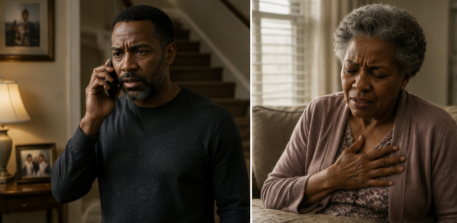
Donnerstagmorgen wachte ich vor dem Wecker auf. Eve lag neben mir und atmete ruhig, vollkommen unbeeindruckt. Ich stand auf, machte Kaffee mit der lauten Maschine und fühlte keine Schuld. Sie hatte Dinner über den tauben Arm meiner Mutter gestellt.
Als sie herunterkam, fragte sie, wie es Rebecca gehe. Rebecca. Nicht Mom. Nicht deine Mutter.
„Stabil. Mildes kardiales Ereignis. Sie behalten sie noch einen Tag.“
Ich fragte nach dem Dinner. „Es war in Ordnung. Der Mittwoch war für mich kompliziert.“
Ich sah sie an. „Kompliziert? Deiner Schwiegermutter hat das Herz gewarnt, und du warst in einem Restaurant – und das Wort, nach dem du greifst, ist kompliziert?“
„Eve.“
Sie blieb stehen. „Ich mache das gerade nicht.“
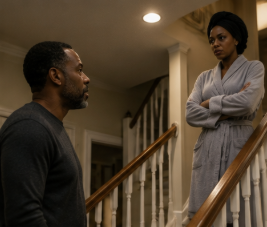
Ich nahm Jacke und Schlüssel. „Wohin gehst du?“ „Zu meiner Mutter.“
Clinton fuhr mich wieder. „Manche Menschen erscheinen. Schreib auf, wer sie sind.“
Meine Mutter saß aufrecht im Bett, Kreuzworträtsel auf dem Schoß. „Sieben Buchstaben. Verrat.“ Sie sah mich über die Brille an. „Fürs Kreuzworträtsel, Wesley.“
Ich lachte. Wir saßen eine Weile still.
Dann legte sie das Buch beiseite. „Ich möchte heute Morgen Paul Logan anrufen.“
Der Anwalt, der den Nachlass meines Vaters geregelt und vor sechs Jahren ihr Testament aufgesetzt hatte.
Ich sagte, sie müsse jetzt nichts tun. Sie sagte meinen vollen Namen. Ich machte den Mund zu.
Sie habe die ganze Nacht nachgedacht. Sie und mein Vater hätten ihr Leben gearbeitet, damit das, was sie aufbauten, an Menschen gehe, die erscheinen.
„An Menschen, die erscheinen, Wesley.“
Nicht bei der Beerdigung meines Vaters. Nicht nach der Hüft-OP. Nicht an Weihnachten vor zwei Jahren. Nicht gestern, als ihr Herz versagte.
„Sie ist zum Dinner gegangen.“
„Ich bin nicht wütend“, sagte sie ruhig. „Ich bin einfach genau.“
Sie wählte um 9:22. Ihre Stimme hatte Würde. Sie brauche, ihre Dokumente zu aktualisieren. Speziell das Testament. Sehr konkrete Änderungen. Er könne um 14 Uhr da sein. Ihr Sohn werde anwesend sein.
Sie legte auf und griff wieder zum Rätsel. Ich sagte, sie müsse das nicht für mich tun. „Ich tue es nicht für dich, Wesley. Ich tue es, weil ich mir das Recht verdient habe zu entscheiden, wohin die Arbeit meines Lebens geht. Und ich habe entschieden.“
Paul Logan kam um 13:58. Das Gespräch dauerte 47 Minuten. Ich saß in der Ecke als Zeuge.
Als er den Stift zuklickte, war das Dokument, auf das Eve elf Jahre gebaut hatte, unwiderruflich umgeschrieben.
Das Haus in der Maplewood Drive – Wesley. Die Anlagekonten – Wesley. Der Schmuck, die Möbel, der 1967er Mustang, den mein Vater mit eigenen Händen restauriert hatte – Wesley. 20.000 Dollar für das Tierheim, in dem sie elf Jahre ehrenamtlich gearbeitet hatte.
Eves Name kam nicht ein einziges Mal vor.
Logan sagte leise, sie sei eine der schärfsten Personen, die er in 31 Jahren getroffen habe. „Ja. Ich weiß. Ich habe es immer gewusst.“
Freitagmorgen holte ich sie ab. Sie stand aus dem Rollstuhl auf, sobald die Türen aufgingen. „Ich hatte ein kardiales Ereignis, keinen Persönlichkeitsverlust.“
Ich brachte sie nach Maplewood Drive. Das weiße Haus mit den grünen Fensterläden. Die Fußmatte sagte „Home“. An diesem Morgen sah ich sie.
Ich machte Tee – Kamille, genau vier Minuten. Sie bat mich, mich zu setzen, und legte beide Hände über meine.
„Ich brauche, dass du mir zuhörst.“ „Ich höre, Mom.“
Sie habe nicht getan, was sie getan habe, um Eve zu bestrafen. „Dein Vater und ich haben etwas gemeinsam aufgebaut. Und es gehört zu jemandem, der versteht, was das bedeutet.“
Sie drückte meine Hand. „Und Wesley – ich brauche, dass du über dein Leben nachdenkst. Nicht über das Geld. Darüber, ob du glücklich bist. Darüber, ob du so geliebt wirst, wie du es verdienst. Denn du erscheinst schon sehr lange allein. Und ein Mann, der so erscheint wie du, verdient jemanden, der neben ihm steht.“
Die Küche war still. „Ja“, sagte ich leise und ehrlich. „Ich weiß, Mom.“
Sie nickte. „Wirst du das Telefon jetzt beantworten?“
Anruf 29 von Eve. Ich drehte das Telefon um und ließ es vibrieren, bis es aufhörte. „Noch nicht.“
Ich fuhr nach Hause. 34 verpasste Anrufe. Eve saß auf der Couch, die Augen roh. Sie hatte Paul Logans Büro angerufen. Sie wusste es.
Ich hängte die Schlüssel an den Haken und sagte klar, ohne die Stimme zu erheben:
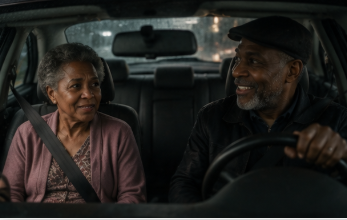
„Rebecca hat ihre Entscheidung getroffen. Genauso, wie du deine getroffen hast – klar, absichtlich und ohne jemanden um Erlaubnis zu fragen. Sie hat 82 Jahre lang für jeden Menschen, den sie geliebt hat, erschienen. Sie hat nie einmal Dinner über jemanden gestellt, der sie brauchte. Sie hat nur aufgehört zu erwarten, dass alle anderen dasselbe tun.“
Eve sah mich an – wirklich an. Ich sah, wie sie begriff, was sie verloren hatte. Nicht das Erbe. Mich.
Der Mann vor ihr war nicht mehr der, der am Mittwoch noch gehofft hatte, sie würde Ja sagen. Dieser Mann war weg.
Ihr Telefon vibrierte. Der Name meiner Mutter stand auf dem Display. Ich hielt ihren Blick eine Sekunde und spürte, wie der letzte Faden leise nachgab – nicht mit Wut, sondern mit Loslassen.
„Ich gehe nach meiner Mutter sehen.“ Dann drehte ich mich um. „Du solltest das wahrscheinlich annehmen.“
v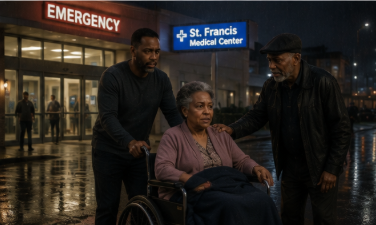
Ich schloss die Tür. Die Januarluft war kalt und ehrlich. Ich atmete aus, von irgendwo tiefer, als ich gewusst hatte.
Ich war elf Jahre lang nicht verheiratet gewesen. Ich hatte elf Jahre lang ausgehalten.
Das Krankenhaus hatte mir nichts Neues gezeigt. Es hatte alles verbrannt, was ich so getan hatte, als existiere es nicht, und mir gezeigt, was die ganze Zeit dort gewachsen war.
Ich ging zum Truck, startete den Motor und ließ das Radio laufen – etwas Altes, das mein Vater in der Garage gesummt hatte.
In dieser Nacht traf ich nur eine Entscheidung. Nur eine. Ich ging nicht mehr hinein.
Ein Mann, der erscheint, verdient jemanden, der neben ihm steht, wenn er es tut. Sie hatte recht. Sie hatte immer recht. Sie war Rebecca Watson – und sie hatte mir mein ganzes Leben lang die Wahrheit gesagt.