“Du var inte inbjuden till den här delen. ”
Jag stod utanför brutsviten på Hartwell State, klädd i den grå kostymen som Grace hade hjälpt mig att välja ut i mars. Hon hade rättat till min slips framför spegeln och sagt att jag skulle göra henne generad för att jag såg för bra ut. Det bar jag med mig när jag knackade på.
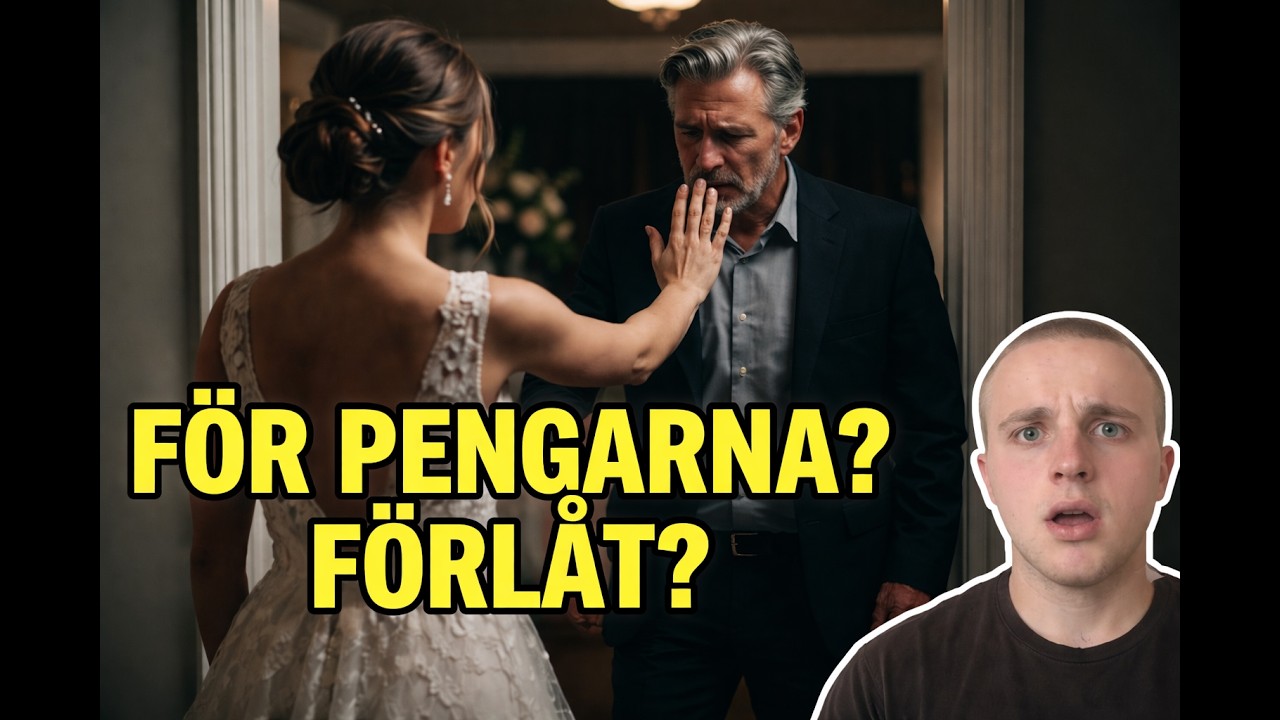
Dörren öppnades. Där stod hon i sin elfenbensvita klänning, axelbandslös, precis en sådan som hon visat mig bilder på i månader. Hon var otroligt vacker, slående lik sin mamma. Och sedan stängdes hennes ansiktsuttryck.
Inte dramatiskt. Som ett fönster som försiktigt dras igen inifrån. “Hej älskling”, sa jag och log. “Du var inte inbjuden till den här delen.
”
Jag skrattade till. “Grace, vad är det med dig? ”
“Jag är ledsen, men du var inte inbjuden. Gå härifrån.
”
Det lät precis som när man pratar med en främling. Jag stod kvar i fyra sekunder och räknade dem. Hon vet. Hon måste veta.
“Okej”, sa jag. Det var allt. Jag vände om, gick tillbaka längs stigen med murgröna, satte mig i pickupen och blev sittande på parkeringsplatsen vid stället jag själv betalat för. De flesta män hade ringt, skickat sms, ställt till med en scen.
Men jag är inte som de flesta män. Jag öppnade bankappen och avbröt varenda utbetalning kopplad till bröllopet. Lokalen, cateringfirman, floristen, fotografen. Sjuttioett tusen dollar försvann på ungefär nio minuter.
Jag kände mig inte mäktig. Jag kände mig som en man som fått bekräftat vad han redan anat: att det här aldrig handlat om pengar. Telefonen vibrerade. Ett nummer jag inte kände igen.
Sju ord: “Hon vet om Ritsville. Vi måste prata. ”
Jag läste raden tre gånger. Det hade börjat med småsaker veckorna innan.
Ett röstmeddelande från ett nummer jag inte kände igen. En granne som nämnt en grå sedan utanför mitt hus. Grace som ringde med konstiga frågor om sin mamma, om åren innan hon föddes, om en stad som hette Ritsville. Jag svarade inte.
Jag är en man som har saker i lådor som jag föredrar ska stanna där. Nu stod ordet framför mig på skärmen. Jag startade lastbilen och körde österut. Jag svängde in på en diner vid Route 9, Helers.
Spruckna vinylbås, kaffe som smakade både ambition och besvikelse. Jag satte mig längst bak med utsikt mot dörren, en vana jag skaffat mig för länge sedan, och skrev tillbaka. “Vem är du? ”
Svaret kom på under en minut.
“Någon som var där. ”
Sedan ännu ett meddelande. “Jag är på Helers Diner. Blå jacka.
Fönsterplats. ”
Jag tittade upp. Två rader bort satt en kvinna med kortklippt silverhår och en blå jacka. Hon tittade redan på mig med ett lugnt uttryck, som någon som repeterat det här ögonblicket många gånger.
Jag kände igen henne, inte direkt, men som man känner igen en låt från de första tre tonerna. Charlotte Petit. Jag tog mitt kaffe och satte mig mittemot henne utan att bli inbjuden. “Charlotte.
”
“Du ser äldre ut. ”
“Du ser ut som någon som har förföljt min dotter. ”
Hon ryggade inte. “Jag förföljde henne inte.
Hon hittade mig. ”
“Folk hittar inte bara en sådan där, Charlotte. Inte efter 23 år. ”
“Din dotter är inte bara folk.
”
Hon berättade att Grace anlitat en utredare från Columbus. Att hon letat i åtta månader, att utredaren hittat Charlotte på sex veckor. Medan Grace ringde mig varje söndag, skickade foton på bordsdekorationer, frågade om jag föredrog lax eller kyckling. Medan hon lät mig betala för allt hade hon byggt ett fall mot mig.
“Vad berättade du för henne? ”
“Inte allt. Inte än. Jag ville prata med dig först.
Du förtjänade åtminstone så mycket. ”
Ritsville sommaren 2001. Jag var 29, mellan jobb, utförde konsultuppdrag som tog mig genom småstäder i Ohio. Det var tänkt att bli ett stopp på två veckor.
Det blev fyra månader på grund av Charlotte. När hon berättade att hon var gravid fick jag panik. Jag stack. Jag intalade mig att hon skulle klara sig, att jag skulle höra av mig.
Det gjorde jag aldrig. “Vad hände, Charlotte? ”
“Det finns inget barn där ute. Om det är det du bävar för, så är det inte den hemligheten.
”
Jag släppte ut en andning jag inte insett att jag hållit inne. “Vad är då hemligheten? ”
“Hemligheten är att Grace vet att du stack. Hon vet att du var med någon, att något hände och att du flydde.
Hon har inte alla detaljer, men hon har tillräckligt. ”
Hon mötte min blick. “Hon ville veta vilken sorts man hennes pappa egentligen är. Om versionen av dig hon växte upp med är äkta eller bara en teater.
”
Kaffet framför mig hade kallnat. Tjugosex år av pannkakor på lördagsmorgnar, skjutsar till skolan, elva timmar tur och retur när hon opererade blindtarmen i en stad tre delstater bort. Och min dotter hade tittat på allt det där och undrat om något av det var på riktigt. “Hon gillrade en fälla för mig i morse.
”
“Ja. Hon ville se om du skulle kämpa. ”
“Och du avbröt betalningarna”, konstaterade Charlotte. Det fanns inget dömande i rösten.
“Jag gissar att det inte var det svar hon hoppades på. ”
“Jag ger inte föreställningar för att klara prov. ”
“Det vet jag. Men det gör inte hon.
Just nu sitter hon där borta och tror att hennes pappa precis bekräftat hennes värsta teori: att när det blir svårt, då hoppar Mason Foster in i sin pickup och kör iväg. ”
Telefonen började lysa på bordet. Tolv missade samtal. Ett från Sean.
Ett från Grace. “Jag måste åka tillbaka. ”
Charlotte nickade. “Det finns saker hon behöver höra från oss båda.
”
Jag körde in på Hartwell State igen vid elva. Parkeringen var spänd på det där sättet som bara uppstår när dyra planer håller på att falla samman. Bröllopskoordinatorn stod nära ingången med telefonen mot örat och uttrycket hos någon som mentalt uppdaterar sitt CV. Ingen stoppade mig när jag gick in.
Charlotte körde in bakom mig, men jag väntade inte på henne. Jag tryckte upp dörren till östra flygeln. Korridoren utanför brutsviten var tom. Tystnaden hos människor som väntar på att något ska gå sönder.
Jag knackade en gång. Dörren öppnades nästan omedelbart, som om någon stått och väntat. Det var inte Grace. Det var Sean.
Han såg på mig med ett uttryck jag inte förväntat mig. Inte ilska. Lättnad. “Mister Foster.
Tack gode Gud. ”
“Varför öppnar du dörren till brutsviten? ”
“För att Grace låste in sig på badrummet för tjugo minuter sedan och vägrar komma ut. Jag ringde dig för att jag inte visste vad jag annars skulle ta mig till.
”
Rummet var tömt. Brudtärnorna borta. Blommorna hade börjat sloka. Från badrummet hördes ingenting.
“Hur mycket vet du? ” frågade jag. “Tillräckligt. Hon berättade om utredaren för två månader sedan.
Om Ritsville. Jag sa till henne att hon borde prata med dig. Hon ville inte prata. Hon ville testa.
”
“Jag vet. ”
Jag gick fram till badrumsdörren och blev stående. Tjugosex år av att känna den här personen. Småbarnet som kallade spaghetti för spaghettipetti.
Tonåringen som grät i bilen efter sin första kärlekssorg. Den unga kvinnan som ringde mig klockan två på natten bara för att hon kände för att prata. Jag knackade två gånger. “Grace.
” Rösten lät stadigare än jag kände mig. “Jag kom tillbaka. ”
Tystnad. “Jag vet att det inte räcker.
Jag vet att den här morgonen såg ut precis som det värsta du tänkt om mig. Men jag tog med mig någon som du behöver träffa. Det är dags att vi slutar testa varandra och säger de faktiska orden högt. ”
En lång paus.
Sedan klicket av låset. Dörren öppnades. Där satt min dotter på kanten av badkaret i sin brudklänning, med mascara som hon försökt fixa utan att riktigt lyckas. Hon såg ut som någon som förberett sig för den här konversationen i åtta månader och som plötsligt inte var säker på om hon var redo.
Jag satte mig på toalettlocket mittemot henne. “Du anlitade någon”, sa jag. “Ja. ”
“Medan vi diskuterade bordsdekorationer.
”
Något fladdrade förbi i hennes ansikte. “Jag är inte arg, pappa. Jag vill bara förstå. Jag ville veta vad du letade efter med dina egna ord, inte genom en rapport.
”
Hon berättade om lådan. Mammas låda, den som stod högst upp i garderoben, den som jag alltid sagt bara innehöll gamla papper. Där fanns brev. Inte från mamma.
Från mig, till någon annan. Skrivna men aldrig skickade. Daterade 2001. Mamma hittade de där breven, tänkte jag.
Hon sparade dem och sa aldrig ett ord. “De var sorgliga, pappa”, sa Grace. “Fyllda av skuld. Och jag förstod inte varför.
Så jag började gräva. ”
“Varför frågade du inte bara mig? ”
Hon såg upp. “För att jag var rädd för vad du skulle säga.
Och testet i morse – jag behövde veta om du skulle kämpa. För mannen i de där breven var någon som lämnade något svårt bakom sig. Jag behövde veta om det fortfarande var du. ”
“Och när jag avbröt betalningarna?
”
Hennes röst sprack. “Jag trodde att jag fick mitt svar. ”
Jag lutade mig framåt. “Grace, jag avbröt betalningarna för att jag visste att något var på gång som jag inte förstod.
Det enda språket jag hade i den stunden sa: ingenting fortsätter förrän vi är ärliga. Det var inte jag som flydde. Det var jag som stannade klockan. ”
“Det är en väldigt fin gräns, pappa.
”
“Jag vet. Men jag kom tillbaka. ”
Jag gick till dörren och öppnade. Sean stod nära fönstret med händerna i fickorna, en ställning hos en man som vet när han ska hålla sig utanför.
Charlotte stod vid dörren i sin blå jacka, med tjugotre år av egna komplicerade känslor i ett rum som redan var fullt av sådana. Grace stannade till när hon såg henne. Rycket i hennes ögon avslöjade att hon kände igen henne från utredningen. “Det här är Charlotte Petit”, sa jag.
“Hon kommer från Ritsville. Och hon ska hjälpa mig att förklara något som jag borde ha förklarat för länge sedan. ”
Vi pratade i fyrtio minuter. Jag berättade om 2001, om Charlotte, om de fyra månaderna i en stad där jag inte hade något att göra, och om beslutet att lämna som jag aldrig riktigt förlåtit mig själv för.
Charlotte fyllde i de delar jag inte känt till. Hur hon till slut byggt upp sig själv igen, gått vidare, skapat ett liv som var genuint bra. “Jag är inte här för att ställa din pappa till svars”, sa Charlotte vid ett tillfälle och såg direkt på Grace. “Jag har slutit fred med det som hände för länge sedan.
Jag kom hit för att han förtjänade att berätta det för dig själv, med hela bilden. Inte den halva version som din utredare hittade. ”
Grace lyssnade utan att avbryta en enda gång. “Så hemligheten”, sa hon långsamt, “är att du gjorde ett misstag.
Att du var ung och rädd och att du flydde. Och att du har skämts för det sedan dess. ”
“Det är det mesta av det. ”
“Och mannen som gjorde det – tror du att det fortfarande är den du är?
”
“Nej. Men jag förstår varför du behövde kontrollera det. ”
Hennes ögon blev glansiga. Hon blinkade bort det.
“Jag är ledsen för det där med dörren i morse”, sa hon tyst. “Sättet jag sa det på. ”
“Jag är ledsen att det tog mig tjugotre år att förtjäna bättre än ett test. ”
Hon skrattade ett kort, äkta ljud.
Det första riktiga jag hört hela morgonen. Sean kom fram och lade en hand på hennes rygg. Jag noterade det. Bra man.
“Du avbröt betalningar på sjuttioett tusen dollar i morse”, sa Grace. “Det gjorde jag. ”
“Kan du avbryta dem? ”
Bröllopet blev två timmar och fjorton minuter försenat.
Koordinatorn åldrades synbart. Stråkkvartetten spelade samma tre stycken fyra gånger och var extremt professionella om saken. Sedan gick Grace nerför altargången med min arm i sin, i en klänning som var precis allt hon ritat på papper som liten flicka. Charlotte satt på tredje raden.
Hon grät lite. Jag frågade inte varför. Under mottagningen hittade Grace mig vid bordet. Hon satte sig, stal en brödbit från min tallrik, precis som hon gjort sedan hon var fyra år, och såg på mig från sidan.
“Pappa, nästa gång jag ger dig ett test –”
“Det kommer inte finnas någon nästa gång. Nästa gång du har en fråga om vem jag är, då frågar du mig rakt ut. Som en vuxen människa. ”
Hon var tyst en sekund.
“Okej. Deal. ”
Hon lutade sig fram och lade huvudet på min axel i exakt tre sekunder, precis som hon gjorde när hon var liten och världen var för högljudd. Sedan reste hon sig, slätade till klänningen och gick tillbaka till sin man.
Jag satt kvar i ett rum jag nästan bränt ner till grunden och tänkte att vissa saker är värda att komma tillbaka för. De flesta saker, faktiskt. Om man är modig nog att vända lastbilen.


