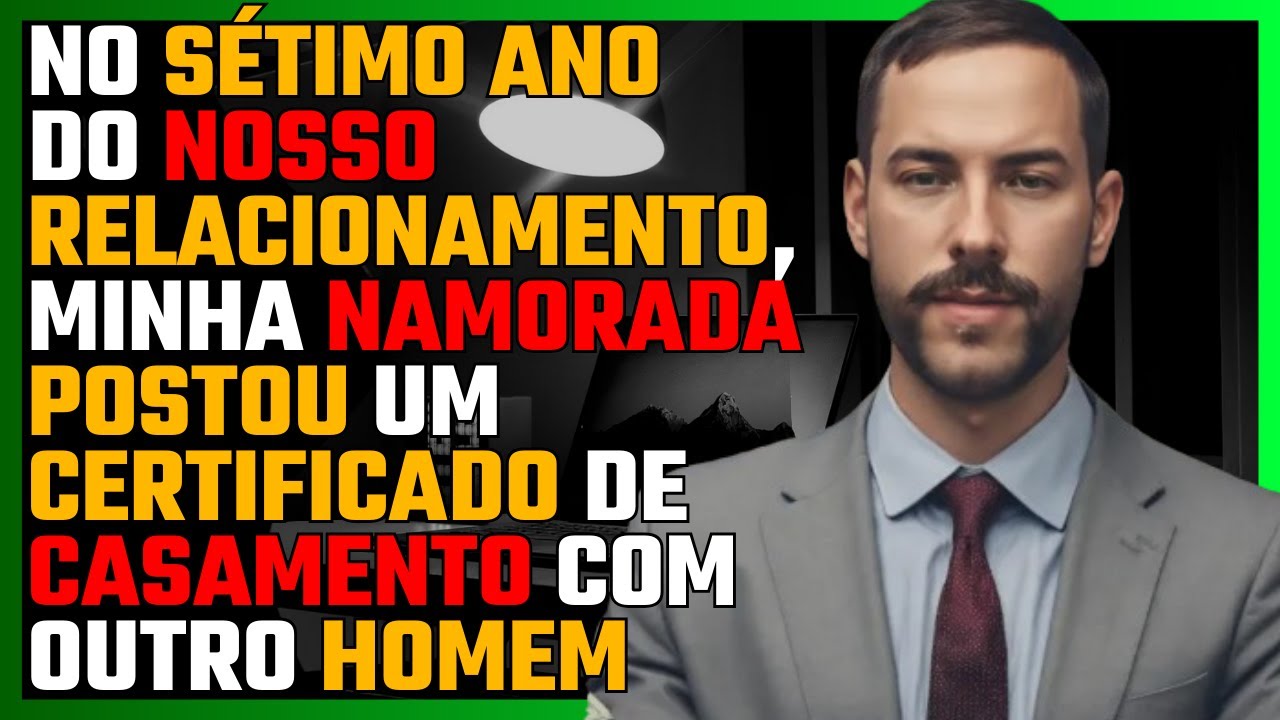
No sétimo ano da nossa relação, a minha namorada publicou um certificado de casamento com outro homem. Olhei para a fotografia e disse calmamente à Laura que estávamos terminados. O assistente dela, Felipe, ligou-me com falsos soluços. — Sr.
Mendes, foi só uma brincadeira. A Laura está sob tanta pressão no trabalho… A culpa é toda minha. Ao fundo, ouvia a voz de Laura, com a preocupação fingida que nunca demonstrou comigo:
— Feliz querido, não chores.
Não precisas de explicar nada para ele. Para onde vai ele? É só um homem sanguessuga sem dinheiro. Não disse uma palavra.
Tirei o anel de noivado, peguei na carta de aceitação para a pós-graduação e reservei um voo para fora do país. Desliguei o telemóvel e comecei a arrumar as malas. Laura não voltou a casa nessa noite. Chegou de manhã a cheirar a álcool e ordenou:
— Faz-me um café preto.
Continuei a arrumar as malas. Ela viu a mala. — O que é isto? Estás mesmo a terminar comigo?
— Isto não é uma piada. Os olhos dela ficaram gelados, e ela chutou a mala para o outro lado da sala. — Acaba com essa birra. — Birra?
Tu foste a que casaste com outra pessoa. Laura revirou os olhos. — Já disse que foi uma brincadeira. O Felipe tem cancro.
Queria dar algo aos pais antes de… e ele é meu amigo, trabalho com ele desde que se formou. Estou a ajudá-lo. Ela lançou-me um olhar condescendente.
— Olha, quando isto passar, podemos casar-nos de novo. Levantei a mão. — Guarda isso. Tens um marido.
Fala com ele. O rosto dela endureceu. — És um insensível. Não confias em mim.
Talvez não devêssemos casar-nos, afinal. — Por mim, tudo bem. Laura agarrou-me o pulso. — Pensa bem, Carlos.
Não és nada sem mim. Olhei para a mulher que amara durante sete anos. Só vi gelo. Retirei os dedos dela do meu braço.
— Boa sorte para vocês os dois. Saí. Ela gritou:
— Carlos, não ouses rastejar de volta! Vamos ver como um cafajeste como tu sobrevive sem mim!
Parei, não por arrependimento, mas para memorizar a expressão de puro ódio no rosto dela. Laura bateu com a porta com tanta força que o eco percorreu o corredor. Felipe esperava na calçada. Abaixou o vidro do carro, com desdém.
— A Laura finalmente pô-lo fora? Não respondi. Ele bloqueou-me o caminho. — Já devias ter ido embora há muito tempo.
Nunca a mereceste. Parei e encarei-o. — Tens razão, não a merecia. Alguém como tu, um parasita que vive à custa dela, é perfeito para ela.
Ele ficou roxo. Empurrei-o e continuei. Não vale a pena ser educado com lixo. Naquela noite, num hotel, as memórias voltaram.
Laura era herdeira de uma fortuna; eu, um estudante nerd. Conhecemo-nos na faculdade, mas ela esteve sempre fora do meu alcance. Idolatrava-a de longe. Até mudei de curso para ficar perto dela.
Ela escolheu-me para um projeto de grupo, riu-se da minha gaguez, mas depois disse: “O Carlos é brilhante. A sortuda aqui sou eu. ” Começámos a namorar. Eu tinha ofertas de emprego de todas as grandes empresas de tecnologia, mas aceitei um emprego básico na empresa da família dela.
Ela brigou com a família para ficar comigo. Depois Felipe apareceu. Mais novo, mais divertido. As conversas dela passaram a ser só sobre ele.
Tive ciúmes, fiquei com raiva, mas ela acusava-me de ser mesquinho. Percebi que o coração dela já não estava ali. O problema nunca foi o Felipe. Foi a indiferença da Laura.
Mesmo assim pedi-a em casamento. Aquele certificado de casamento com o nome dela e o dele destruiu qualquer ilusão. Na manhã seguinte, demiti-me. A diretora de RH aprovou a carta e ligou-me com falsa simpatia.
— Que pena, Sr. Mendes. Todos esperávamos pelo seu casamento. — Não se preocupe.
Vocês receberão um convite em breve. Laura ligou-me aos gritos. — Devias estar na assinatura do contrato! — Demiti-me ontem.
Tu aprovaste. — Posso processar-te por quebra de contrato! — Boa tentativa. Finalizei toda a papelada necessária.
Ao sair do prédio, o carro de Felipe apareceu outra vez. — Ela nunca te amou de verdade. Eras só conveniente. Um sanguessuga de mais para ir embora.
Aquilo doeu, não porque acreditasse nele, mas porque, em algum nível, fazia sentido. — Se ela acha que eu sou um sanguessuga, o que diria de ti, que vives à custa dela? Ela pode ter-me tratado como um peso, mas pelo menos tive dignidade para sair. Tu sabes que sem ela não és nada.
Entrei num táxi. No hotel, encontrei um e-mail da empresa: a minha saída inesperada tinha aberto uma revisão sobre possíveis falhas em projetos meus e pediam-me para comparecer — caso contrário, ações legais. Era obra de Laura. No dia seguinte, fui ao escritório.
No meio de olhares curiosos, Laura apareceu com um sorriso de triunfo. — Carlos, que surpresa. Achei que tinhas fugido das tuas responsabilidades. — Estou aqui para resolver o que ficou pendente.
Mas sabemos que isto é uma tentativa de me controlar. Antes que ela respondesse, Felipe entrou, visivelmente desconfortável, e sussurrou-lhe algo. O diretor da empresa entrou com um tablet. — Recebemos isto esta manhã.
Vocês têm algo a explicar. O tablet revelava mensagens entre Laura e Felipe a discutir como manipular documentos da empresa para encobrir gastos pessoais. Laura ficou pálida. O diretor continuou:
— Já informámos o conselho.
Iniciámos uma auditoria. Aconselho-vos a procurar um advogado. Levantei-me e virei-me para Laura. — Sempre achaste que estavas no controlo.
Talvez seja hora de enfrentar a realidade. Saí sem olhar para trás. Dias depois, o diretor, Sr. Moreira, ligou-me.
Queria que eu voltasse à empresa — não como subordinado, mas como diretor de projetos. A posição de Laura estava vaga. — Aceito, mas com uma condição: quero autonomia para reformar os projetos, escolher a minha equipa e mudar a cultura da empresa. Ele sorriu.
— Feito. Voltei com poder real. Recrutei antigos colegas competentes e íntegros. Reconstruí a equipa, limpei o legado tóxico.
Laura não aceitou a queda: recebi ameaças veladas, notificações dos advogados dela. Não lhe dei espaço. Meses depois, a empresa superava todas as expectativas. Numa reunião do conselho, o Sr.
Moreira anunciou a minha promoção a vice-presidente executivo. Na varanda do meu novo apartamento, recebi uma mensagem de Laura: “Espero que estejas satisfeito. Arruinaste a minha vida. ”
Apaguei a mensagem.
A minha vitória não precisava de explicação. Estava na vida que construí, no homem em que me tornei. Depois de meses no cargo, decidi que faltava justiça. — Sr.
Moreira, não acha que é hora de denunciar Laura e Felipe formalmente às autoridades? — perguntei ao conselho. — Esse tipo de ação é demorado, Carlos. Acha mesmo necessário?
— Se permitirmos que saiam impunes, enviamos a mensagem errada. Ele concordou. A denúncia foi feita. Laura foi acusada de fraude corporativa e uso indevido de fundos; Felipe, de cumplicidade.
No tribunal, olhei para ambos. Estavam acuados. — As ações deles quase destruíram a reputação da empresa. Projetos comprometidos, recursos desviados para luxos pessoais.
Levou meses a reparar. Quando terminei o testemunho, senti culpa pelo Felipe. Não tinha provas de que ele fosse tão culpado quanto ela. Mas ambos precisavam de enfrentar as consequências.
O julgamento condenou Laura a vários anos de prisão. Felipe recebeu pena menor, mas também foi preso. A empresa ganhou credibilidade. A minha vida, propósito.
Uma noite, recebi um e-mail do advogado de Felipe. Ele queria conversar antes de ser transferido. Aceitei. No centro de detenção, ele estava abatido.
— Sei que testemunhaste contra mim. Não estou aqui para pedir desculpas. Mas nem tudo o que a Laura dizia era verdade. Muitas vezes fazia o que ela mandava por medo.
Não sabia o que responder. Parte de mim queria acreditar nele. — Tomaste as tuas decisões. Agora arca com elas.
Despedi-me e deixei o passado onde devia estar. Hoje, a minha vida é feita de paz. O sucesso profissional veio, mas o que importa é ter recuperado a dignidade. Laura e Felipe são sombras do passado, enquanto eu continuei a construir o meu futuro.
Na varanda do meu apartamento, ao pôr do sol, com uma taça de vinho na mão, penso em tudo. A vingança pode ter começado como desejo de justiça, mas o que ficou foi a paz. Não apenas sobrevivi — tornei-me mais forte.
Finalmente, verdadeiramente livre.