Mio padre era morto da vent’anni… finché vidi il suo volto nella casa dell’uomo più potente della città
Prima di iniziare questa storia, fermati un momento e chiediti: cosa proveresti se scoprissi che la persona che hai pianto per tutta la vita non è mai davvero scomparsa? A volte una fotografia può contenere una verità più grande di qualsiasi parola. E a volte il passato che abbiamo accettato come definitivo nasconde ancora una porta aperta. Questa è la storia di una ragazza che pensava di aver perso suo padre da bambina… fino al giorno in cui un semplice vassoio di tè fece crollare vent’anni di bugie.
PARTE 1 – La fotografia che nessuno avrebbe dovuto vedere
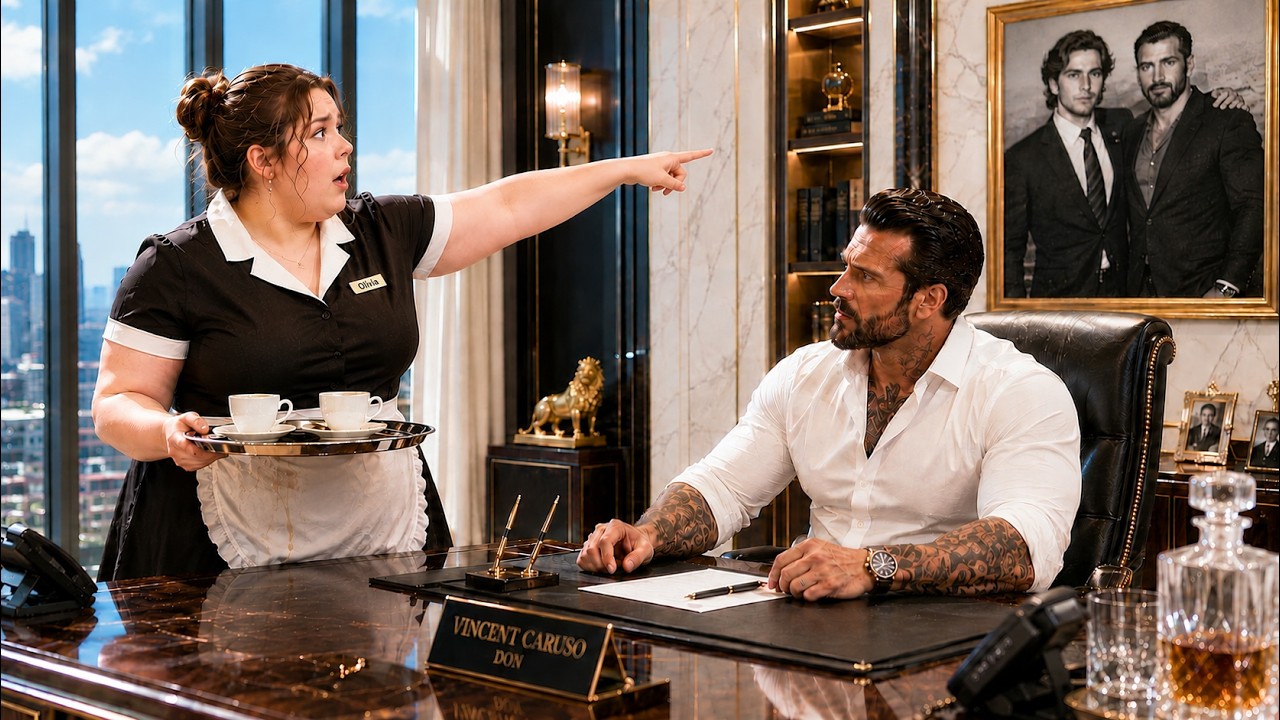
La tazza di porcellana cadde dalle mie mani. Il rumore del vetro che si rompeva sul pavimento sembrò attraversare tutta la stanza. Ma io non sentii nulla. Non sentii il rumore. Non sentii la voce della segretaria che si voltava sorpresa. Non sentii nemmeno il mio stesso respiro. Perché dietro la scrivania dell’uomo più temuto di New Orleans… c’era una fotografia. E nella fotografia c’era mio padre.
Mi chiamo Elisa Bennett. Ho ventiquattro anni. E per tutta la mia vita ho creduto a una sola versione della mia storia. Mio padre era morto quando avevo quattro anni. Un incendio in un vecchio garage. Questo era ciò che mia madre mi aveva raccontato. Non c’erano stati funerali. Non c’erano state molte spiegazioni. Solo una scatola di fotografie nascosta sotto il letto di mia madre. Una scatola che aprivo di nascosto quando ero bambina. Dentro c’era sempre lo stesso uomo. Un uomo con capelli castani chiari. Un sorriso gentile. E occhi che sembravano capaci di proteggere il mondo intero. Mio padre. Michael Bennett. L’uomo che avevo perso prima ancora di conoscerlo davvero.
Per anni ho cercato di non fare troppe domande. Quando chiedevo a mia madre perché non avessimo più foto recenti, lei cambiava argomento. Quando chiedevo com’era mio padre, sorrideva tristemente. «Era un uomo buono,» diceva sempre. «Ti avrebbe amata più di qualsiasi cosa.» Era tutto quello che avevo. Un nome. Una fotografia. E un ricordo che non poteva essere mio. A ventiquattro anni, dopo quasi sette mesi di rifiuti lavorativi, finalmente trovai un impiego. Non era il lavoro dei miei sogni. Ero diventata addetta al servizio interno in una grande villa privata. Ma per me significava molto. Avevo bisogno di dimostrare a me stessa che non ero definita dai fallimenti. Che potevo costruirmi una vita.
La villa apparteneva a Vincent Caruso. Un nome che tutti a New Orleans conoscevano. Per alcuni era un imprenditore di enorme successo. Per altri era qualcosa di molto più oscuro. La famiglia Caruso aveva controllato per decenni il porto, i trasporti e diversi settori economici della città. Negli ultimi anni Vincent aveva trasformato gran parte dell’impero in attività legali. Ma il passato non sparisce così facilmente. Le persone ancora parlavano di lui a bassa voce. Dicevano che fosse freddo. Intelligente. Impossibile da ingannare. La prima volta che attraversai il cancello della tenuta Caruso capii subito che non era una casa normale. Era una fortezza. Muri enormi. Telecamere ovunque. Guardie all’ingresso. Giardini così perfetti da sembrare irreali. Prima di essere assunta avevano controllato ogni dettaglio della mia vita. Esperienze lavorative. Indirizzi. Situazione finanziaria. Famiglia. Avevo firmato documenti di riservatezza e ricevuto regole precise. Non entrare nelle stanze private. Non fare domande. Non toccare documenti. Non cercare di avvicinare il signor Caruso.
La responsabile della casa era la signora Elena Graves. Una donna sulla cinquantina. Capelli biondo argento raccolti in uno chignon perfetto. Il tipo di persona che notava tutto. Ogni errore. Ogni esitazione. Ogni dettaglio fuori posto. La mattina del mio primo giorno mi consegnò un vassoio d’argento. «Il signor Caruso è nel suo studio,» disse. «Porta il tè.» Annuii. «Lascialo sul tavolo. Non guardare i documenti. Non iniziare conversazioni. E soprattutto…» Mi guardò negli occhi. «Non dimenticare mai dove ti trovi.» Il corridoio verso lo studio sembrava infinito. Due uomini erano davanti alla porta. Uno di loro si chiamava Marcus Hale. Grande. Silenzioso. Con lo sguardo di qualcuno abituato a proteggere persone importanti. Controllò il vassoio. Poi aprì la porta.
Lo studio era enorme. Finestre dal pavimento al soffitto. Librerie piene di volumi antichi. Un’enorme scrivania in legno scuro. Dietro di essa sedeva Vincent Caruso. Aveva circa quarant’anni. Capelli neri con qualche filo grigio. Spalle larghe. Uno sguardo freddo. Stava leggendo alcuni documenti senza alzare gli occhi. Per un momento pensai di poter entrare, lasciare il vassoio e uscire. Poi vidi la parete dietro di lui. Era piena di fotografie. La storia della famiglia Caruso. Vecchie immagini in bianco e nero. Navi. Aziende. Eventi. Uomini importanti. Poi il mio sguardo si fermò. Su una fotografia al centro. Due giovani uomini erano davanti a una grande nave. Uno era Vincent. Molto più giovane. L’altro… l’altro era impossibile. Il mio cuore smise di battere. Perché conoscevo quel volto. Avevo passato anni a guardarlo. Avevo accarezzato quella fotografia con le dita da bambina. Avevo immaginato la sua voce. Era lui. Mio padre. Michael Bennett.
Il vassoio iniziò a tremare. Cercai di controllarmi. Ma la tazza scivolò. Cadde. Si ruppe. Vincent alzò immediatamente lo sguardo. Io non riuscivo a distogliere gli occhi dalla fotografia. «Signore…» La mia voce era quasi un sussurro. «Perché mio padre è in quella foto?» La stanza diventò completamente silenziosa. Vincent guardò la fotografia. Poi guardò me. E qualcosa cambiò nella sua espressione. Non rabbia. Non sorpresa. Qualcosa di più profondo. Paura. Premette un pulsante sulla scrivania. «Fuori tutti.» La segretaria raccolse i documenti. Marcus entrò. Elena apparve sulla porta. Ma Vincent ripeté: «Tutti fuori.» Pochi secondi dopo la porta si chiuse. Rimanemmo solo io e lui. Davanti al volto di un uomo che secondo tutti era morto vent’anni prima.
«Qual è il tuo nome?» chiese. «Elisa Bennett.» Il suo sguardo si fermò. «Il nome completo di tuo padre.» Deglutii. «Michael Bennett.» Vincent rimase immobile. Poi attraversò lentamente la stanza. Premette il pollice contro una parte nascosta della parete. Una sezione del legno si aprì. Dietro c’era una cassaforte. Da dentro prese un vecchio fascicolo. Lo appoggiò sulla scrivania. Sopra c’era scritto: Michael Bennett. «Tu pensi che tuo padre fosse un uomo qualunque,» disse Vincent. «Un meccanico morto in un incendio.» Annuii lentamente. Lui aprì il fascicolo. «Non era quello.» Sfogliò alcune pagine. «Tuo padre era il mio migliore amico.» Rimasi senza parole. «Ha costruito gran parte di ciò che oggi conosci come impero Caruso.» Vincent mi raccontò una storia che sembrava impossibile. Vent’anni prima Michael Bennett non era un uomo comune. Era il suo socio. La persona di cui si fidava più di chiunque altro. Michael non era famoso perché non cercava potere. Era intelligente. Calmo. Capace di trovare soluzioni dove gli altri vedevano solo problemi. Aveva creato sistemi logistici che avevano permesso alla famiglia Caruso di sopravvivere nei momenti più difficili. «Poi è sparito,» disse Vincent. «Nessuna traccia. Nessuna spiegazione. Ho cercato ovunque.» Abbassò lo sguardo. «Alla fine ho pensato che fosse morto.»
Poi prese un altro fascicolo. Dentro c’erano lettere. Tantissime. Tutte firmate con lo stesso nome. Michael Bennett. Mi avvicinai lentamente. Non riuscivo a respirare. «Mio padre…» Vincent annuì. «Sei mesi fa ho iniziato a riceverle. Da lui.» Il mondo sembrava girare. Mio padre era vivo? Dopo vent’anni? Dopo tutto quel dolore? Dopo tutte quelle domande? «Perché non l’hai trovato?» chiesi. Vincent rimase in silenzio. Ed era la prima volta che vidi un uomo come lui sembrare sconfitto. «Perché qualcuno molto vicino a me ha fatto in modo che nessuno potesse trovarlo.» Quella frase cambiò tutto. Perché improvvisamente non si trattava solo di un uomo scomparso. Si trattava di qualcuno che aveva voluto cancellarlo.
Vincent mi portò in un archivio segreto sotto la villa. Lì vidi documenti che non avrei mai immaginato. Contratti. Mappe. Progetti. Firme. Tutto collegato a mio padre. Michael Bennett non era stato solo parte della storia Caruso. Era uno dei creatori. E qualcuno aveva rubato tutto. Poi arrivò Daniel Mercer. Il capo delle indagini private di Vincent. Posò una serie di documenti sul tavolo. «Abbiamo seguito i movimenti finanziari,» disse. «Vent’anni di trasferimenti nascosti. Società fantasma. Conti offshore.» Indicò un nome. Anthony Russo. Lo conoscevo. Avevo visto il suo volto sui giornali. Un uomo rispettato. Ricco. Potente. Un consigliere della famiglia Caruso. E soprattutto… la persona che aveva aiutato Vincent dopo la scomparsa di mio padre. Daniel continuò. «Ogni strada porta a lui.» Vincent rimase in silenzio. Perché aveva appena scoperto che l’uomo di cui si era fidato per vent’anni… poteva essere la persona che aveva distrutto tutto.
Poi Daniel mostrò un video. Una registrazione di una telecamera di sicurezza. Un uomo anziano entrava in un ufficio postale. Il volto era coperto. Ma fece un gesto. Portò due dita alla tempia. Mi bloccai. Perché quel gesto… quel piccolo movimento… lo conoscevo. Mia madre lo faceva sempre. Quando pensava. Quando ricordava qualcosa. Quando era nervosa. Lo facevo anche io senza accorgermene. «Questo gesto…» sussurrai. Vincent mi guardò. «Lo riconosci?» Le lacrime mi riempirono gli occhi. «Sì.» La mia voce tremava. «È mio padre.»
Quella sera tornai a casa da mia madre. Margaret Bennett. La donna che mi aveva cresciuta da sola. La donna che aveva sempre detto che mio padre era morto. Posai le fotografie sul tavolo. Prima quella vecchia. Poi quella del video. Lei guardò. E il suo volto cambiò. Per vent’anni aveva nascosto il dolore. Ma quella sera non riuscì più. «Mamma…» La mia voce si spezzò. «Devo sapere la verità.» Lei chiuse gli occhi. Poi iniziò a piangere. Per molto tempo non disse nulla. Infine sussurrò: «Elisa… Tuo padre… Non è mai morto.» Rimasi immobile. Quelle parole cambiarono tutto ciò che avevo creduto per vent’anni. Ma quello che mia madre stava per raccontarmi avrebbe rivelato qualcosa di ancora più terribile. Perché mio padre non era scomparso. Era stato fatto sparire. E la persona responsabile… era qualcuno che tutti avevano sempre considerato un alleato.
——
PARTE 2 – La verità sepolta per vent’anni e la famiglia che rinacque dalle ceneri
La frase di mia madre continuava a risuonare nella mia mente. «Tuo padre non è mai morto.» Per vent’anni avevo costruito tutta la mia vita sopra quella perdita. Avevo imparato a vivere con un vuoto. Avevo imparato a non fare domande. Avevo accettato una storia che sembrava troppo dolorosa per essere messa in discussione. Ma ora tutto era cambiato. Perché mio padre non era sparito. Era stato cancellato.
Quella notte Margaret mi raccontò ogni dettaglio. La notte in cui Michael era scomparso. La notte in cui la nostra famiglia era stata distrutta. Avevo solo quattro anni. Troppo piccola per capire. Ma abbastanza grande da ricordare alcune cose. Ricordavo mio padre che mi prendeva in braccio. Ricordavo il suo profumo. Ricordavo la sua voce quando mi diceva: «Qualunque cosa accada, papà troverà sempre la strada per tornare da te.» Per anni avevo pensato fosse solo una frase. Ora capivo. Era una promessa.
Mia madre mi raccontò di Anthony Russo. L’uomo che tutti consideravano un amico. Un consigliere. Un uomo fidato della famiglia Caruso. Ma dietro quella facciata c’era qualcuno disposto a distruggere una vita intera per il potere. Anthony aveva scoperto che Michael aveva trovato prove di una gigantesca frode finanziaria interna. Denaro sottratto. Società false. Contratti manipolati. Michael voleva parlare con Vincent. E Anthony non poteva permetterlo. «Perché non hai mai detto nulla?» chiesi a mia madre. Lei abbassò lo sguardo. «Perché quella notte mi ha fatto scegliere.» «Cosa intendi?» «Mi disse che se avessi parlato…» La sua voce si spezzò. «Avrebbe trovato te.» Silenzio. «Eri una bambina. Non potevo rischiare.» Quella frase mi fece capire qualcosa. Mia madre non aveva scelto una bugia. Aveva scelto me. Aveva passato vent’anni vivendo con un dolore che nessuno poteva vedere. Aveva lasciato che il mondo pensasse che mio padre fosse morto. Perché era l’unico modo che conosceva per tenermi viva.
Quando raccontai tutto a Vincent, il suo volto cambiò. Per la prima volta vidi qualcosa che non avevo mai visto in lui. Colpa. «Avrei dovuto capire,» disse. «Anthony era troppo vicino. Troppo coinvolto. Mi sono fidato dell’uomo sbagliato.» Lo guardai. «Non puoi incolparti per tutto.» Lui rimase in silenzio. «Per vent’anni ho pensato di aver perso un fratello. E invece era là fuori.» Daniel continuò le indagini. E più scoprivamo… più la verità diventava terribile. Anthony non aveva solo nascosto Michael. Aveva costruito un sistema intero per impossessarsi lentamente del suo patrimonio. Le quote aziendali di mio padre. I profitti delle società. Le proprietà. Tutto era stato spostato attraverso una rete di società fantasma. «Non voleva solo farlo sparire,» disse Daniel. «Voleva sostituirlo.» Quella frase mi rimase impressa. Perché era esattamente ciò che aveva fatto. Aveva preso il posto di un uomo che tutti credevano morto. Aveva rubato il suo lavoro. La sua reputazione. La sua vita.
Finalmente trovammo il luogo. Una vecchia proprietà nelle paludi della Louisiana. Ufficialmente apparteneva a una società chiusa anni prima. Ma i dati finanziari raccontavano un’altra storia. C’erano spese continue. Cibo. Medicine. Sicurezza. Manutenzione. Qualcuno viveva lì. Da anni. Quando Vincent mi disse che mio padre poteva essere lì… non riuscivo a respirare. Avevo immaginato quel momento per tutta la vita. Ma mai così. Non sapevo se sarei stata felice. Spaventata. Arrabbiata. Forse tutto insieme. Partimmo all’alba. La strada era lunga. Il paesaggio cambiava lentamente. Dalla città alle zone più isolate. Più ci avvicinavamo… più sentivo il peso di quegli anni. Vent’anni. Vent’anni senza mio padre. Vent’anni in cui lui aveva guardato il mondo passare senza poter tornare.
La casa apparve tra gli alberi. Piccola. Nascosta. Quasi invisibile. Non sembrava il luogo dove un uomo importante avrebbe potuto essere rinchiuso. Ed era proprio questo il punto. Nessuno avrebbe mai cercato lì. Vincent mi guardò. «Sei sicura?» Annuii. Avevo aspettato troppo. Camminai verso la porta. Le mie mani tremavano. Ma non per paura. Perché dall’altra parte… forse c’era l’uomo che avevo aspettato tutta la vita. Aprii la porta. Dentro c’era un uomo seduto al tavolo. Capelli bianchi. Volto segnato dal tempo. Una persona che sembrava aver vissuto cento vite. Alzò lo sguardo. E il mondo si fermò. Per un secondo nessuno parlò. Poi lui sussurrò: «Olivia?» Nessuno pronunciava quel nome in quel modo. Solo una persona. Mio padre.
Le gambe iniziarono a muoversi prima ancora che potessi pensarci. Corsi verso di lui. E lui si alzò lentamente. Come se ogni muscolo del suo corpo ricordasse quel momento. Ci abbracciammo. E in quell’abbraccio c’erano vent’anni di dolore. Vent’anni di domande. Vent’anni di amore mai scomparso. «Sei cresciuta,» disse tra le lacrime. «Mi dispiace.» Scossi la testa. «Non è colpa tua.» Ma lui piangeva. Perché un padre non smette mai di sentirsi responsabile per il dolore dei propri figli. Quando Vincent entrò nella stanza… mio padre rimase immobile. Due uomini. Due vecchi amici. Separati da una tragedia costruita da qualcun altro. Vincent non disse nulla. Si limitò ad abbracciarlo. E per la prima volta dopo tanti anni… Michael non era più solo.
Il ritorno a New Orleans fu l’inizio della fine per Anthony Russo. Con le prove raccolte da Daniel e Vincent, l’FBI aprì un’indagine completa. Conti nascosti. Documenti falsificati. Testimonianze. Tutto iniziò a venire alla luce. Anthony cercò di difendersi. Disse che era tutto un complotto. Che Vincent voleva eliminarlo. Che Michael era instabile. Ma nessuno credeva più alle sue parole. Perché finalmente c’era la cosa che aveva cercato di distruggere per vent’anni. La prova. Il processo fu lungo. Ma la verità era troppo grande per essere nascosta ancora. Michael raccontò tutto. La prigionia. Le minacce. Gli anni passati aspettando. Ogni parola era difficile. Ma necessaria. Quando Anthony venne condannato, non provai gioia. Solo sollievo. Perché nessuna condanna poteva restituirci gli anni persi. Nessuna sentenza poteva ridare a mio padre la mia infanzia. Ma almeno… la verità aveva finalmente un nome.
Mio padre tornò a vivere con mia madre. Non fu semplice. Vent’anni non spariscono. C’erano ferite profonde. Giorni difficili. Momenti di silenzio. Ma ogni mattina sceglievano di ricominciare. Vincent offrì a mio padre di tornare a guidare le aziende. Ma lui rifiutò. «Ho passato troppo tempo a costruire imperi,» disse. «Adesso voglio costruire ricordi.» Io invece presi una decisione diversa. Vincent mi offrì un posto nella sua organizzazione. All’inizio ero insicura. «Non sono una persona importante,» gli dissi. Lui sorrise. «È proprio per questo che sei importante. Le persone che pensano di sapere tutto spesso smettono di vedere. Tu hai visto ciò che tutti avevano ignorato.» Accettai. Non perché fossi la figlia di Michael Bennett. Ma perché avevo capito una cosa. La nostra storia non doveva finire con il dolore. Doveva trasformarsi in qualcosa di buono.
Un anno dopo nacque la Fondazione Michael Bennett. Un progetto dedicato alle persone dimenticate. A chi aveva perso la propria voce. A chi aveva subito ingiustizie. A chi aveva bisogno di qualcuno disposto ad ascoltare. Alla cerimonia di apertura guardai mio padre. Era accanto a me. Vivo. Sorridente. Ancora lui. Per vent’anni avevo avuto solo una fotografia. Ora avevo una persona. La vecchia immagine di mio padre e Vincent davanti alla nave è ancora nello studio. Ma ora accanto ce n’è un’altra. Una foto scattata dopo il nostro ritorno. Io. Mio padre. Mia madre. Vincent. Una famiglia che il destino aveva spezzato… ma che la verità aveva riportato insieme.
A volte penso alla bambina di quattro anni che guardava quella scatola nascosta sotto il letto. Quella bambina voleva solo sapere una cosa: «Papà mi voleva bene?» Oggi conosco la risposta. Più di quanto avrei mai immaginato. Perché ho imparato una lezione che non dimenticherò mai. Le bugie possono durare anni. Possono costruire muri. Possono rubare tempo. Ma non possono cancellare l’amore vero. La verità può essere nascosta. Può essere rallentata. Può sembrare perduta. Ma alla fine… trova sempre la strada per tornare a casa.
Se questa storia ti ha emozionato, condividila con qualcuno che ha bisogno di ricordare che nessuna distanza, nessun segreto e nessun tempo perduto possono cancellare un legame costruito con amore. Grazie per aver seguito questa storia.