PARTEA 2:
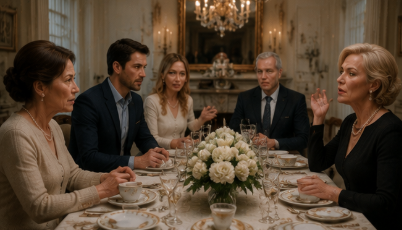
După acea cină în care am cunoscut-o pe Stephanie, am început să observ schimbările.
Nu au venit peste noapte.
Asta este partea pe care mulți oameni nu o înțeleg.
Manipularea rar începe cu o explozie.
Începe cu lucruri mici.
Un telefon mai rar.
O vizită anulată.
O frază aparent nevinovată.
La început, Aaron mă suna de două ori pe săptămână.
Apoi o dată.
Apoi doar când avea nevoie de ceva.
Când vorbeam cu el, numele lui Stephanie apărea mereu.
„Stephanie crede că…”
„Stephanie simte că…”
„Stephanie a spus că…”
La început nu mi s-a părut ciudat.
Era normal ca soția lui să conteze.
Dar treptat, cuvintele s-au schimbat.
„Stephanie crede că ne suni prea des.”
„Stephanie simte că nu ne respecți spațiul.”
„Stephanie spune că poate nu ai fost niciodată atât de susținătoare pe cât crezi.”
Stăteam cu telefonul în mână și ascultam vocea fiului meu.
Dar parcă nu mai era băiatul pe care îl crescusem.
Era cineva care repeta cuvintele altcuiva.
Apoi a venit anunțul logodnei.
Nu am primit un telefon.
Nu am primit o invitație la o cină de familie.
Am aflat de pe internet.
O fotografie.
Un inel.
Un mesaj:
„Cei mai importanți oameni au fost alături de noi.”
Am privit ecranul mult timp.
Pentru prima dată în viața mea, m-am simțit ca o străină pentru propriul meu copil.
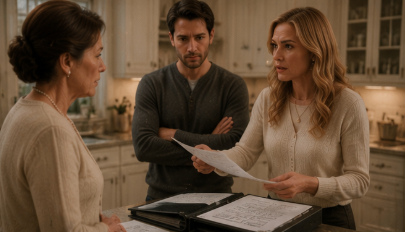
Câteva săptămâni mai târziu, Aaron și Stephanie au venit la casa mea.
Stephanie avea o mapă.
A pus-o pe masa din bucătărie.
Masa unde Aaron își făcea temele când era copil.
Masa unde mâncam împreună cu Gerald.
„Ne-am gândit la viitor”, a spus ea.
Am privit documentele.
Erau acte.
Propuneri.
Planuri pentru casă.
„Ce este asta?” am întrebat.
Stephanie a zâmbit calm.
„Casa este prea mare pentru tine acum. Ai putea merge într-un loc mai mic. Noi am avea nevoie de spațiu pentru familie.”
M-am uitat spre Aaron.
Fiul meu stătea lângă ea.
Nu spunea nimic.
Atunci am pus singura întrebare care conta.
„Aaron, este ceea ce vrei tu?”
El s-a uitat spre Stephanie.
Nu spre mine.
Nu a răspuns.
Și acel moment mi-a spus tot ce aveam nevoie să știu.
Le-am spus că am nevoie de timp.
Am rămas calmă.
Le-am oferit ceai.
I-am condus la ușă.
Apoi, când casa a devenit din nou liniștită, am luat telefonul și l-am sunat pe domnul Patterson.
De data aceasta nu mai puteam doar să sper.
Trebuia să mă protejez.
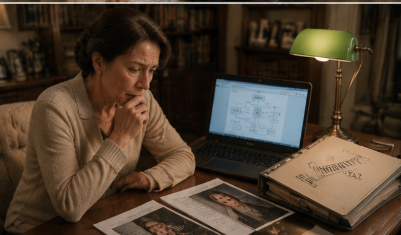
Domnul Patterson m-a pus în legătură cu o investigatoare financiară pe nume Patricia.
Era exact genul de persoană de care aveam nevoie.
Calmă.
Meticuloasă.
Nu se grăbea să tragă concluzii.
În următoarele luni, am început să vedem imaginea completă.
Stephanie avea un trecut.
Înainte de Aaron, fusese într-o relație lungă cu un bărbat mai în vârstă și foarte bogat.
Relația se terminase cu un conflict juridic legat de proprietăți.
Existau acorduri financiare.
Apoi dispăruse într-un alt oraș.
Nu era o dovadă singură.
Dar era un semn.
Apoi au apărut problemele financiare ale lui Aaron.
În perioada în care relația cu Stephanie devenise serioasă, Aaron făcuse un împrumut personal important.
Banii fuseseră mutați într-un cont comun.
Un cont pe care Stephanie îl controla în mare parte.
Am verificat totul legal.
Nu căutam răzbunare.
Căutam adevărul.
Cu cât cercetam mai mult, cu atât înțelegeam că Gerald avusese dreptate.
El nu se temea că Aaron nu era suficient de bogat.
Se temea că Aaron era prea ușor de influențat.
Cu câteva zile înainte de nuntă, aveam totul pregătit.
Un dosar gri.
Un stick USB.
Documente.
Înregistrări.
Dovezi.
Domnul Patterson mi-a spus:
„Katherine, ești protejată.”
Dar eu nu voiam să distrug viața fiului meu.
Voiam doar să îl opresc înainte să facă cea mai mare greșeală a vieții lui.
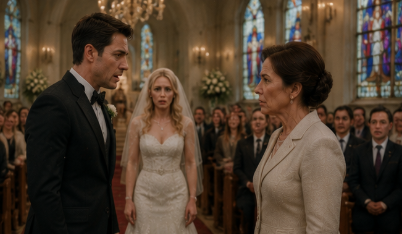
În ziua nunții, când Aaron m-a oprit la ușa bisericii, el credea că mă umilește.
Nu știa că adevărul era deja pregătit.
După ce am plecat, am așteptat.
La ora 3:10, exact când ceremonia trebuia să înceapă, am trimis documentul.
Nu era o amenințare.
Nu era un mesaj furios.
Era un PDF de la biroul domnului Patterson.
Conținea trei lucruri.
Prima parte: situația completă a averii lăsate de Gerald.
A doua parte: documente despre manipulare financiară și încercările de a controla proprietățile.
A treia parte: informații despre identitatea reală a lui Stephanie și trecutul ei juridic.
Adevărul a ajuns exact când trebuia.
Am aflat ce s-a întâmplat în biserică de la Aaron.
M-a sunat în aceeași seară.
Nu putea vorbi normal.
„Mamă…”
A repetat acel cuvânt de câteva ori.
Ca și cum îl învăța din nou.
Ceremonia fusese oprită.
Aaron citise documentele.
Stephanie încercase să explice.
Dar de data aceasta nu mai controla povestea.
A plecat din biserică înainte de nuntă.
Invitații au rămas așezați în liniște.
Iar după aproape o oră, Aaron a ieșit și le-a spus că ceremonia nu mai avea loc.
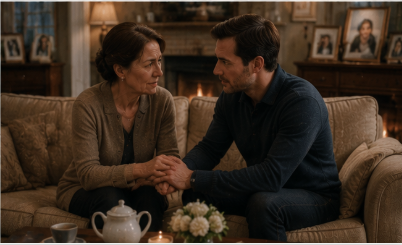
În acea seară a venit la mine.
S-a așezat la aceeași masă unde Stephanie încercase să mă facă să renunț la casa mea.
Și a plâns.
„Mamă, nu știu cine era femeia cu care urma să mă căsătoresc.”
Mi-am pus mâna peste a lui.
„Știu, Aaron. De aceea trebuia să afli.”
Am stat acolo ore întregi.
Mi-a spus tot.
Cum Stephanie îl făcuse să creadă că eu eram problema.
Că iubirea mea era prea mult.
Că distanța față de mine era un semn de maturitate.
Și atunci am înțeles ceva dureros.
Nu îmi pierdusem fiul pentru că nu mă iubea.
Îl pierdusem pentru că cineva îl convinsese că nu are nevoie de mine.
Lunile următoare nu au fost ușoare.
Stephanie a încercat să conteste anumite lucruri legal.
Dar documentele domnului Patterson erau prea solide.
Adevărul a ieșit la lumină.
În cele din urmă, Stephanie a plecat într-un alt oraș.
Aaron a început consiliere.
A trebuit să învețe să gândească singur din nou.
Să ia decizii fără să caute aprobarea altcuiva.
După o perioadă, averea lui Gerald a fost transferată către Aaron conform dorinței inițiale.
Dar cel mai important lucru nu a fost moștenirea.
A fost schimbarea fiului meu.
Într-o după-amiază, Aaron a venit la mine și m-a întrebat:
„Mamă, ce scria în scrisoarea pe care ți-a lăsat tata?”
Nu o mai citisem de ani.
Am mers în dormitor și am adus plicul.
I l-am dat.
A citit în liniște.
Apoi ochii i s-au umplut de lacrimi.
Gerald scrisese:
„Aaron, dacă citești această scrisoare, înseamnă că mama ta a făcut exact ce i-am cerut. Te-a protejat chiar și atunci când tu nu știai că ai nevoie de protecție. Ea este cea mai bună persoană pe care am cunoscut-o. Nu uita niciodată asta.”
Aaron a ridicat privirea.
„Nu voi mai uita.”
Și pentru prima dată după mult timp, l-am crezut.
Nu spun această poveste pentru a mă transforma într-o eroină.
Nu am fost perfectă.
Poate ar fi trebuit să vorbesc mai devreme.
Poate am confundat liniștea cu pacea.
Dar am învățat ceva important.
Oamenii liniștiți sunt adesea cei care observă cel mai mult.
Nu pentru că sunt reci.
Ci pentru că ascultă.
Stephanie a crezut că tăcerea mea înseamnă slăbiciune.
A crezut că o femeie singură într-o casă mare este ușor de mutat din drum.
S-a înșelat.
Uneori adevărul nu vine cu zgomot.
Nu vine cu furie.
Uneori vine sub forma unui simplu mesaj trimis la momentul potrivit.
Iar acel mesaj poate schimba totul.