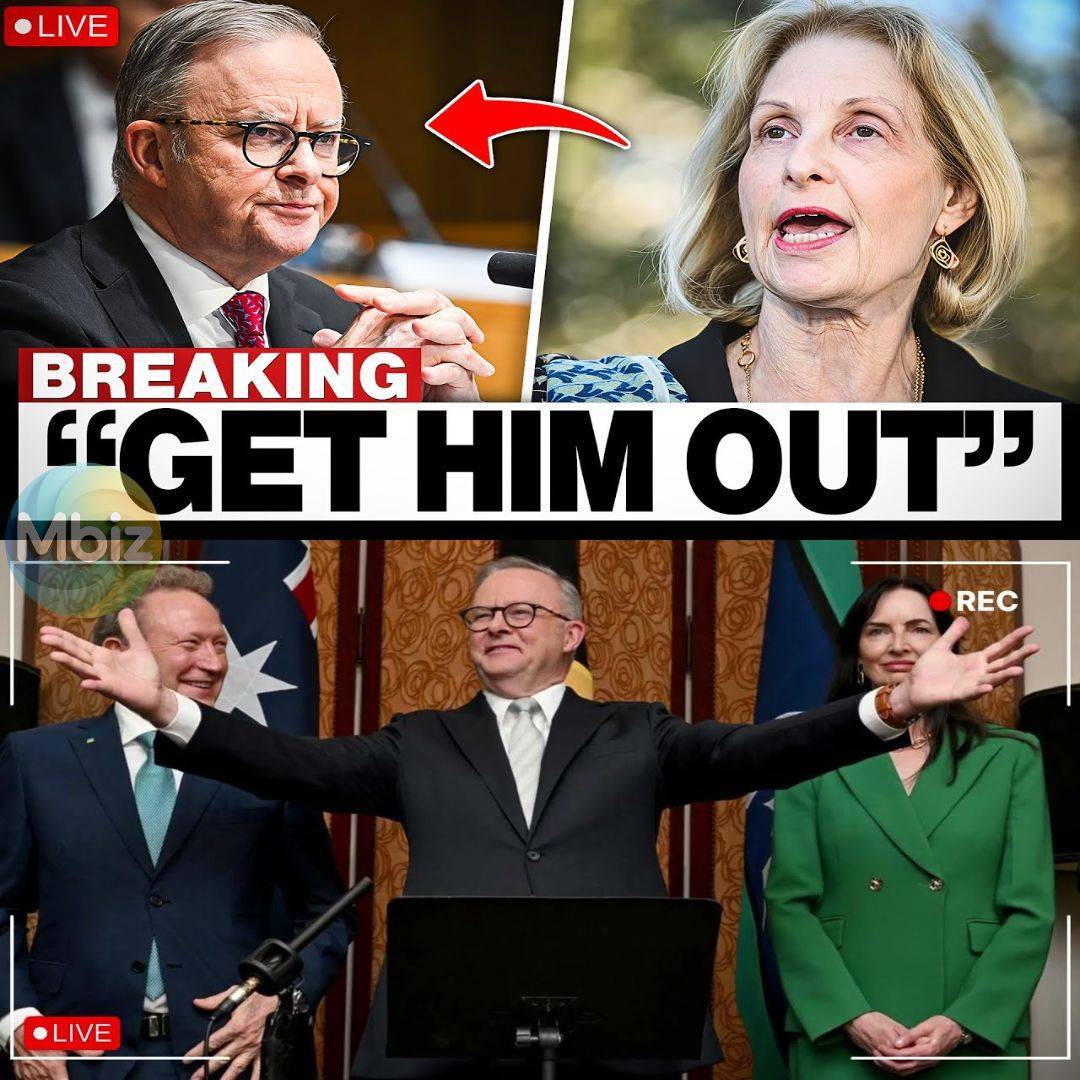
Australia’s Prime Minister Anthony Albanese promised a transparent government, an era of openness replacing secrecy and spin. Yet, years into his term, critical parliamentary reports remain unanswered and key inquiries ignored. The government’s silence and delays expose a stark betrayal of trust, revealing a return to opaque politics defying public demands for accountability.
 Anthony Albanese’s rise to power was fueled by a pledge to shatter Canberra’s old culture of secrecy. He vowed to flood Parliament’s corridors with sunlight—transparency was to become the new standard. However, the reality starkly contradicts the promise: delays and silence now dominate. Transparency has become a hollow slogan, buried beneath bureaucratic obstruction.
The heart of parliamentary democracy—the committee reports—lay abandoned. These essential documents hold governments accountable, addressing urgent national issues such as anti-Semitism, food security, financial 𝓪𝓫𝓾𝓼𝓮, and gambling reforms. Instead of timely engagement, Albanese’s government permits reports to languish, unaddressed, casting doubts on its commitment to social justice and public safety.
Since the election, the government’s response to accountability reports is negligible. Out of dozens, only a handful are addressed—and even these relate to minor technicalities rather than hard-hitting, transformative reforms. This selective response pattern reveals a disturbing aversion to scrutiny and an alarming preference for deflecting public pressure rather than embracing full transparency.
Moments of crisis illustrate the government’s reluctance. Internal reports on rising anti-Semitism were left to gather dust despite increasing community fears. When Bondi endured a terrorist attack targeting the Jewish population, calls for an independent Royal Commission were met with vague promises and institutional reluctance. Unity rhetoric replaced actionable transparency.
The government’s fear of a Royal Commission raises tough questions. Why avoid a mechanism designed to uncover uncomfortable truths? What might emerge from such a probe that the leadership wishes to hide? Transparency, by definition, demands confronting difficult realities—not sidestepping them under the guise of national cohesion.
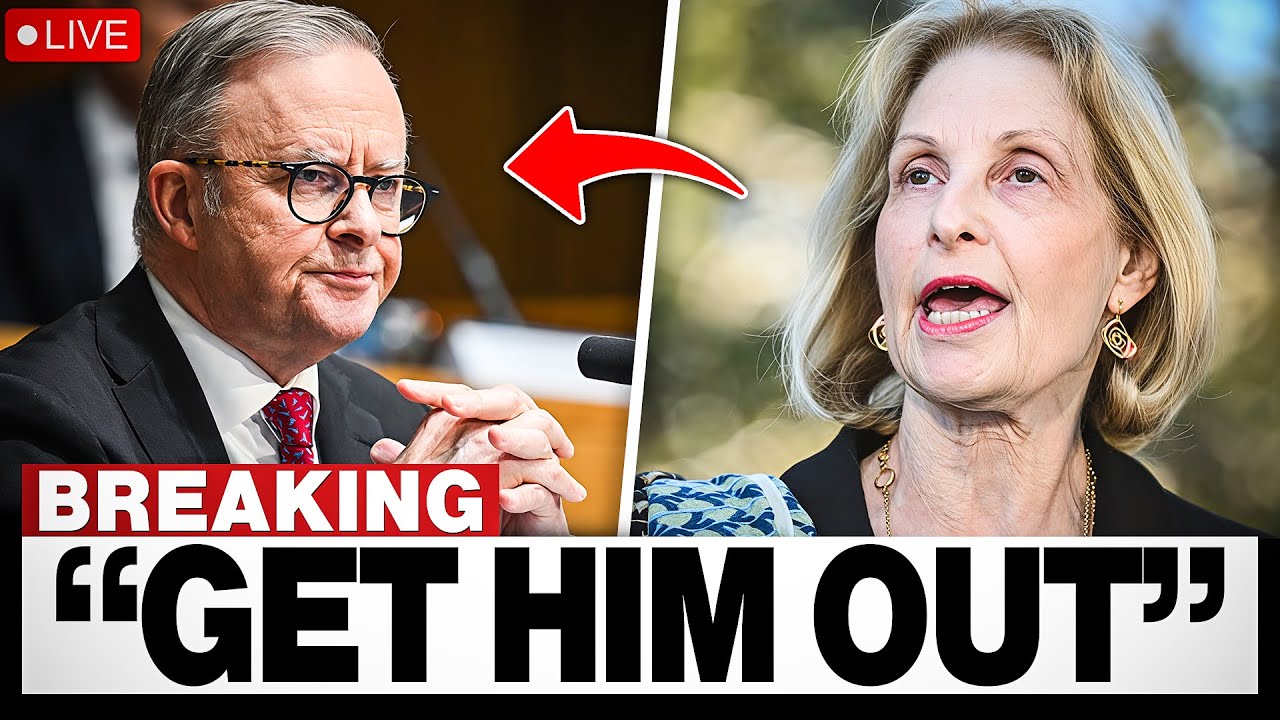 Albanese’s response to the parliamentary travel entitlements 𝒔𝒄𝒂𝓃𝒅𝒂𝓁 further exposes this paradox. Initially deferring responsibility by citing “independent authorities” and “fixed rules,” the government recently reversed course with last-minute policy tweaks following public uproar. The contradiction between hands-off neutrality and sudden intervention shreds the veneer of principled transparency.
This pattern of damage control is revealing. Instead of proactive openness, the government acts only when public embarrassment compels it. This reactive model undermines trust, especially amid rising living costs and social anxieties. Australians, struggling daily, see politicians shielded behind bureaucracy while ordinary citizens face harsh realities without explanation.
The culture of secrecy extends beyond spending and committee dysfunction. It envelops national security and immigration issues. The handling of ISIS-linked returnees was initially marked by dismissive responses and sparse information. Only relentless media scrutiny forced disclosure. Once again, the government’s transparency appears less a principle than a last resort under mounting exposure.
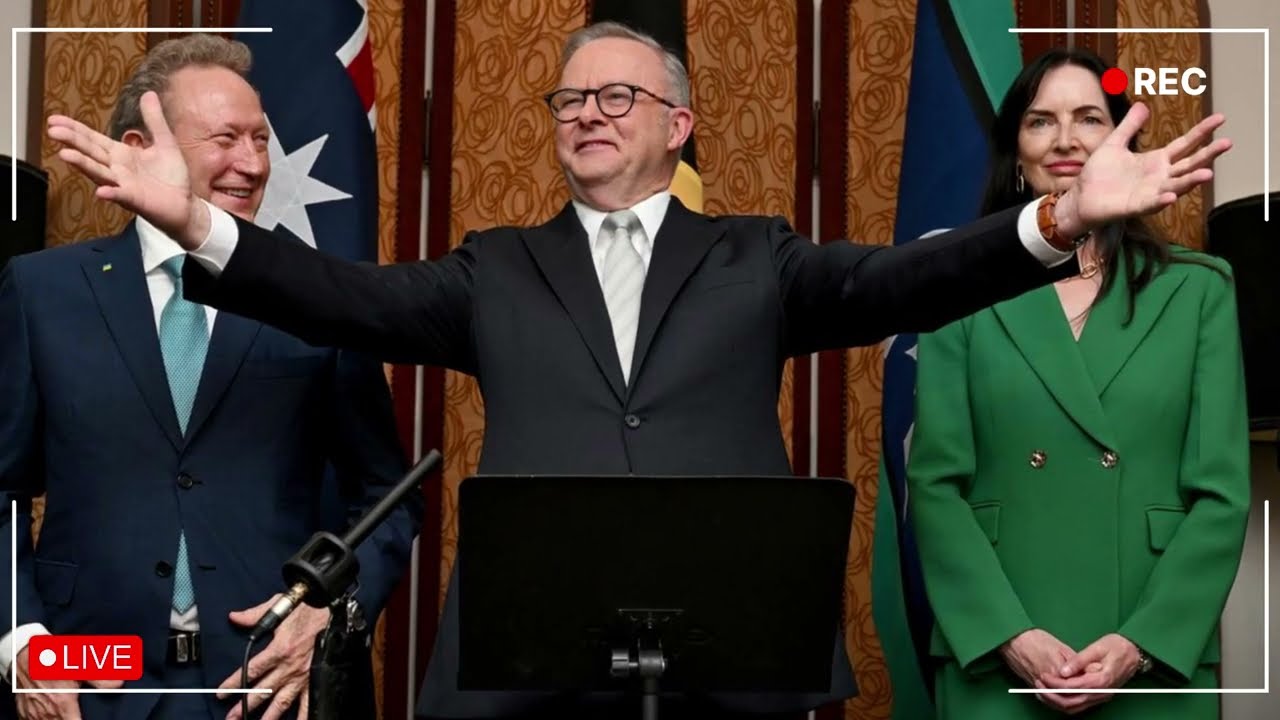
Transparency promised by Albanese was meant to reset public trust, not erode it. When committed values vanish beneath political convenience, the consequence is a broken social contract. It is no longer about partisan allegiance but foundational democratic standards—timely honesty, accountability, and respect for the electorate’s right to know.
Process failures cannot excuse the government’s inaction. Procedural hurdles do not explain leaving 50 reports untouched or months of silence on pressing recommendations. Genuine leadership means prioritizing openness even when it unveils uncomfortable or inconvenient truths. Delayed transparency is de facto denial, betraying every principle Albanese claimed to champion.
Australians are acutely aware of double standards: demanding honesty but receiving managed disclosures that drip-feed information. The gulf between Albanese’s promise and current practice is widening. The government’s reflex is clear—it shields itself first and defers explanation. Political convenience often trumps public interest, corroding faith in democracy.
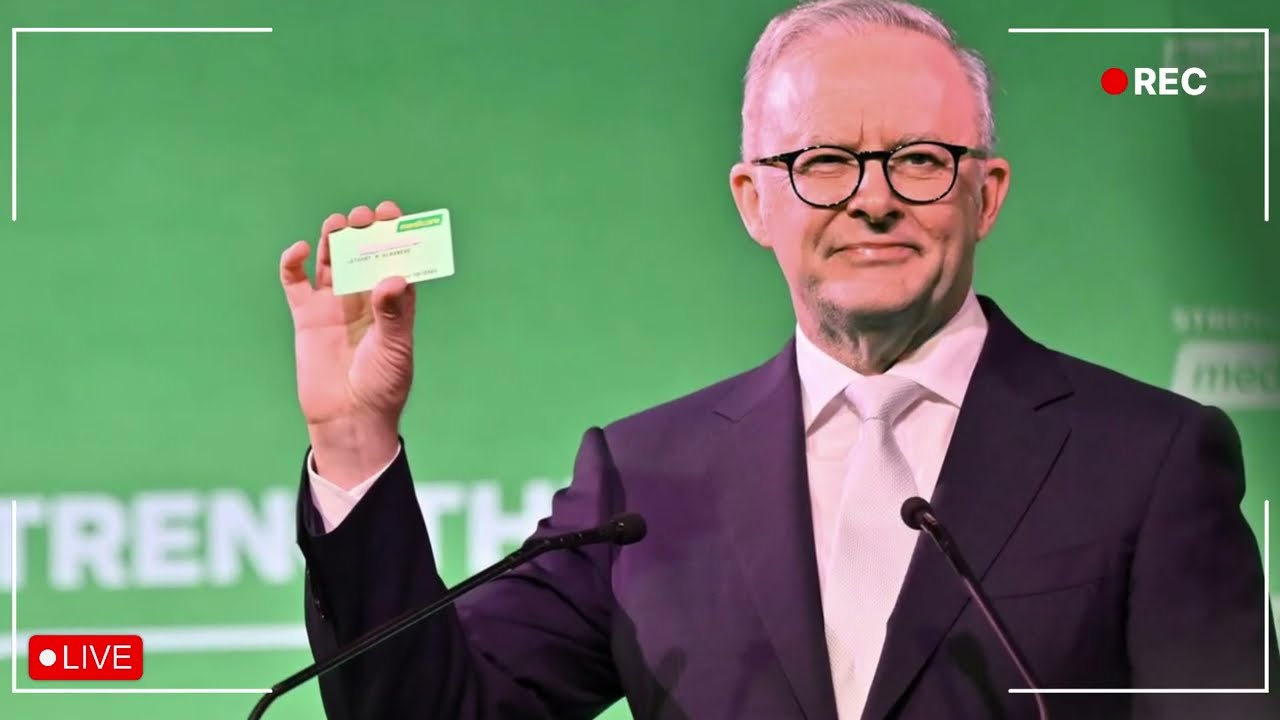 Trust isn’t built through speeches but actions. It demands confronting challenges head-on with timely, full disclosure. Albanese pledged a new tone in politics, but the era of hidden reports and opaque decision-making drags Australian democracy backward. The promise of transparency now appears just another casualty of political expediency.
The public watches and waits as unanswered reports mount and delays stretch indefinitely. What was sold as a transformative reset has become a continuation of the old guard’s playbook—now with more polished branding, but no more honesty. Australians expect better leadership and accountability from their prime minister.
Anthony Albanese positioned himself as a breaker of political habits, a genuine reformer. But broken promises on transparency expose a troubling regression. If the government cannot uphold this cornerstone of democracy, it risks alienating voters and fostering cynicism. Australia’s democracy deserves the sunlight it was promised, not darkness masked as progress.
This unfolding transparency crisis demands urgent attention. Yearning for honest governance, Australians face a leadership more adept at delaying truth than delivering it. The promise of openness was clear; the delivery now unmistakably absent. The question remains: will Albanese restore this crucial trust or confirm that political opacity is back in power?