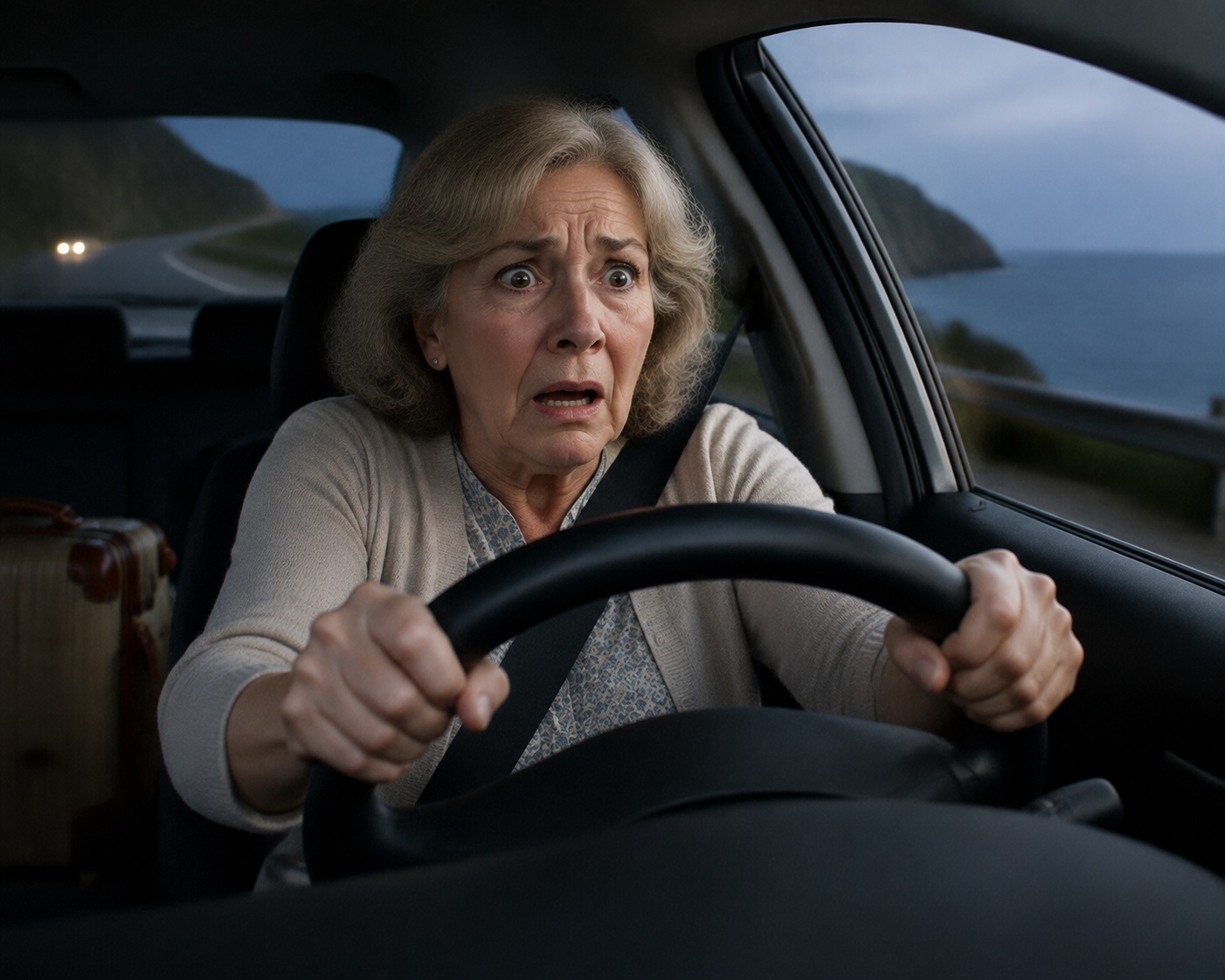
Nigdy nie zapomnę chwili, kiedy nacisnęłam pedał hamulca, a samochód nadal jechał. Przez pierwszą sekundę pomyślałam, że zrobiłam coś źle. Że może jestem zmęczona albo spanikowałam. Ale kiedy spróbowałam ponownie i poczułam, że auto nie reaguje tak, jak powinno, serce zaczęło bić mi coraz szybciej. Droga była długa, wokół nie było prawie żadnych ludzi, a ja nagle zrozumiałam, że sytuacja jest naprawdę niebezpieczna. Próbowałam zachować spokój. Przypomniałam sobie wszystko, czego nauczyłam się przez lata samotnego życia po śmierci męża — nie panikować, myśleć i szukać rozwiązania. Udało mi się zapanować nad samochodem i zatrzymać go w bezpiecznym miejscu. Siedziałam przez chwilę za kierownicą, trzymając mocno ręce na kolanach, i próbowałam zrozumieć, co właśnie się wydarzyło. Wtedy pierwszy raz dopuściłam do siebie myśl, której wcześniej nie chciałam mieć. To nie mógł być zwykły przypadek.
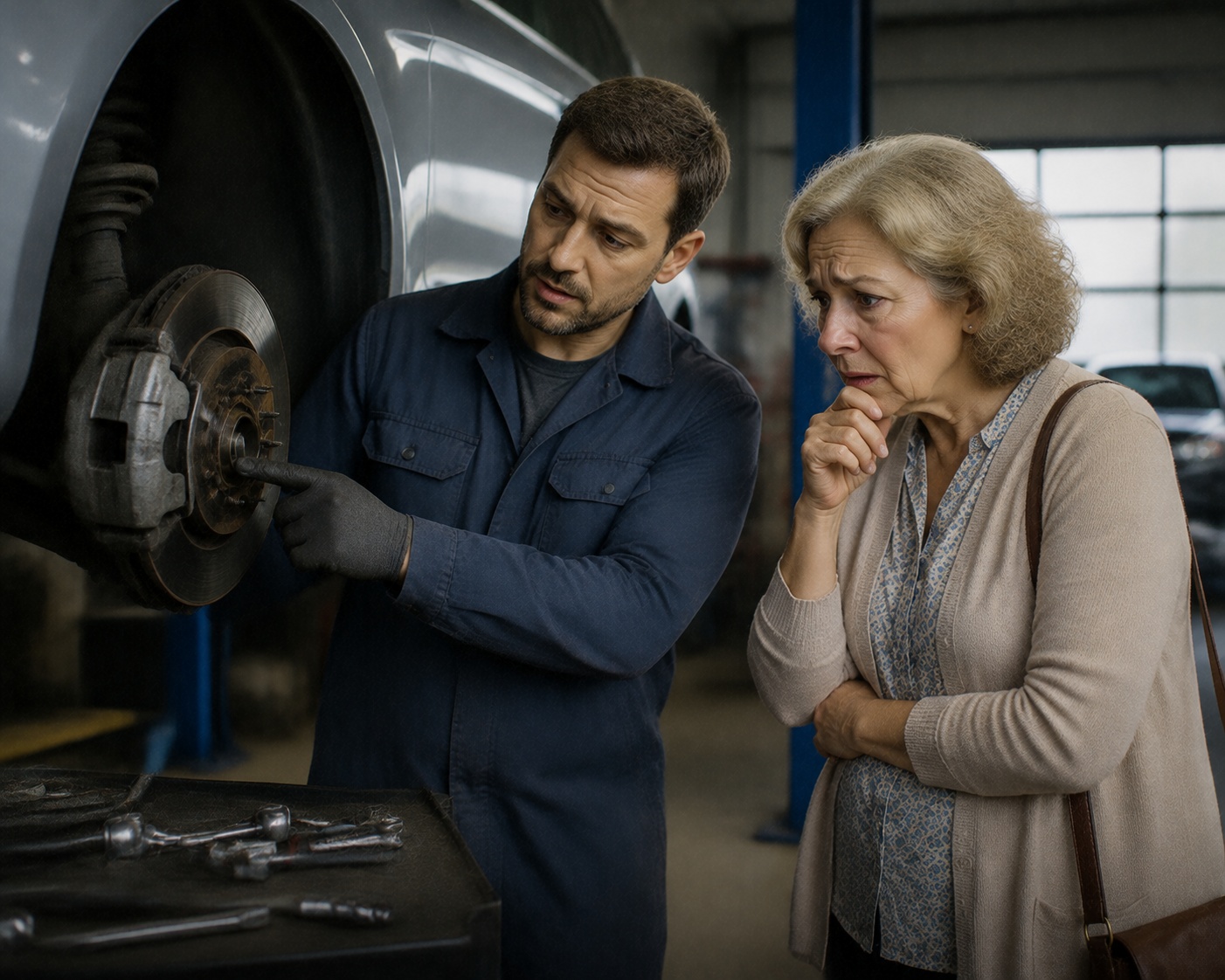
Zadzwoniłam po pomoc i po sprawdzeniu samochodu mechanik powiedział coś, co sprawiło, że poczułam zimno na całym ciele. Powiedział, że problem z układem hamulcowym nie wyglądał na zwykłą awarię. Nie chciał od razu oskarżać nikogo bez dowodów, ale zasugerował, że ktoś mógł wcześniej ingerować w samochód. Wtedy przypomniałam sobie zachowanie Roxany. Jej nagłą troskę. Jej naleganie, żebym zostawiła własny samochód i pojechała jej autem. Przez pięć lat prawie nigdy nie pytała, jak się czuję, a nagle stała się najbardziej troskliwą osobą na świecie. Powtarzała, że chce mojego bezpieczeństwa. Teraz te słowa brzmiały zupełnie inaczej. Nie chciałam wierzyć, że człowiek, który mówi do mnie „mamo”, mógłby chcieć mnie skrzywdzić. Ale nauczyłam się już w życiu jednej rzeczy — miłość nie oznacza zamykania oczu na prawdę.
Jeszcze tego samego dnia zadzwoniłam do Benity, matki Roxany, która miała jechać ze mną w tę podróż. Kiedy usłyszała, co się stało, długo milczała. Jej reakcja była inna, niż się spodziewałam. Nie była zaskoczona. Była przerażona. Wtedy powiedziała zdanie, którego nigdy nie zapomnę: „Muszę ci coś powiedzieć, zanim będzie za późno”. Okazało się, że od pewnego czasu sama zauważała dziwne zachowanie córki. Roxana coraz częściej pytała o moje mieszkanie, oszczędności i sprawy związane z majątkiem. Zawsze tłumaczyła to troską, ale jej matka zaczęła podejrzewać, że chodzi o coś zupełnie innego. Benita nie miała dowodów, ale czuła, że coś jest nie tak. Dlatego kiedy zaprosiłam ją na wyjazd, zgodziła się bez wahania. Nie wiedziała jednak, że ta decyzja być może uratowała nie tylko mnie, ale także zmusiła ją do zmierzenia się z prawdą o własnej córce.
Po powrocie nie poszłam od razu do Roxany z oskarżeniami. Chciałam najpierw dowiedzieć się wszystkiego. Razem z Benitą zaczęłyśmy sprawdzać informacje i odkryłyśmy rzeczy, które sprawiły, że trudno było mi uwierzyć własnym oczom. Mój syn i Roxana mieli problemy finansowe, o których przede mną nie mówili. Od miesięcy rozmawiali o tym, co stanie się z moim domem i pieniędzmi, kiedy mnie zabraknie. Najbardziej bolało mnie nie to, że ktoś myślał o majątku. Najbardziej bolało mnie to, że zamiast zapytać, czy mogę im pomóc, zaczęli myśleć o tym, jak przejąć moje życie. Przez lata uważałam ich za rodzinę. Pomagałam im, wspierałam ich i nigdy nie żałowałam żadnej rzeczy, którą dla nich zrobiłam. A oni zaczęli patrzeć na mnie jak na problem, który trzeba rozwiązać.
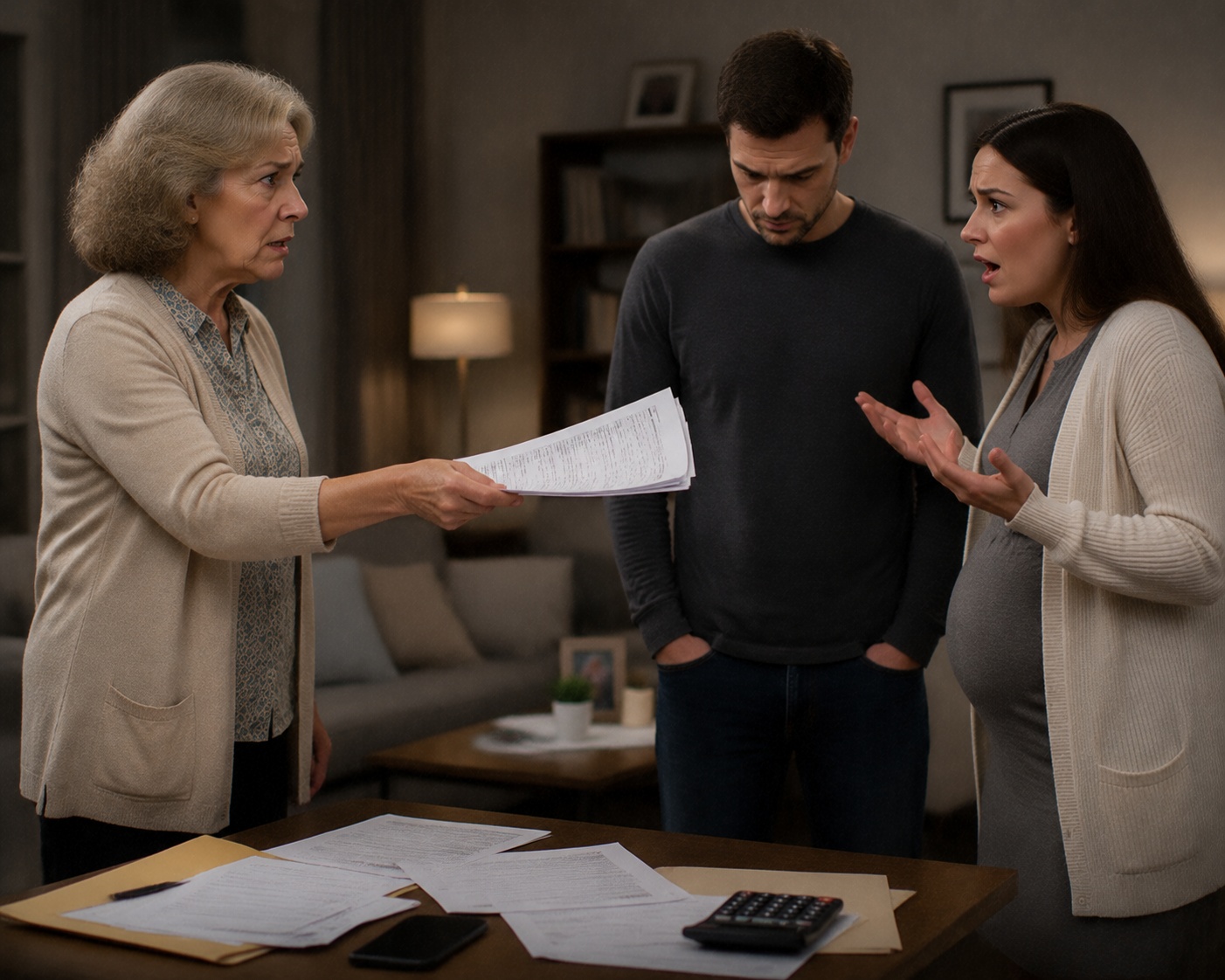
Kiedy w końcu stanęłam przed Roxaną i moim synem, nie była to już ta sama kobieta, która kilka tygodni wcześniej uwierzyła w piękne słowa o trosce. Byłam spokojna. Powiedziałam im, że wiem wszystko. Roxana najpierw próbowała zaprzeczać, ale kiedy zobaczyła dokumenty i dowody, jej pewność siebie zniknęła. Mój syn stał obok niej i po raz pierwszy wyglądał tak, jakby naprawdę zrozumiał, co mogło się wydarzyć. Nie krzyczałam. Nie chciałam zemsty. Powiedziałam tylko: „Najbardziej boli mnie nie to, co chcieliście zrobić. Najbardziej boli mnie to, że zapomnieliście, że jestem człowiekiem, a nie czymś, co można odziedziczyć”. Dzisiaj nadal mieszkam w swoim domu i nadal jeżdżę nad morze. Ale już nigdy nie oddałam nikomu prawa do decydowania o moim życiu. Bo czasami największym zagrożeniem nie jest samotność. Największym zagrożeniem jest ślepa wiara, że każdy, kto nazywa siebie rodziną, zawsze będzie miał dobre intencje.