Teil 2
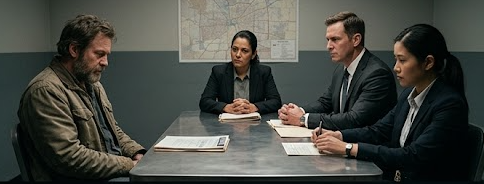
Am Nachmittag saß ich im Dayton Police Department. Nicht verhaftet. Aber demütigend genug.
Ramirez und zwei Bundesagenten – Special Agent Kevin Holt und Melissa Chen – legten mir die Wahrheit offen: Jemand hatte mit meiner Identität mindestens acht Jahre lang echte Unternehmen aufgebaut, Steuern gezahlt, Mitarbeiter beschäftigt und immer größere Kredite aufgenommen.
Nicht nur gestohlen. Gebaut.
Zu Hause fehlte in der feuerfesten Box der blaue Ordner mit den Originaldokumenten – Geburtsurkunden, Sozialversicherungskarten, Heiratsurkunde.
Emily erinnerte sich: Nach Karens Tod hatte mein jüngerer Bruder Brian die Box ausgeliehen. Eine Woche lang.
Am Abend rief Brian an.
Als ich nach dem blauen Ordner fragte, zögerte er zwei Sekunden zu lange.
Am nächsten Morgen rief Ramirez an.
„Die Firmen, die Ihre Identität genutzt haben, teilen sich eine Adresse von vor acht Jahren. Die Firma gehörte damals Charles Whitmore. Und Ihr Bruder arbeitete dort als Vizepräsident.“
Die Kaffeetasse zersprang auf dem Küchenboden.
Brian. Elf Jahre bei Whitmore Development Group. Genau in dem Zeitraum, in dem die Scheinfirmen entstanden waren.
Tage später trug ich bei einem Treffen mit Brian ein Aufnahmegerät. Er wurde wütend, warf mir vor, ich würde jemanden suchen, den ich beschuldigen könne, und ging.
Dann kam die Wende.
Die Ermittler stellten fest: Brian hatte finanziell kaum profitiert. Fast jeder Dollar war über Beratungsverträge und Scheingeschäfte bei Charles Whitmore gelandet.
Brian war benutzt worden.
Bei einem Treffen am Fluss gestand er alles.

Es hatte mit Glücksspielschulden begonnen – über 400.000 Dollar. Whitmore hatte sie bezahlt. Im Gegenzug sollte Brian nach Karens Tod „nur Papierkram“ beschaffen. Dann wurden die Forderungen größer. Unterschreiben. Zustellen. Wegschauen.
Als Brian vor drei Jahren aussteigen wollte, drohte Whitmore ihm mit den bereits unterschriebenen Dokumenten.
„Ich hatte Angst“, sagte Brian.
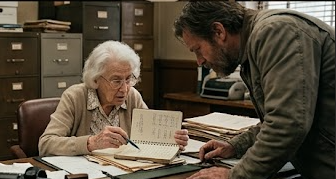
Die entscheidende Zeugin war eine 82-jährige Notarin namens Eleanor Brooks. Sie hatte Jahr für Jahr kleine Notizbücher geführt: Wer kam zuerst, wer sprach, wer trug die Unterlagen.
Immer derselbe gut gekleidete Geschäftsmann – Charles Whitmore –, der für den „Michael Donovan“ sprach und die Papiere führte.
Freitagabend, Community-Leadership-Award-Gala im Dayton Convention Center.
Charles Whitmore stand auf der Bühne und sprach über Integrität.
Dann öffneten sich die Türen.
Acht FBI-Agenten. Detective Ramirez. Bundesanwälte.
Agent Holt trat ans Mikrofon:
„Sie sind festgenommen wegen Verschwörung, Überweisungsbetrug, erschwertem Identitätsdiebstahl, Geldwäsche und Behinderung der Justiz.“
Brian stand auf.
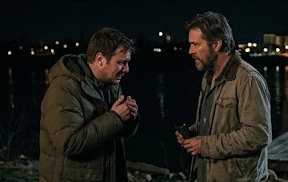
„Ich bin fertig damit, dich zu schützen.“
Auf die Leinwand kamen die Beweise: gefälschte Kreditanträge, E-Mail-Ketten, Überweisungen, Mrs. Brooks’ Notizbücher, Brians Aussage, Schriftvergleiche.
Drei Monate später akzeptierte Charles Whitmore ein Schuldgeständnis. Lange Bundeshaft. Fast sein gesamtes Vermögen wurde eingezogen.
Brian gestand ebenfalls. Wegen seiner Kooperation erhielt er eine mildere Strafe – aber er ging ins Gefängnis.
Bevor man ihn abführte, sah er mich an.
„Es tut mir leid, Mike.“
Diesmal glaubte ich ihm.
„Ich hoffe, wenn du rauskommst, wirst du der Mann, von dem Mama immer geglaubt hat, dass du ihn sein könntest.“
Zwei Wochen nach der Verurteilung fuhren Emily und ich zur Wright State University.
Diesmal nicht, um durch die Tore zu schauen.
Um hindurchzugehen.
Die Studiengebühren waren bezahlt. Die Entschädigung deckte unsere Verluste. Die Kollegen an der Schule hatten spontan fast 4000 Dollar gesammelt – und beschlossen später, daraus ein kleines Notstipendium im Namen meiner Frau Karen zu machen.
Emily umarmte mich so fest, dass ich kaum atmen konnte.
„Du hast es geschafft, Dad.“
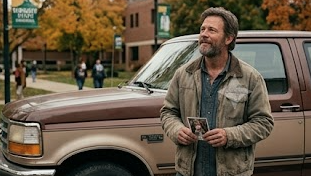
„Nein“, sagte ich. „Wir haben es geschafft.“
Als sie zu ihrer ersten Vorlesung ging, blieb ich einen Moment stehen. Ich zog das alte Foto von Karen aus dem Portemonnaie. Die Ränder waren abgenutzt.
„Wir haben es geschafft“, flüsterte ich.
Dann stieg ich in meinen alten Ford F-150 und fuhr nach Hause – mit etwas, das ich fast ein Jahr lang nicht mehr wirklich besessen hatte:
meinem Namen.