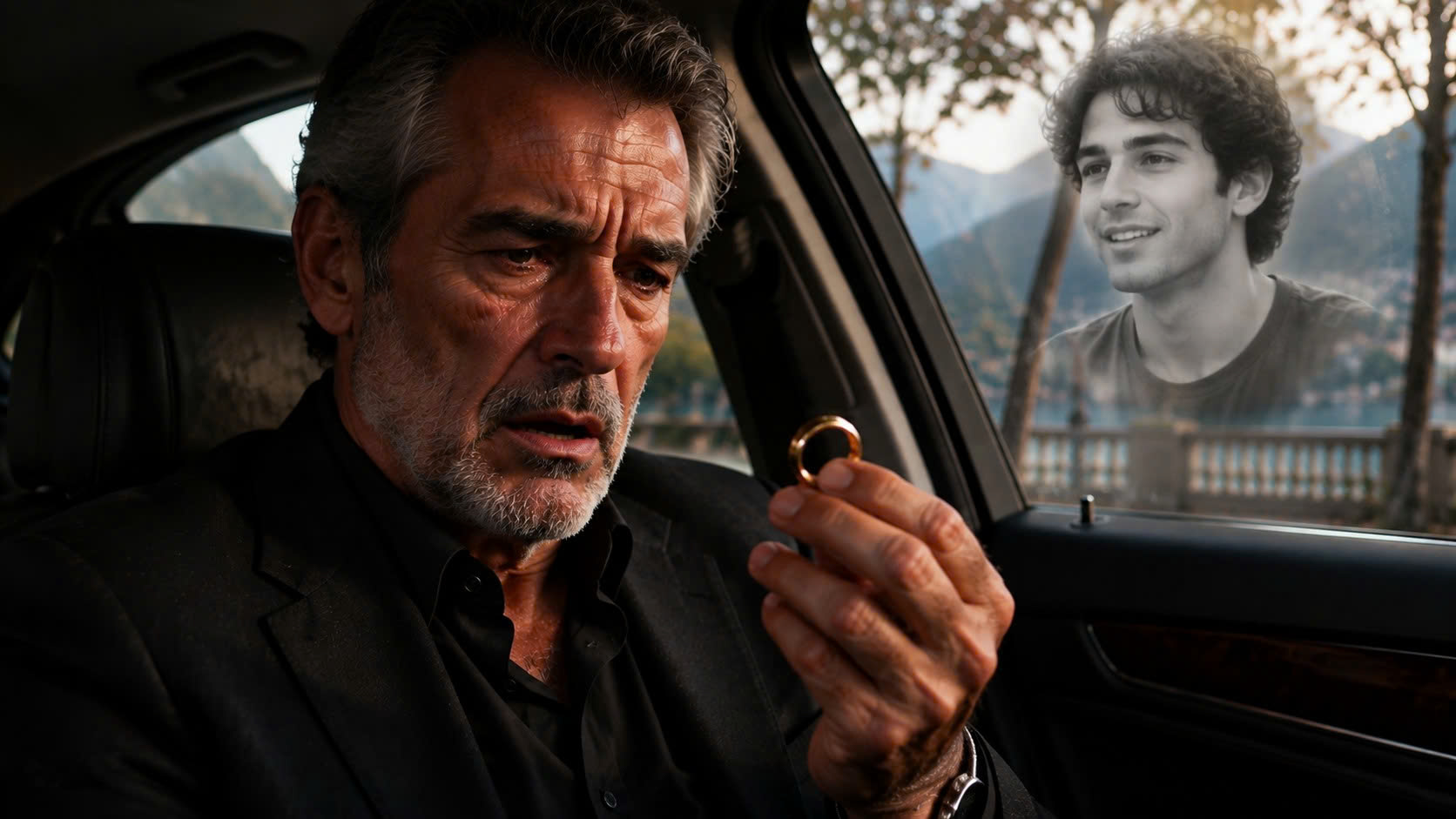
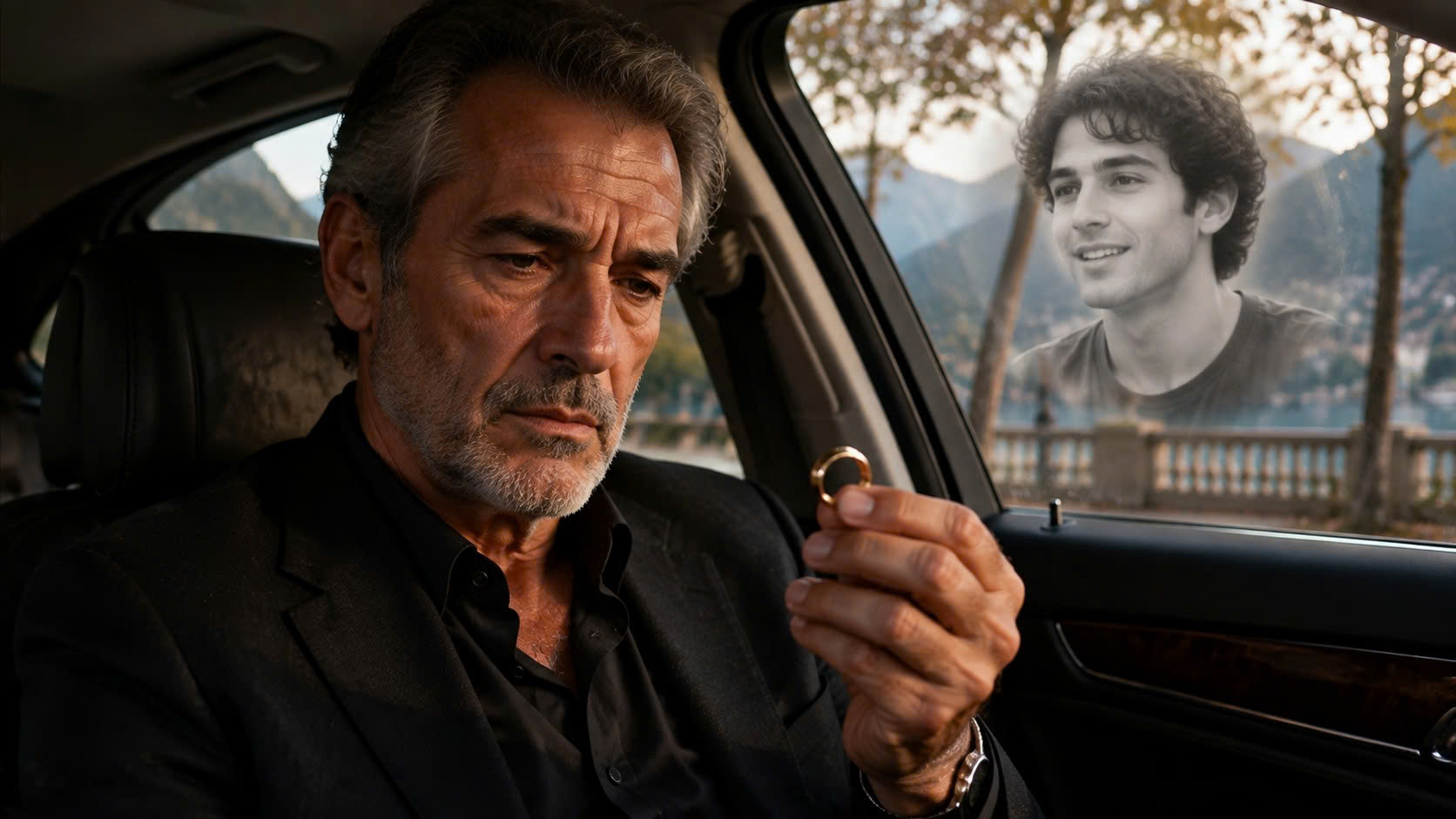
Dopo la morte di mio figlio Luca pensavo di conoscere ogni dettaglio della sua vita. Poi, mentre sistemavo la sua auto per la prima volta dopo il funerale, trovai una piccola scatola nascosta sotto il sedile. Dentro c’era una fede nuziale. Rimasi senza parole. Mio figlio non era mai stato sposato. Non aveva mai parlato di una moglie. Ma dentro l’anello c’erano due iniziali e una data che precedeva la sua morte di poche settimane. Poi mia figlia vide quella fede e il suo volto cambiò completamente…
PARTE 1
Se c’è una cosa che ho imparato dopo aver perso mio figlio, è che il dolore più grande non arriva sempre il giorno del funerale. A volte arriva settimane dopo. Arriva quando pensi di aver già pianto tutte le lacrime. Quando credi di aver accettato la perdita. E poi trovi un oggetto nascosto che ti costringe a mettere in discussione tutto ciò che credevi di sapere sulla persona che amavi. Io sono Matteo Rinaldi. Per quarantadue giorni ho vissuto pensando che mio figlio Luca fosse morto in un tragico incidente stradale. Una curva bagnata. Una macchina fuori controllo. Una chiamata nel cuore della notte che aveva distrutto la mia famiglia. Ma non sapevo ancora che la vera tragedia non era aver perso mio figlio. La vera tragedia era scoprire che, mentre tutti piangevano davanti alla sua bara, alcune persone stavano cancellando la sua vita. La sua famiglia. La sua eredità. E soprattutto… una bambina che aveva il suo stesso sangue. Tutto iniziò con una fede nuziale nascosta sotto il sedile della sua auto. Una fede che non avrebbe dovuto esistere. Perché mio figlio non era mai stato sposato. O almeno… questo era quello che mi avevano fatto credere.
Il giorno in cui decisi di sistemare l’auto di Luca, il cielo era grigio e una pioggia sottile cadeva ancora sul cortile di casa. La macchina era rimasta ferma nel garage per settimane. Non riuscivo nemmeno ad avvicinarmi. Ogni volta che aprivo quella porta sentivo ancora il suo odore. Il profumo che usava. La vecchia giacca lasciata sul sedile posteriore. Piccoli dettagli che facevano male più di qualsiasi ricordo. Ma dovevo farlo. L’auto sarebbe stata portata via presto e volevo recuperare alcune cose personali. Mi inginocchiai accanto al sedile del guidatore. Cercavo il suo vecchio orologio. Quello che gli avevo regalato quando aveva compiuto trent’anni. Passai la mano sotto il sedile. E sentii qualcosa. Un oggetto duro. Qualcosa nascosto. Tirai fuori una piccola scatola metallica fissata con del nastro resistente. Il cuore iniziò a battermi più forte. Perché mio figlio non era il tipo di persona che nascondeva cose senza motivo. Rimossi lentamente il nastro. Aprii la scatola. Dentro c’erano quattro oggetti. Una fede d’oro da uomo. Una ricevuta di una gioielleria. Una piccola chiave con scritto il numero 214. E un foglio piegato. Lo aprii. C’era scritto soltanto un nome. Maya. E un numero di telefono. In quel preciso momento sentii dei passi dietro di me. Mi voltai. Mia figlia Caterina era sulla porta del garage insieme a suo marito Marco. E appena vide quello che avevo tra le mani… il suo volto cambiò. Non era sorpresa. Era paura. Fece alcuni passi verso di me e mi strappò la scatola dalle mani. «Papà, ridammela.» Rimasi immobile. «Caterina, cosa stai facendo?» Lei cercò di sorridere. Ma conoscevo mia figlia. L’avevo cresciuta per trentacinque anni. Sapevo quando mentiva. «Non significa niente,» disse velocemente. «È solo un oggetto senza importanza.» Guardai la sua mano. Tremava. «Perché sei così agitata per un oggetto senza importanza?» Lei non rispose. Marco fece un passo avanti. Si mise tra me e mia figlia. «Matteo, stai vivendo un momento difficile. Dopo quello che è successo a Luca, è normale cercare significati ovunque.» Quelle parole sembravano gentili. Ma qualcosa nel suo tono mi disturbò. Non sembrava un uomo che voleva consolarmi. Sembrava un uomo che voleva fermarmi. Caterina strinse la scatola al petto. Poi prese Marco per il braccio. «Dobbiamo parlare.» Uscirono dal garage. Io rimasi fermo. Avrei potuto seguirli. Avrei potuto chiedere spiegazioni. Ma qualcosa dentro di me mi disse di aspettare.
Mi avvicinai alla porta che dava sulla cucina. Rimasi dietro il legno mezzo aperto. E ascoltai. La voce di Caterina arrivò bassa e agitata. «Papà non deve scoprire di Maya.» Il mio cuore si fermò. Maya. Quel nome. Ancora quel nome. Poi sentii la frase che avrebbe cambiato tutto. «Se quella bambina arriva qui, perdiamo il trenta per cento della società.» Silenzio. Una bambina. Mio figlio aveva una bambina? Le mie mani iniziarono a tremare. Marco parlò. «Allora devi togliere quella fede dalla circolazione.» Caterina rispose: «Se trova il collegamento, capirà tutto.» Non riuscivo più a respirare. Spinsi lentamente la porta. Entrambi si voltarono. Caterina diventò bianca. «Che bambina?» Nessuno rispose. La scatola cadde dalle sue mani. La fede rotolò sul pavimento del garage. Mi chinai e la raccolsi. All’interno c’era un’incisione. Due lettere. L + M. E una data. 18 giugno 2024. Tre settimane prima della morte di Luca. Guardai mia figlia. «Chi è Maya?» Caterina aprì la bocca. Ma non uscì nessuna parola. Per la prima volta nella mia vita vidi paura nei suoi occhi. Presi il foglio con il numero di telefono. E chiamai. Uno squillo. Due. Poi una voce femminile rispose. Era spezzata dall’emozione. «Lei è il padre di Luca, vero?» Rimasi senza parole. La donna continuò: «Finalmente ha trovato la fede.» Poi sentii una voce più piccola. Una bambina. «Mamma… è il nonno?» Chiusi gli occhi. In quel momento capii una cosa. Non avevo perso solo mio figlio. Avevo perso quattro anni della vita di mia nipote.
Il giorno dopo incontrai Maya in un piccolo bar fuori Milano. Volevo evitare occhi indiscreti. Non sapevo di chi fidarmi. Arrivai prima. Quando la porta si aprì, vidi una giovane donna entrare con una bambina accanto. La bambina indossava un vestitino azzurro. Aveva grandi occhi scuri. E quando mi guardò inclinando leggermente la testa… sentii qualcosa spezzarsi dentro di me. Era lo stesso gesto che Luca faceva da bambino quando cercava di capire qualcosa. Maya si sedette davanti a me. Non chiese denaro. Non accusò nessuno. Aprì semplicemente la sua borsa. Tirò fuori una cartella. La mise sul tavolo. Dentro c’erano fotografie. Documenti. Messaggi. Una foto di Luca in ospedale con una neonata tra le braccia. Sorrideva. Non vedevo quel sorriso da anni. Sembrava l’uomo più felice del mondo. Poi arrivarono altre prove. Messaggi tra loro. Una ricevuta della fede. Un progetto di matrimonio. Biglietti aerei acquistati da Luca per portare Maya e la bambina a conoscermi. E infine un video. Premetti play. Sul telefono apparve mio figlio. Più giovane. Più felice. Era in un parco. Stava insegnando alla bambina ad andare in bicicletta. La sua voce arrivò dagli altoparlanti. «Piano, piccola. Tieni forte il manubrio. Papà è qui.» Dovetti abbassare lo sguardo. Perché quelle parole facevano troppo male. Maya prese fiato. «Io non voglio i suoi soldi.» La guardai. «Allora cosa vuoi?» Lei guardò sua figlia. «Voglio che mia figlia sappia che suo padre non l’ha mai abbandonata.» Quelle parole mi distrussero. Perché per quarantadue giorni avevo pianto un figlio che credevo solo. Invece Luca aveva avuto una famiglia. E qualcuno aveva cercato di cancellarla. «Perché non mi ha mai detto niente?» Chiesi. Maya abbassò gli occhi. «Perché gli avevano fatto credere che lei lo odiasse.» Rimasi immobile. «Cosa?» Lei mi mostrò alcuni messaggi. Erano di anni prima. Luca scriveva: «Papà non vuole sapere nulla di te. Dice che stai cercando solo il mio denaro.» Sentii il petto stringersi. Io non avevo mai detto quelle cose. Mai. Maya mi guardò. «Poi ho capito che qualcuno aveva mentito a entrambi.» E lentamente tutto iniziò ad avere senso. Gli ultimi anni di Luca. Le sue chiamate improvvisamente diminuite. Le visite rimandate. Le volte in cui Caterina mi diceva: «Papà, Luca è troppo impegnato. Non vuole parlare. Ha bisogno di spazio.» Io avevo creduto a mia figlia. Ma forse mia figlia aveva costruito un muro tra me e mio figlio.
Maya tirò fuori un vecchio telefono. «Prima di morire Luca mi ha lasciato questo messaggio.» Premette play. La voce di mio figlio riempì il tavolo. «Se mi succede qualcosa, papà deve trovare la fede. Non cercare Caterina. Devi aspettare che la verità arrivi a lui.» Chiusi gli occhi. Perché Luca sapeva. Sapeva che qualcuno lo stava tradendo. Ma non aveva avuto abbastanza tempo. Maya prese la piccola chiave con il numero 214. «Luca aveva nascosto qualcosa,» disse. «Mi disse che solo lei avrebbe capito.» La mattina dopo guidai per quaranta chilometri fino a un vecchio deposito fuori città. La chiave apriva una piccola porta metallica. Numero 214. Dentro c’era una cassaforte. La aprii. All’interno trovai: un fascicolo finanziario, un hard disk, documenti societari, e una busta con scritto: «Per papà.» Le mie mani tremavano mentre aprivo quella lettera. La prima riga era di mio figlio. «Papà, se stai leggendo questo, significa che non sono riuscito a dirti la verità in tempo.» Mi fermai. Perché in quel momento capii che Luca non mi aveva lasciato solo un segreto. Mi aveva lasciato una battaglia. E la battaglia era appena iniziata. Perché quello che trovai dentro quei documenti avrebbe rivelato che la morte di mio figlio non aveva distrutto solo una famiglia… aveva scoperto un tradimento che arrivava molto più vicino di quanto avessi mai immaginato.
PARTE 2
Aprii la busta con il nome di mio figlio scritto sopra e per alcuni secondi non riuscii nemmeno a respirare. Non avevo paura di quello che avrei trovato. Avevo paura di quello che avrei scoperto. Perché dentro di me c’era ancora una piccola speranza. La speranza che tutto fosse solo un terribile equivoco. Che Caterina avesse nascosto Maya per qualche motivo sbagliato. Che Marco avesse commesso un errore. Ma una parte di me sapeva già la verità. Mio figlio non era morto lasciando dietro di sé un segreto. Era morto cercando di proteggere qualcuno. Presi il primo documento. Era una copia del testamento di mia moglie Elena. La donna che avevo amato per tutta la vita. Poi trovai un accordo fiduciario. Una clausola che non avevo mai visto. Se uno dei miei figli fosse morto, la sua quota dell’azienda sarebbe passata direttamente ai suoi eredi biologici. Non agli altri familiari. Non agli amministratori. Ai suoi figli. Aprii gli occhi. La bambina. Ella. Mia nipote. Era la persona che Caterina e Marco stavano cercando di cancellare. Poi trovai un altro documento. Un trasferimento di quote. Il 30% della società di Luca. Firmato pochi giorni prima della sua morte. Ma qualcosa non tornava. La firma sembrava quella di mio figlio. Sembrava. Ma Luca era morto. E quella cosa iniziava a puzzare di inganno. Presi il telefono e chiamai il nostro vecchio avvocato di famiglia. «Avvocato Ferri, ho bisogno di incontrarla subito.» Non gli spiegai tutto al telefono. Non ancora. Avevo imparato una cosa negli ultimi giorni. La verità è fragile quando è nelle mani sbagliate. Un’ora dopo eravamo seduti nel suo studio. Lui analizzò ogni documento lentamente. Poi alzò lo sguardo. «Matteo, devo dirle una cosa.» «Cosa?» Indicò il trasferimento delle quote. «Questo documento potrebbe essere falso.» Sentii il cuore accelerare. «Perché?» Lui prese il foglio. «Perché il file originale risulta creato dopo la morte di Luca.» Silenzio. «Quanto dopo?» L’avvocato guardò il computer. «Trentasei ore dopo l’incidente.» Rimasi immobile. Trentasei ore. Mio figlio era già morto. E qualcuno stava preparando documenti a suo nome.
Quella sera tornai a casa. Caterina e Marco erano lì. Sembravano tranquilli. Troppo tranquilli. Era evidente che pensavano di avere ancora il controllo. Mi sedetti a tavola con loro. Per la prima volta dopo settimane cercai di sembrare soltanto un padre distrutto. Non un uomo pronto a combattere. «Ho trovato una donna,» dissi lentamente. Caterina smise di mangiare. Solo per un secondo. Ma bastò. «Una donna?» Chiese. Finsi di non notarlo. «Si chiama Maya.» Il volto di mia figlia cambiò. «Papà, non devi ascoltarla.» La sua voce diventò più dura. «È una persona che vuole approfittarsi della morte di Luca.» Marco annuì. «Esatto. Probabilmente quella bambina non è nemmeno sua.» Li guardai in silenzio. Poi dissi: «Interessante.» Caterina mi fissò. «Cosa?» «Io non ho mai detto che Maya avesse una bambina.» La stanza diventò completamente silenziosa. Il bicchiere nella mano di Marco tremò. Per la prima volta vidi paura nei loro occhi. «Ho solo detto il nome di una donna,» continuai. «E voi avete già parlato di una bambina.» Caterina abbassò lo sguardo. Ma ormai era troppo tardi. Avevano appena confermato quello che avevo bisogno di sapere. Sapevano tutto. Da sempre. «Papà, stai fraintendendo,» disse Caterina. La guardai. La mia bambina. La stessa che un tempo correva verso di me quando aveva paura. Ora era seduta davanti a me cercando di proteggere una bugia. «No,» risposi. «Sto finalmente capendo.» Marco cambiò atteggiamento. La gentilezza sparì. «Forse dovresti riposarti, Matteo,» disse. «Dopo quello che è successo a Luca, non sei più lucido.» Sorrisi amaramente. «Vuoi dire che dovrei lasciare anche il controllo della società?» Nessuno rispose. Perché quella era esattamente la prossima cosa che avevano in mente.
Nei giorni successivi non li affrontai più. Non perché avessi paura. Ma perché avevo bisogno di prove. La rabbia fa commettere errori. La pazienza invece porta alla verità. Gli esperti informatici analizzarono l’hard disk trovato nel deposito. Dentro c’erano file nascosti. Registrazioni. Email. Documenti finanziari. E poi trovammo qualcosa che mi spezzò più di qualsiasi altra cosa. Un video. La voce di Luca. Premetti play. Mio figlio apparve sullo schermo. Sembrava stanco. Ma sorrideva. «Papà, se stai vedendo questo, probabilmente non sono riuscito a parlarti come volevo.» Dovetti fermare il video. Le lacrime iniziarono a scendere. Dopo qualche secondo continuai. «Non sono indebitato. Non ho perso soldi per gioco. Ho fatto quei movimenti perché stavo seguendo dei trasferimenti sospetti nella società.» Il mio respiro si fermò. Per mesi Marco mi aveva mostrato documenti dicendo che Luca aveva problemi finanziari. Io gli avevo creduto. Avevo pensato che mio figlio si fosse perso. Invece mio figlio stava cercando di salvare ciò che avevo costruito. Luca continuò: «Credo che Marco stia usando la società per spostare denaro attraverso alcune aziende fantasma.» Poi abbassò la voce. «Ho cercato di dirti la verità, papà. Ma ogni volta che provavo a chiamarti, Caterina arrivava prima.» Chiusi il computer. Non riuscivo più a guardare. Perché quella era la parte più dolorosa. Non avevo perso Luca solo il giorno dell’incidente. Lo avevo perso lentamente negli anni. Mentre qualcuno gli impediva di raggiungermi. La situazione precipitò quando il commercialista forense trovò i movimenti bancari. Quattrocentoventottomila euro. Scomparsi dalla società. Trasferiti a una società fittizia collegata al fratello di Marco. Poi usati per pagare il mutuo della loro villa privata. Ma non era tutto. Il giorno del funerale di Luca, quando tutti stavano piangendo davanti alla sua bara… qualcuno aveva effettuato un trasferimento dal suo conto personale. Ottantaseimila euro. L’autorizzazione era arrivata dal telefono di Caterina. Mia figlia. Il giorno stesso in cui aveva salutato suo fratello. Sedetti nel mio ufficio guardando quel documento. Pensavo che Marco fosse il problema. Mi sbagliavo. Marco aveva manipolato mia figlia. Ma mia figlia aveva scelto di aprire la porta.
Il giorno dopo arrivò la notizia peggiore. Marco aveva convocato una riunione straordinaria del consiglio. Voleva vendere alcuni dei principali asset dell’azienda. Prima che l’indagine arrivasse a lui. Avevamo quarantotto ore. Solo quarantotto. Il mio avvocato preparò immediatamente un’azione d’urgenza. Blocco della vendita. Sospensione dei poteri decisionali di Marco. Protezione delle quote destinate a Ella. Conservazione obbligatoria di tutti i dati aziendali. La mattina della riunione, entrai nella sala del consiglio insieme al mio avvocato. Marco era seduto a capotavola. Quando mi vide, sorrise. «Sei davvero arrivato fin qui per quella donna?» Lo guardai. «No.» Posai i documenti sul tavolo. «Sono arrivato per mio figlio.» Il sorriso sparì. Il mio avvocato consegnò l’ordine del tribunale. La stanza si congelò. Marco lesse il documento. Le sue mani iniziarono a tremare. Caterina mi guardava. Aveva gli occhi pieni di rabbia. «Stai scegliendo degli estranei invece di tua figlia.» La fissai. E per la prima volta non vidi mia figlia. Vidi una persona che aveva tradito la propria famiglia. «No, Caterina.» La mia voce rimase calma. «Sto scegliendo la verità.» Fece un passo indietro. «Hai cacciato una bambina dal funerale di suo padre.» Silenzio. «Non parlarmi di famiglia.» Undici giorni dopo eravamo in tribunale. Maya era seduta accanto a me. Ella teneva la mano della madre. La piccola non capiva completamente cosa stesse succedendo. Ma sapeva una cosa. Aveva finalmente trovato suo nonno. Le prove vennero presentate una dopo l’altra. Il test del DNA. I documenti lasciati da Luca. I registri informatici. Il file creato dopo la sua morte. I trasferimenti di denaro. Ogni bugia cadeva. Una dopo l’altra. L’avvocato di Marco cercò di sostenere che Luca aveva intenzione di lasciare le quote a Caterina. Ma la prova digitale dimostrava il contrario. Poi arrivò il momento che non dimenticherò mai. Il giudice permise a Caterina di parlare. Lei mi guardò. E finalmente la maschera cadde. «Io non volevo tutto questo,» disse piangendo. «Marco mi aveva detto che era l’unico modo.» Il mio avvocato si alzò. Presentò una nuova prova. Un’email. Scritta da Caterina prima del funerale. La lessi lentamente. «Maya non deve avvicinarsi a papà finché il trasferimento non sarà completato. Se Ella viene riconosciuta, perdiamo la quota di Luca.» La sala rimase senza voce. Marco guardò Caterina. Caterina guardò Marco. E improvvisamente iniziarono ad accusarsi a vicenda. «È stata una tua idea!» Urlò lui. «Tu mi avevi detto che nessuno avrebbe mai scoperto niente!» Li guardai. Due persone che avevano distrutto una famiglia per denaro. E capii una cosa. Non si erano mai amati. Avevano amato solo ciò che potevano ottenere insieme. Il giudice colpì il martello. Il verdetto fu chiaro. Il trasferimento delle quote era nullo. La quota di Luca sarebbe andata a Ella attraverso un fondo protetto. Marco fu rimosso dalla società e affrontò un procedimento per frode e falsificazione. Caterina perse il suo ruolo e dovette affrontare le conseguenze delle sue scelte.
Sei mesi dopo, portai Ella al cimitero. Avevo ancora la fede di Luca. L’avevo conservata dal giorno in cui l’avevo trovata. La presi dalla tasca. La misi tra le mani di Maya. Lei pianse. «Non è solo un anello,» disse. «È la prova che Luca non ci ha mai abbandonate.» Maya infilò la fede su una piccola catena d’argento e la mise al collo di Ella. La bambina toccò l’anello. Poi guardò la tomba di suo padre. «Papà sapeva che il nonno mi avrebbe trovato?» Sorrisi con le lacrime agli occhi. «Credo proprio di sì.» Guardai il nome di mio figlio inciso sulla pietra. Per la prima volta dopo tanto tempo, sentii pace. Loro avevano cercato di cancellare Luca. Avevano cercato di cancellare sua figlia. Avevano cercato di cancellare la verità. Ma avevano commesso un errore. Avevano nascosto la verità in un posto dove un padre disperato avrebbe continuato a cercarla. Una piccola fede. Un nome. Un messaggio lasciato da un figlio che sapeva che suo padre avrebbe trovato la strada. Perché alla fine la vendetta più grande non è distruggere chi ti ha ferito. È riportare la verità al suo posto. E dare a chi è stato privato di qualcosa ciò che gli apparteneva da sempre.