Część 1: Śmiech na sali sądowej
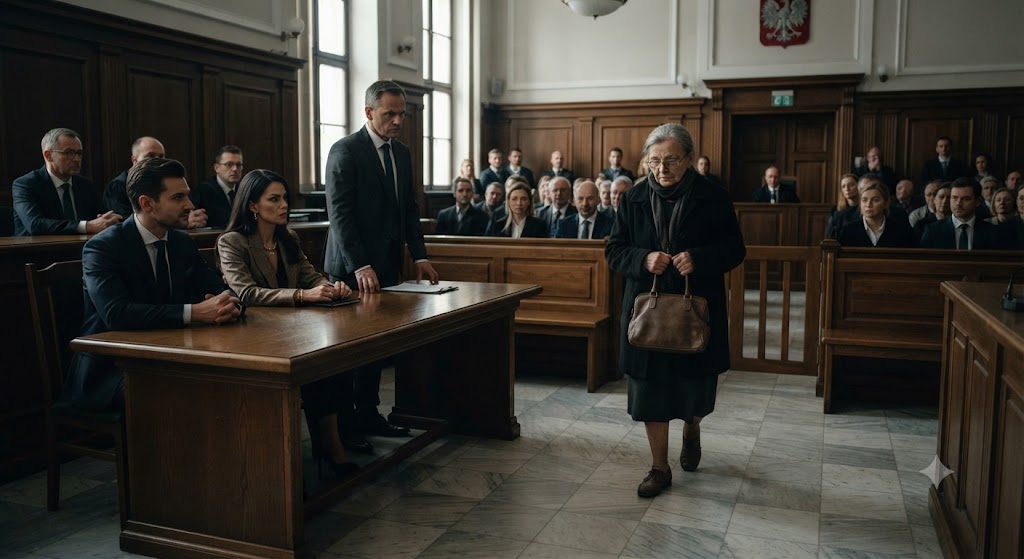
Śmiali się. W chwili gdy przekroczyłam próg tej sali sądowej, moja własna córka, moja Patrycja, parsknęła cichym, zduszonym śmiechem. Jej mąż Michał, siedzący obok w idealnie skrojonym garniturze, tylko potrząsnął głową z wyrazem pobłażliwej litości. Widziałam, jak trącał łokciem swojego adwokata, mecenasa Nowaka, pewnie szepcząc jakiś żart o zagubionej staruszce, która pomyliła sąd z przychodnią rejonową.
Ich rozbawione spojrzenia były jak fizyczne ciosy. Każdy kolejny odbierał mi dech. Moje stare, wysłużone pantofle, które kupiłam lata temu w sklepie CCC, nagle wydały mi się ciężkie jak ołów na lśniącej marmurowej posadzce. Kontrastowały tak boleśnie z błyszczącymi włoskimi butami Michała i szpilkami od Casadei mojej córki. W ich oczach byłam dokładnie tym, kim chcieli, żebym była: reliktem przeszłości, nieporadną wdową, która niechcący potknęła się o fortunę i nie miała pojęcia, co z nią zrobić.
Nie wiedzieli, że w tej sfatygowanej, skórzanej torebce, którą ściskałam w spoconych dłoniach, obok chusteczek higienicznych i tabletek na nadciśnienie, spoczywała moja stara legitymacja adwokacka i pamięć ostra jak brzytwa. Broń, której istnienia nawet nie podejrzewali.
Nazywam się Elżbieta Wójcik. Mam 65 lat i od pół roku jestem wdową. Przez ostatnie 35 lat moje życie definiowane było przez role, jakie pełniłam dla innych. Byłam żoną Roberta Wójcika, znanego warszawskiego dewelopera, i matką Patrycji. Mój świat kręcił się wokół ich potrzeb, ich grafik, ich sukcesów i porażek. Byłam tłem dla ich portretu, cichym architektem domowego ogniska, które miało zapewniać im siłę i spokój.
Nikt nigdy nie pytał, kim była Elżbieta Mrozowska, zanim stała się panią Wójcik. Nikt nie dociekał, jakie marzenia porzuciła, jakie ambicje złożyła na ołtarzu rodziny. A ja nigdy o tym nie mówiłam. Uznałam, że miłość wymaga poświęceń, a szczęście moich najbliższych jest moim własnym. Jak bardzo się myliłam.
Część 2: Testament i zdrada
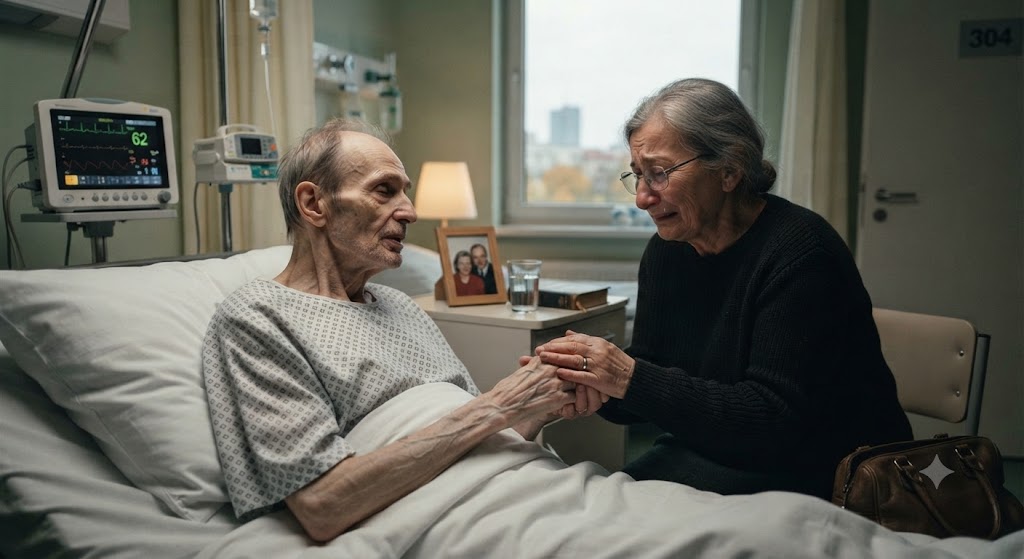
Prawdziwy początek tej historii nie miał miejsca na sali sądowej, lecz w sterylnym, pachnącym lizolem pokoju szpitalnym przy ulicy Banacha. Sześć miesięcy wcześniej trzymałam Roberta za rękę, czując, jak jego uścisk słabnie z każdą godziną. Lekarze dawali mu pół roku, ale rak, który zagnieździł się w jego płucach, był bezwzględnym, galopującym potworem. Zabrał go nam w niespełna trzy miesiące.
W tamtych ostatnich chwilach spojrzał na mnie z niezwykłą jasnością umysłu. Jego głos był szeptem, ledwo słyszalnym ponad miarowym pikaniem aparatury.
„Elu… oni przyjdą po ciebie. Patrycja i ten jej mąż. Oni myślą, że nic nie wiesz, że jesteś słaba. Ale ja o wszystko zadbałem. Wszystko jest twoje, tak jak rozmawialiśmy. Obiecaj mi, że będziesz silna. Pokaż im, kim jesteś.”
Pocałowałam go w czoło. „Obiecuję, Robciu. Dam sobie radę.”
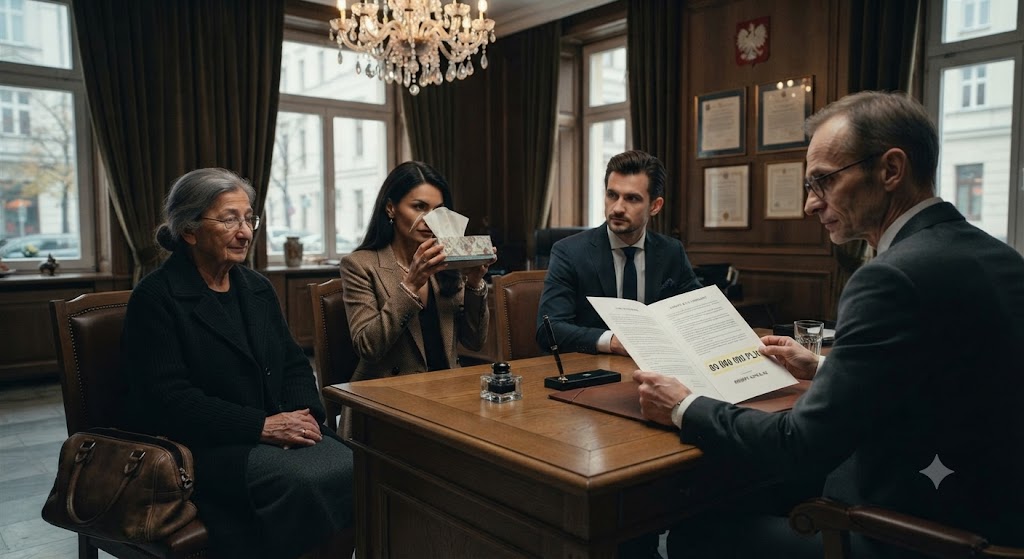
Odczytanie testamentu odbyło się dwa tygodnie później w eleganckiej kancelarii notarialnej na Nowym Świecie. Patrycja przybyła ubrana w czerń od stóp do głów, z pudełkiem chusteczek w dłoni, odgrywając rolę pogrążonej w żałobie córki z godną Oskara precyzją. Michał stał u jej boku, obejmując ją ramieniem, a jego oczy już lustrowały kosztowne meble w gabinecie.
Notariusz odchrząknął i zaczął czytać. Gdy dotarł do kluczowego fragmentu, w pokoju zapadła cisza tak głęboka, że słyszałam bicie własnego serca.
„Ja, Robert Jan Wójcik, będąc w pełni władz umysłowych, cały swój majątek, w tym wszystkie nieruchomości, inwestycje, środki zgromadzone na kontach bankowych oraz udziały w spółkach, szacowane na dzień dzisiejszy na kwotę około 80 milionów złotych, w całości przekazuję mojej ukochanej żonie Elżbiecie Marii Wójcik.”
Pudełko chusteczek wysunęło się z dłoni Patrycji i z głuchym stukotem upadło na perski dywan.
„To niemożliwe”, wydukała. „Tata obiecał mi dom na Mazurach. Mówił, że odziedziczę firmę.”
Notariusz spojrzał na nią znad okularów. „Testament jest w tej kwestii jednoznaczny. Pański ojciec zapisał pani pamiątkowy album ze zdjęciami rodzinnymi oraz swój zegarek marki Omega. Panu, panie Borowski, zapisał swój komplet kijów golfowych.”
Twarz mojej córki w ciągu kilku sekund przeszła transformację od udawanego smutku do czystej, nieskrępowanej furii.
„To jest jakiś absurd. Mama nie ma zielonego pojęcia o zarządzaniu pieniędzmi. Ona wszystko straci w ciągu roku.”
Głos Michała był twardszy. „Musimy zobaczyć te dokumenty. To musi być jakaś pomyłka, jakieś oszustwo.”
Ale pomyłki nie było. Robert planował to od lat, aktualizując testament za każdym razem, gdy Patrycja i Michał pokazywali swoje prawdziwe oblicze.
Część 3: Pozew o ubezwłasnowolnienie
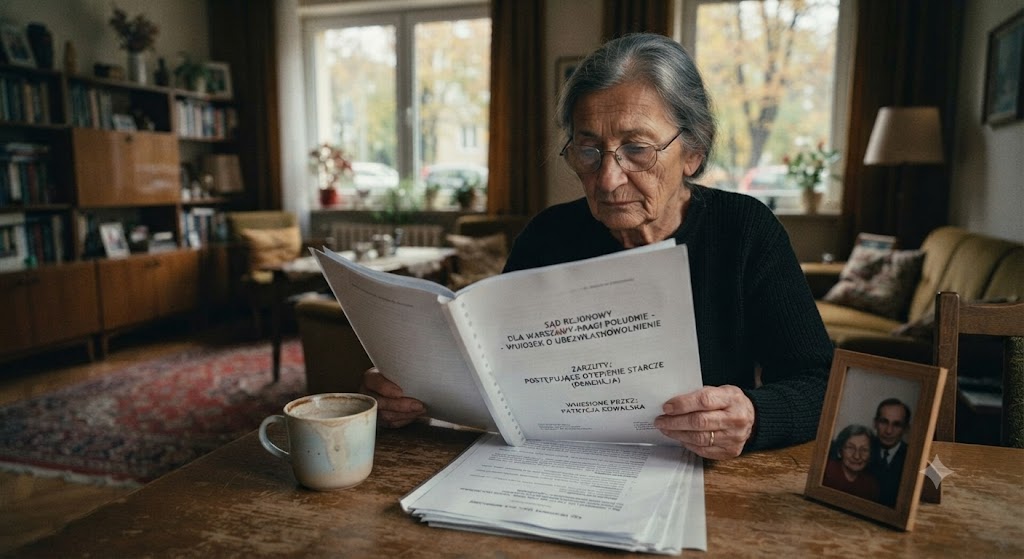
Pozew przyszedł we wtorek rano. Według tych dokumentów ja, Elżbieta Wójcik, cierpiałam na postępującą demencję. Zostałam zmanipulowana przez niezidentyfikowane osoby trzecie w celu sfałszowania testamentu i stanowiłam zagrożenie dla samej siebie z powodu irracjonalnych decyzji finansowych.
Dowody, które zebrali, były absurdalne. Rachunek za pomoc drogową sprzed roku, kiedy zgubiłam się w drodze do ich nowego domu z powodu objazdów. Moja „niezdolność” do obsługi nowoczesnych technologii, bo poprosiłam wnuczkę o pomoc z Netfliksem. Najbardziej jadowite było oświadczenie Michała, w którym zeznał, że stałam się obsesyjnie skryta i paranoiczna w kwestiach finansowych.
Telefon zadzwonił niecałą godzinę później. Numer Patrycji.
„Mamo, tak mi przykro, że musiałaś się o tym dowiedzieć w ten sposób. Próbowaliśmy z tobą rozmawiać, ale po prostu nie jesteś w stanie udźwignąć tej odpowiedzialności.”
„Rozumiem”, odparłam spokojnie. „A gdzie dokładnie miałabym mieszkać w ramach tego układu?”
„Cóż, dom na Mazurach byłby dla ciebie idealny. Jest mniejszy, łatwiejszy w utrzymaniu. My oczywiście zajęlibyśmy dom na Saskiej Kępie.”
Pojechałam do nich bez zapowiedzi. Ostatni raz spróbowałam przemówić córce do serca.
„Patrycjo, nie jestem chora. Jestem w żałobie. Próbuję się odnaleźć w nowej rzeczywistości, ale nie jestem niekompetentna.”
Usiadła naprzeciwko mnie z mieszaniną litości i irytacji. „Mamo, wczoraj dzwoniłaś do mnie zapytać, jak zrobić przelew przez internet. To nie są normalne oznaki starzenia się.”
„A co jeśli ci powiem, że udawałam?”
Zaskoczyła ją. „Udawałaś co?”
„Że jestem bezradna. Że potrzebuję pomocy w rzeczach, które doskonale rozumiem. Bo ludzie traktują cię inaczej, gdy myślą, że jesteś słaba. Mówią przy tobie rzeczy, których nigdy nie powiedzieliby komuś, kogo uważają za zagrożenie.”
Roześmiała się ostro. „Zagrożenie? Ty, mamo? Masz 65 lat. Od 30 lat nie pracowałaś poza domem. Jakim ty możesz być zagrożeniem?”
Wstałam. „Takim, o jakim wkrótce się przekonasz. Kocham cię, Patrycjo. Zawsze będę. Ale nie pozwolę, żebyś ty ani nikt inny ukradł to, na co twój ojciec pracował całe życie.”
Część 4: Elżbieta Mrozowska wraca
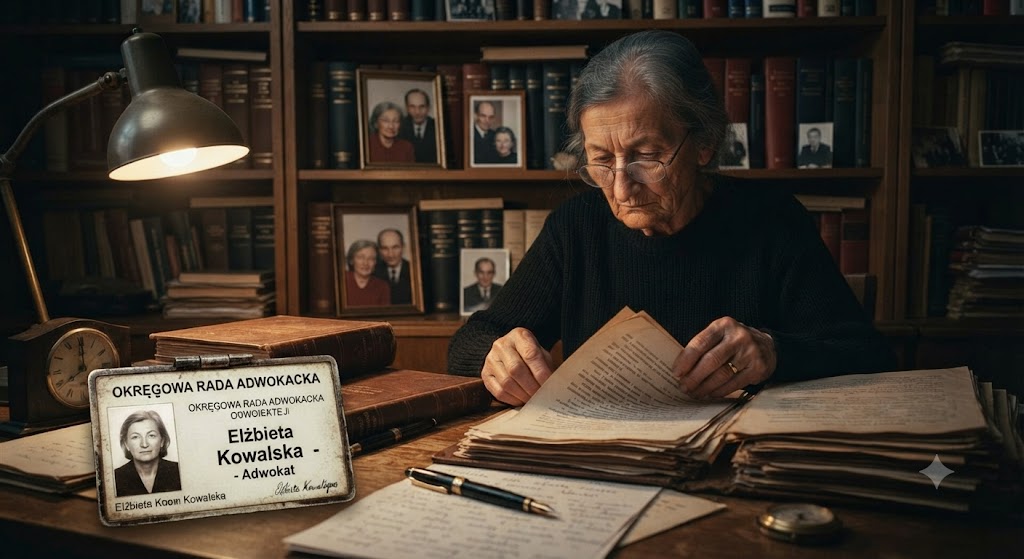
Tego samego wieczoru wykonałam telefon, który tak długo odkładałam. Numer na wizytówce, którą Robert zostawił mi lata wcześniej.
„Elu, mój Boże, czy to naprawdę ty?”
Głos Małgorzaty Kamińskiej – mojej dawnej rywalki i jedynej prawdziwej przyjaciółki z wydziału prawa Uniwersytetu Warszawskiego – natychmiast rozpoznałam mimo upływu lat.
„To naprawdę ja, Elżbieta Mrozowska. Moja córka mnie pozywa. Myśli, że jestem niekompetentną staruszką, która przez przypadek odziedziczyła fortunę. Nie ma pojęcia, kim kiedyś byłam.”
Śmiech Małgosi był dokładnie taki sam jak 40 lat temu. „Elżbieta Niszczycielka Mrozowska. Niekompetentna. To dobre. Pamiętasz sprawę Hartmana? Zmasakrowałaś trzech biegłych sądowych w jedno popołudnie.”
„Będę reprezentować się sama.”
Rankiem w dniu pierwszej rozprawy ubrałam się starannie – w starą granatową sukienkę i te same rozsądne buty. Pozwoliłam im myśleć, co chcieli. Usiadłam sama przy stole dla strony pozwanej. Żadnego adwokata u boku. Tylko stara kobieta z torebką.
Mecenas Nowak malował mój portret: zdezorientowana, bezbronna, podatna na manipulację. Wnosił o natychmiastowe badania psychiatryczne i ustanowienie tymczasowego kuratora.
Sędzia Kamińska spojrzała na mnie. „Pani Wójcik, rozumiem, że reprezentuje się pani sama.”
„Tak, wysoki sądzie. Nie stać mnie na adwokata.”
A potem przestałam udawać. Wyprostowałam ramiona i pozwoliłam, by 30 lat starannie pielęgnowanej fasady opadło ze mnie jak stary płaszcz.
„Wysoki sądzie, chciałabym przedstawić sądowi moje kwalifikacje.” Sięgnęłam do torebki i wyjęłam małą plastikową kartę. „Elżbieta Mrozowska Wójcik, członek Okręgowej Rady Adwokackiej w Warszawie od 1982 roku. Numer wpisu 847293. Licencja aktywna i opłacona.”
Cisza w sali sądowej była absolutna. Szczęka Patrycji opadła. Michał złapał ją za ramię. Mecenas Nowak wyglądał, jakby ktoś go spoliczkował.
„Przez 15 lat praktykowałam prawo karne. Specjalizowałam się w skomplikowanych sprawach o oszustwa gospodarcze. Rozumiem planowanie spadkowe, prawo fundacyjne i zarządzanie finansami lepiej niż większość ludzi na tej sali.”
Część 5: Wolność nad Bałtykiem
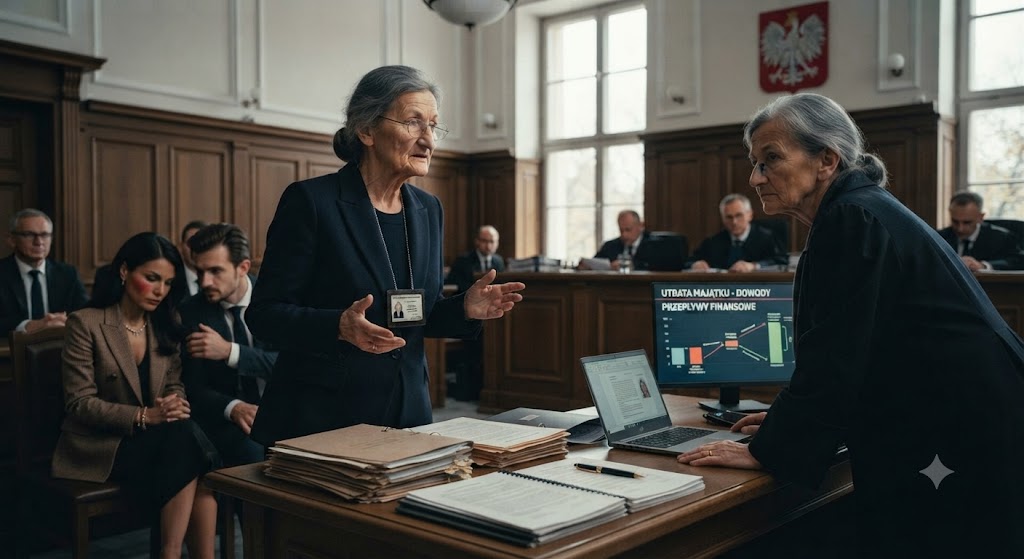
Sprawa runęła. Sędzia Kamińska oddaliła wniosek w całości. „Pani Wójcik wykazała się wyjątkową bystrością umysłu i wiedzą prawniczą. Co ważniejsze, ujawniła prawdziwą motywację stojącą za tym pozwem. Sąd uznaje, że pozew złożono nie z troski o dobro pani Wójcik, lecz w celu przejęcia kontroli nad majątkiem.”
Gdy wychodzili, Patrycja odwróciła się ostatni raz. „Mamo, przepraszam.”
Skinęłam głową. „Wiem, że ci przykro, kochanie. Ale «przepraszam» już nie wystarczy.”
Sześć miesięcy później sprzedałam duży dom na Saskiej Kępie. Ciężar wspomnień stał się nie do zniesienia. Kupiłam piękny, jasny apartament w Sopocie z widokiem na morze. Każdego ranka spaceruję po molo, a słona bryza Bałtyku zdaje się zmywać ze mnie resztki smutku i zdrady.
Patrycja dzwoni czasami. Powoli, bardzo powoli odbudowujemy naszą relację – ale na nowych zasadach: szczerości, szacunku i jasno określonych granicach. Zaufanie jest jak lustro. Raz rozbite, nigdy nie będzie takie samo.
Połowę majątku Roberta – 40 milionów złotych – przekazałam na rzecz fundacji pomocy prawnej, która wspiera osoby starsze w walce z nadużyciami finansowymi ze strony rodziny. Druga połowa finansuje bardzo komfortową emeryturę kobiecie, która przez 30 lat udawała bezradną, tylko po to, by odkryć, że jest silniejsza, niż kiedykolwiek sobie wyobrażała.
Nie jestem już tylko żoną, matką czy wdową. Jestem Elżbietą. I po raz pierwszy od bardzo dawna czuję się wolna.