Avevo ventisei anni, un lavoro che non potevo perdere e una sorella che dipendeva completamente da me. Per questo ogni giorno sopportavo il mio superiore, Riccardo, anche quando superava ogni limite. Sapeva che avevo paura. Sapeva che non potevo rischiare di restare senza stipendio. Poi una notte, mentre l’ufficio era vuoto, mi bloccò contro la scrivania e pensò di poter fare qualsiasi cosa. Nessuno osava fermarlo. Nessuno tranne l’uomo che entrò proprio in quel momento. Leo Ferri guardò la sua mano su di me… e pronunciò una sola frase che cambiò tutto…
PARTE 1
Se c’è una cosa che ho imparato nella vita è che alcune persone non alzano mai la voce quando vogliono distruggerti. Non minacciano. Non urlano. Semplicemente aspettano il momento in cui pensi di non avere più scelta. Ero arrivata a quel punto. Avevo ventisei anni, una montagna di bollette, una sorella che dipendeva da me e un lavoro che odiavo ma che non potevo permettermi di perdere. Ogni mattina entravo nello stesso ufficio. Ogni sera uscivo più stanca di quando ero entrata. E ogni giorno dovevo sopportare un uomo che aveva capito perfettamente la mia debolezza. Il suo nome era Riccardo Valenti. Il mio capo. L’uomo che aveva imparato a superare ogni limite senza mai lasciarsi abbastanza prove per essere punito. Fino a quella notte. Perché quella notte qualcuno finalmente aprì la porta. E quando lo fece… Riccardo capì che aveva scelto la persona sbagliata da tormentare.
Mi chiamo Chiara Moretti. Lavoravo come responsabile logistica presso la Nord Italia Trasporti, una grande azienda di spedizioni con sede a Torino. Il mio titolo sembrava importante. «Coordinatrice senior della logistica.» Ma la realtà era molto diversa. Ero la persona che sistemava gli errori degli altri. Controllavo documenti. Correggevo fatture. Risollevavo problemi che nessuno voleva affrontare. E lo facevo per uno stipendio che bastava appena a coprire le spese. Ma non potevo andarmene. Perché avevo mia sorella Sofia. Aveva vent’anni. Viveva in una struttura specializzata dopo un grave problema neurologico che aveva cambiato completamente la sua vita. Le sue terapie erano costose. Le medicine ancora di più. Ogni mese facevo i conti. Affitto. Bollette. Cure. E alla fine restava sempre troppo poco. Quel lavoro non era un lavoro. Era una necessità. E Riccardo lo sapeva. Riccardo Valenti era il direttore regionale dell’azienda. Un uomo sulla quarantina. Sempre vestito con abiti costosi. Sempre con quel sorriso falso che faceva sentire le persone inferiori. Era il tipo di uomo che davanti ai dirigenti sembrava gentile e professionale.
Ma con chi aveva meno potere diventava un’altra persona. Non faceva mai qualcosa di abbastanza evidente da permettere una denuncia. Era intelligente. Calcolato. Pericoloso. Un commento sul mio aspetto. Un messaggio fuori dall’orario di lavoro. Una mano sulla spalla che durava troppo. Una vicinanza fisica che faceva capire il messaggio. E io sopportavo. Perché avevo paura. Paura di perdere l’assicurazione sanitaria. Paura di non poter più pagare le cure di Sofia. Paura che nessuno mi credesse. «Sei stanca oggi, Chiara.» La sua voce arrivò alle mie spalle. Non mi ero nemmeno accorta che fosse vicino. Era una delle sue strategie. Entrare nello spazio degli altri senza chiedere permesso. Continuai a guardare il computer. «Sto controllando le ultime spedizioni.» Riccardo appoggiò una mano sulla mia scrivania. Troppo vicino. «Lavori troppo.» «È il mio lavoro.» Sorrise. «Dovresti imparare a rilassarti.» Non risposi. Avevo imparato che con uomini come lui ogni risposta diventava un’opportunità. «Potremmo bere qualcosa dopo,» disse. «No, grazie.» La mia voce rimase neutra. «Devo andare da mia sorella.» Il suo sorriso si spense per un secondo. Poi tornò. «Sempre tua sorella,» disse piano. Quella frase mi fece male. Perché dentro c’era tutto il suo disprezzo. Come se prendermi cura di qualcuno fosse un difetto.
Per fortuna, ogni giovedì arrivavano i soci dell’azienda per controllare i conti. Uno di loro era Leonardo Ferri. Leo. Non parlava molto. Non ne aveva bisogno. Era un uomo completamente diverso da Riccardo. Riccardo riempiva una stanza con il rumore. Leo la riempiva con il silenzio. Aveva circa quarant’anni. Capelli scuri. Occhi grigi. Un volto duro, quasi scolpito. Vestiva sempre con eleganza, ma senza ostentazione. Nessun logo. Nessun gioiello. Solo sicurezza. Tutti in azienda sapevano che Leo Ferri era un uomo importante. Molto importante. Ma nessuno conosceva davvero la sua vita. Arrivava. Parlava con Riccardo. Controllava i documenti. Poi andava via. La prima volta che si rivolse a me fu durante una giornata particolarmente difficile. Ero rimasta senza pausa pranzo. Avevo mangiato soltanto una barretta davanti al computer.
All’improvviso comparve una tazza sulla mia scrivania. Alzai lo sguardo. Era Leo. «Tè,» disse. Lo guardai sorpresa. «Scusi?» «Tè nero.» Indicò la tazza. «Il caffè della macchinetta è terribile.» Rimasi in silenzio. Non capivo. «Grazie, signor Ferri.» «Leo,» mi corresse. Poi guardò la foto sulla mia scrivania. Era una foto di Sofia. «Tua sorella?» Annuii. Lui non fece altre domande. Non fece commenti. Semplicemente disse: «Fai una pausa ogni tanto.» Poi se ne andò. Rimasi a guardare quella tazza. Non ero abituata alla gentilezza. Soprattutto senza una richiesta nascosta. Da quel giorno diventò una strana abitudine. Ogni giovedì trovavo una tazza di tè sulla scrivania. A volte mi aiutava con un problema tecnico. Una volta sistemò una stampante bloccata senza chiamare nessuno. Non mi trattava come qualcuno da salvare. Mi trattava come una persona. Ed era proprio questo che mi confondeva. Perché uomini come Leo Ferri non facevano cose senza motivo. O almeno… così pensavo.
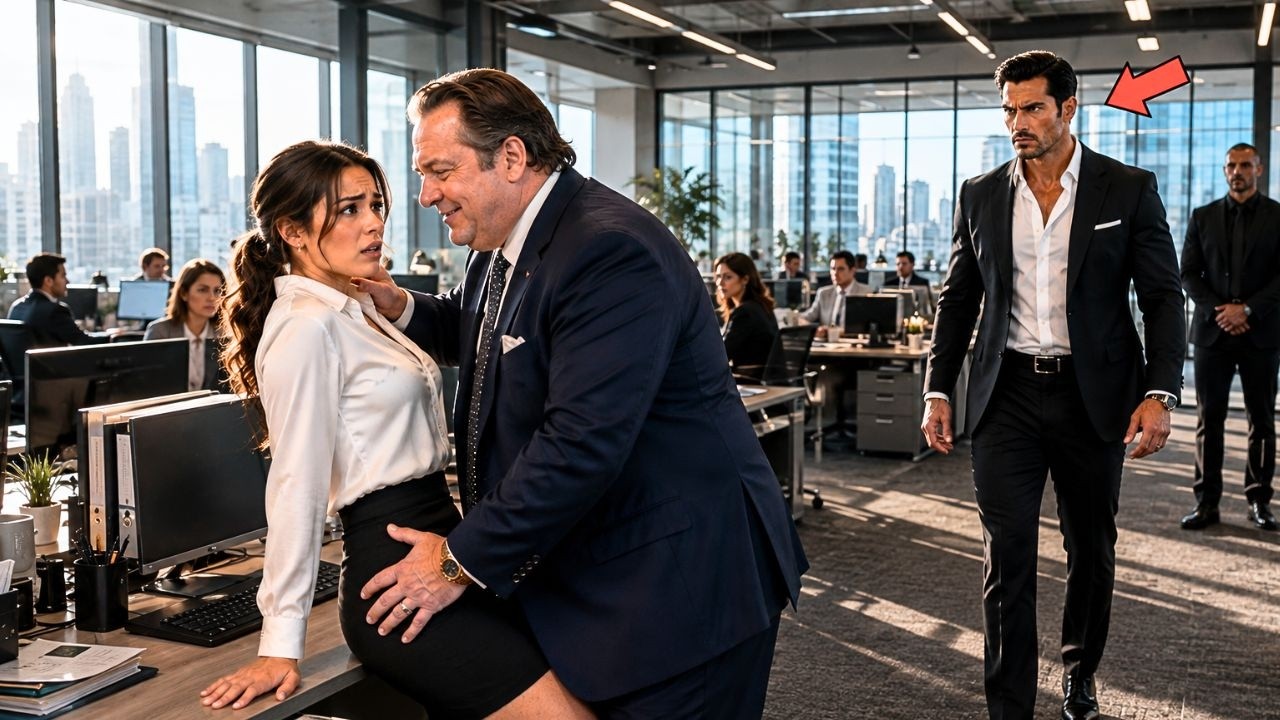
La notte che cambiò tutto arrivò un martedì. Erano quasi le nove. L’ufficio era vuoto. Tutti erano andati via. Io stavo finendo alcuni rapporti finanziari. Fuori pioveva. La città era coperta da una nebbia fredda. Quando chiusi finalmente il file, sospirai. Presi la borsa. Volevo solo tornare a casa. Poi sentii una voce. «Ancora qui?» Mi voltai. Riccardo era davanti alla mia scrivania. La cravatta allentata. La camicia aperta. E l’odore dell’alcol era evidente. Il mio corpo si irrigidì. «Sto andando via.» Presi la borsa. Provai a passare. Ma lui si spostò. Bloccandomi. «Aspetta.» Il mio cuore iniziò a battere più forte. «Riccardo, devo andare.» Lui sorrise. Non era un sorriso normale. Era quello di qualcuno che pensava di avere già vinto. «Sei sempre così fredda.» Fece un passo avanti. «Io cerco solo di conoscerti meglio.» «Non sono interessata.» La mia voce tremò leggermente. Lui lo notò. E questo lo incoraggiò. «Dovresti essere più gentile con chi può aiutarti.» Quella frase mi fece capire tutto. Non voleva conoscermi.
Voleva ricordarmi che aveva potere. Indietreggiai. La scrivania fermò il movimento. Non avevo spazio. Riccardo si avvicinò. La sua mano arrivò sulla mia spalla. Mi bloccai. Per un istante tornai quella ragazza spaventata che calcolava le conseguenze. Se reagivo? Perdevo il lavoro. Perdevo l’assicurazione. Perdevo tutto. Poi sentii qualcosa. Un rumore. La porta principale dell’ufficio che si chiudeva. Un passo. Poi un altro. Lento. Calmo. Sicuro. Riccardo si fermò. Anche lui lo sentì. La luce del corridoio illuminò una figura. Leo Ferri. Fermo sulla soglia. Il suo sguardo non era su Riccardo. Era sulla mano di Riccardo ancora vicino a me. Il silenzio diventò pesante. «Signor Ferri…» La sicurezza di Riccardo sparì immediatamente. Leo non rispose. Guardò prima me. Vide il mio volto. Vide la paura che cercavo di nascondere.
Poi guardò lui. La sua voce fu bassa. Quasi un sussurro. «Togli la mano.» Riccardo obbedì immediatamente. Come se quella semplice frase fosse un ordine impossibile da ignorare. Leo fece un passo avanti. Non urlò. Non minacciò. Ed era proprio quello a renderlo più inquietante. «Cosa stavi facendo?» Riccardo cercò di sorridere. «Niente. Stavamo parlando.» Leo inclinò leggermente la testa. «Parlando.» Ripeté. Poi guardò me. «Chiara.» La sua voce cambiò. Più morbida. «Stai bene?» Per qualche motivo quella domanda quasi mi fece crollare. Perché era la prima volta quella sera che qualcuno non mi chiedeva cosa fosse successo. Mi chiedeva come stavo. Annuii. Anche se non era vero. Riccardo fece un passo verso l’uscita. «Devo andare.» Ma Leo si spostò. Gli impedì di passare. «No.» Una sola parola.
Riccardo deglutì. «Leo, non è quello che pensi.» Leo lo guardò. Freddo. Vuoto. «Tu non hai idea di cosa penso.» Silenzio. Poi aggiunse: «Ma hai appena fatto il più grande errore della tua vita.» In quel momento capii una cosa. Avevo sempre pensato che Riccardo fosse l’uomo più pericoloso nella stanza. Mi sbagliavo. Perché Riccardo faceva paura quando aveva potere. Leo Ferri faceva paura anche quando era completamente calmo. E mentre io cercavo ancora di capire chi fosse davvero quell’uomo… lui stava già decidendo il destino di Riccardo. Ma la cosa più sorprendente doveva ancora arrivare. Perché Leo non era entrato in quell’ufficio per caso. Era tornato per me. E il motivo per cui lo avrebbe fatto avrebbe cambiato completamente la mia vita.
—-
PARTE 2
Per tutta la vita avevo pensato che il momento più difficile fosse difendermi da persone crudeli. Mi sbagliavo. Il momento più difficile era accettare che, per troppo tempo, avevo creduto di non avere scelta. Riccardo aveva costruito il suo potere sulla mia paura. Sapeva che avevo bisogno di quel lavoro. Sapeva che mia sorella dipendeva da me. Sapeva che una denuncia avrebbe potuto distruggere la mia stabilità. Ma quella notte, quando Leo Ferri entrò in quell’ufficio, qualcosa cambiò. Per la prima volta non ero più sola.
Dopo che Riccardo uscì dall’ufficio, rimasi immobile. Il mio corpo era ancora pieno di adrenalina. Le mani tremavano leggermente. Cercavo di convincermi che fosse finita. Ma una parte di me continuava a chiedersi: «Perché lui?» Perché un uomo come Leo Ferri avrebbe dovuto interessarsi a me? Io ero solo una dipendente. Una ragazza normale. Una persona che cercava semplicemente di arrivare alla fine del mese. Leo invece apparteneva a un altro mondo. Un mondo fatto di soldi, potere e segreti. Lui mi guardò. Non come faceva Riccardo. Non come qualcuno che cercava una debolezza. Mi guardò come se stesse cercando di capire quanto ero ferita. «Prendi il cappotto,» disse. La sua voce era calma. «Ti porto a casa.» Scossi la testa. «Posso andare da sola.» Era la risposta automatica. Quella che avevo usato per anni. Non ho bisogno di aiuto. Posso farcela. Ma Leo mi osservò. «Chiara.» Il modo in cui pronunciò il mio nome mi fece fermare. «Non devi dimostrare niente questa sera.» Fuori dall’edificio pioveva ancora. Un’auto nera era parcheggiata davanti all’ingresso. Non una macchina appariscente. Nessun lusso esagerato. Solo un veicolo solido, protetto. L’autista aprì la porta. Io rimasi ferma. «Non sono abituata a questo,» dissi. Leo mi guardò. «A essere protetta?» Non risposi. Perché aveva ragione. Durante il viaggio rimasi in silenzio. Guardavo le luci della città scorrere fuori dal finestrino. Ma nella mia testa continuava a ripetersi la stessa scena. La mano di Riccardo. La sua voce. La paura. Poi la porta che si apriva. Leo. Dopo alcuni minuti parlò. «Stai pensando che dovresti avere paura di me.» Mi voltai verso di lui. «Dovrei?» La domanda uscì prima che potessi fermarla. Leo non si offese. Non si arrabbiò. Anzi. Sembrò quasi aspettarsela. «Probabilmente sì.» Quella risposta mi sorprese. «Almeno sei onesto.» Lui guardò davanti a sé. «L’onestà è una delle poche cose che mi sono rimaste.» Silenzio. Poi continuò: «Ma una cosa devi capire, Chiara.» Si voltò verso di me. «Un uomo che vuole ferirti non ti lascia una porta aperta per andartene.» Quelle parole rimasero dentro di me. Perché era vero. Riccardo aveva cercato di controllarmi. Leo, invece, aveva fermato qualcuno che stava cercando di farlo.
Quando arrivammo davanti al mio appartamento, Leo tirò fuori il telefono. Guardai il suo gesto. «Cosa stai facendo?» «Sto risolvendo un problema.» Aggrottai la fronte. «Quale problema?» «Tua sorella.» Il mio cuore si fermò. «Come fai a sapere di Sofia?» Leo rimase in silenzio per un momento. Poi rispose: «Io so molte cose.» Quella frase avrebbe dovuto spaventarmi. E invece mi fece arrabbiare. «Non mi piace che le persone sappiano cose su di me senza chiedermi il permesso.» Leo annuì lentamente. «Hai ragione.» Non mi aspettavo quella risposta. «Ho controllato la situazione aziendale perché dovevo sapere con chi lavoravo.» Fece una pausa. «Ma quando ho visto il tuo nome nei documenti sanitari dell’assicurazione, ho capito perché eri così stanca.» Rimasi in silenzio. Leo continuò: «Sofia è tua sorella. Non è un peso.» La mia gola si chiuse. Perché quella frase… era qualcosa che avevo bisogno di sentire da anni. Il giorno dopo ricevetti una chiamata. Da un numero sconosciuto. Era la struttura dove viveva Sofia. La responsabile mi disse: «Signorina Moretti, volevamo informarla che alcune spese arretrate sono state saldate.» Rimasi senza parole. «Cosa?» «Le cure di sua sorella sono coperte per i prossimi mesi.» Sentii il cuore accelerare. Sapevo già. Non avevo bisogno di chiedere. Era stato Leo. Lo incontrai quel pomeriggio. Andai direttamente nel suo ufficio. La sede della sua società era completamente diversa dalla Nord Italia Trasporti. Moderna. Elegante. Silenziosa. Quando entrai nella stanza, Leo era vicino alla finestra. Guardava la città. Si voltò. «Sei arrabbiata.» Non era una domanda. «Sì.» Camminai fino alla sua scrivania. «Hai pagato i debiti di mia sorella.» «Sì.» «Hai deciso per me.» Leo rimase tranquillo. «No.» «Sì.» La mia voce aumentò. «Hai visto una persona in difficoltà e hai pensato di poter sistemare tutto.» Silenzio. Poi dissi: «Io non sono un progetto.» Per la prima volta vidi qualcosa cambiare nel suo volto. Non rabbia. Comprensione. Leo fece un passo avanti. «Hai ragione.» Ancora quella risposta. Quella che non mi aspettavo. «Non sei un progetto,» disse. «Sei una persona che meritava una possibilità.» Posò un contratto sulla scrivania. Lo guardai. «Cos’è?» «Un’offerta di lavoro.» Lo aprii. La posizione era incredibile. Direttrice della logistica. Uno stipendio molto superiore al mio attuale. Assicurazione completa. Possibilità di crescita. Lo guardai. «Non hai bisogno di me.» Leo sorrise appena. «Questo è il punto.» Mi avvicinai. «Cosa significa?» «Ho bisogno di qualcuno che sappia vedere ciò che gli altri ignorano.» Indicò alcuni documenti. «Ho letto i tuoi rapporti. Hai risolto problemi che dirigenti con vent’anni di esperienza non avevano notato.» Rimasi in silenzio. Per la prima volta qualcuno non stava vedendo la mia necessità. Stava vedendo il mio valore. Accettai il lavoro. Ma stabilimmo delle regole. «Io lavoro per te,» dissi. «Non appartengo a te.» Leo annuì. «Accetto.» «Non sono qualcosa che hai salvato.» «Accetto.» «E non userai mai il mio debito per controllarmi.» Questa volta Leo mi guardò a lungo. Poi disse: «Chiara, io non voglio possedere nessuno.» Pausa. «Ho passato tutta la vita circondato da persone che volevano qualcosa da me. Denaro. Potere. Protezione.» La sua voce si abbassò. «Tu sei la prima persona che mi ha guardato senza chiedermi nulla.»
Passarono sei settimane. La mia vita cambiò completamente. Sofia ricevette cure migliori. Io non vivevo più con l’ansia costante delle bollette. Ma soprattutto… non ero più la ragazza che abbassava lo sguardo per paura. Nel nuovo ufficio ero rispettata. Le mie idee venivano ascoltate. E Leo… Leo rimaneva sempre uguale. Freddo con tutti. Ma diverso con me. Poi trovai qualcosa. Un problema nei dati delle spedizioni. Era una cosa piccola. Una differenza nei consumi di carburante. Ma io avevo passato anni a trovare errori. E qualcosa non tornava. La rotta 47. Sulla carta trasportava materiali tessili. Ma il consumo indicava un peso molto maggiore. Qualcuno stava nascondendo qualcosa. Stampai i documenti. Andai da Leo. Era tardi. L’ufficio era quasi vuoto. Due uomini erano davanti alla sua porta. Uno di loro mi guardò. «Il capo è occupato.» Non mi fermai. «Se non entro adesso, domani potrebbe avere problemi molto più grandi.» La porta si aprì.
La voce di Leo arrivò dall’interno. «Fatela entrare.» Entrai. Posai i documenti sulla scrivania. «Ho trovato una falla.» Leo guardò i numeri. Il suo volto cambiò. Non molto. Ma abbastanza. «Spiegami.» Indicai i dati. «Questa nave dovrebbe trasportare tessuti.» Pausa. «Ma il consumo di carburante è troppo alto.» Leo capì. «Peso aggiuntivo.» Annuii. «Qualcuno sta usando le vostre rotte per trasportare qualcosa di nascosto.» La stanza diventò silenziosa. Poi la porta si aprì improvvisamente. Era uno degli uomini di Leo. Il suo volto era teso. «È lei il problema?» Disse guardandomi. «Una dipendente che pensa di capire cose che non conosce?» Leo si alzò lentamente. E in quel momento vidi un’altra parte di lui. Non il dirigente. Non l’uomo che mi offriva aiuto. Il vero Leo Ferri. L’uomo che tutti temevano. «Fai attenzione alle parole,» disse. L’uomo sorrise. «Non possiamo davvero ascoltare lei invece di me.» Poi accadde tutto velocemente. Troppo velocemente. L’uomo tirò fuori un’arma. E mi afferrò. Il freddo della pistola contro il mio fianco mi bloccò il respiro. «Fermi tutti,» urlò. «Nessuno si muove.» Per un secondo il mondo si fermò. Io guardai Leo. E vidi qualcosa che non avevo mai visto. Paura. Non per lui. Per me. Il suo volto era completamente cambiato. La calma era sparita. Restava solo una cosa. Una promessa silenziosa. Chiunque avesse pensato di farmi del male… avrebbe pagato il prezzo più alto. E quella notte avrei scoperto fino a dove Leo Ferri era disposto ad arrivare per proteggermi.
La pistola contro il mio fianco era fredda. Ma non quanto lo sguardo di Leo Ferri. Per la prima volta da quando lo conoscevo, vidi qualcosa spezzarsi nella sua calma. Non era rabbia. Non era paura per se stesso. Era paura per me. E in quel momento capii una cosa che non avrei mai immaginato: l’uomo più pericoloso che avessi mai incontrato era anche l’unico che mi faceva sentire davvero al sicuro. Dominic stringeva il mio braccio con forza. La pistola premeva contro il mio fianco. «Fate un passo indietro,» urlò. Ma la sua voce non aveva più sicurezza. Era il tono di un uomo che aveva capito di aver perso il controllo. Leo invece era immobile. Troppo immobile. «Dominic.» La sua voce era bassa. Quasi tranquilla. «Togli la pistola da lei.» Dominic rise nervosamente. «Pensi ancora di comandare tutto?» Leo non rispose. Continuò solo a guardarlo. Poi disse una frase che mi fece rabbrividire. «Hai appena commesso l’errore più grande della tua vita.» Dominic iniziò a trascinarmi verso l’uscita. Pensava di avere il vantaggio. Pensava che io fossi il punto debole. Ma aveva fatto un errore. Aveva dimenticato una cosa. Io avevo passato tutta la vita sopravvivendo. Avevo affrontato debiti. Paure. Responsabilità. Avevo imparato a leggere le persone. E avevo capito che Dominic era agitato.
La sua mano tremava. Il suo respiro era irregolare. Era concentrato su Leo. Non su di me. Aspettai il momento giusto. Poi abbassai lo sguardo verso i suoi piedi. Indossava scarpe eleganti. Costose. Fragili. E io indossavo ancora i miei tacchi. Non pensai. Agii. Con tutta la forza che avevo, piantai il tacco della scarpa nel suo piede. Dominic urlò. La sua presa si allentò. Fu sufficiente. Leo si mosse. Non vidi nemmeno chiaramente il movimento. Un secondo prima Dominic aveva la pistola. Un secondo dopo Leo era davanti a lui. Afferrò il polso armato. Girò il braccio. L’arma cadde sul pavimento. Thomas, la guardia fuori dalla porta, entrò immediatamente e raccolse la pistola. Dominic finì a terra senza nemmeno capire cosa fosse successo. Il silenzio che seguì fu irreale. Leo rimase fermo. Respirava lentamente. Guardava Dominic come se fosse solo un problema da risolvere. Non una persona. «Portatelo via,» disse. Thomas annuì. «E per chi lavorava?» Per la prima volta vidi un’ombra attraversare gli occhi di Leo. «Lo scopriremo.» Dominic venne trascinato fuori. La porta si chiuse. E finalmente rimasi sola con Leo.
Solo allora sentii il tremore nelle mani. L’adrenalina stava diminuendo. Il mio corpo stava realizzando quello che era appena successo. Ero stata minacciata. Avevo avuto una pistola puntata contro. Avrei dovuto essere terrorizzata. Invece ero concentrata su un dettaglio. Leo sanguinava. La sua mano era ferita. Il metallo della pistola gli aveva aperto il palmo. «Sei ferito,» dissi. Lui guardò la mano come se fosse un dettaglio insignificante. «Non è niente.» Scossi la testa. «Siediti.» Forse qualsiasi altra persona avrebbe avuto paura di dare un ordine a Leo Ferri. Io no. Forse perché ero stanca di avere paura. Lui mi guardò. Poi, lentamente, si sedette. Presi il kit medico nell’ufficio. Gli pulii la ferita. Le sue mani erano grandi. Segnate. Mani di un uomo che aveva combattuto molte battaglie. Ma mentre lavoravo, notai qualcosa. Non era il mostro che tutti descrivevano. Era un uomo stanco. Un uomo che portava addosso il peso di troppe cose. «Non hai avuto paura,» disse improvvisamente. Continuai a fasciare la sua mano. «Ho avuto paura.» Leo mi guardò. «No.» Scosse lentamente la testa. «Hai avuto paura, ma non ti sei fermata.» Abbassai gli occhi. «Ho imparato che se ti blocchi, gli altri decidono per te.» Per qualche secondo non disse nulla. Poi parlò piano. «Tu sei diversa.» Sorrisi amaramente. «No. Sono solo una persona che ha avuto poche alternative.» Leo scosse la testa. «Ti sbagli.» Si alzò lentamente. Era vicino. Troppo vicino.
Ma questa volta non provai paura. Solo una strana calma. «Sai perché ti ho aiutata?» Chiese. Rimasi in silenzio. «Perché per un anno ti ho osservata.» La frase mi fece irrigidire. Lui notò la mia reazione. «Non nel modo in cui pensi.» Fece una pausa. «Ho visto una persona arrivare prima di tutti ogni mattina.» «Ho visto una donna mangiare poco per pagare le cure della sorella.» «Ho visto qualcuno risolvere problemi che altri non riuscivano nemmeno a vedere.» Abbassò lo sguardo. «E ho visto un uomo come Riccardo approfittarsi della tua gentilezza.» La mia gola si strinse. «Io non sono una persona da salvare, Leo.» Lui mi guardò. «Lo so.» Quella risposta mi sorprese. «Allora cosa sono?» Un lungo silenzio. Poi disse: «Sei una persona che non avrebbe mai dovuto essere costretta a sopravvivere da sola.»
Nei giorni successivi scoprii la verità su Leo Ferri. Non era semplicemente un imprenditore. Era un uomo che aveva costruito un impero partendo dal nulla. Un uomo con molti nemici. Un uomo che viveva circondato da persone che lo rispettavano per paura. Ma nessuno lo conosceva davvero. Nessuno tranne forse me. Perché io avevo visto qualcosa che gli altri non vedevano. La solitudine. Riccardo venne rimosso dalla società. Non ci furono scandali pubblici. Nessuna vendetta spettacolare. Semplicemente sparì dal mondo professionale. Le prove contro di lui erano sufficienti. E per la prima volta dopo anni, altre donne non avrebbero dovuto sopportare ciò che avevo sopportato io. Accettai il lavoro alla Apex Global. Ma con le mie condizioni. «Io lavoro per te,» dissi a Leo. «Non appartengo a te.» Lui annuì. «Va bene.» «Non userai mai ciò che hai fatto per controllarmi.» «Va bene.» «E non penserai mai che perché mi hai aiutata io ti devo qualcosa.» Questa volta Leo sorrise appena. Un sorriso raro. «Chiara, l’unica cosa che voglio da te è che tu smetta di pensare di non valere abbastanza.» Quelle parole mi colpirono più di quanto volessi ammettere. Passarono mesi. La mia vita cambiò. Sofia migliorò. La sua struttura ricevette nuove attrezzature. Io diventai direttrice della logistica. Non ero più la ragazza che chiedeva permesso per esistere. E Leo… Leo iniziò lentamente a cambiare. Davanti agli altri era ancora l’uomo freddo che tutti temevano.
Ma con me era diverso. Mi ascoltava. Rideva. Mi lasciava vedere parti di sé che nessuno conosceva. Poi arrivò il giorno in cui capii che il mio mondo era completamente cambiato. Ero nel suo ufficio. Stavo controllando alcuni documenti. Leo entrò. Mi guardò. «Sei ancora qui?» Sorrisi. «Qualcuno deve controllare che tu non distrugga il tuo impero.» Lui si avvicinò. «Sai che sei l’unica persona al mondo che può parlarmi così?» Alzai lo sguardo. «Forse perché sono l’unica che non ha paura del tuo cognome.» Leo rimase in silenzio. Poi prese la mia mano. Non come aveva fatto Dominic. Non per possedere. Ma per esserci. «Chiara.» La sua voce era diversa. Più vulnerabile. «Ho passato tutta la vita pensando che proteggere qualcuno significasse eliminare ogni minaccia.» Fece una pausa. «Tu mi hai insegnato che proteggere qualcuno significa anche permettergli di essere libero.» Sentii gli occhi riempirsi di lacrime. Perché quello era l’uomo che avevo visto dietro la maschera. Non il capo. Non il criminale. Solo Leo.
Un anno dopo, Sofia camminava di nuovo. Con aiuto. Ma camminava. Quel giorno andai con lei al parco. Leo era lì. Seduto su una panchina. Sofia lo guardò. «È lui?» Arrossii. «Chi?» Lei sorrise. «L’uomo che ti ha fatto tornare a sorridere.» Rimasi senza parole. Perché aveva ragione. Leo non mi salvò. Questa è la cosa che ho capito più tardi. Io non ero una principessa aspettando qualcuno che arrivasse. Ero già una persona forte. Avevo solo dimenticato di esserlo. Lui non costruì la mia forza. Mi ricordò che l’avevo sempre avuta. Molti anni dopo, quando qualcuno mi chiedeva come avevo conosciuto Leo Ferri, raccontavo sempre la stessa storia. Non dicevo: «Mi ha salvata.» Dicevo: «Mi ha vista.» Perché a volte la cosa più rara al mondo non è trovare qualcuno che ci protegge. È trovare qualcuno che riesce a vedere il nostro valore quando noi abbiamo smesso di vederlo. Riccardo pensava che la mia paura mi rendesse debole. Si sbagliava. La mia paura mi aveva insegnato a sopravvivere. Leo pensava di dover proteggere tutto ciò che amava con la forza. Si sbagliava anche lui. Perché il vero potere non è controllare qualcuno. È avere abbastanza fiducia da lasciarlo libero. E io? Io ero finalmente libera.
FINE DELLA STORIA.