第2部
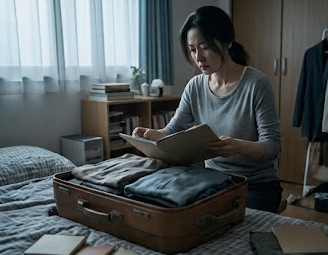
翌朝、私はいつも通り5時に起きた。
しかし、もう義母の部屋へ向かう必要はなかった。
今までなら、目覚めた瞬間から考えていた。
今日は義母の機嫌は大丈夫だろうか。
薬は忘れていないだろうか。
朝食は何を作れば怒られないだろうか。
でも、その朝は違った。
静かだった。
誰にも怒鳴られない。
誰にも命令されない。
私はゆっくり荷物をまとめた。
持っていくものは少なかった。
衣類、少しの思い出の品、そして大切な証拠だけ。
18年もこの家で暮らしたのに、私の荷物は驚くほど少なかった。
それだけ私は、自分のためではなく誰かのために生きてきたのだと思った。
荷造りをしながら、私は過去を思い出していた。
健一と出会った頃、彼は優しい人だった。
「由美を一生幸せにする」
そう言ってくれた。
私はその言葉を信じた。
でも結婚してから、少しずつ変わっていった。
特に義母との同居が始まってからは、私は家族ではなく便利な存在になった。
義母は昔から気の強い人だった。
「長男の嫁なんだから当然でしょう」
何度そう言われただろう。
介護が始まってからはさらに酷くなった。
「あんたは役立たずね」
「早く出て行きなさい」
認知症の影響もあった。
でも、傷つく言葉は毎日積み重なっていった。
そして健一は、いつも見て見ぬふりをした。
「母さんは昔からああいう性格だから」
それだけだった。
私は一人で戦っていた。
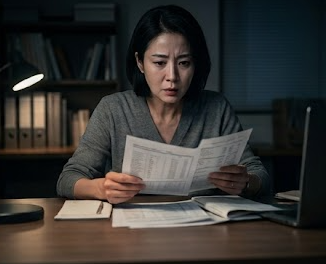
そんなある日、私は健一の部屋で偶然、義母の通帳を見つけた。
そこには信じられない記録が残っていた。
義母の年金や貯金が、毎月別の口座へ送金されていた。
送金先は、高橋香という女性。
さらに高級ホテルの領収書。
ブランド品の購入記録。
全ての日付は、健一が「仕事」と言って出かけた日と一致していた。
私はその場で涙も出なかった。
ただ、心の奥が冷たくなった。
8年間、私は義母の介護で苦しんでいた。
その裏で、健一は母親のお金を使って別の女性と楽しんでいた。
しかも、私には生活費が足りないと言い、私の貯金まで使わせていた。
「そういうことだったのね」
私は静かに証拠を集めた。
探偵にも依頼した。
結果は想像以上だった。
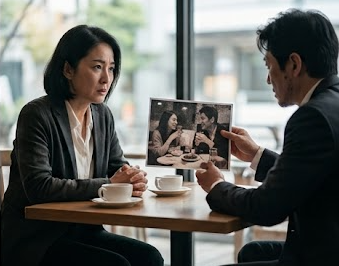
健一と香は10年以上関係を続けていた。
私が義母の介護を始める前からだった。
さらに、二人は私を家に残して介護を続けさせ、自分たちは新しい生活を始める計画まで立てていた。
私は弁護士へ相談した。
「ご主人が自分から離婚を切り出すのを待ちましょう」
そう言われた。
そして、その通りになった。
健一は自分から離婚届を差し出した。
自分が勝ったと思っていたのだろう。
でも、本当の勝負はそこからだった。
私は家を出た。
すると、すぐに健一から連絡が来た。
「母さんが大変なんだ。戻ってきてくれ」
私は画面を見て笑った。
8年間、私が一人でやってきたことを、彼はたった一日で耐えられなくなったのだ。
「もう私はあなたの妻ではありません」
そう返信した。
翌日、健一は私の新しい部屋へ来た。
顔色は悪く、服は汚れていた。
「頼む、戻ってきてくれ」
「俺には無理なんだ」
私は静かに答えた。
「私にはできて、あなたにはできない理由は何?」
彼は黙った。
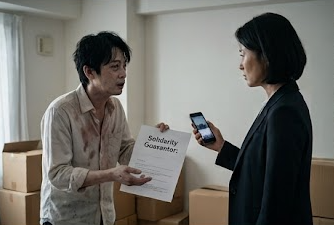
すると突然、彼は一枚の書類を取り出した。
「これを見ろ。お前は連帯保証人なんだ」
2000万円の借金。
しかし、私は知っていた。
その書類は私の署名を勝手に使った偽物だった。
健一は私を脅して戻そうとしていた。
私は録音を開始しながら、彼を見つめた。
「分かったわ」
そう言うと、彼は安心した顔をした。
でも私はすぐに弁護士へ連絡した。
「先生、証拠が取れました」
数日後、警察が動いた。
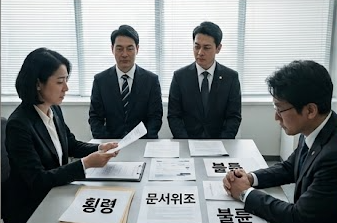
偽造された書類。
義母のお金の横領。
不倫の証拠。
全てが明らかになった。
会社にも連絡が入り、健一は処分を受けた。
そして、最後に彼を完全に打ち砕いたのは、香の本性だった。
「けんちゃん、お金がないあなたに何の価値があるの?」
電話越しに聞こえた香の声。
健一は絶望した。
自分が愛されていたと思った女性にも、結局は利用されていただけだった。
一方、私は新しい生活を始めた。
小さな部屋。
簡単な食事。
でも、そこには自由があった。
誰にも怯えない朝。
自分のために飲むコーヒー。
それだけで十分幸せだった。
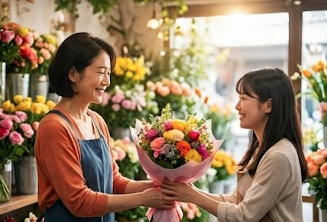
半年後、私は花屋で働いていた。
お客様から「ありがとう」と言われるたび、不思議な気持ちになった。
私は今まで、一度もそんな言葉をもらっていなかったから。
健一も義母も、もう私の人生には関係ない。
彼らが失ったものは、お金でも家でもない。
本当に支えてくれていた人の存在だった。
私は空を見上げた。
長かった苦しい日々は終わった。
これからは、誰かのためではなく、自分自身のために生きていく。
私の本当の人生は、今始まったのだ。