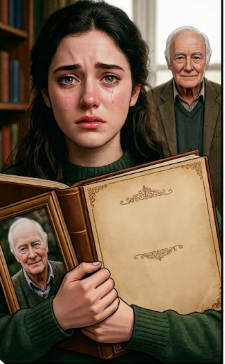
Mam na imię Eugenia i przez wiele lat wierzyłam, że rodzina zawsze będzie miejscem, w którym człowiek może czuć się bezpiecznie. Myliłam się. Największy ból nie przyszedł od obcych ludzi, ale od tych, którzy powinni chronić mnie i moją córkę. Moja jedenastoletnia córka Eliza od zawsze była spokojnym, wrażliwym dzieckiem. Nie sprawiała problemów, nie domagała się uwagi, często nawet przepraszała za rzeczy, za które wcale nie powinna. W naszej rodzinie szybko nauczyła się, że najlepiej jest być cicho i nie zajmować zbyt wiele miejsca. Moja młodsza siostra Aneta i jej dzieci zawsze byli najważniejsi. Ich krzyk, bałagan i zachowanie nazywano „dziecięcą energią”. Eliza natomiast miała być grzeczna, spokojna i wdzięczna za każdą chwilę spędzoną w domu babci.
Po rozwodzie zostałam sama z Elizą. Mój były mąż odszedł, gdy córka miała trzy lata, a ja musiałam sama nauczyć się wszystkiego. Moi rodzice nigdy nie powiedzieli tego wprost, ale zawsze czułam, że uważają moje życie za porażkę. Aneta wyszła za mąż, miała dzieci i mieszkała z rodzicami w dużym domu pod Warszawą. W ich oczach to ona była tą, której się udało. Ja byłam tą, która musiała sobie radzić sama. Mimo wszystko nigdy nie walczyłam o uwagę. Chciałam tylko, żeby moja córka czuła się kochana.
Jedyną osobą w tej rodzinie, która naprawdę widziała Elizę, była moja babcia Jadwiga — prababcia mojej córki. Miała 83 lata i była zupełnie inna niż reszta rodziny. Nie rozpieszczała Elizy pustymi słowami. Uczyła ją cierpliwości, pracy i muzyki. W jednym z pokoi urządziła mały muzyczny azyl, gdzie przechowywała wyjątkową wiolonczelę — zabytkowy instrument XIX-wiecznego mistrza wart około 400 tysięcy złotych. Ale dla Jadwigi to nie była tylko droga rzecz. To był symbol więzi między nią a prawnuczką. Przekazała ją Elizie oficjalnie, podpisując dokument darowizny u notariusza. Wszystko było zabezpieczone.
Pamiętam, jak babcia mówiła mi kiedyś: „Żeniu, ludzie dziwnie zachowują się, kiedy w grę wchodzą pieniądze. Nawet najbliżsi”. Wtedy nie rozumiałam, dlaczego tak mocno podkreślała te słowa. Dzisiaj wiem, że widziała więcej niż wszyscy inni. Kiedy przeprowadziła się do domu seniora, rodzina zaczęła zachowywać się inaczej. Mówili, że potrzebuje profesjonalnej opieki, że wszyscy są zmęczeni. W rzeczywistości jej wyjazd sprawił, że poczuli się właścicielami domu. Zaczęły się remonty, zmiany i plany, o których nikt wcześniej nie mówił.
Pewnego dnia przyjechałam z Elizą na lekcję muzyki. Już przy wejściu poczułam, że coś jest nie tak. W domu pachniało świeżą farbą, wszędzie stały pudła, a ogród wyglądał zupełnie inaczej. Tam, gdzie wcześniej był trawnik, powstawał ogromny betonowy basen, obok budowano altanę i taras. Eliza spojrzała przez okno i zapytała cicho: „Mamo, to dla nas?”. Serce mi się ścisnęło, bo wiedziałam, że prawda ją zrani. Poszłyśmy do pokoju muzycznego. Wszystko wyglądało tak samo — nuty, pulpit, nawilżacz powietrza. Tylko jedno miejsce było puste. Tam, gdzie zawsze stała wiolonczela.
Eliza uklękła i zaczęła szukać instrumentu, jakby wierzyła, że może został tylko przestawiony. „Mamo, gdzie ona jest?”. Nie potrafiłam odpowiedzieć. Tego samego dnia poszłam do kuchni, gdzie siedzieli moi rodzice i Aneta. Zapytałam wprost: „Gdzie jest wiolonczela Elizy?”. Mój ojciec nawet nie próbował ukrywać prawdy. Powiedział tylko: „Sprzedaliśmy ją”. Przez chwilę nie mogłam uwierzyć. Sprzedali instrument mojej córki. Pamiątkę po prababci. Rzecz, która była jej własnością.
Moja matka wzruszyła ramionami i powiedziała, że instrument tylko stał i się kurzył. Kolekcjoner zapłacił 400 tysięcy złotych, a pieniądze były potrzebne na basen dla dzieci Anety. „Eliza jest jeszcze mała. Weźmie sobie coś ze szkoły muzycznej” — powiedziała moja siostra. Wtedy poczułam coś, czego nigdy wcześniej nie czułam. Nie smutek. Nie żal. Gniew. Bo oni nie zabrali tylko przedmiotu. Zabrali mojej córce coś, co dawało jej poczucie wartości.
Wieczorem Eliza ćwiczyła na starej szkolnej wiolonczeli. Instrument był zużyty, dźwięk nie był taki sam, ale ona nadal próbowała. „Mamo, może babcia Jadzia nie chciała, żebym ją miała? Może zrobiłam coś źle?”. Te słowa złamały mnie bardziej niż sama sprzedaż. Moja córka, zamiast złościć się na ludzi, którzy ją skrzywdzili, zaczęła szukać winy w sobie.
Następnego dnia pojechałam do babci Jadwigi. Nie chciałam już milczeć. Opowiedziałam jej wszystko. Słuchała spokojnie, ale widziałam, że w środku narasta w niej ogromne rozczarowanie. Kiedy skończyłam, powiedziała tylko: „Nie martw się, wnusiu. Przygotowałam się na to”. Wtedy wyciągnęła dokumenty. Wiolonczela była oficjalnie własnością Elizy. Darowizna była podpisana u notariusza. Moja rodzina nie miała prawa jej sprzedać.
Babcia od razu skontaktowała się z mecenasem Zachariaszem, dawnym przyjacielem rodziny. Rozpoczęto postępowanie. Nie było krzyków ani zemsty. Były tylko dokumenty i prawda. Po kilku tygodniach kupiec, który nabył instrument, zgodził się go oddać, gdy dowiedział się o sytuacji prawnej. Wiolonczela wróciła do Elizy.
Największy finał nastąpił jednak podczas rodzinnego otwarcia basenu. Aneta i moi rodzice urządzili wielką imprezę, chwaląc się nową inwestycją. Nie spodziewali się, że babcia Jadwiga pojawi się razem z notariuszem. Gdy weszła na działkę, wszyscy zamilkli. Spojrzała na basen, altanę i ludzi, którzy korzystali z pieniędzy zdobytych kosztem jej prawnuczki.
„Ta wiolonczela należała do Elizy. Sprzedaliście cudzy majątek” — powiedziała spokojnie. Nikt nie potrafił odpowiedzieć. Notariusz potwierdził dokumenty. Okazało się, że sprzedaż była bezprawna, a pieniądze musiały zostać zwrócone. Dom, który wszyscy traktowali jak własny, również nigdy do nich nie należał.
Po tej sytuacji wszystko się zmieniło. Moja rodzina musiała opuścić dom. Basen, który powstał za pieniądze z wiolonczeli mojej córki, przestał być symbolem ich sukcesu. Stał się przypomnieniem ich chciwości.
Kilka dni później Eliza znów otworzyła futerał z wiolonczelą. Przesunęła palcami po drewnie i przytuliła babcię Jadwigę. Nie powiedziała wiele. Nie musiała. Wiedziała już, że są ludzie, którzy będą walczyć o nią nawet wtedy, gdy inni próbują ją pozbawić tego, co kocha.
Dzisiaj wiem jedno. Rodzina nie zawsze oznacza ludzi połączonych krwią. Prawdziwa rodzina to ci, którzy szanują twoje granice, chronią twoje marzenia i nie pozwalają ci uwierzyć, że jesteś mniej ważny.
A moja córka Eliza już nigdy nie będzie dzieckiem, które przeprasza za to, że istnieje. Dzięki jednej odważnej kobiecie — swojej prababci — nauczyła się, że jej wartość nie zależy od tego, jak inni ją traktują.