Ich lag auf der Liege und starrte an die Decke, während die Wehen immer stärker wurden. Die Krankenschwester flüsterte mir zu, ich solle atmen, doch in meinem Kopf drehte sich nur ein einziges Bild: mein Mann, der die Hand einer anderen schwangeren Frau hielt. Er hatte mich gesehen. Er hatte mich erkannt. Und er war trotzdem bei ihr geblieben.
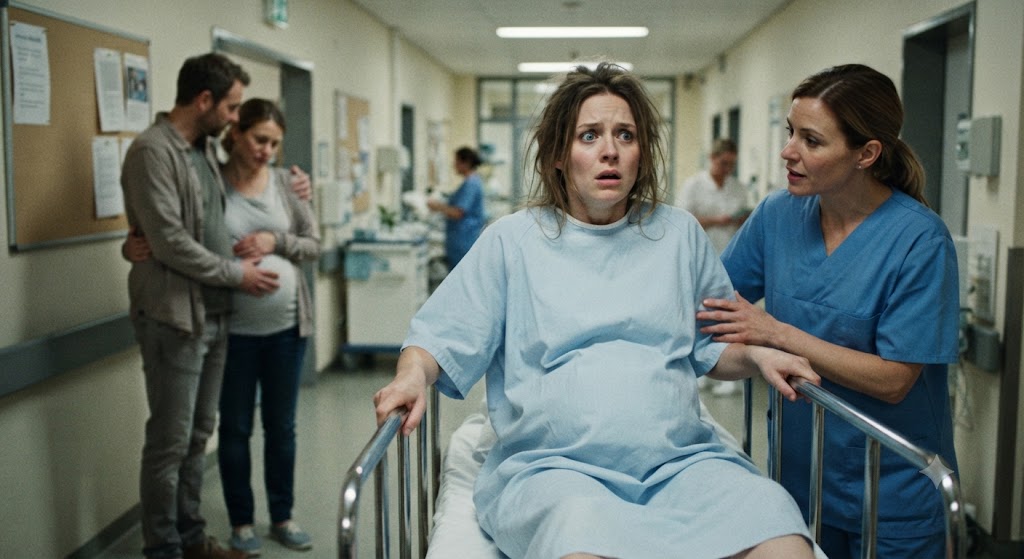
Als man mich in den Kreißsaal schob, hörte ich noch ihre Stimme. Sie schrie ihn an. Sie weinte. Sie wollte wissen, wer ich war. Er antwortete leise und panisch. Ich hörte nur Bruchstücke. Doch es reichte, um zu verstehen: Er hatte zwei Frauen. Zwei Kinder. Zwei Leben. Und ich war die, die er im Stich gelassen hatte.
Die Geburt war lang und schwer. Ich war allein. Keine Hand, die meine hielt. Keine Stimme, die mir Mut zusprach. Nur die Ärzte und das dumpfe Pochen in meinem Kopf. Als mein Sohn endlich zur Welt kam, weinte ich nicht vor Glück. Ich weinte, weil der Mann, der dieses Kind mit mir gezeugt hatte, in einem anderen Zimmer stand und eine andere Frau tröstete.
Stunden später kam er. Er wirkte erschöpft und schuldbewusst. Er setzte sich an mein Bett und wollte erklären. Er sagte, er habe die Beziehung beenden wollen. Er sagte, er habe Angst gehabt. Er sagte, er liebe mich. Doch die Worte klangen hohl. Ich sah nur die Hände, die kurz zuvor den Bauch einer anderen Frau gestreichelt hatten.
Die andere Frau hieß Lena. Sie war im sechsten Monat. Sie hatte keine Ahnung von mir gehabt. Als sie die Wahrheit erfuhr, brach sie zusammen. Sie kam später zu mir ins Zimmer. Wir sahen uns lange an. Zwei Frauen, die denselben Mann geliebt hatten. Zwei Frauen, die von ihm belogen worden waren. Es gab keine Feindschaft zwischen uns. Nur eine tiefe, gemeinsame Erschöpfung.
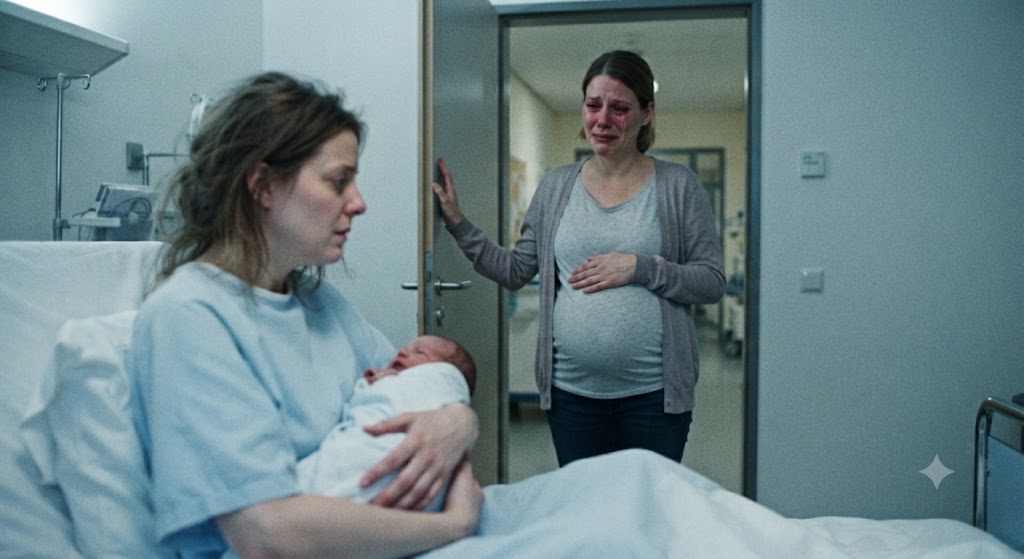
In den folgenden Tagen blieb mein Mann draußen. Er schickte Nachrichten. Er bat um Vergebung. Er wollte alles erklären. Doch ich öffnete keine einzige. Ich lag mit meinem Sohn im Arm und spürte, wie etwas in mir starb und gleichzeitig etwas anderes geboren wurde. Nicht nur das Kind. Auch ich selbst.
Die Schwiegermutter kam einmal. Sie stand im Türrahmen und sah mich an, als hätte ich alles kaputt gemacht. „Du hättest ruhiger sein sollen“, sagte sie. Ich antwortete nur: „Ihr habt mich allein gelassen, als ich euer Enkelkind zur Welt brachte.“ Danach kam sie nicht wieder.
Wochen später traf ich Lena noch einmal. Sie hatte das Kind verloren. Eine Fehlgeburt. Sie weinte in meinen Armen. Und ich weinte mit ihr. Nicht weil ich triumphiert hätte. Sondern weil ich begriff, dass niemand in dieser Geschichte gewonnen hatte. Nur verloren.
Mein Mann versuchte monatelang, zurückzukommen. Doch ich ließ ihn nicht. Ich zog mit meinem Sohn in eine kleine Wohnung. Ich arbeitete. Ich lernte, allein zu sein, ohne mich zu verlieren. Und langsam, sehr langsam, hörte das Zittern in meinen Händen auf.
Heute, drei Jahre später, lebe ich still und ruhig. Mein Sohn lacht viel. Er kennt seinen Vater, aber er wächst bei mir auf. Ich hasse meinen Ex-Mann nicht mehr. Ich bedaure ihn. Denn er hat zwei Familien zerstört und am Ende niemanden wirklich gehalten. Ich habe gelernt, dass Liebe ohne Wahrheit nur eine schöne Lüge ist. Und dass die größte Stärke darin liegt, gehen zu können – auch wenn das Herz noch blutet.
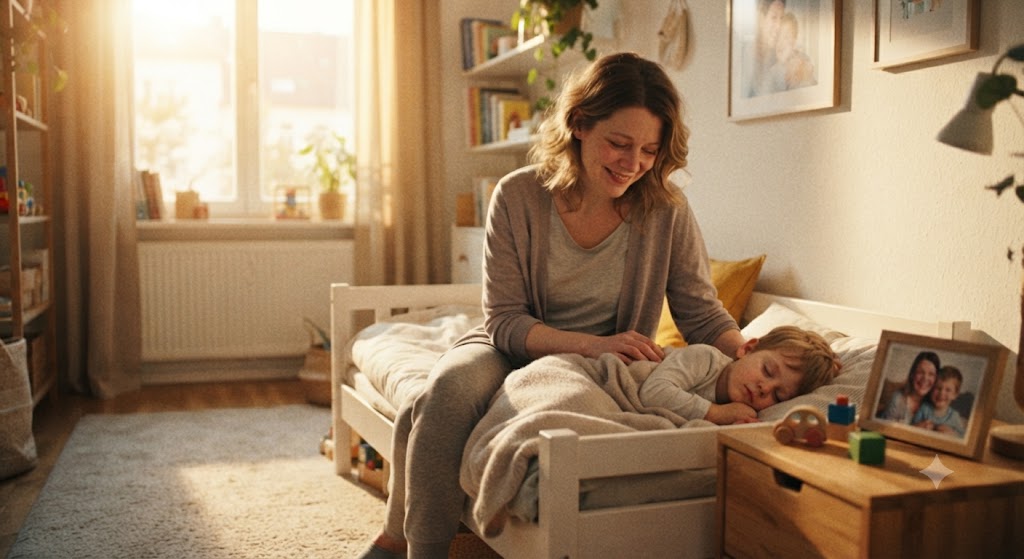
Manchmal, wenn ich meinen Sohn schlafen sehe, denke ich noch an diesen Tag im Krankenhaus. An den Moment, in dem ich begriff, dass ich allein war. Doch heute weiß ich: Alleinsein war der Anfang. Nicht das Ende. Es war der Tag, an dem ich aufhörte, auf jemanden zu warten, und anfing, für mich und mein Kind da zu sein.
Ich habe gelernt, dass echte Liebe nicht darin besteht, dass jemand immer da ist, wenn es bequem ist. Echte Liebe zeigt sich in den Momenten, in denen man gebraucht wird. Und an diesem Tag war er nicht da. Deshalb habe ich beschlossen, nie wieder auf jemanden zu warten, der mich im entscheidenden Moment im Stich lässt.
Heute lächle ich wieder. Nicht, weil alles vergessen ist. Sondern weil ich weiß, dass ich stark genug war, weiterzugehen. Mein Sohn wächst in einem Zuhause auf, in dem Wahrheit und Ruhe herrschen. Und das ist mehr wert als jede Lüge, die einmal wie Liebe aussah.
Wenn ich zurückblicke, spüre ich keinen Hass mehr. Nur eine stille Gewissheit: Manche Menschen kommen in unser Leben, um uns zu zeigen, wer wir nicht mehr sein wollen. Und manche Schmerzen sind der Preis dafür, dass wir endlich uns selbst wählen.
Am Ende habe ich nicht nur ein Kind zur Welt gebracht. Ich habe auch mich selbst neu geboren. Und das ist die Geschichte, die wirklich zählt.