Część 1: Cień w cudzym domu
Weronika czuła się bardziej jak wyciśnięta cytryna niż przyszła matka. Mieszkanie, w którym żyła przez ostatnie trzy lata, oddychało cudzym życiem. To była przestrzeń należąca do Jadwigi, matki Artura. Weronika czuła się tam jak nieproszony gość. Każdy przedmiot, każdy element wystroju krzyczał o obecności kogoś innego – nie jej.
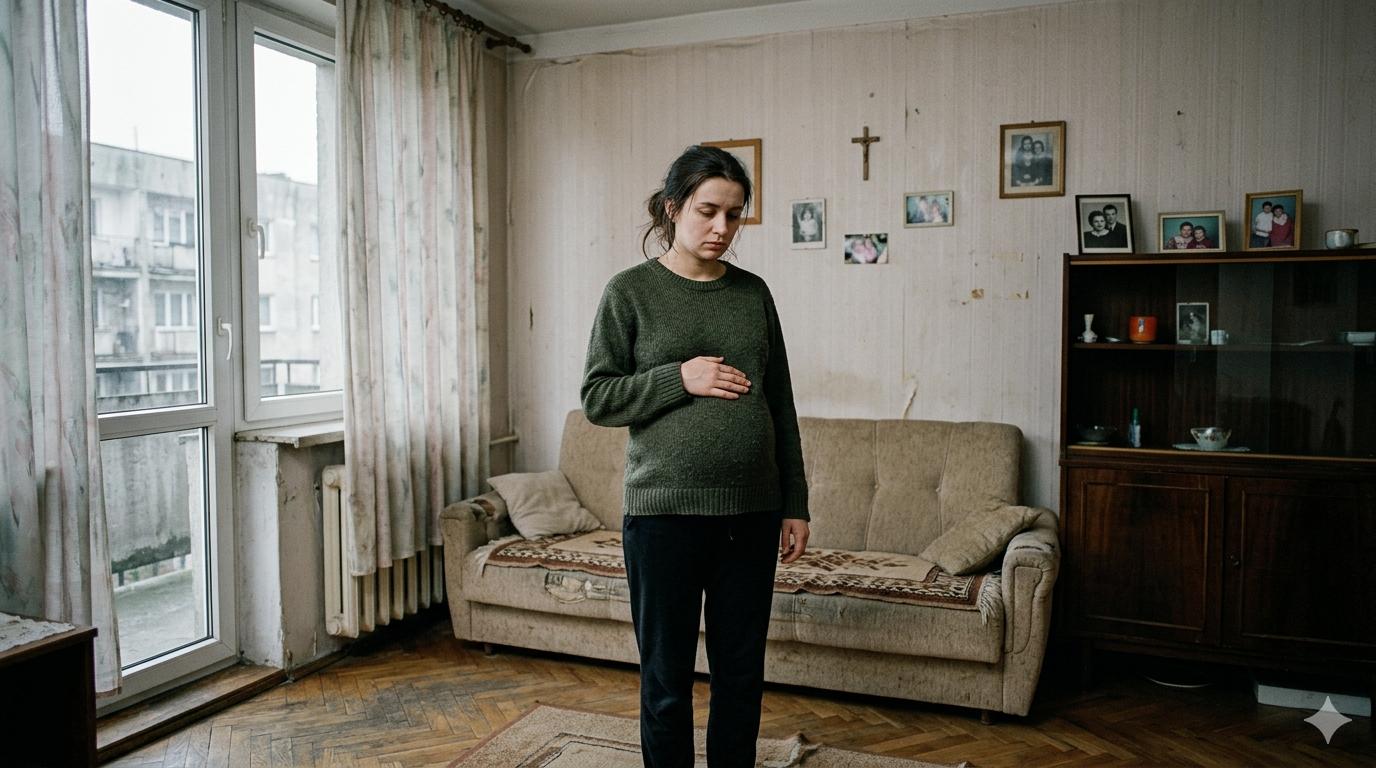
Artur był jak cień. Ciągle krążył gdzieś na obrzeżach jej życia. Zawsze gotów ocenić, skomentować, skontrolować. Słowo „kontrola” najlepiej oddawało ich relację. Mimo że to Weronika, jako księgowa w niewielkiej firmie, utrzymywała dom, to właśnie Artur zarządzał jej pieniędzmi. Kontrolował, z kim rozmawia, jak się ubiera, co myśli. Nie miał stałej pracy – tu i tam jakieś dorywcze zajęcia. Weronika czuła, że to tylko podsycało jego potrzebę dominacji.
Jadwiga, jego matka, była cichym obserwatorem, który zawsze stawał po stronie syna. Weronika nie pamiętała ani jednej sytuacji, w której teściowa by ją poparła. Nawet w najdrobniejszych sprzeczkach, kiedy Artur był wobec niej chamski, Jadwiga milczała. Jej milczenie mówiło wszystko. Czasem, gdy Weronika czuła na sobie jej spojrzenie, nie wiedziała, czy widzi w nim litość, czy pogardę. A może jedno i drugie?
Była zmęczona fizycznie i psychicznie. Ciąża była dla niej trudna – nie tylko przez mdłości czy opuchliznę. Ciężar leżał głównie na duszy. Czuła się sparaliżowana lękiem: przed kłótnią, samotnością, przyszłością, przed Arturem.
Pamiętała, jak to się wszystko zaczęło. Romantyczne spacery, piękne słowa, obietnice wiecznej miłości. Artur wydawał się wtedy troskliwy, silny, uważny. Ale powoli, niczym jad, do ich związku zaczęła wkradać się zazdrość, podejrzliwość, chęć podporządkowania jej sobie. Weronika próbowała się bronić, lecz z każdą próbą miała coraz mniej sił. Coraz częściej milczała, zamykała się w sobie, nie chciała prowokować gniewu Artura.
Tego dnia, gdy jechali do przychodni, czuła się wyjątkowo źle. Kręciło jej się w głowie, mdliło ją, bolały plecy. Mimo to wstała bez słowa, założyła swoją najbardziej bezbarwną sukienkę, włosy związała w ciasny kok. Wiedziała, że każda drobnostka mogła doprowadzić Artura do szału.
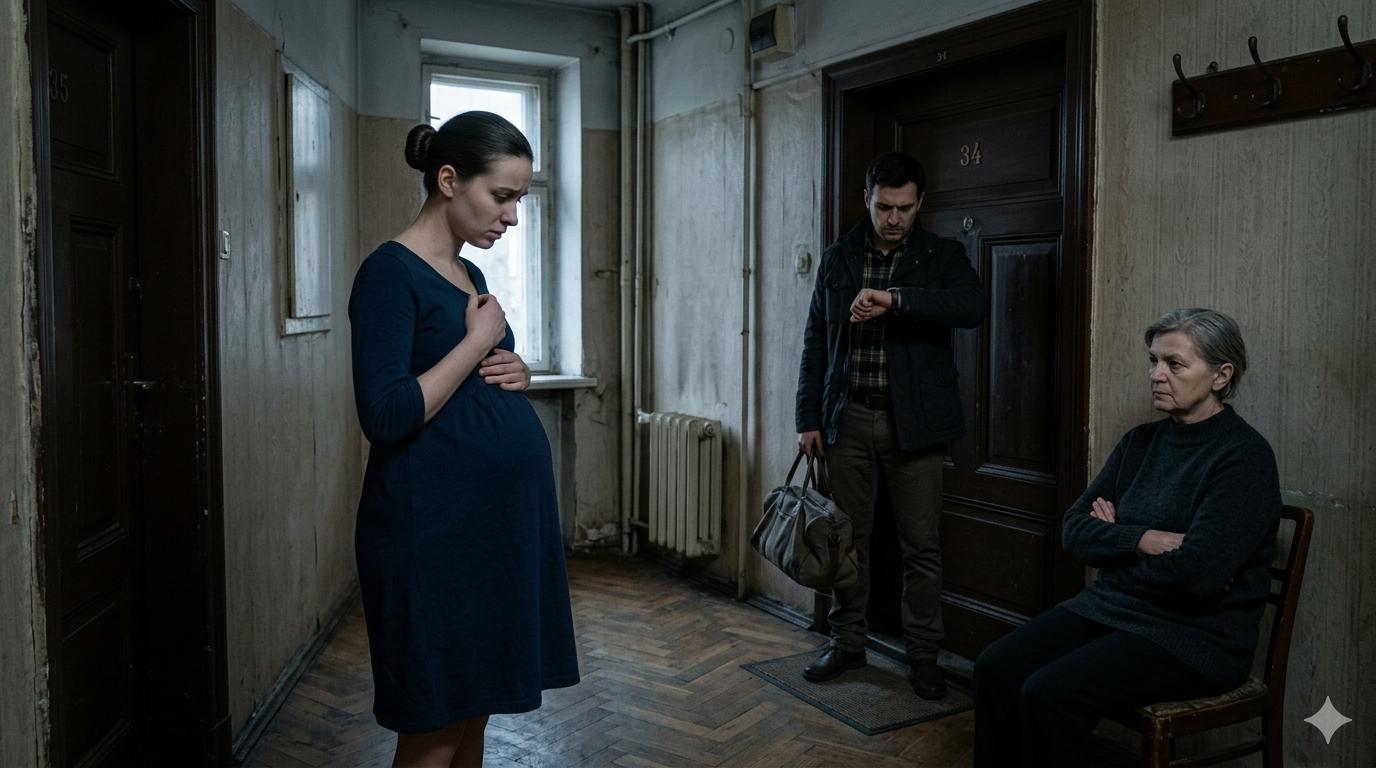
Czekał na nią w korytarzu, zniecierpliwiony, spoglądając na zegarek. Jadwiga była już gotowa, ubrana, siedziała w przedpokoju i nawet nie spojrzała na Weronikę.
„No ile można się grzebać?”, burknął Artur, chwytając ją za rękę. „Spóźnimy się.”
Weronika drgnęła, ale nic nie powiedziała. Była do tego przyzwyczajona. Zawsze milczała.
Część 2: Autobus i jedno zdanie
Całą drogę do przystanku Artur narzekał na korki, na lekarzy, na życie. Weronika szła obok z pochyloną głową, starając się nie zwracać na siebie uwagi. Jadwiga szła z tyłu, jak zwykle w milczeniu.
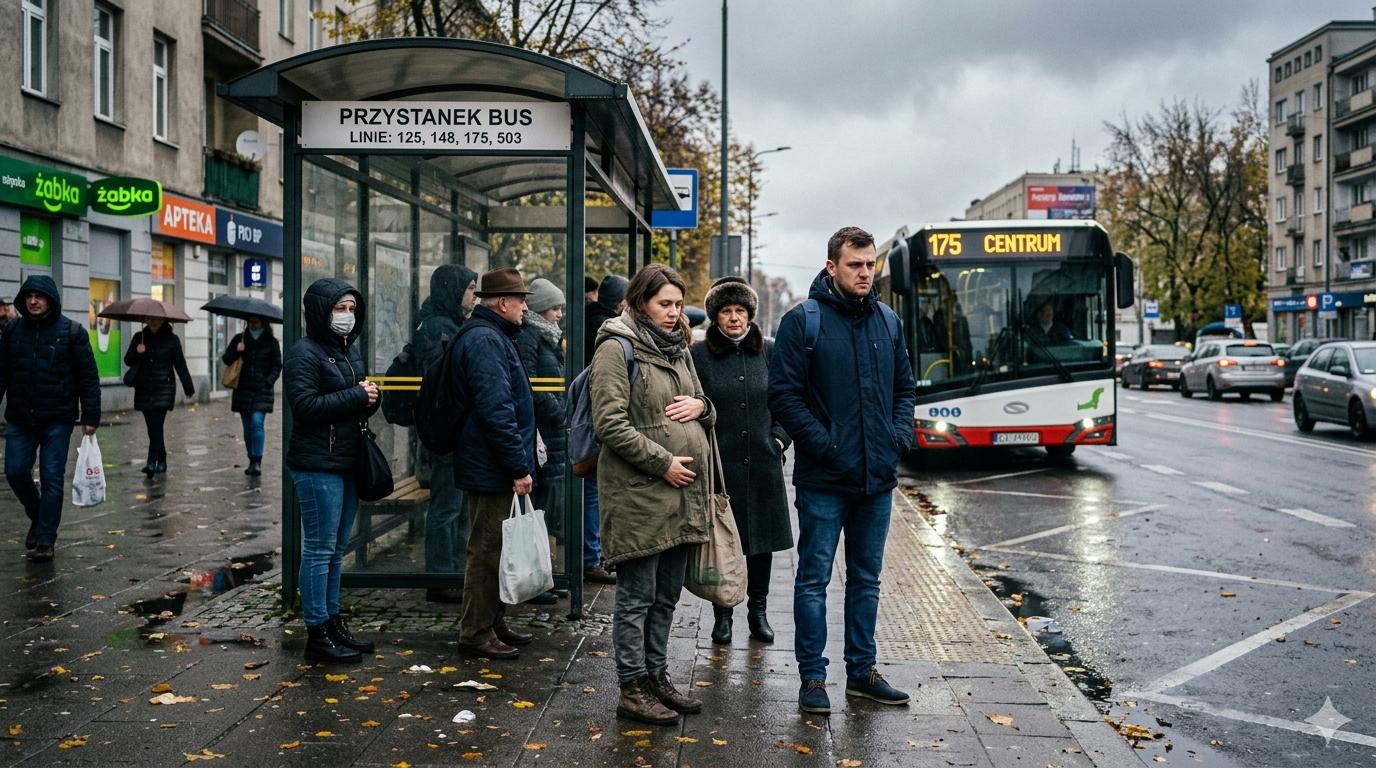
Na przystanku tłoczyło się już sporo ludzi. Weronice zrobiło się niedobrze. Przełknęła ślinę, mocniej ścisnęła dłoń Artura.
„Źle się czuję”, szepnęła.
„Wytrzymasz”, uciął, nie zwalniając kroku. „Zaraz autobus przyjedzie.”
Autobus był przepełniony. Ludzie śpieszyli się do pracy, do lekarza, gdziekolwiek. Szary jesienny dzień. Weronika z trudem przeciskając się przez tłum, złapała się poręczy. Jej palce zbielały od napięcia. Brzuch ciążył, oddychało się coraz ciężej. Duchota była nie do zniesienia.
Artur i Jadwiga weszli zaraz za nią. Ani przez moment nie okazali niepokoju o jej stan.
Po kilku przystankach zwolniło się jedno miejsce. Weronika, czując, że nogi jej się uginają, natychmiast usiadła, ignorując spojrzenia pasażerów. Naprawdę było jej źle. Marzyła tylko o tym, by chwilę odpocząć.
I wtedy, niczym grom z jasnego nieba, rozległ się wrzask Artura.
„Czemu się rozsiadłaś? Moja mama stoi. Ustąp miejsca natychmiast!”
Weronika zadrżała. Słowa Artura zabrzmiały jak policzek. W autobusie zapadła cisza. Ludzie nagle odwrócili wzrok. Nikt nie chciał się wtrącać. Nikt nie chciał konfliktu z takim facetem.
Weronika spuściła wzrok. Nie wiedziała, co zrobić. Była przyzwyczajona do ustępstw, do podporządkowania się woli Artura. Tak było łatwiej. Unikała w ten sposób krzyków i awantur. Ale teraz, w tym zatłoczonym autobusie, poczuła coś nowego. Wstyd. Wstyd za siebie, za swoją uległość, za to, że pozwalała się tak traktować.
Jadwiga, stojąca obok Artura, rzuciła na nią spojrzenie pełne pogardy. Nigdy nie uważała Weroniki za godną swojego syna. Teraz tylko się w tym utwierdzała.
Weronice zrobiło się słabo. Poczuła ukłucie w brzuchu i mimowolnie przyłożyła do niego rękę. Artur, nie widząc jej reakcji, znowu podniósł głos.
„Mówię do ciebie. Wstawaj. Ktoś ci coś powiedział?”
W tym momencie z głębi autobusu rozległ się spokojny, ale stanowczy głos.
„Proszę pana, niech pan nie krzyczy na ciężarną kobietę. To nie w porządku.”
Wszystkie oczy skierowały się na drobną starszą panią stojącą kilka metrów dalej. Miała pomarszczoną twarz, siwe włosy związane w koczek i spojrzenie, w którym było coś niezwykle mocnego.
Artur zaniemówił. Nie był przyzwyczajony do sprzeciwu, szczególnie od obcych ludzi.
Staruszka, nie zważając na jego minę, mówiła dalej:
„Dziewczyno, nie jesteś przedmiotem. Nie jesteś jego własnością. Zadbaj o siebie, a nie o jego dumę.”
Dla Weroniki te słowa były jak objawienie. Jakby nagle ktoś obudził ją z długiego snu. Ktoś wreszcie zobaczył w niej człowieka. Nie dodatek do Artura, nie funkcję – osobę zasługującą na szacunek i troskę.
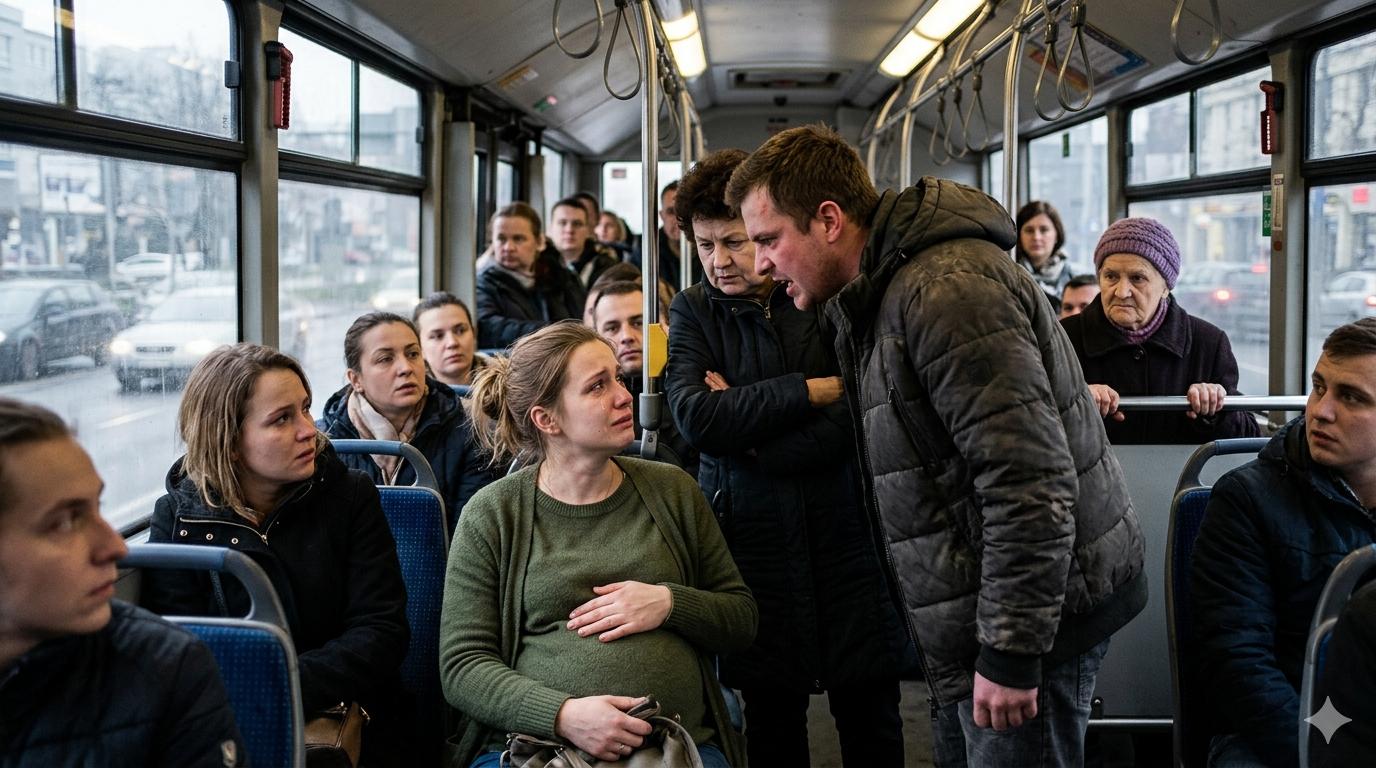
Z oczu Weroniki popłynęły łzy. Nie wiedziała, co powiedzieć. Nie wiedziała, jak podziękować tej nieznajomej.
Artur otrząsnął się i warczał:
„Nie wtrącaj się, kobieto. Kto cię pytał?”
Ale staruszka spojrzała na niego z taką mieszanką pogardy i współczucia, że zamilkł.
Weronika czuła na sobie dziesiątki spojrzeń – współczujących, ciekawskich, osądzających. Ale najważniejsze było to jedno uczucie, które nagle pojawiło się w jej piersi. Coś, czego nie czuła od dawna. Nie strach, nie pragnienie ucieczki. To była decyzja.
Część 3: Pierwszy krok ku wolności
Weronika milczała. Nie tłumaczyła się, nie przepraszała, nie próbowała wyjaśniać Arturowi, że naprawdę źle się czuje, że ciąża jest trudna, że jest wyczerpana. To wszystko nie miało już sensu. Wiedziała, że i tak znalazłby sposób, by ją upokorzyć.
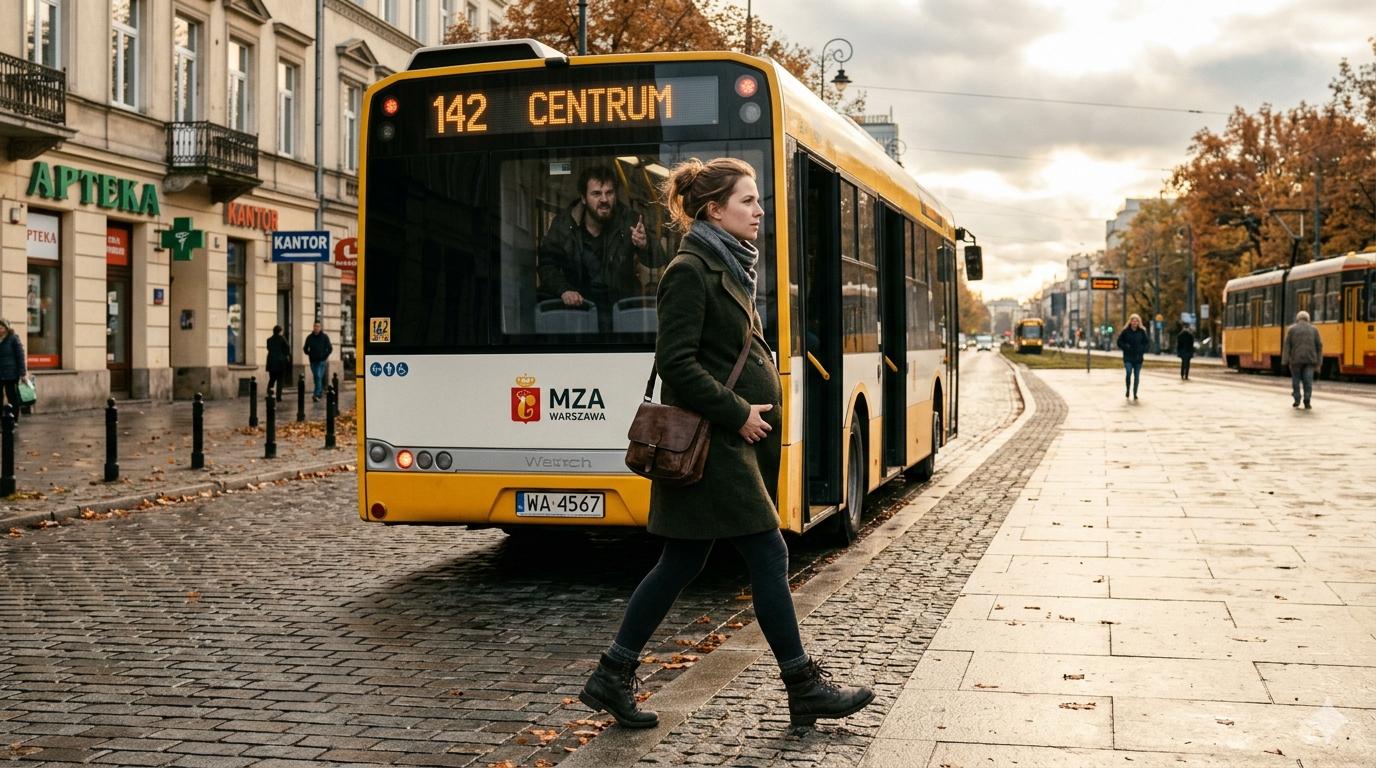
Spojrzała na starszą kobietę. W jej oczach nie widziała litości. Widziała wsparcie, zrozumienie, nawet dumę. Ten jeden krótki, ale pełen znaczenia moment był jak iskra. Weronika poczuła, że więcej nie chce. Nie może i nie będzie. Nie pozwoli już Arturowi rządzić jej życiem, jej ciałem, jej myślami. Nie pozwoli mu odbierać jej samej siebie.
Jakby w transie powoli podniosła się z siedzenia. Artur, wyrwany z osłupienia, rzucił się ku niej.
„Gdzie idziesz?”, syknął, chwytając ją za rękę. „Przecież ci mówię…”
Weronika wyrwała się. Nie gwałtownie, nie nerwowo, ale z jakimś spokojnym, nowym dostojeństwem.
„Nigdzie”, odpowiedziała. Jej głos brzmiał dziwnie pewnie. „Wysiadam.”
I wysiadła.
Autobus zatrzymał się na kolejnym przystanku. Weronika zeszła na chodnik, nie oglądając się. Czuła na sobie wzrok pasażerów. Słyszała mamrotanie Artura, ale szła przed siebie. Nie wiedziała dokąd, nie miała planu, ale po raz pierwszy od dawna czuła się wolna. Wolna od strachu, od upokorzeń, od duszącej kontroli. Wolna, by wybrać własną drogę.
Godziny mijały jak we śnie. Weronika chodziła bez celu po parkach, ulicach, skwerach. Nie wiedziała, gdzie iść. Co robić? Prawie nie miała pieniędzy. Wszystko było na koncie, do którego dostęp miał Artur. Dokumenty, rzeczy – wszystko zostało w tamtym mieszkaniu. Stała na rozdrożu, w ciąży, bez środków do życia, bez wsparcia, ale z twardym postanowieniem, że już nigdy nie wróci.
Komu mogła zaufać? Kogo poprosić o pomoc? Rodziców nie miała, bliskich krewnych też nie. Została tylko jedna osoba – przyjaciółka z dzieciństwa. Klaudia.
Weronika i Klaudia znały się od zawsze. Chodziły razem do szkoły, razem przeżywały pierwsze miłości, razem marzyły o przyszłości. Potem życie rozdzieliło ich ścieżki. Weronika wyszła za Artura. Klaudia wyjechała na studia do innego miasta. Rzadko się widywały, ale więź nigdy nie znikła. Weronika wiedziała, że Klaudia zawsze była silna i niezależna. Zawsze wiedziała, czego chce od życia – i może właśnie dlatego w ostatnich latach unikała z nią kontaktu. Wstydziła się przyznać, że tkwi w takim życiu. Ale teraz nie miała wyjścia.
Wyciągnęła telefon. Ręce jej się trzęsły, gdy wybierała numer. Sygnał ciągnął się w nieskończoność.
„Halo?”
„Klaudia, to ja, Weronika.”
W jej głosie brzmiała beznadzieja tak głęboka, że Klaudia z miejsca zrozumiała, że coś się stało.
„Werka, co się dzieje? Co z tobą?”
Weronika milczała przez chwilę. Nie wiedziała, jak powiedzieć przyjaciółce, że jej życie, z zewnątrz wyglądające na idealne, to tak naprawdę piekło.
„Potrzebuję twojej pomocy”, szepnęła w końcu. „Odeszłam od Artura.”
Po drugiej stronie zapadła cisza. Weronika wstrzymała oddech.
„Odeszłaś?”, powtórzyła Klaudia. Jej głos był zdziwiony, ale nie osądzający. Raczej pełen ulgi. „Na serio?”
„Tak. Już nie mogę.”
„Gdzie jesteś?”
„Nie wiem. Włóczę się po mieście. Nie mam pieniędzy. Nie mam nic.”
„Przestań. Natychmiast przyjedź do mnie. Mieszkam w tym samym miejscu, pamiętasz? Czekam na ciebie.”
Weronika poczuła, jak po policzkach płyną jej łzy. Ulga, wdzięczność, nadzieja.
„Dziękuję, Klaudia. Dziękuję ci bardzo.”
„Głuptasie, przyjeżdżaj. Czajnik już postawiłam.”
Część 4: Azyl i narodziny
Weronika otarła łzy i spojrzała na zegarek. Do Klaudii miała jakieś czterdzieści minut autobusem. Ruszyła w stronę przystanku. Brzuch zaburczał z głodu. Nie jadła nic od rana, a był już wieczór. Ale nie czuła głodu. Czuła tylko nadzieję.
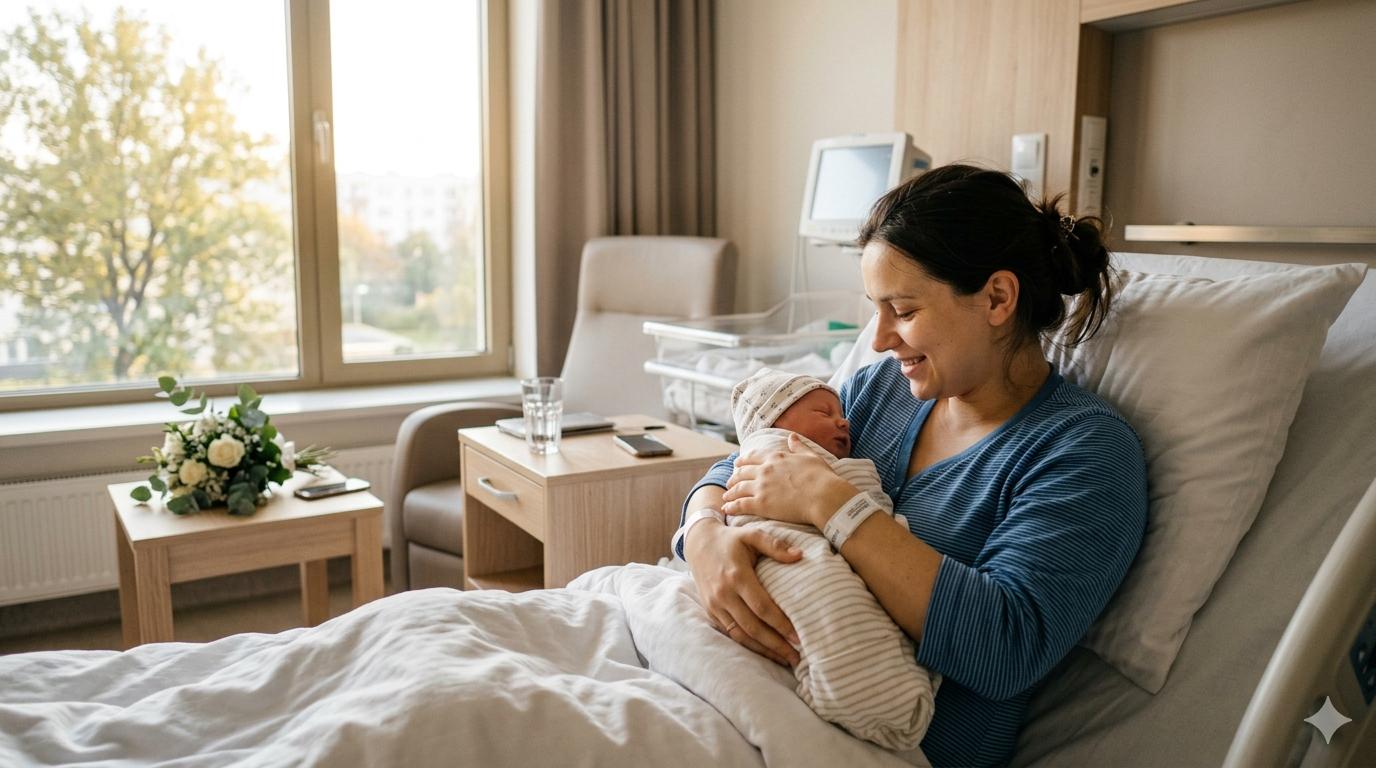
Kiedy dotarła pod drzwi mieszkania Klaudii, zawahała się. Przez moment stała w bezruchu, potem zapukała. Drzwi otworzyły się niemal natychmiast. Klaudia stała w progu. Wyglądała trochę dojrzalej, ale miała w sobie tę samą energię, ten sam błysk w oku.
Weronika rzuciła się jej w ramiona.
„Nareszcie. Tak się cieszę, że cię widzę.”
Klaudia wciągnęła ją do środka. Mieszkanie było niewielkie, ale przytulne. Na ścianach wisiały zdjęcia, na półkach książki i pamiątki. Weronika poczuła się tam spokojnie, bezpiecznie.
„No opowiadaj, co się stało.”
Klaudia posadziła ją przy stole, nalała herbaty, postawiła talerzyk z kanapkami. Weronika opowiedziała wszystko: o ślubie z Arturem, o tym, jak miłość zmieniła się w kontrolę, jak zaczął ją ograniczać, poniżać, straszyć. O tym, jak się bała, jak czuła się jak w klatce, jak marzyła o ucieczce. O tym dniu w autobusie.
Klaudia słuchała w milczeniu. Co chwilę dolewała herbaty, dokładała jedzenia, dotykała dłoni Weroniki z troską. Kiedy ta skończyła opowieść, Klaudia westchnęła i objęła ją mocno.
„Biedna ty moja, ile ty wycierpiałaś. Ale już dobrze. Teraz jesteś bezpieczna i już nie jesteś sama. Pomogę ci.”
I dotrzymała słowa. Przygarnęła Weronikę pod swój dach, karmiła ją, wspierała. Pomogła jej zdobyć potrzebne dokumenty. Chodziła z nią do urzędów, do lekarza, do prawnika. Słuchała jej lęków i wspomnień – cierpliwie, cicho, nie oceniając. Tworzyła dla niej kokon spokoju i troski.
Mieszkanie Klaudii stało się azylem, miejscem, gdzie można było po prostu być. Bez napięcia, bez strachu. Weronika po raz pierwszy od wielu miesięcy mogła po prostu oddychać.
Zaczęła porządkować swoje życie. Chociaż z trudem się poruszała przez zaawansowaną ciążę, jeździła po urzędach, zbierała zaświadczenia, kopiowała dokumenty. Każda rozmowa z urzędnikiem, każda kolejka była jak walka, ale wiedziała, że musi to zrobić dla siebie, dla dziecka.
Klaudia pomogła jej znaleźć dobrą prawniczkę. Młoda kobieta, uważnie słuchając historii Weroniki, powiedziała:
„Ma pani szansę. Przemoc psychiczna jest trudna do udowodnienia. Ale możliwa. Potrzebujemy świadków, nagrań, dokumentów – wszystkiego, co potwierdzi pani słowa.”
Weronika zanurzyła się w pracy. Przeglądała stare zdjęcia, spisywała rozmowy, robiła notatki – wszystko, co mogło przydać się w sądzie. Praca porządkowała jej myśli, pozwalała poczuć kontrolę. Jako księgowa była przyzwyczajona do precyzji i teraz to ją ratowało.
Ciąża była coraz trudniejsza. Weronikę męczyły bóle głowy, zawroty, bezsenność, ale nie skarżyła się. Skupiała się tylko na dziecku. Musiała być silna dla niego.
Artur dzwonił do Klaudii. Raz błagał, by powiedziała, gdzie jest Weronika. Innym razem krzyczał, groził, wyzywał. Klaudia nie odbierała albo odkładała słuchawkę. Wiedziała, do czego Artur jest zdolny. Nie zamierzała z nim dyskutować.
Weronika wiedziała o tych telefonach, ale nie chciała o nim myśleć. Wyrzuciła go ze swojego życia, jakby nigdy go nie było. Liczyło się tylko jedno: przyszłość, nowe życie, spokój.
W końcu nadszedł dzień porodu. Było ciężko, długo, boleśnie, z komplikacjami. Ale kiedy wreszcie położono jej na piersi mały, ciepły, drżący kłębuszek, Weronika zapomniała o całym bólu. W jej oczach pojawiły się łzy – łzy szczęścia. Została matką.
Część 5: Nowe życie
Z narodzinami syna Weronika poczuła, jak wraca do niej siła, której nie znała wcześniej. Zrozumiała, że potrafi wszystko, że wszystkie lęki zostały za nią. Teraz miała dla kogo żyć, dla kogo walczyć. Nazwali go Staś.
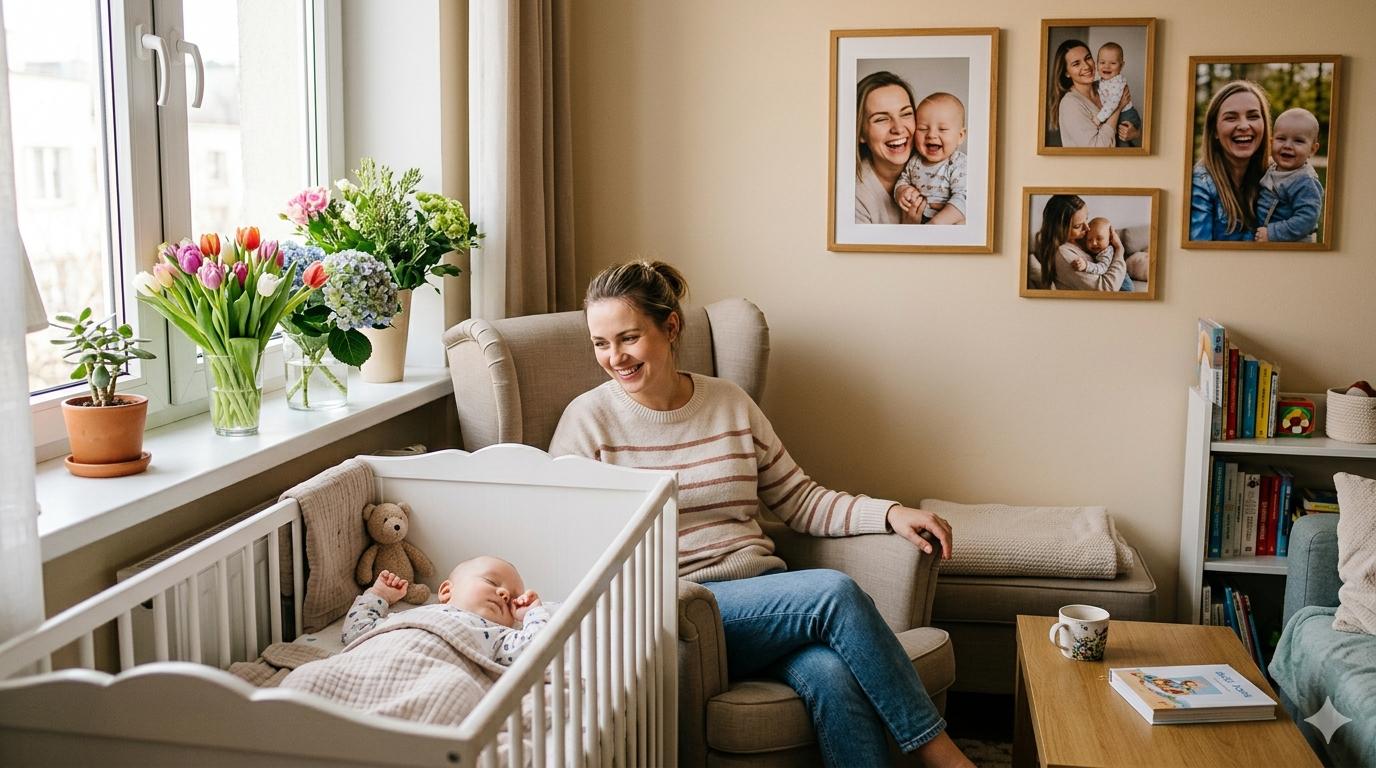
Mały Staś stał się jej światem, nadzieją, miłością, cudem. Weronika mogła godzinami patrzeć na jego drobne paluszki, słuchać jego spokojnego oddechu, czuć jego ciepło. To dziecko było jej odpowiedzią na wszystkie pytania, jej światłem po ciemności.
Kilka miesięcy po porodzie Weronika złożyła pozew o rozwód. Artur, dowiedziawszy się o tym, zażądał spotkania. Błagał ją, żeby wróciła. Przysięgał, że się zmieni. Mówił, że ją kocha, że nie potrafi bez niej żyć, że zrobi wszystko, by było jak dawniej.
Weronika patrzyła na niego spokojnie, bez gniewu, bez łez, bez emocji. Już go nie widziała takim, jakim był kiedyś. Miłość dawno wygasła. Przed nią stał obcy człowiek – żałosny, słaby, władczy tylko wtedy, gdy miał nad kim dominować.
„Nie wrócę do ciebie, Arturze”, powiedziała cicho, ale stanowczo. „Nie kocham cię i nie chcę cię więcej widzieć.”
Artur próbował ją przekonywać, potem groził, potem znów błagał, ale Weronika była nieugięta. Wiedziała, że robi to, co trzeba.
Rozwód przebiegł zadziwiająco spokojnie. Artur nie kwestionował decyzji sądu. Nie próbował walczyć o majątek. Podpisał dokumenty i zniknął. Weronika odetchnęła z ulgą. Była wolna. Wolna od niego, od jego gniewu, jego kontroli, jego pogardy.
Wynajęła małe mieszkanie w innej dzielnicy. Urządziła je skromnie, ale przytulnie. Nowe meble, obrazy na ścianach, kwiaty na parapetach – jej własna przestrzeń, jej azyl. Wieczorami spacerowała z Stasiem po parku, czytała mu bajki, śpiewała kołysanki, patrzyła, jak rośnie, jak się uczy mówić, chodzić, śmiać się. Każdy jego uśmiech był dla niej nagrodą. Każdy nowy krok – dumą.
Często wspominała tamtą starszą panią z autobusu – nieznajomą, która jednym zdaniem zmieniła całe jej życie. Była jej wdzięczna. Za słowo, za spojrzenie, za to, że pomogła jej dostrzec siebie jako człowieka, jako kobietę, jako matkę.
Weronika już się nie bała. Wiedziała, że jest silna. Wiedziała, że zasługuje na szczęście – i była szczęśliwa. Kochała, była kochana, wychowywała syna, pracowała, robiła to, co kochała, żyła wolna.
Po raz pierwszy od dawna uśmiechała się nie z grzeczności, ale z prawdziwego spokoju i spełnienia. Uśmiechała się do siebie, do życia, do przyszłości – do tej siebie, którą wreszcie odzyskała.