Kiedy zobaczyłam moją matkę stojącą samotnie w deszczu przed domem, przez kilka sekund nie byłam w stanie zrobić ani jednego kroku. Patrzyłam na kobietę, która przez całe moje życie była symbolem siły. Kobietę, która nigdy nie narzekała, nawet gdy sama cierpiała. A teraz siedziała na zimnym chodniku z małą torbą przy nogach i wyglądała tak, jakby cały świat nagle się od niej odwrócił.
Podeszłam do niej i mocno ją przytuliłam. Jej ubrania były całkowicie przemoczone, a ręce drżały z zimna. „Mamo, co się stało?” — zapytałam, chociaż w głębi serca bałam się odpowiedzi. Spojrzała na mnie ze łzami w oczach i wyszeptała tylko: „Powiedział, że już mnie nie potrzebuje”.
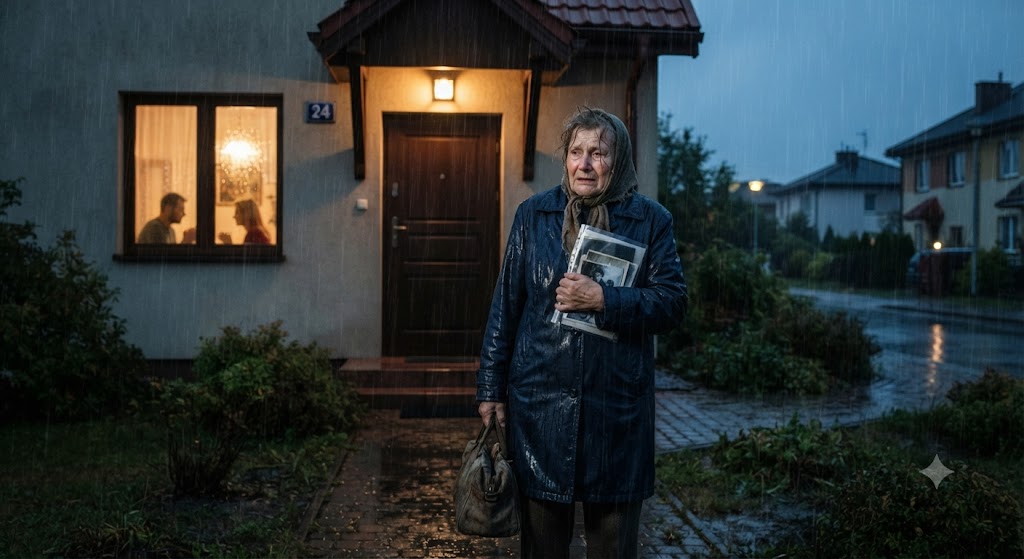
Nie mogłam uwierzyć w te słowa.
Mówiła o moim przybranym bracie, którego moja matka przyjęła do naszego domu wiele lat temu. Nie był jej biologicznym synem, ale nigdy nie pozwoliła mu tego odczuć. Kiedy był dzieckiem, dawała mu wszystko — miłość, bezpieczeństwo, wykształcenie i dom, którego wcześniej nie miał.
Dla niej nigdy nie był „przybranym synem”.
Był po prostu jej dzieckiem.
Wstałam, spojrzałam na drzwi domu i poczułam, jak narasta we mnie złość. Nie dlatego, że ktoś pokłócił się z moją matką. Rodziny czasami mają konflikty. Ale wyrzucenie starszej kobiety na ulicę w deszczu po wszystkich latach poświęcenia było czymś, czego nie potrafiłam zaakceptować.
Weszłam do domu bez pukania.
Mój brat stał w salonie razem ze swoją żoną. Oboje wyglądali na zaskoczonych moim widokiem. Przez chwilę nikt się nie odzywał. W końcu powiedziałam spokojnie: „Naprawdę wyrzuciłeś kobietę, która poświęciła całe życie, żebyś miał lepszą przyszłość?”
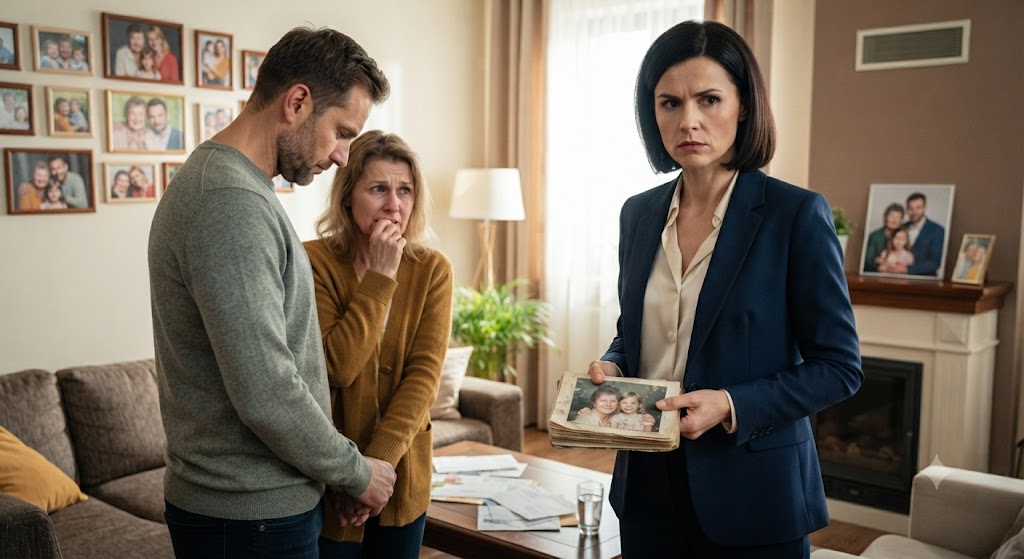
Mój brat spuścił wzrok.
Jego żona jako pierwsza zaczęła się tłumaczyć. Powiedziała, że moja matka była „za dużym obciążeniem”, że potrzebowała zbyt wiele uwagi i że oni chcieli zacząć własne życie. Słuchałam tego wszystkiego i nie mogłam uwierzyć, że ktoś może mówić takie rzeczy o osobie, która kiedyś podniosła ich z najtrudniejszych chwil.
Wtedy mój brat w końcu się odezwał.
Powiedział, że sytuacja nie wygląda tak, jak myślę. Twierdził, że moja matka sama zgodziła się odejść. Ale kiedy spojrzałam na jej rzeczy wyrzucone przed domem, wiedziałam, że to nie była prawda.
Następnego dnia zabrałam mamę do siebie. Przygotowałam jej pokój i zrobiłam wszystko, żeby poczuła się bezpiecznie. Ale najbardziej bolało mnie to, że nawet po tym wszystkim ona nadal broniła mojego brata.
„On nie jest złym człowiekiem” — powiedziała cicho. „Po prostu się zgubił”.
To była moja matka. Nawet zraniona nadal potrafiła widzieć dobro w innych.
Kilka dni później odkryłam prawdę. Przeglądając dokumenty mamy, znalazłam coś, czego nigdy wcześniej nie widziałam. Okazało się, że kilka lat wcześniej przepisała część swojego majątku na mojego brata, ponieważ chciała zapewnić mu stabilną przyszłość.
Ale nie wiedziałam jednej rzeczy.
Jego żona od miesięcy namawiała go, żeby całkowicie przejął kontrolę nad finansami mojej matki. Wmawiała mu, że skoro dom kiedyś będzie jego, powinien już teraz „pozbyć się problemu”. Moja matka nie była dla nich rodziną.
Była dla nich przeszkodą.
Kiedy mój brat dowiedział się, że znam prawdę, przyjechał do mojego domu. Po raz pierwszy od wielu lat zobaczyłam w jego oczach prawdziwy wstyd. Nie próbował się usprawiedliwiać. Po prostu usiadł przed matką i zaczął płakać.
„Mamo, nie wiem, jak mogłem ci to zrobić”.
Moja matka długo milczała. Widziałam, że walczy sama ze sobą. Kochała go, ale jednocześnie była głęboko zraniona. W końcu powiedziała zdanie, którego nigdy nie zapomnę:
„Najbardziej bolało mnie nie to, że mnie wyrzuciłeś. Bolało mnie to, że przez chwilę uwierzyłam, że nigdy dla ciebie nie byłam prawdziwą mamą”.
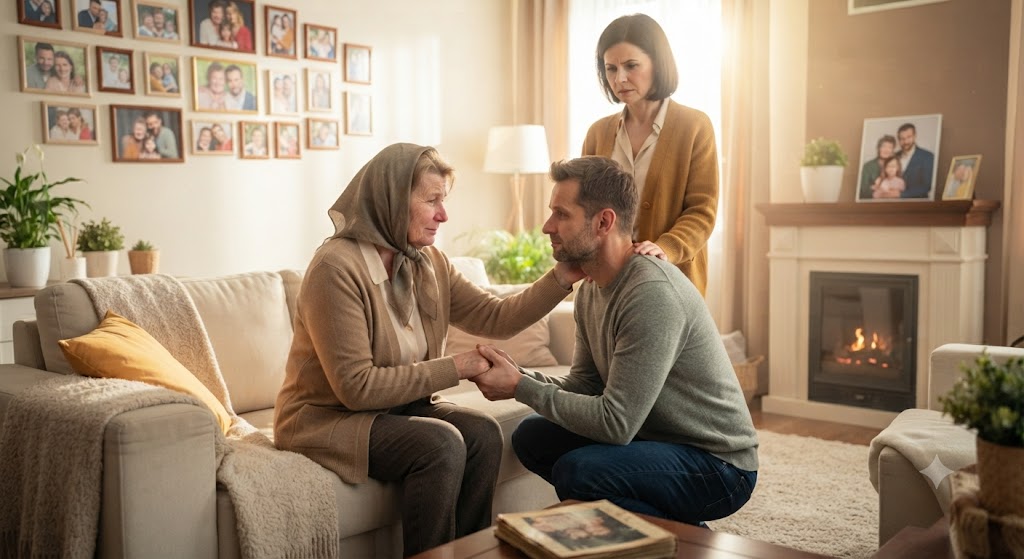
Mój brat rozpłakał się jeszcze bardziej.
Minęło wiele miesięcy, zanim relacja między nimi zaczęła się odbudowywać. Przeprosiny nie naprawiły wszystkiego od razu. Zaufanie, które niszczy się jednym gestem, często wraca bardzo powoli.
Ale mój brat zaczął się zmieniać.
Zaczął odwiedzać matkę, pomagać jej i przede wszystkim — słuchać jej. Zrozumiał, że największym błędem nie było to, że stracił pieniądze czy wygodę.
Stracił coś znacznie cenniejszego.
Miłość osoby, która kochała go bezwarunkowo.
Dziś, kiedy patrzę na moją matkę, wiem, że tamten deszczowy wieczór był jednym z najtrudniejszych momentów naszego życia. Ale był też chwilą, która otworzyła oczy mojemu bratu.
Bo czasami ludzie muszą stracić coś ważnego, żeby zrozumieć jego wartość.
Moja matka nauczyła mnie wtedy jednej rzeczy — prawdziwa rodzina nie zawsze jest związana krwią. To ludzie, którzy wybierają cię każdego dnia. Ludzie, którzy zostają, kiedy jesteś słaby. I ludzie, którzy pamiętają dobro, nawet gdy sami zostali zranieni.