
TEIL 1 – Drei Tage nach dem Tod meines Mannes wollte seine Mutter bereits über unser Leben entscheiden
Drei Tage nachdem ich meinen Mann beerdigt hatte, saß ich noch immer mit derselben Tasse Kaffee am Küchentisch, die ich jeden Morgen für ihn gemacht hatte. Ich wusste nicht einmal, warum ich sie noch immer hinstellte. Vielleicht, weil ein Teil von mir noch nicht akzeptiert hatte, dass niemand mehr kommen würde, um sie zu nehmen. Vielleicht, weil manche Gewohnheiten stärker sind als die Realität. Das Haus war still geworden. Nicht diese angenehme Ruhe, die man nach einem langen Tag genießt, sondern eine Stille, die sich schwer auf die Schultern legt. Überall waren Erinnerungen. Seine Jacke hing noch im Flur. Seine Uhr lag auf dem Nachttisch. Seine Unterlagen lagen noch in seinem Arbeitszimmer. Alles erinnerte mich daran, dass ein Mensch, der gestern noch Teil meines Alltags gewesen war, plötzlich nicht mehr zurückkommen würde.
Neben mir saß meine siebenjährige Tochter und malte ein Bild. Sie hatte ihren Vater verloren, aber sie verstand noch nicht vollständig, was das bedeutete. Kinder trauern anders. Sie fragte nicht, warum er nicht mehr nach Hause kam. Sie fragte nur, wann er wieder mit ihr spielen würde. Diese Frage brach mir jedes Mal das Herz. Ich versuchte stark zu sein, weil ich wusste, dass sie mich brauchte. Ich war nicht nur eine Ehefrau, die ihren Mann verloren hatte. Ich war eine Mutter, die jetzt alleine für ein Kind verantwortlich war, das gerade seinen wichtigsten Menschen verloren hatte.
Mein Mann und ich hatten zehn Jahre zusammen gelebt. Es war kein perfektes Leben, aber es war unser Leben. Wir hatten schwierige Zeiten überstanden, gemeinsam Entscheidungen getroffen und uns etwas aufgebaut. Er hatte eine gut laufende Kanzlei geführt, die er sich über viele Jahre erarbeitet hatte. Ich hatte ihn von Anfang an begleitet. Ich wusste, wie viele Nächte er gearbeitet hatte. Ich wusste, wie viele Sorgen er mit nach Hause brachte und wie oft er trotzdem versuchte, für unsere Familie stark zu bleiben. Nach außen sah es so aus, als hätte er alles unter Kontrolle. Aber in den letzten Monaten vor seinem Tod hatte ich gemerkt, dass etwas nicht stimmte.
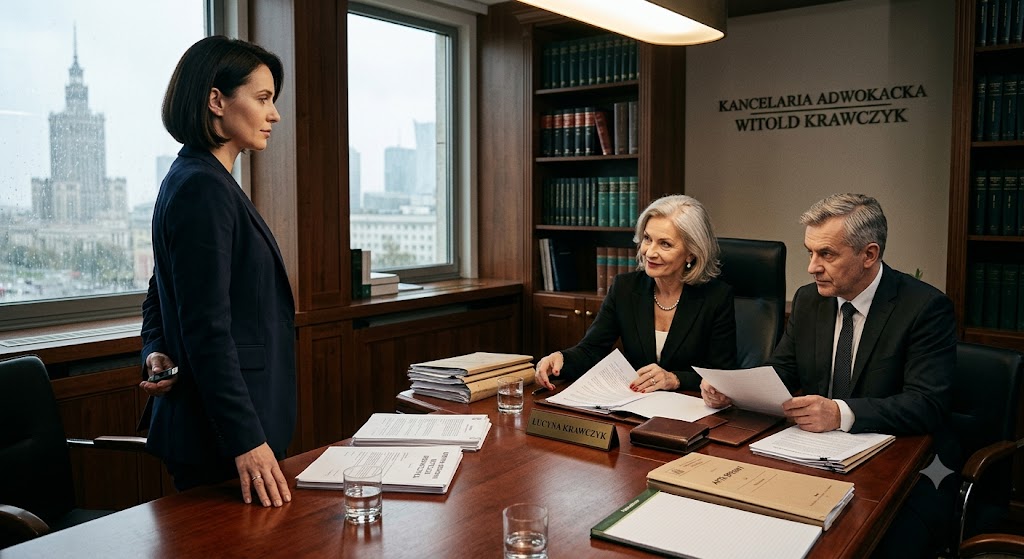
Er war nervöser geworden. Er schlief schlecht. Manchmal saß er spät nachts noch in seinem Arbeitszimmer und starrte auf Dokumente, ohne wirklich etwas zu tun. Wenn ich ihn fragte, ob etwas passiert sei, sagte er immer, es sei nur der Stress mit einem schwierigen Mandanten. Ich glaubte ihm, weil ich ihm vertraute. Warum sollte ich auch denken, dass der Mensch, mit dem ich mein Leben teilte, mir etwas Wichtiges verschweigen würde?
Heute weiß ich, dass er selbst nicht wusste, wie er mir alles erklären sollte.
Am Tag seiner Beerdigung bemerkte ich zum ersten Mal, dass meine Schwiegermutter nicht um denselben Menschen trauerte wie ich. Während ich am Grab stand und versuchte, für meine Tochter nicht zusammenzubrechen, beobachtete sie mich. Sie weinte nicht. Sie fragte nicht, wie es mir ging. Sie nahm meine Tochter nicht in den Arm. Stattdessen wartete sie, bis die meisten Menschen gegangen waren, und kam direkt auf mich zu.
Ich werde diesen Moment niemals vergessen.
Nicht wegen ihrer Worte allein.
Sondern wegen der Kälte dahinter.
Sie sagte leise, dass wir am nächsten Morgen über die Angelegenheiten meines Mannes sprechen müssten. Sie sagte, ich solle nichts aus dem Haus entfernen und pünktlich erscheinen. Es ging um das Erbe und um die Zukunft der Kanzlei.
Ich stand dort, noch in schwarzer Kleidung, mit meiner Tochter an der Hand, und konnte kaum glauben, was ich hörte. Mein Mann war gerade beerdigt worden. Unsere Familie hatte gerade einen Menschen verloren. Aber für sie hatte die nächste Phase bereits begonnen.
Die Phase des Aufteilens.
Die Nacht danach schlief ich kaum. Ich dachte über die letzten Monate nach. Über die Angst in den Augen meines Mannes. Über die Unterlagen, die er kurz vor seinem Tod in einen kleinen Safe gelegt hatte. Über den Satz, den er einmal gesagt hatte, als ich ihn fragte, warum er so angespannt sei.
„Falls irgendwann etwas passiert, musst du wissen, wo du suchen musst.“
Damals hatte ich ihn gefragt, was er damit meinte.
Er hatte nur gelächelt und gesagt, dass ich mir keine Sorgen machen solle.
Aber jetzt machte ich mir Sorgen.
Am nächsten Morgen brachte ich meine Tochter zu meiner Mutter und fuhr zur Kanzlei. Das Gebäude, in dem mein Mann gearbeitet hatte, fühlte sich plötzlich fremd an. Früher war ich oft dort gewesen. Ich kannte die Mitarbeiter, die Räume und die Atmosphäre. Aber an diesem Tag fühlte ich mich wie jemand, der nicht mehr dazugehört.
Im Besprechungsraum wartete meine Schwiegermutter bereits.
Neben ihr saß ein Anwalt, den sie offensichtlich vorbereitet hatte.
Auf meiner Seite saß ein Freund meines Mannes, der mich unterstützen wollte. Er kannte meinen Mann seit vielen Jahren und wusste, wie viel Arbeit hinter allem stand.
Meine Schwiegermutter kam sofort zur Sache. Sie erklärte, dass ihr Sohn ohne ihre Hilfe nie so erfolgreich geworden wäre. Sie sprach von Unterstützung in jungen Jahren, von Kontakten und von Dingen, die sie angeblich für ihn getan hatte. Ihre Worte klangen nicht wie Trauer. Sie klangen wie eine Rechnung, die sie begleichen lassen wollte.
Dann legte ihr Anwalt verschiedene Unterlagen auf den Tisch und begann über mögliche Ansprüche zu sprechen. Er erklärte, dass solche Verfahren lange dauern könnten. Dass Konten gesperrt werden könnten. Dass alles kompliziert werden würde.
Ich hörte zu.
Aber innerlich dachte ich nur an meine Tochter.
An ihr kleines Gesicht am Grab ihres Vaters.
An ihre Zukunft.
Dann machte meine Schwiegermutter ihren Vorschlag.
Sie wollte, dass ich auf meine Ansprüche verzichtete.
Auf das Haus.
Auf die Kanzlei.
Auf einen großen Teil dessen, was mein Mann aufgebaut hatte.
Im Gegenzug würde sie angeblich dafür sorgen, dass ich und meine Tochter „versorgt“ seien.
Es war die Art von Angebot, bei der ein Mensch erkennen kann, wie der andere ihn wirklich sieht.
Sie sah mich nicht als die Frau ihres verstorbenen Sohnes.
Sie sah mich als Hindernis.
Mein erster Gedanke war, zu kämpfen.
Ich wollte widersprechen.
Ich wollte ihr sagen, dass sie nicht einfach nach dem Tod ihres Sohnes auftauchen konnte, um über unser Leben zu entscheiden.
Doch dann erinnerte ich mich an den Safe.
An die Dokumente darin.
An das Gefühl, das ich hatte, als ich sie geöffnet hatte.
Ich hatte dort nicht das gefunden, was ich erwartet hatte.
Keine einfachen Vermögensaufstellungen.
Keine Ersparnisse.
Sondern Informationen, die zeigten, dass mein Mann in den letzten Monaten seines Lebens mit etwas gekämpft hatte, das größer war als ich gedacht hatte.
Ich wusste noch nicht alles.
Aber ich wusste genug.
Meine Schwiegermutter wollte unbedingt alles übernehmen.
Und vielleicht war genau das der Punkt, den sie selbst nicht verstanden hatte.
Manchmal bekommt ein Mensch genau das, was er unbedingt haben will.
Aber er versteht erst später, welchen Preis er dafür bezahlen muss.
Ich sah meine Schwiegermutter an.
Sie wartete darauf, dass ich mich wehrte.
Sie wollte einen Kampf.
Aber ich gab ihr etwas anderes.
Ich sagte ruhig:
„Ich akzeptiere.“
Für einen Moment sagte niemand etwas.
Der Freund meines Mannes sah mich an, als hätte er mich nicht verstanden.
Meine Schwiegermutter dagegen konnte ihre Freude kaum verbergen.
Sie dachte, ich hätte aufgegeben.
Sie dachte, eine trauernde Frau eingeschüchtert zu haben.
Sie wusste nicht, dass meine Entscheidung nicht aus Schwäche entstanden war.
Sie wusste nicht, dass ich nicht um das kämpfte, was auf dem Papier stand.
Ich kämpfte um etwas viel Wichtigeres.
Um meine Tochter.
Und um die Wahrheit, die mein Mann hinterlassen hatte.
TEIL 2 – Was mein Mann vor seinem Tod versteckt hatte
Nachdem ich die Dokumente unterschrieben hatte, glaubte meine Schwiegermutter, sie hätte gewonnen. Ich konnte es in ihrem Gesicht sehen. Diese Zufriedenheit, diese Überzeugung, dass sie endlich bekommen hatte, was sie immer wollte. Sie behandelte mich plötzlich nicht mehr wie die Frau ihres verstorbenen Sohnes, sondern wie jemanden, der aus ihrem Weg geräumt worden war. Für sie war ich eine trauernde Frau, die aus Angst aufgegeben hatte. Sie sah nicht, dass ich nicht wegen des Geldes schwieg. Sie verstand nicht, dass ich gerade eine Entscheidung traf, die nicht mein eigenes Leben betraf, sondern das meiner Tochter.
Auf dem Heimweg sagte mein bester Freund lange Zeit nichts. Er saß neben mir und hielt die Kopie der Unterlagen in den Händen, die meine Schwiegermutter mir gegeben hatte. Schließlich drehte er sich zu mir und fragte, was ich eigentlich vorhatte. Ich antwortete ihm nicht sofort. Ich wusste, dass selbst er nicht die ganze Wahrheit kannte. Ich wusste nicht, wem ich noch vertrauen konnte. Mein Mann war tot, meine Schwiegermutter hatte gerade versucht, mir alles wegzunehmen, und die Menschen, die jahrelang um meinen Mann herum gewesen waren, hatten vielleicht mehr gewusst, als ich ahnte.
Erst als wir bei mir zu Hause ankamen, erzählte ich ihm von dem Safe.
Ich zeigte ihm den kleinen Schlüssel, den ich seit der Nacht nach der Beerdigung bei mir trug. Ich hatte ihn niemandem gezeigt. Nicht, weil ich ein Geheimnis daraus machen wollte, sondern weil ich selbst erst verstehen musste, was ich gefunden hatte.
Wir gingen gemeinsam in den Keller.
Dort stand der alte Safe meines Mannes. Es war kein großer Tresor, wie man ihn aus Filmen kennt. Es war einfach eine kleine Metallbox, die hinter einigen alten Kartons versteckt war. Mein Mann hatte sie nie vor mir geheim gehalten. Aber er hatte auch nie darüber gesprochen.
Als ich sie in der Nacht geöffnet hatte, erwartete ich Dokumente über unser Haus, vielleicht Versicherungen oder wichtige Familienunterlagen.
Stattdessen fand ich etwas, das mein ganzes Bild von meinem Mann veränderte.
Es waren Ordner voller Unterlagen.
Rechnungen.
Notizen.
Kopien von E-Mails.
Und vor allem: Hinweise darauf, dass mein Mann in den letzten Monaten seines Lebens selbst Angst gehabt hatte.
Mein Freund blätterte langsam durch die Seiten. Je mehr er las, desto ernster wurde sein Gesicht.
„Das ist nicht nur ein finanzielles Problem“, sagte er irgendwann.
Ich wusste es bereits.
Mein Mann hatte nicht einfach Schwierigkeiten mit einem Geschäft gehabt.
Er hatte versucht, etwas zu verstecken.
Oder vielleicht besser gesagt: Er hatte versucht, etwas aufzuhalten.
Die Unterlagen zeigten, dass in der Kanzlei Dinge passiert waren, von denen ich nichts wusste. Es gab ungewöhnliche Zahlungen, komplizierte Geschäftsverbindungen und finanzielle Entscheidungen, die nicht zu dem Mann passten, den ich kannte.
Mein Mann war kein perfekter Mensch gewesen. Niemand ist das. Aber er war immer verantwortungsbewusst gewesen. Er hatte mir beigebracht, vorsichtig mit Menschen zu sein und niemals etwas zu unterschreiben, das ich nicht verstand.
Warum also hatte er plötzlich solche Risiken akzeptiert?
Wir saßen stundenlang im Keller und gingen alles durch.
Irgendwann fand ich eine kleine Notiz von ihm.
Nur wenige Zeilen.
Er hatte geschrieben, dass er nicht wusste, wem er noch vertrauen konnte.
Dieser Satz traf mich besonders.
Denn mein Mann war immer derjenige gewesen, der für andere Lösungen fand. Er war der starke Mensch in unserer Familie gewesen. Und jetzt erkannte ich, dass auch er Angst gehabt hatte.
Am nächsten Tag traf ich mich erneut mit meinem Freund. Wir beschlossen, nicht sofort zu handeln. Wir mussten vorsichtig sein. Wenn meine Schwiegermutter wirklich so entschlossen war, alles zu übernehmen, durfte sie nicht wissen, was wir gefunden hatten.
Ich begann zu verstehen, warum mein Mann in den letzten Wochen vor seinem Tod so angespannt gewesen war.
Er hatte gewusst, dass etwas nicht stimmte.
Aber vielleicht hatte er nicht mehr genug Zeit gehabt, alles zu klären.
Währenddessen begann meine Schwiegermutter, ihr neues Leben aufzubauen.
Sie zog in das Haus ein, das früher mein Zuhause gewesen war. Sie ließ Möbel umstellen, sprach mit Handwerkern und erzählte überall, dass sie nun die Verantwortung für das Vermächtnis ihres Sohnes übernommen hatte.
Es war fast schmerzhaft, das zu sehen.
Nicht wegen des Hauses.
Ein Haus ist nur ein Gebäude.
Es waren die Erinnerungen darin, die weh taten.
Die ersten Schritte meiner Tochter.
Die Familienessen.
Die Abende, an denen mein Mann und ich nach langen Tagen zusammen in der Küche saßen.
Aber ich erinnerte mich immer wieder daran, warum ich diese Entscheidung getroffen hatte.
Meine Tochter.
Sie war zu jung, um in einen jahrelangen Streit gezogen zu werden. Sie brauchte kein Leben voller Gerichtsverfahren und Unsicherheit. Sie brauchte Stabilität.
Einige Tage später holte ich die letzten Sachen aus unserem Haus.
Meine Schwiegermutter war dabei.
Sie wollte offenbar sicherstellen, dass ich nichts mitnahm, was ihrer Meinung nach ihr gehörte.
Meine Tochter saß im Auto und wartete.
Sie verstand nicht, warum wir gingen.
Sie verstand nur, dass ihr Zuhause plötzlich nicht mehr unser Zuhause war.
Als meine Schwiegermutter bemerkte, dass meine Tochter ihr altes Tablet in der Hand hielt, nahm sie es ihr weg.
„Das gehört zur Ausstattung des Hauses“, sagte sie.
Meine Tochter sah sie erschrocken an.
„Aber das ist meins.“
Es war ein kleiner Moment.
Für einen Erwachsenen vielleicht unwichtig.
Aber für ein Kind war es wieder eine Erinnerung daran, dass jemand anderes gerade über ihr Leben bestimmte.
Ich sah meine Tochter an.
Ich sah ihre Tränen.
Und ich wusste, dass ich die richtige Entscheidung getroffen hatte.
Nicht wegen des Geldes.
Nicht wegen meiner Schwiegermutter.
Sondern weil ich meiner Tochter zeigen wollte, dass sie nicht alles akzeptieren muss, nur weil jemand älter oder mächtiger ist.
Wir verließen das Haus mit wenigen Sachen.
Ich hatte keine große Wohnung mehr.
Keine teuren Möbel.
Keine Sicherheit, die man von außen sehen konnte.
Aber zum ersten Mal seit dem Tod meines Mannes fühlte ich mich frei.
Wir zogen in eine kleine Wohnung in der Stadt. Sie war einfach. Die Küche war klein, die Räume waren enger und der Blick aus dem Fenster war nicht mehr auf einen Garten gerichtet.
Aber dort konnten wir wieder atmen.
Meine Tochter gewöhnte sich langsam an das neue Leben. Es war nicht leicht. Sie vermisste ihr altes Zuhause und fragte oft nach ihrem Vater. Aber sie begann auch etwas Wichtiges zu verstehen.
Ein Zuhause ist nicht nur ein Ort.
Ein Zuhause sind Menschen, bei denen man sich sicher fühlt.
Während wir versuchten, unser neues Leben aufzubauen, beobachtete ich aus der Entfernung, wie meine Schwiegermutter immer selbstbewusster wurde. Sie gab Geld aus, als hätte sie eine unendliche Quelle davon. Sie erzählte jedem, dass sie das Unternehmen ihres Sohnes retten würde.
Aber ich wusste etwas, das sie nicht wusste.
Sie hatte nicht nur etwas übernommen.
Sie hatte Verantwortung übernommen.
Und je mehr ich die Unterlagen meines Mannes studierte, desto klarer wurde mir, dass der Tag kommen würde, an dem sie die Wahrheit nicht mehr ignorieren konnte.
Ich hatte ihr gegeben, was sie wollte.
Aber ich hatte ihr niemals gesagt, dass sie vielleicht etwas übernommen hatte, das sie niemals kontrollieren konnte.
Und irgendwann würde sie verstehen, dass der größte Fehler ihres Lebens nicht gewesen war, mir alles wegzunehmen.
Der größte Fehler war gewesen, zu glauben, dass ich wirklich verloren hatte.
TEIL 3 – Sie bekam alles, was sie wollte, und verlor genau dadurch alles
Die nächsten Wochen waren für mich eine seltsame Mischung aus Angst und Ruhe. Angst, weil ich wusste, dass etwas passieren würde. Ruhe, weil ich zum ersten Mal seit dem Tod meines Mannes nicht mehr versuchte, alles gleichzeitig zu kontrollieren. Ich hatte aufgehört, um Dinge zu kämpfen, die mir meine Schwiegermutter wegnehmen wollte. Stattdessen konzentrierte ich mich auf das, was wirklich wichtig war: meine Tochter und unser neues Leben.
Meine Schwiegermutter dagegen schien ihr neues Leben zu genießen. Ich hörte über Bekannte, dass sie überall erzählte, sie hätte nach dem Tod ihres Sohnes endlich Ordnung geschaffen. Sie sprach davon, die Kanzlei weiterzuführen und das Vermächtnis ihres Sohnes zu schützen. Sie gab Interviews, erschien bei Veranstaltungen und ließ sich als starke Frau darstellen, die nach einer schweren Zeit Verantwortung übernommen hatte.
Wenn ich diese Bilder sah, fühlte ich manchmal einen kurzen Stich im Herzen.
Nicht wegen des Hauses.
Nicht wegen des Geldes.
Sondern wegen der Ungerechtigkeit.
Denn sie wusste nicht, was wirklich passiert war. Sie glaubte, sie hätte mir alles genommen. Sie glaubte, ich sei die Verliererin dieser Geschichte.
Aber sie wusste nicht, dass ich in der Nacht nach dem Gespräch mit ihr noch etwas gefunden hatte.
Etwas, das alles verändern würde.
Mein Mann hatte nicht nur Dokumente hinterlassen. In einer versteckten Datei auf einem alten Speichergerät hatte er eine Sammlung von Notizen und Aufzeichnungen gespeichert. Es war offensichtlich, dass er versucht hatte, Beweise zu sichern. Vielleicht hatte er gehofft, eines Tages alles erklären zu können.
Vielleicht wusste er aber auch, dass er nicht genug Zeit hatte.
Je mehr ich las, desto mehr verstand ich, warum er in den letzten Monaten vor seinem Tod so verändert gewesen war. Er hatte nicht nur berufliche Probleme gehabt. Er hatte versucht, eine Situation zu kontrollieren, die ihm selbst entglitten war.
Die Kanzlei, auf die alle so stolz waren, war nicht so stabil, wie sie nach außen wirkte.
Es gab finanzielle Probleme.
Es gab Entscheidungen, die falsch getroffen worden waren.
Es gab Dinge, über die mein Mann mit niemandem gesprochen hatte.
Und plötzlich verstand ich auch, warum meine Schwiegermutter so schnell handeln wollte.
Sie hatte Angst.
Nicht um mich.
Nicht um meine Tochter.
Um sich selbst.
Sie wusste wahrscheinlich, dass etwas nicht stimmte. Vielleicht hatte sie gehofft, dass sie nach dem Tod ihres Sohnes schnell genug die Kontrolle übernehmen konnte, bevor jemand genauer hinsah.
Doch jetzt war sie verantwortlich.
Und genau das war der Unterschied.
Ich hatte ihr nicht die Wahrheit weggenommen.
Ich hatte ihr nur erlaubt, die Entscheidung zu treffen, die sie unbedingt treffen wollte.
Einige Monate später kam der Tag, an dem alles zusammenbrach.
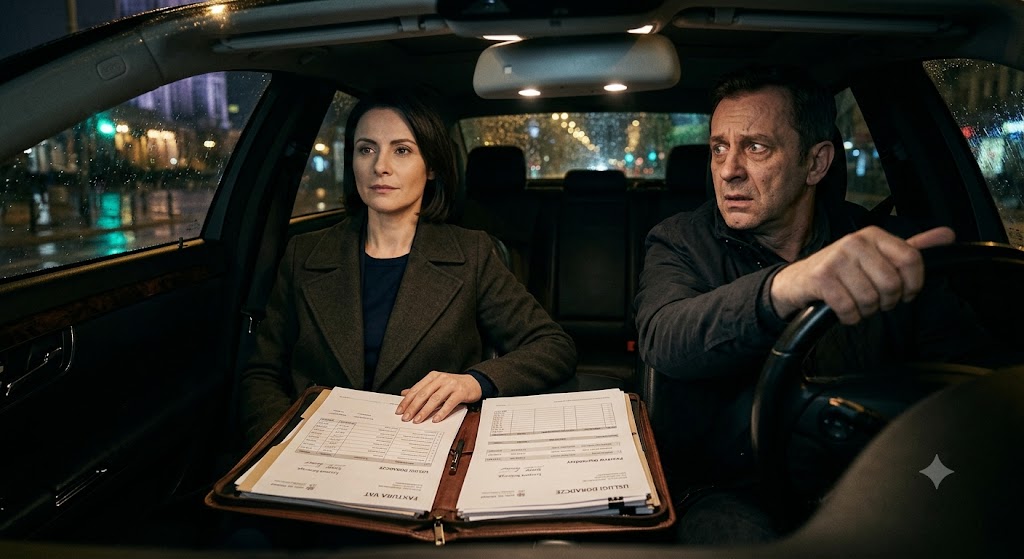
Ich erinnere mich noch genau an den Morgen. Meine Tochter saß am Küchentisch und machte ihre Hausaufgaben. Ich bereitete gerade Frühstück vor, als mein Telefon klingelte.
Es war ein Freund meines Mannes.
Seine Stimme klang ernst.
„Schalten Sie den Fernseher ein.“
Ich wusste sofort, dass etwas passiert war.
Auf dem Bildschirm sah ich die Straße, in der die Kanzlei meines Mannes lag. Vor dem Gebäude standen mehrere Fahrzeuge von Behörden. Menschen standen auf dem Gehweg und beobachteten, was passierte.
Der Bericht sprach von Ermittlungen wegen finanzieller Unregelmäßigkeiten und möglicher schwerer Verstöße.
Und dann sah ich sie.
Meine Schwiegermutter.
Nicht in ihrem eleganten Mantel.
Nicht mit ihrem selbstbewussten Gesichtsausdruck.
Sondern verwirrt und erschöpft.
Zum ersten Mal sah sie nicht aus wie jemand, der alles kontrollierte.
Sie sah aus wie jemand, der gerade verstanden hatte, dass sie die Kontrolle verloren hatte.
Mein Telefon klingelte erneut.
Diesmal war es sie.
Ich nahm ab.
Ihre Stimme war völlig anders als vorher.
Keine Arroganz.
Keine Überlegenheit.
Nur Wut und Angst.
„Du wusstest es.“
Ich schwieg.
„Du wusstest, was passieren würde.“
Ich antwortete ruhig:
„Du hast bekommen, was du wolltest.“
Am anderen Ende hörte ich nur ihre Atmung.
„Du hast mich reingelegt.“
Ich schüttelte den Kopf, obwohl sie mich nicht sehen konnte.
„Nein. Ich habe dich nicht gezwungen, etwas zu unterschreiben. Du wolltest alles übernehmen. Du hast selbst entschieden.“
Sie begann zu schreien.
Sie sagte, ich hätte ihr Leben zerstört.
Aber in diesem Moment verstand ich etwas.
Menschen wie sie glauben oft, dass Konsequenzen dasselbe sind wie Ungerechtigkeit.
Sie glauben, wenn etwas Schlechtes passiert, muss jemand anderes schuld sein.
Aber manchmal holt einen einfach das ein, was man selbst entschieden hat.
Nach diesem Tag änderte sich alles.
Die Wahrheit kam langsam ans Licht. Die Verantwortung lag nicht bei mir. Ich hatte nichts getan, um diese Situation zu verursachen. Im Gegenteil: Meine Entscheidung hatte verhindert, dass meine Tochter und ich in einen jahrelangen Kampf gezogen wurden.
Mein Freund erklärte mir später, dass meine Schwiegermutter ohne die Übernahme der Verantwortung wahrscheinlich versucht hätte, alle Probleme von sich wegzuschieben.
Aber durch ihre eigene Gier hatte sie genau das übernommen, was sie unbedingt besitzen wollte.
Alles.
Nicht nur die schönen Dinge.
Auch die Probleme dahinter.
Auch die Verantwortung.
Auch die Folgen.
Ein Jahr später saß ich mit meiner Tochter in einem Park. Es war ein warmer Frühlingstag. Meine Tochter spielte, lachte und wirkte wieder wie das Kind, das ich früher gekannt hatte.
Sie hatte nicht mehr das große Haus.
Sie hatte nicht mehr den Luxus, an den sie sich früher gewöhnt hatte.
Aber sie hatte etwas, das viel wichtiger war.
Frieden.
Meine Tochter hatte lange gebraucht, um den Verlust ihres Vaters zu verarbeiten. Aber sie hatte auch gelernt, dass ein Mensch nicht durch Besitz definiert wird.
Sie fragte mich einmal:
„Papa, hast du manchmal bereut, alles aufgegeben zu haben?“
Ich dachte lange über diese Frage nach.
Früher hätte ich vielleicht gesagt, dass es schwer war.
Und das war es.
Es war schwer, ein Zuhause zu verlieren.
Es war schwer, zu sehen, wie jemand versucht hatte, unsere Trauer auszunutzen.
Aber ich antwortete ihr ehrlich:
„Nein.“
Sie sah mich überrascht an.
„Wirklich nicht?“
Ich lächelte.
„Nein. Denn wenn ich damals um das Haus und das Geld gekämpft hätte, hätte ich vielleicht etwas anderes verloren.“
„Was?“
Ich nahm ihre Hand.
„Unsere Ruhe.“
Und genau das war die Wahrheit.
Meine Schwiegermutter dachte, sie hätte gewonnen, weil sie ein Haus, eine Firma und Vermögen bekommen hatte.
Aber sie hatte nie verstanden, was ich wirklich schützen wollte.
Nicht Möbel.
Nicht Konten.
Nicht Eigentum.
Meine Tochter.
Heute habe ich weniger Dinge als früher.
Aber ich schlafe besser.
Ich wache morgens auf und habe keine Angst vor dem nächsten Streit.
Meine Tochter wächst in einer Umgebung auf, in der sie sich sicher fühlt.
Und irgendwann habe ich verstanden, dass manche Menschen nur auf den Wert eines Menschen schauen, wenn er in Geld gemessen werden kann.
Aber die wichtigsten Dinge im Leben kann man nicht besitzen.
Liebe.
Vertrauen.
Familie.
Manchmal muss man etwas loslassen, von dem man dachte, man könnte ohne es nicht leben.
Und erst danach erkennt man, dass man nie das Wichtigste verloren hatte.
Denn am Ende hat meine Schwiegermutter zwar alles genommen, was auf Papier stand.
Aber sie konnte uns niemals das nehmen, was wirklich uns gehörte.


