Mąż wyrzucił mnie z domu razem z naszym synem, bo jego matka uznała, że nie jestem dla niego odpowiednia. Nie wiedzieli, że przez cały ten czas to ja budowałam nasze życie
CZĘŚĆ 1: Kobieta, która przez lata dawała wszystko, aż pewnego wieczoru usłyszała, że ma odejść
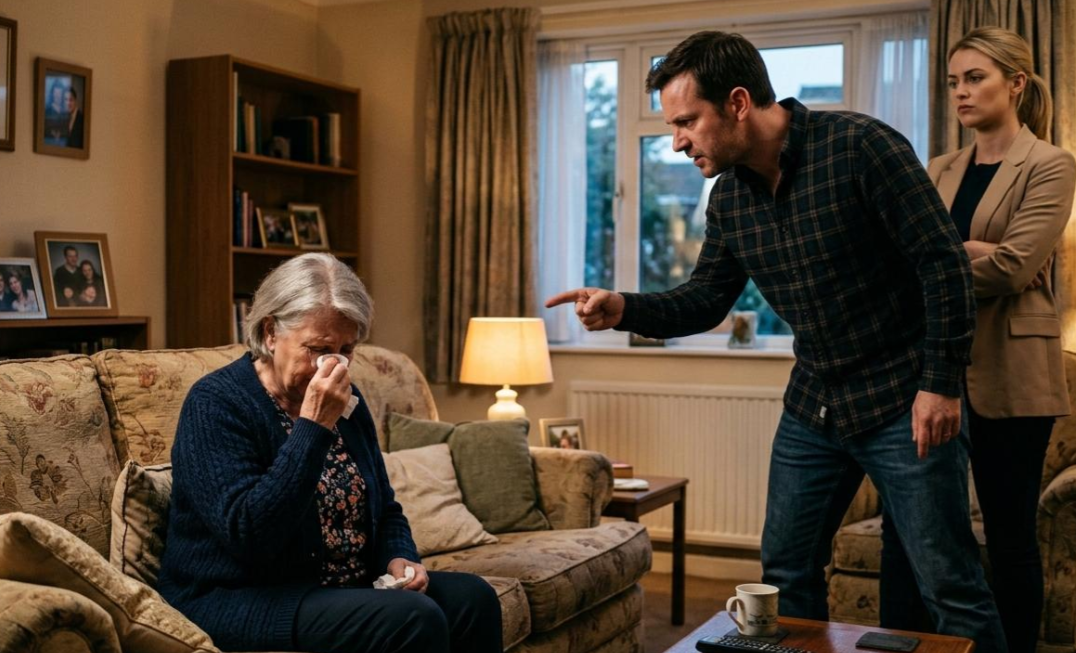
„I tak moja mama miała rację. Ty nigdy nie byłaś dla mnie odpowiednia. Zabieraj swojego bachora i wynoś się.”
Te słowa do dziś pamiętam dokładniej niż wiele pięknych chwil z mojego małżeństwa. Nie dlatego, że były najgłośniejsze, ale dlatego, że wypowiedział je człowiek, któremu przez lata ufałam najbardziej. Stałam wtedy w naszej kuchni we Wrocławiu, z kubkiem herbaty w dłoni, patrząc na Zbyszka i próbując zrozumieć, czy naprawdę słyszę to, co właśnie powiedział. Za ścianą spał nasz syn Michał, na stole zostały talerze po kolacji, a w powietrzu wciąż unosił się zapach jedzenia, które przygotowałam kilka godzin wcześniej. To miał być zwykły wieczór w zwykłym domu. Zamiast tego był moment, w którym zrozumiałam, że człowiek, z którym chciałam spędzić całe życie, właśnie przekroczył granicę, zza której nie było już powrotu.
Przez wiele lat wierzyłam, że stworzyliśmy z Zbyszkiem prawdziwą rodzinę. Nie mieliśmy idealnego życia, ale ja nigdy tego nie oczekiwałam. Nie potrzebowałam wielkiego domu, drogich rzeczy ani ciągłych wyjazdów. Chciałam tylko normalności. Chciałam budzić się rano przy człowieku, który mnie szanuje, wychowywać dziecko w spokojnym miejscu i mieć poczucie, że oboje pracujemy na to samo życie. Nasze mieszkanie na wrocławskim osiedlu nie było niczym wyjątkowym. Zwykły blok z wielkiej płyty, mały balkon z widokiem na plac zabaw, łazienka z wiecznie cieknącym kranem i kuchnia, w której spędzałam większość czasu. Ale dla mnie to było coś więcej niż mieszkanie. To był nasz dom. Miejsce, które budowałam każdego dnia.

Kiedy kupowaliśmy mieszkanie, to ja wzięłam na siebie kredyt, ponieważ tylko ja miałam odpowiednią zdolność finansową. Nie traktowałam tego jako ciężaru. Wręcz przeciwnie, byłam dumna, że mogę zrobić coś dla naszej przyszłości. Pracowałam jako księgowa zdalnie w dużej firmie IT. Byłam osobą, która zawsze pilnowała szczegółów, terminów i pieniędzy. Potrafiłam siedzieć do późnej nocy, sprawdzając dokumenty, bo wiedziałam, że moja praca ma znaczenie. Dzięki temu mogłam również zostać z Michałkiem w domu, kiedy się urodził. To było dla mnie ważne. Nie chciałam przegapić jego pierwszych kroków, pierwszych słów i tych wszystkich małych chwil, które już nigdy się nie powtórzą.
Macierzyństwo było najpiękniejszym, ale też najtrudniejszym okresem mojego życia. Pamiętam noce, kiedy Michał płakał przez kilka godzin, a ja chodziłam po mieszkaniu z nim na rękach, próbując go uspokoić. Miałam podkrążone oczy, zapominałam jeść i czasami sama nie wiedziałam, kiedy ostatni raz spałam dłużej niż trzy godziny. Ale kiedy rano patrzyłam na jego uśmiech, wszystko miało sens. Wtedy naprawdę wierzyłam, że mamy coś wyjątkowego. Problem polegał na tym, że Zbyszek widział rodzicielstwo zupełnie inaczej. Lubił pokazywać zdjęcia syna znajomym i mówić, jaki jest dumny, ale w domu większość obowiązków zostawała na moich barkach. Kiedy Michał płakał w nocy, wstawałam ja. Kiedy trzeba było iść do lekarza, organizować ubrania albo pilnować codziennych spraw, robiłam to ja. A kiedy prosiłam o pomoc, słyszałam: „Przecież ty i tak siedzisz w domu, to możesz się zająć.”
Za każdym razem te słowa bolały mnie trochę bardziej. Bo ja nie siedziałam w domu. Pracowałam, wychowywałam dziecko, prowadziłam gospodarstwo i spłacałam zobowiązania. Ale z czasem przestałam się tłumaczyć. Zaczęłam zauważać, że Zbyszek coraz częściej wybierał ciszę albo unikanie rozmowy zamiast próby rozwiązania problemów. Wracał coraz później, tłumacząc się spotkaniami z klientami i ważnymi rozmowami. Wiedziałam jednak, że część tych „spotkań” kończyła się przy alkoholu z kolegami. Kiedy pytałam, czy wszystko między nami jest w porządku, odpowiadał z irytacją: „Nie zaczynaj znowu, jestem zmęczony.” Z czasem zaczęłam czuć się tak, jakbym była problemem tylko dlatego, że próbuję rozmawiać.
Największą zmianę zauważyłam po pojawieniu się Stefanii, matki Zbyszka. Na początku naprawdę chciałam, żebyśmy miały dobrą relację. Wiedziałam, że dla niego jest ważną osobą i chciałam, żeby Michał miał bliski kontakt z babcią. Kiedy pierwszy raz przyszła do naszego mieszkania po narodzinach wnuka, przygotowałam obiad, posprzątałam wszystko i czekałam z nadzieją, że będzie to miłe rodzinne spotkanie. Ale już po kilku minutach poczułam, że coś jest nie tak. Stefania nie zapytała, jak się czuję ani jak radzimy sobie z dzieckiem. Rozejrzała się po mieszkaniu i powiedziała chłodno: „Te firanki to gdzie kupiłaś? Trochę tanio wyglądają.”
Uśmiechnęłam się wtedy, chociaż w środku poczułam ukłucie. Pomyślałam, że może taki ma charakter. Może jest po prostu bezpośrednia. Jednak z każdą kolejną wizytą było coraz trudniej. Stefania komentowała wszystko. Kolor ścian, sposób gotowania, ubranka Michała, a nawet to, jak trzymałam własne dziecko. „On jest jakiś chudziutki, dajesz mu wystarczająco dużo jedzenia?” – pytała tonem, który nie zostawiał miejsca na odpowiedź. „Porządna matka powinna bardziej pilnować takich rzeczy.” Najgorsze było jednak to, że Zbyszek nigdy nie reagował. Siedział obok, pił herbatę i udawał, że tych słów nie słyszy.
Po pewnym czasie wizyty Stefanii stały się czymś więcej niż zwykłymi odwiedzinami. Czułam się, jakby przychodziła przeprowadzać kontrolę. Wchodziła do mieszkania, patrzyła na wszystko i znajdowała coś, co jej nie pasowało. „Przyniosłam wam trochę warzyw, bo nie wiem, czy ty w ogóle gotujesz coś porządnego temu dziecku” – mówiła z fałszywą troską. Zbyszek czasami próbował ją uspokoić, ale nigdy nie stawał po mojej stronie. „Mamo, nie przesadzaj” – mówił, ale za chwilę dodawał: „Bożena też mogłaby trochę bardziej zadbać o dom.” Za każdym razem czułam, jak coś we mnie pęka. Nie dlatego, że ktoś mnie krytykował. Ludzie mogą mieć różne opinie. Bolało mnie to, że mój własny mąż pozwalał, żeby ktoś mnie poniżał.
Pewnego wieczoru, kiedy Michał już spał, próbowałam jeszcze raz porozmawiać ze Zbyszkiem. „My naprawdę musimy coś zmienić. Nie możemy tak dalej żyć.” Spojrzał na mnie zmęczonym wzrokiem i odpowiedział: „A co ja mam zmieniać?” „Wszystko jest na mojej głowie. Czuję się sama. Nie mam wrażenia, że jesteśmy drużyną.” Zbyszek westchnął i pokręcił głową. „Zawsze tylko narzekasz. Moja mama ma trochę racji. Za bardzo skupiasz się na pracy i swoich zasadach.” Nie mogłam uwierzyć, że to powiedział. Człowiek, który przez lata korzystał z mojego wysiłku, nagle zaczął mi tłumaczyć, że to ja jestem problemem.
Tamtej nocy położyłam się obok śpiącego Michała i długo patrzyłam na jego spokojną twarz. Nadal wierzyłam, że może coś się zmieni. Że Zbyszek w końcu zrozumie, że rodzina nie polega na tym, żeby wybierać stronę matki przeciwko żonie. Chciałam tylko spokoju. Nie luksusu, nie idealnego życia. Tylko domu, w którym nikt nie sprawia, że czuję się obca.
Nie wiedziałam jeszcze, że najgorszy wieczór dopiero miał nadejść. Nie wiedziałam, że Stefania przygotuje rozmowę, po której wszystko się zmieni. I że człowiek, który kiedyś obiecywał mi, że zawsze będzie przy mnie, spojrzy mi w oczy i każe mi odejść z domu, który przez lata pomagałam budować.
CZĘŚĆ 2: W noc, kiedy kazał mi odejść, odzyskałam coś, co dawno straciłam
Przez wiele miesięcy próbowałam jeszcze wierzyć, że to tylko kryzys. Że Zbyszek jest zmęczony, że może przechodzi trudniejszy okres, że wpływ jego matki kiedyś osłabnie. Człowiek bardzo długo potrafi usprawiedliwiać osobę, którą kocha. Nawet wtedy, kiedy fakty zaczynają mówić coś zupełnie innego. Ja też przez długi czas szukałam powodów, żeby go bronić. Tłumaczyłam sobie, że może nie umie rozmawiać, że może został wychowany w domu, gdzie mężczyzna nie okazuje emocji, że może Stefania po prostu jest trudną osobą, ale w głębi serca nadal wierzyłam, że mój mąż wybierze mnie, kiedy naprawdę będzie tego potrzebował. Nie wiedziałam jeszcze, że nadejdzie dzień, kiedy stanie po stronie osoby, która przez lata niszczyła nasz związek.
Po kolejnych wizytach Stefanii coraz częściej czułam, że moje własne mieszkanie przestaje być moim miejscem. To było dziwne uczucie, bo przecież to ja spłacałam kredyt, to ja pilnowałam rachunków, to ja organizowałam większość spraw związanych z domem i dzieckiem. A jednak kiedy Stefania przekraczała próg, miałam wrażenie, jakby nagle ktoś inny przejmował kontrolę. Potrafiła wejść do kuchni, otworzyć szafkę i powiedzieć: „Nie rozumiem, po co kupujesz takie rzeczy. Kiedyś kobiety umiały gospodarować pieniędzmi.” Albo spojrzeć na zabawki Michałka i rzucić: „Tyle tego wszystkiego, a dziecko i tak pewnie bardziej potrzebuje dyscypliny niż kolejnych zabawek.” Najgorsze było to, że Zbyszek nigdy nie mówił: „Mamo, przestań.” Nigdy nie powiedział: „To moja żona, szanuj ją.” Zawsze wybierał najłatwiejsze rozwiązanie – milczenie.
Z czasem zauważyłam, że nie tylko pozwalał matce mnie krytykować, ale sam zaczął powtarzać jej słowa. Kiedyś wrócił wieczorem z pracy i bez żadnego powodu powiedział: „Wiesz, mama ma trochę racji. Za bardzo skupiasz się na pracy.” Spojrzałam na niego z niedowierzaniem. „Na pracy? Zbyszek, ta praca utrzymuje nasz dom. Dzięki niej mamy mieszkanie, rachunki są opłacone i Michał ma wszystko, czego potrzebuje.” Wzruszył ramionami. „Nie chodzi tylko o pieniądze. Kobieta powinna też zadbać o mężczyznę.” To zdanie zabolało mnie szczególnie, bo miałam wrażenie, że po latach wspólnego życia on nadal nie widział wszystkiego, co robiłam. Nie widział pobudek o piątej rano, nie widział nieprzespanych nocy, nie widział stresu związanego z pracą i wychowaniem dziecka. Widział tylko to, czego według niego brakowało.
Michał był wtedy jeszcze mały i właśnie on dawał mi siłę, żeby każdego dnia wstawać i próbować dalej. Kiedy patrzyłam na niego bawiącego się na podłodze w salonie, przypominałam sobie, dlaczego jeszcze walczę. Nie chciałam, żeby dorastał w domu pełnym napięcia i chłodu. Nie chciałam, żeby nauczył się, że krzyk jest normalną formą rozmowy, a poniżanie drugiej osoby można usprawiedliwić zmęczeniem. Dlatego wiele razy próbowałam jeszcze rozmawiać ze Zbyszkiem spokojnie. Pewnego wieczoru, kiedy Michał już spał, usiadłam obok niego i powiedziałam: „Zbyszek, ja nie chcę z tobą walczyć. Chcę tylko, żebyśmy znowu byli rodziną. Ale nie dam rady ciągle być sama w tym wszystkim.” On nawet nie odłożył telefonu. „Znowu zaczynasz?” – odpowiedział. „Nie, próbuję ci powiedzieć, że cierpię.” „Przesadzasz. Masz wszystko. Dom, dziecko, pracę. Czego jeszcze chcesz?” Wtedy zrozumiałam, że największym problemem nie był brak pieniędzy ani zmęczenie. Największym problemem było to, że on przestał widzieć moje starania.
Punktem zwrotnym była kolacja, którą zorganizowała Stefania. Pamiętam ten wieczór bardzo dokładnie, bo już od początku czułam dziwne napięcie. Stefania przyszła z ciastem i uśmiechem, który nie miał nic wspólnego z życzliwością. „Pomyślałam, że zjemy razem, przecież rodzina powinna trzymać się razem” – powiedziała, ale po kilku minutach zaczęła robić dokładnie to samo co zawsze. Komentowała moje gotowanie, moje podejście do Michała i sposób prowadzenia domu. „Zbyszek, naprawdę uważasz, że tak powinno wyglądać życie rodzinne? Ty pracujesz, starasz się, a ona siedzi cały dzień przy komputerze.” Poczułam, jak zaciska mi się szczęka. Wiedziałam, że jeśli odpowiem, Stefania wykorzysta to przeciwko mnie. Próbowałam zachować spokój. „Stefaniu, proszę, nie zaczynajmy znowu tego tematu.” Ona spojrzała na mnie chłodno. „A co? Nie wolno już powiedzieć prawdy we własnym domu?”
Spojrzałam wtedy na Zbyszka. Czekałam, aż coś powie. Jedno zdanie. Jedną rzecz, która pokaże, że nadal jesteśmy małżeństwem. Że jesteśmy drużyną. Ale on siedział cicho. Patrzył w talerz. Jak zawsze. I wtedy poczułam, że coś we mnie pęka. Nie ze złości. Z rozczarowania. Bo nagle zobaczyłam, że przez cały ten czas nie walczyłam z jego matką. Walczyłam z tym, że mój własny mąż pozwalał jej wygrywać.
Kiedy kolacja się kończyła, wstałam, żeby zabrać talerze do kuchni. Wtedy usłyszałam głos Zbyszka. Tym razem nie był spokojny. Był pełen gniewu, którego wcześniej u niego nie widziałam. „Dość tego.” Odwróciłam się. „Czego?” – zapytałam. Patrzył na mnie z twarzą, której nie poznawałam. „Mam już tego wszystkiego dosyć. Twojego narzekania, twojego tonu, tego, że zawsze musi być po twojemu.” Nie rozumiałam, o czym mówi. „Zbyszek, o czym ty mówisz?” Wtedy wypowiedział słowa, które zmieniły wszystko: „Moja mama miała rację. Nigdy nie byłaś dla mnie odpowiednia. Zabieraj swojego bachora i wynoś się.”
Przez chwilę w domu zapadła całkowita cisza. Nawet Stefania przestała mówić. Patrzyłam na człowieka stojącego przede mną i nie mogłam uwierzyć, że to ten sam mężczyzna, który kiedyś trzymał mnie za rękę i obiecywał, że będziemy razem przez całe życie. Czekałam na jakiekolwiek wycofanie się z tych słów. Na „przepraszam”, na „poniosło mnie”, na cokolwiek. Ale nic takiego nie nastąpiło. Stefania siedziała obok z wyrazem twarzy, którego nie zapomnę. Wyglądała, jakby właśnie dostała to, na co czekała od dawna.
Nie krzyczałam.
Nie płakałam.
Po prostu skinęłam głową.
„Dobrze” – powiedziałam spokojnie. „Sam się o to prosiłeś.”
Poszłam do sypialni i zaczęłam pakować rzeczy swoje i Michała. Moje ręce były spokojne, chociaż w środku wszystko bolało. Spakowałam ubrania syna, dokumenty, kilka najpotrzebniejszych rzeczy. Michał spał spokojnie w swoim łóżeczku, nieświadomy tego, że świat dorosłych właśnie się rozpada. Wzięłam go na ręce, przykryłam kocykiem i po raz ostatni spojrzałam na mieszkanie, które przez lata nazywałam domem.
Kiedy wychodziłam, Stefania jeszcze za mną zawołała: „I gdzie ty niby pójdziesz? Myślisz, że ktoś cię przyjmie z dzieckiem?” Zatrzymałam się przy drzwiach i spojrzałam na nią spokojnie. Jeszcze kilka miesięcy wcześniej takie słowa by mnie złamały. Tego wieczoru już nie. „Zobaczysz” – odpowiedziałam tylko.
Nie trzaskałam drzwiami.
Nie robiłam sceny.
Po prostu wyszłam.
W taksówce jadącej przez nocny Wrocław patrzyłam przez okno na światła miasta i pierwszy raz od dawna nie czułam strachu. Czułam pustkę, ale pod tą pustką było coś jeszcze. Coś, czego nie miałam od dawna.
Spokój.
Nie wiedziałam jeszcze, że następnego dnia Zbyszek zrozumie, co naprawdę zrobił. Nie wiedziałam, że mieszkanie, z którego próbował mnie wyrzucić, stanie się początkiem jego największej porażki. I nie wiedziałam, że tym razem to ja będę osobą, która postawi ostatnią kropkę.
CZĘŚĆ 3: Odeszłam z jedną walizką, ale wróciłam po swoje życie
Pierwsza noc po odejściu od Zbyszka była jedną z najdziwniejszych nocy w moim życiu. Leżałam w pokoju u rodziców, słuchając cichego oddechu Michałka śpiącego obok, i próbowałam zrozumieć, jak w ciągu kilku minut można stracić wszystko, co człowiek budował przez lata. Jeszcze dzień wcześniej miałam mieszkanie, męża i przekonanie, że mimo problemów nadal jesteśmy rodziną. Teraz miałam tylko kilka toreb z ubraniami, śpiące dziecko i świadomość, że mężczyzna, któremu ufałam, kazał mi odejść. Najbardziej bolało mnie nie to, że zostałam wyrzucona z domu. Najbardziej bolało mnie to, że zrobił to bez chwili zawahania, jakby wszystkie wspólne lata nagle przestały mieć znaczenie.
Przez pierwsze dni próbowałam poukładać sobie wszystko w głowie. Rodzice pytali, czy na pewno sobie poradzę, ale ja sama nie znałam odpowiedzi. Wiedziałam tylko jedno – nie mogłam już wrócić do tego, co było wcześniej. Nie mogłam wrócić do domu, w którym każdego dnia musiałam udowadniać, że zasługuję na szacunek. Nie mogłam wrócić do związku, w którym mój mąż pozwalał swojej matce decydować o naszym życiu. Pewnego wieczoru, kiedy Michał zasnął, siedziałam sama przy stole i patrzyłam na telefon. Miałam nadzieję, że zobaczę wiadomość od Zbyszka. Nie taką, w której będzie się tłumaczył albo obwiniał mnie. Czekałam na jedno proste słowo: „Przepraszam”. Ale ono nigdy nie przyszło.
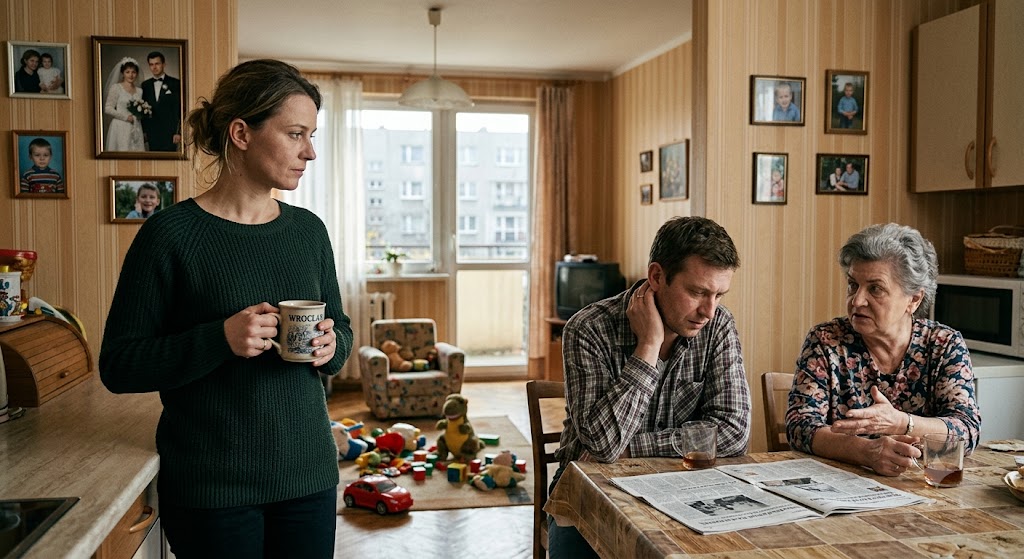
Zamiast tego kilka dni później dostałam kopertę z dokumentami. W środku był pozew rozwodowy i informacja, że Zbyszek domaga się podziału mieszkania. Pamiętam, że przez kilka minut tylko patrzyłam na te kartki. Nie mogłam uwierzyć, że człowiek, który praktycznie nie uczestniczył w spłacaniu kredytu, teraz próbował odebrać część czegoś, na co pracowałam przez lata. Nie chodziło nawet o samą nieruchomość. Chodziło o zasadę. O to, że po tym wszystkim nadal uważał, że ma prawo zabrać coś, czego nie budował.
Wtedy pierwszy raz od dawna poczułam nie smutek, ale siłę.
Zawsze byłam osobą, która wszystko dokumentowała. Nie dlatego, że planowałam kiedyś walczyć z własnym mężem. Po prostu taka byłam. Rachunki, umowy, przelewy – wszystko miało swoje miejsce. Wiedziałam dokładnie, kiedy podpisałam kredyt, ile wynosiły raty i z jakiego konta były opłacane. Wiedziałam też, że przez większość naszego małżeństwa to moje pieniądze utrzymywały naszą codzienność. Zbyszek miał okresy, kiedy pracował, ale jego sytuacja była niestabilna. Często zmieniał zajęcia, miał wielkie plany, ale niewiele z tych planów przekładało się na realne wsparcie rodziny.
Kiedy powiedziałam Edwardowi, prawnikowi, którego poleciła mi znajoma, całą historię, przez chwilę milczał. Przeglądał dokumenty, sprawdzał przelewy i notował kolejne informacje. W końcu spojrzał na mnie i powiedział: „Bożeno, najważniejsze jest to, żebyś przestała myśleć, że musisz się tłumaczyć. Fakty są po twojej stronie.” Te słowa były dla mnie ważniejsze, niż mogłam wtedy przyznać. Przez lata byłam zmuszana do tłumaczenia się ze wszystkiego. Z tego, jak prowadzę dom. Jak wychowuję dziecko. Jak pracuję. Teraz pierwszy raz ktoś powiedział mi, że nie muszę udowadniać swojej wartości, bo dokumenty mówią same za siebie.
Dzień rozprawy pamiętam bardzo dokładnie. W sądzie było cicho, ale dla mnie ta cisza była niemal nie do zniesienia. Siedziałam obok Edwarda i trzymałam w rękach teczkę z dokumentami. Po drugiej stronie sali siedział Zbyszek razem ze Stefanią. Ona wyglądała pewnie, jakby nadal wierzyła, że wszystko skończy się tak, jak sobie zaplanowała. Miała tę samą minę, którą widziałam tyle razy w naszym mieszkaniu – przekonanie, że wie lepiej od wszystkich.
Kiedy sędzia poprosiła o przedstawienie stanowisk, jako pierwszy zabrał głos prawnik Zbyszka. Mówił o wspólnym życiu, wspólnym gospodarstwie domowym i o tym, że jego klient również przyczyniał się do budowania majątku. Słuchałam tego i czułam dziwny spokój. Jeszcze kilka miesięcy wcześniej takie słowa by mnie złamały. Teraz wiedziałam, że prawda nie zależy od tego, kto mówi głośniej.
Kiedy przyszła moja kolej, wstałam i powiedziałam spokojnie: „Wysoki sądzie, to mieszkanie zostało kupione dzięki kredytowi zaciągniętemu przeze mnie. Przez lata sama spłacałam raty. Przedstawiam historię wszystkich przelewów oraz dokumenty potwierdzające moje zobowiązania.” Nie mówiłam tego z dumą ani z chęcią zemsty. Mówiłam tylko prawdę. Edward później przedstawił całą dokumentację i krok po kroku pokazał, jak wyglądała rzeczywistość naszego życia.
Zbyszek próbował jeszcze się bronić.
„Ale byliśmy rodziną” – powiedział. „Nie wszystko robi się przelewami.”
Sędzia spojrzała na niego spokojnie.
„Czy posiada pan jakiekolwiek dowody swoich wpłat?”
Zbyszek zamilkł.
I właśnie wtedy zobaczyłam coś, czego nigdy wcześniej nie widziałam.
Bezradność.
Człowiek, który przez lata mówił mi, że przesadzam, że dramatyzuję i że powinnam być wdzięczna, nagle nie miał już żadnych argumentów.
Kiedy zapadł wyrok, poczułam, jak napięcie, które nosiłam miesiącami, zaczyna powoli znikać. Sąd oddalił roszczenia Zbyszka dotyczące mieszkania. Zostało przy mnie. Ale najważniejsze było coś innego. Po raz pierwszy od bardzo dawna poczułam, że odzyskałam kontrolę nad własnym życiem.
Po rozwodzie wszystko zaczynałam od nowa. Nie było łatwo. Były dni, kiedy wracałam do pustego mieszkania i czułam ogromną samotność. Były chwile, kiedy zastanawiałam się, czy mogłam zrobić coś inaczej. Czy mogłam wcześniej zauważyć, że Zbyszek się zmienia. Czy mogłam bardziej walczyć o siebie. Ale za każdym razem, kiedy patrzyłam na Michała, wiedziałam, że podjęłam właściwą decyzję.
Mój syn potrzebował matki, która jest szczęśliwa.
Nie idealnej.
Nie bezbłędnej.
Po prostu szczęśliwej.
Z czasem moje życie zaczęło się układać. W pracy dostałam większą odpowiedzialność i podwyżkę. Ludzie zaczęli bardziej doceniać moje zaangażowanie. Znalazłam pomoc przy opiece nad Michałem i pierwszy raz od dawna miałam czas, żeby zrobić coś dla siebie. Zaczęłam spotykać się z przyjaciółmi, wychodzić na kawę i przypominać sobie, że jestem nie tylko matką i żoną. Jestem też kobietą z własnymi marzeniami.
Kilka miesięcy później dostałam wiadomość od Zbyszka. Napisał, że ma problemy, że stracił pracę i że potrzebuje pomocy. Przez długi czas patrzyłam na ekran telefonu. Pierwsza myśl była oczywista: „Po wszystkim, co zrobiłeś, teraz prosisz mnie o pomoc?” Ale po chwili przypomniałam sobie, że nie chcę żyć gniewem. Nie chcę, żeby to, co mi zrobił, zmieniło mnie w osobę, którą nie jestem.
Pomogłam mu znaleźć kontakt do kogoś, kto mógł zaoferować mu pracę.
Nic więcej.
Napisałam tylko: „Każdy człowiek zasługuje na drugą szansę. Ale ja już wykorzystałam swoją, kiedy pozwoliłam ci decydować za mnie.”
Dzisiaj, kiedy patrzę wstecz, nie uważam tamtego wieczoru za moment, w którym straciłam rodzinę. To był moment, w którym przestałam tracić samą siebie. Kiedy Zbyszek kazał mi odejść, myślał, że zabiera mi dom. Nie wiedział, że tak naprawdę otwiera drzwi do życia, którego wcześniej bałam się rozpocząć.
Bo czasami człowiek musi zostać zmuszony do odejścia z miejsca, w którym już dawno nie był szanowany, żeby w końcu znaleźć miejsce, w którym może być sobą. I dzisiaj, kiedy patrzę na Michała bawiącego się spokojnie w naszym domu, wiem jedno.
Nie przegrałam tamtego dnia.
Tamtego dnia po raz pierwszy wygrałam siebie.