PARTEA 1 — O femeie necunoscută din hospice mi-a spus să nu cred nimic din ce îmi va spune nepotul meu
Când am primit telefonul că fratele meu era pe moarte, nu am stat pe gânduri nicio secundă. Mi-am aruncat câteva haine într-o geantă, am luat cheile camionetei și am pornit la drum. Era o călătorie de aproape unsprezece ore de la Tucson până la hospice-ul din Boise, dar distanța nu conta. Fratele meu nu era doar fratele meu. Era omul care mă crescuse mai mult decât o făcuse tatăl nostru. Când eram copii, după ce tatăl nostru plecase și familia noastră se destrămase, el fusese cel care mă învățase să arunc o minge, să repar lucruri prin casă, să mă ridic după ce viața mă lovea. Pentru mine, el nu fusese niciodată doar fratele mai mare. Fusese omul pe care mă puteam baza indiferent de situație.
Poate tocmai de aceea, când am ajuns la hospice și l-am văzut slăbit de boală, ceva din mine a refuzat să accepte realitatea. Fratele meu fusese întotdeauna cel puternic. Era omul care rezolva problemele, care nu se plângea și care găsea o soluție atunci când ceilalți renunțau. Dar în acea cameră era un bărbat de aproape 90 de kilograme, cu mâinile tremurând și cu corpul obosit de lupta împotriva cancerului pancreatic. Totuși, mintea lui era încă limpede. Când am intrat în cameră, primul lucru pe care l-a făcut a fost să îmi prindă mâna și să mă întrebe despre fiul lui.
„Unde este băiatul? Unde este Kale? Ai apucat să îl vezi?”
Am rămas puțin surprins. Mă așteptam să vorbească despre durere, despre trecut sau despre ultimele zile. Dar el se gândea la fiul lui. I-am spus că nu îl văzusem încă, că asistenta îmi spusese că urma să ajungă dimineața următoare. Fratele meu a dat din cap, dar expresia lui nu s-a schimbat. Nu părea liniștit. Părea îngrijorat.
Atunci nu am înțeles de ce.
Aveam să înțeleg mai târziu.
În primele zile am stat aproape permanent lângă patul lui. Încercam să recuperăm timpul pierdut. Vorbeam despre copilărie, despre tata, despre lucrurile pe care doar noi doi le înțelegeam. Uneori adormea în mijlocul unei conversații, iar eu rămâneam acolo doar ascultând aparatele din cameră. Era o liniște grea, genul de liniște în care știi că fiecare minut contează.
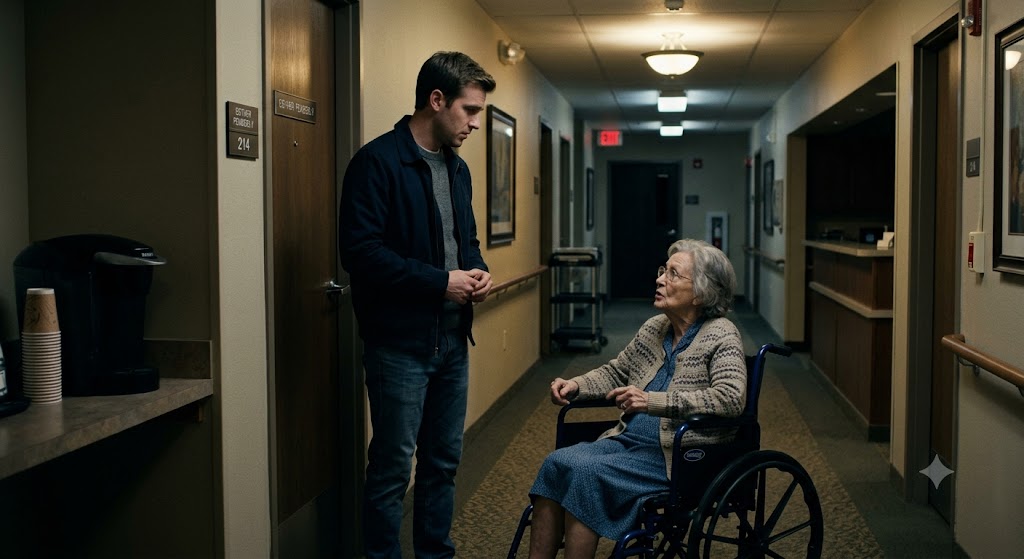
Pe holul din fața camerei lui era o femeie în vârstă care stătea aproape mereu într-un scaun cu rotile. Avea o pătură peste genunchi și petrecea ore întregi privind pe geam sau făcând integrame. La început nu am acordat prea multă atenție. Era doar o altă persoană dintr-un loc în care oamenii veneau să își petreacă ultimele zile. O vedeam singură aproape mereu. O fiică venise o dată cu o pungă de haine curate, stătuse câteva minute și apoi plecase.
Într-o zi i-am spus bună ziua când am trecut pe lângă camera ei. Mi-a răspuns politicos. A doua zi i-am adus un brioșă din zona comună a hospice-ului. Mi-a mulțumit și atât. Nu părea genul de persoană care caută conversații.
Până într-o noapte.
Eram epuizat. Dormisem foarte puțin în ultimele zile. Stătusem lângă fratele meu, ținându-i mâna, ascultând respirația lui grea și încercând să mă conving că mai aveam timp. În jurul miezului nopții am ieșit pe hol pentru câteva minute. Aveam nevoie de cafea și de puțin aer.
Când am trecut pe lângă camera femeii, am observat că era trează.
Stătea în întuneric, cu lumina aprinsă slab lângă pat.
S-a uitat direct la mine și mi-a spus:
„Fratele dumneavoastră este îngrijorat de ceva.”
M-am oprit.
Nu mă așteptam la acea propoziție.
„Poftim?”
A privit spre camera fratelui meu.
„Îl aud noaptea. Vorbește în somn. Nu spune multe, dar repetă anumite lucruri.”
Am încercat să zâmbesc.
„Este bolnav. Medicamentele pot face oamenii să spună lucruri.”
Ea a dat încet din cap.
„Poate. Dar oamenii spun uneori adevărul atunci când cred că nimeni nu îi ascultă.”
Nu am știut ce să răspund.
M-am întors în camera fratelui meu, dar acele cuvinte au rămas cu mine.
A doua noapte a fost momentul în care totul s-a schimbat.
Era aproape ora două dimineața. Tocmai ieșisem din camera fratelui meu după ce asistenta îi schimbase tratamentul. Eram obosit, cu mintea încețoșată, când am văzut ușa femeii deschisă.
Stătea în scaunul cu rotile chiar în prag.
M-a privit și a ridicat un deget, făcându-mi semn să mă apropii.
Nu știu de ce am ascultat.
Poate pentru că ceva în vocea ei mă făcea să simt că nu vorbea fără motiv.
M-am așezat pe scaunul de lângă ea.
A stat câteva secunde uitându-se la mine înainte să spună:
„Nepotul dumneavoastră vine mâine, nu?”
Am simțit un fior.
„Da. Vine.”
„Atunci ascultați-mă cu atenție. Indiferent ce vă spune când ajunge aici, nu credeți tot.”
Am rămas tăcut.
Nu înțelegeam.
„De ce spuneți asta?”
Ea și-a strâns pătura pe genunchi.
„Pentru că fratele dumneavoastră mi-a spus numele lui în noaptea trecută. A spus că îi este teamă de ceea ce va face băiatul lui. A spus că ar fi trebuit să schimbe testamentul.”
Am simțit cum mi se răcește corpul.
„Testamentul?”
A dat din cap.
„A spus de mai multe ori. A spus că trebuie să rezolve ceva înainte să fie prea târziu.”
Am încercat să găsesc o explicație.
Kale era nepotul meu.
Îl ținusem în brațe când era copil.
Îl învățasem să pescuiască.
Îi fusesem aproape când era mic.
Ideea că ar veni la hospice pentru alt motiv decât să își vadă tatăl mi se părea imposibilă.
„Poate ați înțeles greșit”, i-am spus.
Ea nu s-a supărat.
Doar m-a privit cu acei ochi limpezi.
„Asta mi-am spus și eu când fiul meu a început să ia decizii pentru mine.”
Atunci am tăcut.
Pentru prima dată am simțit că poate femeia aceea nu vorbea doar despre fratele meu.
Vorbea despre propria ei experiență.
„Nu semnați nimic”, mi-a spus. „Nu acceptați nimic doar pentru că cineva spune că este urgent. Oamenii grăbesc lucrurile atunci când nu vor să aveți timp să gândiți.”
Apoi a făcut o pauză.
„Dacă puteți, plecați acasă în seara asta.”
Am plecat de lângă ea fără să îi promit nimic.
În camera fratelui meu am stat mult timp privind întunericul. Mă uitam la omul care fusese pentru mine mai mult decât un frate și mă întrebam ce încerca să îmi spună. Îmi aminteam privirea lui din prima zi. Momentul în care mă întrebase de Kale și nu păruse liniștit.
Poate încercase să mă avertizeze.
Poate nu mai avusese puterea.
Dimineața următoare, Kale a sosit.
A intrat în cameră cu un sacou elegant, cu o cafea în mână și cu expresia unui om care știa exact ce trebuie să spună. M-a îmbrățișat înainte să își vadă tatăl.
„Unchiule, îmi pare atât de rău. Am venit cât de repede am putut.”
Totul părea perfect.
Prea perfect.
A stat lângă tatăl lui, i-a ținut mâna și i-a spus lucrurile potrivite. Oricine l-ar fi văzut ar fi spus că este un fiu devotat.
Dar când fratele meu a deschis ochii, nu s-a uitat la Kale.
S-a uitat la mine.
Și pentru o secundă am văzut aceeași teamă pe care o observasem înainte.
După aproximativ o oră, Kale mi-a spus:
„Unchiule, putem vorbi puțin despre lucrurile care urmează?”
Am mers cu el în cafeneaua hospice-ului.
S-a așezat în fața mea, și-a pus mâinile pe masă și a început să vorbească despre casă.
Casa din Coeur d’Alene.
Proprietatea pe care fratele meu o construise cu propriile mâini.
Casa care valora acum sute de mii de dolari.
„Tata vrea să rezolve lucrurile înainte să fie prea târziu”, mi-a spus.
Apoi a scos dosarul.
Și în acel moment mi-am amintit de femeia din camera de peste hol.
„Nu semnați nimic.”
Pentru prima dată în viața mea, am început să mă întreb dacă avertismentul ei fusese singurul lucru care stătea între familia mea și o greșeală pe care nu aș fi putut-o repara niciodată.
PARTEA 2 — Hârtiile de pe patul de spital și adevărul pe care nu voiam să îl accept
Am stat câteva secunde privind dosarul pe care nepotul meu îl pusese pe masă. În exterior părea exact genul de document pe care l-ar fi pregătit cineva pentru a rezolva o problemă înainte să fie prea târziu. Totul părea logic. Fratele meu era pe moarte. Casa lui din Coeur d’Alene era o proprietate importantă. Cineva trebuia să se ocupe de acte. Cineva trebuia să se asigure că lucrurile rămân simple pentru familie. Dacă aș fi auzit această poveste cu câteva zile înainte, probabil aș fi spus că are sens.
Dar acum auzeam vocea femeii din camera de peste hol.
„Nu semnați nimic.”
Și pentru prima dată în viața mea, am ales să nu ignor un sentiment.
L-am privit pe Kale și i-am spus calm că vreau să văd toate documentele înainte de a face orice. Nu i-am spus că am fost avertizat. Nu i-am spus că ceva nu mi se pare în regulă. Am vrut doar să văd reacția lui. Un om care nu are nimic de ascuns nu are o problemă când cineva cere timp să citească niște acte. Dar am observat schimbarea din expresia lui. A durat doar o fracțiune de secundă, aproape imposibil de observat pentru cineva care nu îl cunoștea. Zâmbetul a rămas, vocea a rămas calmă, dar ceva din privirea lui s-a închis.
„Sigur, unchiule. Bineînțeles. Orice te face să te simți confortabil.”
A spus-o frumos.
Prea frumos.
M-am întors în camera fratelui meu cu un sentiment greu în piept. Hollis dormea. Stăteam lângă pat și îl priveam, încercând să înțeleg cum ajunsesem în situația în care trebuia să mă întreb dacă propriul lui fiu venise acolo pentru a-și lua rămas bun sau pentru altceva. Nu voiam să cred. Pentru că Kale nu era un străin. Era copilul pe care îl văzusem crescând. Îmi aminteam cum îl țineam de mână când era mic și îl învățam să pescuiască. Îmi aminteam cum râdea când nu reușea să arunce undița corect și cum fratele meu era atât de mândru de el.
Asta era partea care făcea totul atât de greu.
Nu te temi de oamenii pe care nu îi iubești.
Te temi de momentul în care oamenii pe care îi iubești devin oameni pe care nu îi mai recunoști.
În acea după-amiază, un bărbat cu un costum maro a apărut pe holul hospice-ului cu o servietă din piele. S-a prezentat ca notar și a întrebat de Kale. În acel moment am simțit cum avertismentul femeii din camera de peste hol revine în mintea mea. Nu era doar o discuție despre acte. Totul fusese pregătit.
Kale a ieșit din cameră zâmbind și i-a spus notarului că totul este pregătit. Apoi s-a uitat spre mine.
„Unchiule, vino și tu. Ai spus că vrei să fii martor.”
Am intrat în cameră, dar de data aceasta nu mai eram același om care intrase acolo dimineața. Eram atent la fiecare detaliu. La fiecare mișcare. La fiecare cuvânt.
Fratele meu era treaz, dar slăbit. Ochii lui se mișcau încet între mine și fiul lui. Părea că vrea să spună ceva. A deschis gura, dar nu a ieșit niciun cuvânt.
Apoi s-a uitat la mine.
Și am văzut ceva în privirea lui.
Teamă.
Notarul a pus documentele pe tava de lângă pat și a început să explice procedura. Primul document era exact ceea ce Kale spusese: un act prin care proprietatea din Coeur d’Alene urma să fie transferată către el. Până acolo, totul părea posibil. Dar când am ridicat primele pagini, am observat că existau și alte documente dedesubt.
Am început să citesc.
Primul era un act de transfer.
Al doilea era o împuternicire generală.
Al treilea era o schimbare a beneficiarului unei polițe de asigurare de viață.
M-am oprit.
Pentru câteva secunde nimeni nu a spus nimic.
„Kale, ce sunt aceste documente?”
A zâmbit.
„Sunt doar măsuri de protecție, unchiule. Dacă tata nu mai poate gestiona lucrurile în ultimele zile, cineva trebuie să se ocupe.”
Am ridicat documentul cu împuternicirea.
„Dar tatăl tău este pe moarte. Exact asta mi-ai spus. De ce ar avea nevoie de cineva care să preia controlul asupra tuturor lucrurilor acum?”
Expresia lui s-a schimbat.
„Unchiule, nu este momentul pentru asta.”
Acea frază mi-a confirmat tot.
Oamenii care au intenții bune nu se tem de întrebări.
Oamenii care ascund ceva vor ca întrebările să se oprească.
Am arătat documentul cu asigurarea.
„De ce beneficiarul a fost schimbat?”
A spus că sora lui fusese de acord.
Sora lui.
Bryony.
Fiica lui Hollis.
Nu o mai văzusem de câțiva ani, dar știam că fratele meu își iubea ambii copii. Nu mi-a spus niciodată că unul urma să primească totul și celălalt nimic.
„A fost de acord?”
„Da.”
Am privit spre el.
„Atunci o sunăm.”
Pentru prima dată, nu a mai avut un răspuns imediat.
Am scos telefonul și am căutat numărul lui Bryony. Nu o sunasem de mult timp. Nu pentru că nu țineam la ea, ci pentru că viața ne dusese în direcții diferite. Dar numărul era încă acolo.
A răspuns după al doilea apel.
„Unchiule?”
Vocea ei suna surprinsă.
Am pus telefonul pe difuzor.
„Bryony, sunt cu tatăl tău și cu fratele tău. Am nevoie să te întreb ceva. Ai fost de acord să fii scoasă ca beneficiar al poliței de viață a tatălui tău?”
A urmat o liniște.
O liniște care mi-a spus tot.
„Ce poliță de viață?”
Kale a făcut un pas înainte.
„Bryony, stai calmă. Este doar o neînțelegere.”
Ea l-a ignorat.
„Unchiule, despre ce vorbești?”
Am închis ochii.
Adevărul ieșise la lumină.
Kale nu se așteptase ca eu să pun întrebări.
Nu se așteptase ca eu să verific.
Și cu siguranță nu se așteptase ca sora lui să nu știe nimic.
După apel, în cameră s-a făcut liniște. Se auzea doar aparatul care îl ajuta pe fratele meu să respire. Kale încerca să explice că totul fusese făcut pentru familie. Că el fusese cel care se ocupase de tatăl lui. Că merita să primească mai mult.
Dar cu fiecare cuvânt pe care îl spunea, imaginea copilului pe care îl cunoscusem dispărea tot mai mult.
„Ieși din cameră.”
Vocea mea a fost calmă.
Poate prea calmă.
El m-a privit surprins.
„Unchiule…”
„Ieși din camera tatălui tău.”
Pentru câteva secunde a rămas nemișcat. Apoi a luat servieta și documentele.
A plecat.
Când ușa s-a închis, m-am așezat lângă fratele meu.
I-am luat mâna.
Avea lacrimi în ochi.
„S-a rezolvat”, i-am spus. „Nu a semnat nimic. Nu a luat nimic.”
M-a strâns slab de mână.
A fost singurul răspuns de care aveam nevoie.
Fratele meu a murit 31 de ore mai târziu.
Eu am fost acolo.
Bryony a fost acolo.
Kale nu.
După înmormântare, am mers împreună cu Bryony la avocatul real al fratelui meu. O femeie care se ocupase de actele lui de peste douăzeci de ani. Când am văzut testamentul adevărat, am înțeles cât de aproape fuseserăm de o tragedie.
Casa din Coeur d’Alene trebuia împărțită între cei doi copii.
Polița de viață era destinată lui Bryony.
Economiile urmau să fie împărțite conform dorinței fratelui meu.
Documentele aduse de Kale ar fi schimbat aproape tot.
Dacă aș fi semnat, el ar fi primit controlul asupra proprietății. Ar fi avut acces la conturi. Ar fi putut lua decizii financiare în ultimele zile ale tatălui său.
Și nimeni nu ar fi știut adevărul până când poate ar fi fost prea târziu.
Avocata m-a privit și m-a întrebat:
„Cum ai știut să nu semnezi?”
M-am gândit la femeia din camera de peste hol.
La vocea ei din întuneric.
La avertismentul pe care aproape îl ignorasem.
„O femeie pe care nu o cunoșteam mi-a spus să fiu atent.”
Și pentru prima dată după multe zile, m-am întrebat cine era cu adevărat persoana care salvase familia fratelui meu.
Pentru că uneori omul care îți schimbă viața nu este cel pe care îl aștepți.
Uneori este un străin care bate la ușa ta exact când ai cea mai mare nevoie.
PARTEA 3 — Femeia din camera de peste hol mi-a salvat familia fără să ceară nimic în schimb
După moartea fratelui meu, am crezut că partea cea mai grea se terminase. Credeam că momentul în care îl văzusem pe nepotul meu încercând să obțină control asupra bunurilor tatălui său fusese cea mai mare lovitură. Dar adevărul era că abia atunci începea procesul prin care trebuia să accept cine deveniseră oamenii din jurul meu. Nu era ușor să recunosc că un copil pe care îl ținusem în brațe când era mic, un băiat pe care îl învățasem să pescuiască și pe care îl considerasem parte din familia mea, fusese capabil să încerce să profite de ultimele zile ale propriului tată. Uneori cea mai grea trădare nu vine de la un dușman. Vine de la cineva despre care ai crezut că nu va avea niciodată nevoie să fie apărat de tine.
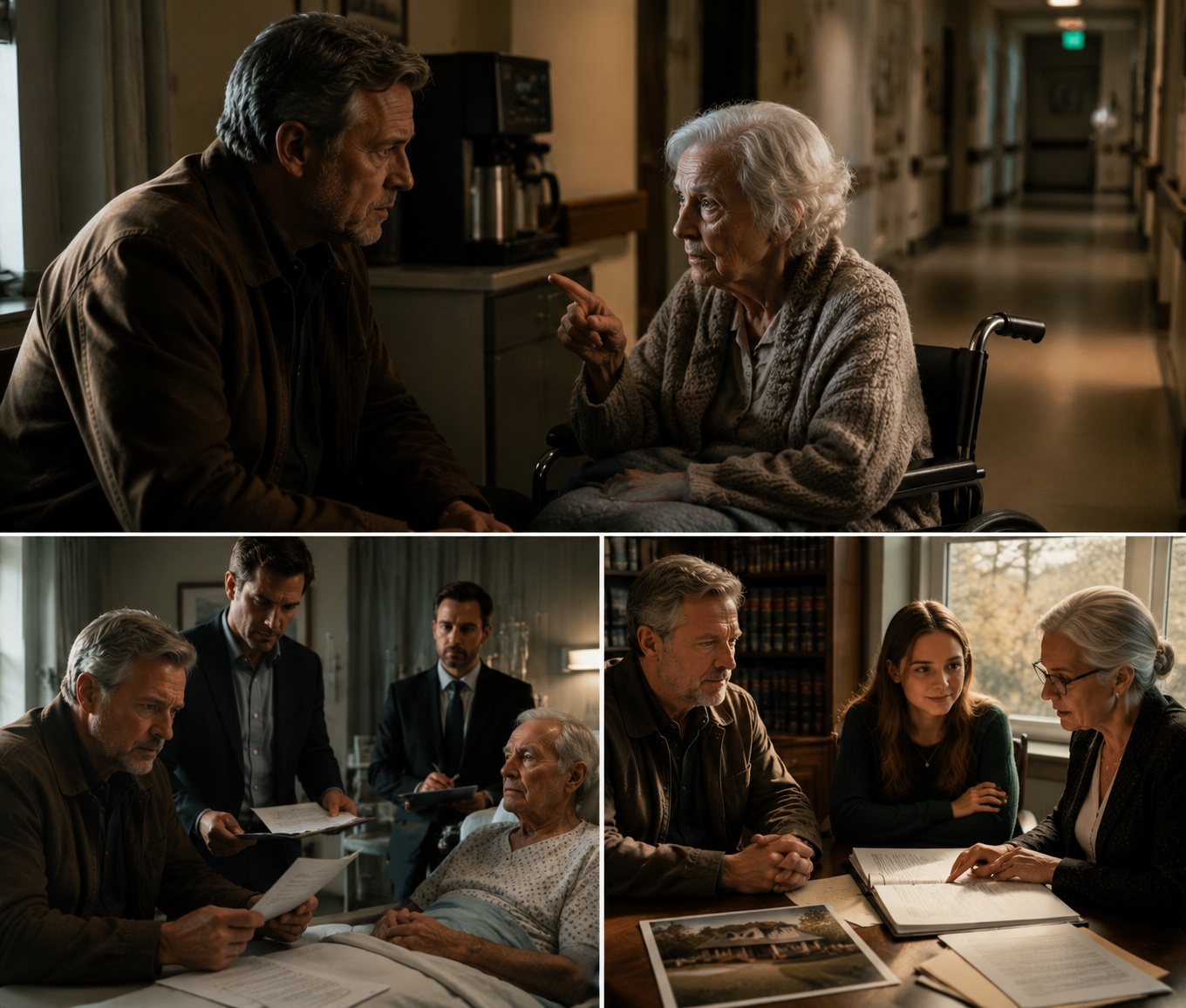
În săptămânile care au urmat, eu și Bryony am început să reconstruim adevărul despre ceea ce se întâmplase. Avocata fratelui meu ne-a explicat că documentele aduse de Kale nu erau întâmplătoare. Fiecare avea un scop. Transferul casei din Coeur d’Alene ar fi mutat o proprietate valoroasă direct pe numele lui. Împuternicirea i-ar fi oferit acces la conturile și deciziile financiare ale tatălui său exact în momentul în care acesta nu mai putea să se apere. Schimbarea beneficiarului poliței de viață ar fi eliminat-o pe sora lui dintr-un drept pe care tatăl lor îl stabilise cu mult timp înainte. Nu era un ajutor pentru familie. Era o încercare de a rescrie dorințele unui om care încă respira, dar care nu mai avea puterea să lupte singur.
Cel mai dureros lucru pentru mine a fost să aflu că fratele meu bănuise ceva. Nu știam exact cât de multe știa sau cât timp încercase să găsească o soluție, dar privirea lui din acea cameră de hospice îmi revenea mereu în minte. Când m-am uitat la el și i-am spus că oprisem totul, acea strângere slabă a mâinii lui fusese răspunsul pe care aveam nevoie să îl primesc. Nu mai putea vorbi. Nu mai putea explica. Dar într-un fel, îmi mulțumise pentru că făcusem ceea ce el nu mai avea puterea să facă.
La câteva zile după înmormântare, m-am întors la hospice. Nu pentru că aveam ceva de rezolvat acolo, ci pentru că trebuia să o găsesc pe femeia care îmi schimbase viața. Voiam să îi mulțumesc. Voiam să îi spun că avusese dreptate. Voiam să îi arăt că acel avertisment spus la două dimineața nu fusese ignorat.
Am cumpărat o cutie cu produse de patiserie de la o brutărie din apropiere și am scris un bilet simplu. Nu știam ce să spun unei persoane care făcuse atât de mult pentru mine fără să mă cunoască. Mă gândeam că poate nu era nevoie de cuvinte perfecte. Uneori recunoștința adevărată este doar să fii prezent.
Când am ajuns la recepție și am întrebat de ea, asistenta a avut o expresie tristă.
„Îmi pare rău”, mi-a spus. „A murit joi dimineață.”
Am rămas nemișcat.
Femeia care îmi salvase familia plecase fără să știe niciodată ce impact avusese asupra mea.
Asistenta m-a privit câteva secunde, apoi m-a întrebat:
„Ați fost domnul despre care vorbea?”
Nu am înțeles.
Mi-a spus că femeia lăsase un plic la recepție. Îi dăduse instrucțiuni clare. Dacă mă întorceam, să mi-l ofere. Dacă nu, să îl arunce.
Pe plic era numele meu.
L-am luat și am ieșit afară. M-am așezat pe o bancă în frigul de noiembrie și am deschis scrisoarea. Era scrisă cu o mână tremurată, dar fiecare cuvânt era clar.
Mi-a spus că nu știa dacă o ascultasem. Mi-a spus că fiul ei îi luase totul cu ani înainte. Casa. Economiile. Lucrurile pe care le păstrase de la soțul ei. Și cel mai dureros nu fusese pierderea banilor. Fusese faptul că nimeni nu o avertizase.
Avea o rudă care bănuise ce se întâmplă.
O rudă care văzuse semnele.
Dar acea persoană alesese să tacă.
„A spus că nu era locul ei să se amestece”, scrisese femeia.
„Atunci am decis că, dacă voi mai vedea vreodată pe cineva mergând spre aceeași greșeală, voi spune ceva. Va fi locul meu.”
Am citit acele rânduri de mai multe ori.
Pentru că atunci am înțeles ceva important.
Uneori oamenii cred că a nu interveni înseamnă să respecte limitele altora.
Dar uneori tăcerea nu este neutralitate.
Uneori tăcerea este motivul pentru care cineva pierde tot.
Femeia aceea nu mă cunoștea. Nu îi eram rudă. Nu avea nimic de câștigat. Era o persoană care avea propriile dureri, propria boală și propriile lupte. Și totuși, într-un moment în care putea să își vadă liniștită de viața ei, a ales să spună ceva.
A ales să mă oprească.
După ce am ajuns acasă, am păstrat scrisoarea într-un sertar unde încă o țin și astăzi. Nu pentru că este o amintire tristă. Ci pentru că îmi amintește de responsabilitatea pe care o avem unii față de alții.
Kale a încercat să mă contacteze de mai multe ori după aceea. La început m-a sunat. Apoi mi-a trimis mesaje lungi în care vorbea despre neînțelegeri, despre familie și despre faptul că eu distrusesem relațiile dintre noi. Mi-a spus că tatăl lui ar fi vrut să fim uniți.
Am citit mesajele.
Apoi le-am șters.
Nu pentru că nu îmi păsa.
Ci pentru că uneori oamenii folosesc cuvântul „familie” atunci când vor să evite responsabilitatea pentru propriile acțiuni.
Bryony, în schimb, a rămas aproape. Relația noastră s-a schimbat după acel moment. Poate pentru că amândoi pierduserăm ceva. Ea își pierduse încrederea în fratele ei. Eu pierdusem imaginea pe care o aveam despre nepotul meu. Dar am câștigat ceva ce nu aveam înainte: o relație bazată pe sinceritate.
Ne sunăm aproape în fiecare duminică. Uneori vorbim despre fratele meu. Alteori despre lucruri complet obișnuite. Despre copii. Despre vreme. Despre planurile de vacanță. Și poate asta este una dintre cele mai frumoase părți ale vindecării: momentul în care viața începe din nou să fie formată și din lucruri simple.
Cu timpul, am aflat și alte lucruri despre Kale. Nu fusese prima dată când încercase să profite de cineva. Existau alte persoane care avuseseră probleme cu el. Împrumuturi nereturnate. Promisiuni încălcate. Oameni care avuseseră încredere în el pentru că era familie sau pentru că părea de încredere.
Atunci am înțeles că ceea ce încercase să facă fratelui meu nu fusese o greșeală de moment.
Era un tipar.
Iar tiparele cresc atunci când nimeni nu are curajul să le oprească.
La un an după toate acestea, eu și Bryony am început un proiect mic. Nu ceva oficial sau complicat. Doar întâlniri în centre pentru persoane în vârstă și discuții despre lucrurile la care trebuie să fie atenți oamenii. Documente semnate în grabă. Presiuni pentru decizii rapide. Membri ai familiei care cer control total asupra banilor sau proprietăților.
De fiecare dată povestim și despre Esther.
Despre femeia care stătea într-un scaun cu rotile într-un hospice din Boise și care a avut mai mult curaj decât mulți oameni sănătoși.
Când oamenii ne întreabă ce lecție am învățat, răspunsul meu este simplu.
Nu presupune niciodată că iubirea și familia te protejează automat de trădare.
Uneori exact oamenii pe care îi iubești sunt cei de la care trebuie să ceri cea mai multă claritate.
Nu înseamnă să fii suspicios.
Înseamnă să fii atent.
Dacă cineva te presează să semnezi ceva imediat, întreabă de ce. Dacă cineva îți spune că nu ai nevoie să citești un document, citește-l. Dacă cineva se supără pentru că vrei timp să gândești, întreabă-te de ce.
Oamenii care te iubesc pot aștepta.
Oamenii care vor ceva de la tine nu vor.
Astăzi am 63 de ani. Mi-am pierdut soția. Mi-am pierdut fratele. Am trecut printr-o situație pe care nu mi-aș fi imaginat-o niciodată. Dar am câștigat și ceva important.
Am învățat că familia nu este doar despre sânge.
Familia este despre oamenii care apar când contează.
Despre oamenii care îți spun adevărul chiar atunci când este incomod.
Despre oamenii care deschid o ușă la două dimineața și spun:
„Nu face pasul acesta. Mai gândește-te.”
Esther Pemberly nu a fost sora mea.
Nu a fost prietena mea.
Am vorbit cu ea de câteva ori.
Dar a făcut pentru mine ceea ce uneori oamenii apropiați nu reușesc să facă.
M-a oprit înainte să fie prea târziu.
Și ori de câte ori mă gândesc la acea noapte în hospice, nu mă gândesc la frica pe care am simțit-o.
Mă gândesc la curajul unei femei care a ales să vorbească.
Pentru că uneori un singur adevăr spus la momentul potrivit poate salva o viață întreagă.