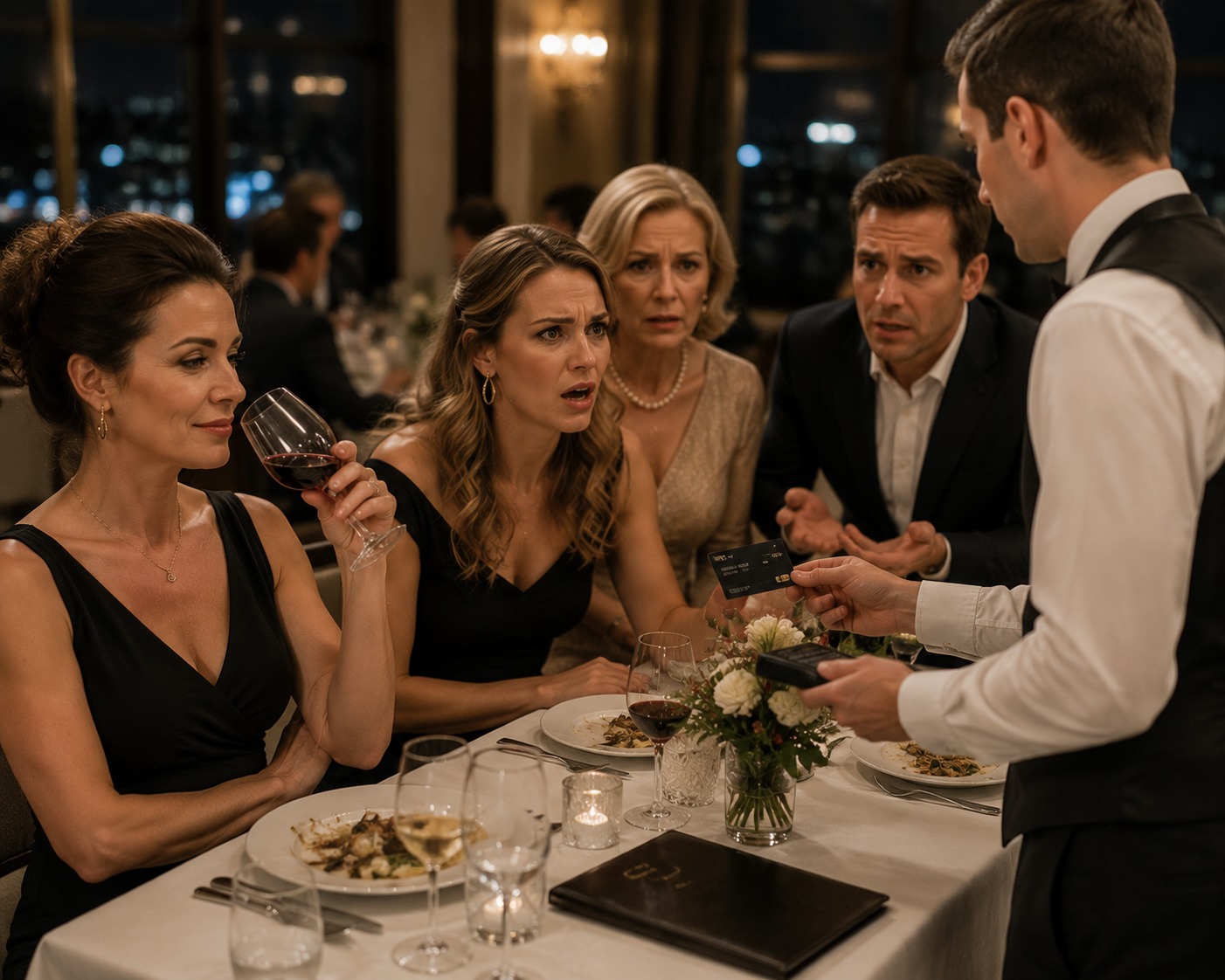
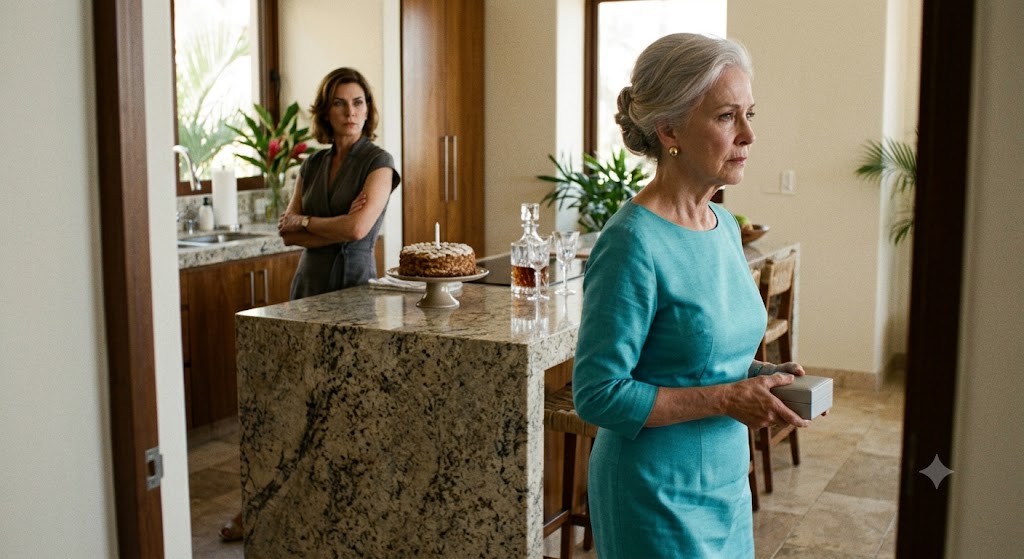
Nigdy nie zapomnę chwili, kiedy wyszedłem przez bramę więzienia i pierwszy raz od dwóch lat poczułem świeże powietrze. Powinienem był czuć tylko radość, ale w moim sercu było coś jeszcze — ogromny ból po zdradzie człowieka, którego kiedyś nazywałem swoim synem. Stał tam przed samochodem, uśmiechał się do kamer i udawał, że właśnie odzyskał ojca.
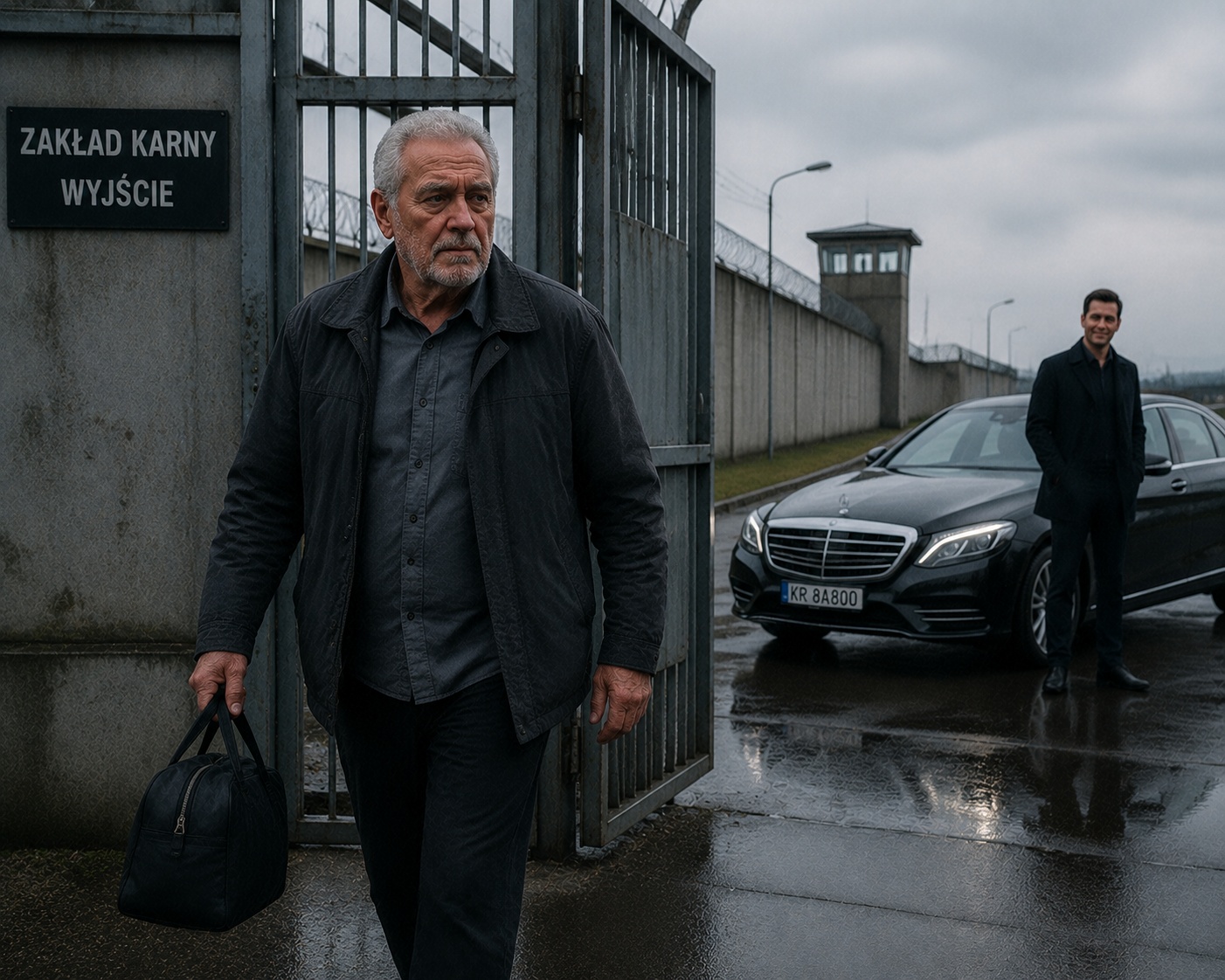
Przez chwilę patrzyłem na niego i próbowałem odnaleźć chłopca, którego kiedyś trzymałem na rękach. Przypominałem sobie dzień, kiedy uczyłem go jeździć na rowerze, kiedy pomagałem mu stawiać pierwsze kroki i kiedy obiecałem jego matce, że zawsze będę go chronił.
Ale ten człowiek przede mną nie był już tamtym dzieckiem.
Kiedy podszedł bliżej i mnie przytulił, wszyscy wokół zobaczyli obraz kochającego syna. Jednak tylko ja usłyszałem jego cichy szept: „Nie próbuj niczego niszczyć. Wszyscy uwierzyli w tamtą historię. Lepiej będzie, jeśli zapomnisz.”
Wtedy zrozumiałem, że przez te dwa lata niczego nie żałował.
Nie bał się tego, co mi zrobił.
Bał się tylko tego, że prawda może wyjść na jaw.
Wsiadłem do jego samochodu, ale tym razem nie byłem już tym samym ojcem, który kiedyś bezgranicznie mu ufał. Siedziałem cicho i patrzyłem przez okno, wiedząc, że przede mną jest jeszcze jedna walka — nie o zemstę, ale o odzyskanie własnego imienia.
Przez dwa lata w więzieniu nie marnowałem czasu na rozpacz. Na początku było ciężko. Każdej nocy budziłem się i zastanawiałem, jak mój własny syn mógł pozwolić, żeby obcy ludzie zabrali mi życie.
Ale potem przestałem pytać „dlaczego”.
Zacząłem szukać odpowiedzi.
Poznałem tam człowieka, który pomagał więźniom pisać odwołania. Dzięki niemu nauczyłem się dokładnie analizować każdy dokument dotyczący mojej sprawy. Zacząłem zauważać szczegóły, których wcześniej nikt nie sprawdził.
Jedna data się nie zgadzała.
Jeden podpis wyglądał inaczej.
Jedno zeznanie zmieniało swoją treść w zależności od tego, kto je czytał.
Wtedy zrozumiałem, że nie trafiłem za kratki przez przypadek.
Ktoś dokładnie zaplanował, jak mnie zniszczyć.
Po powrocie do domu nie powiedziałem synowi wszystkiego, co wiedziałem. Udawałem zmęczonego starca, który chce tylko spokojnie zacząć nowe życie. Pozwoliłem im uwierzyć, że wygrali.
To był największy błąd, jaki popełnili.
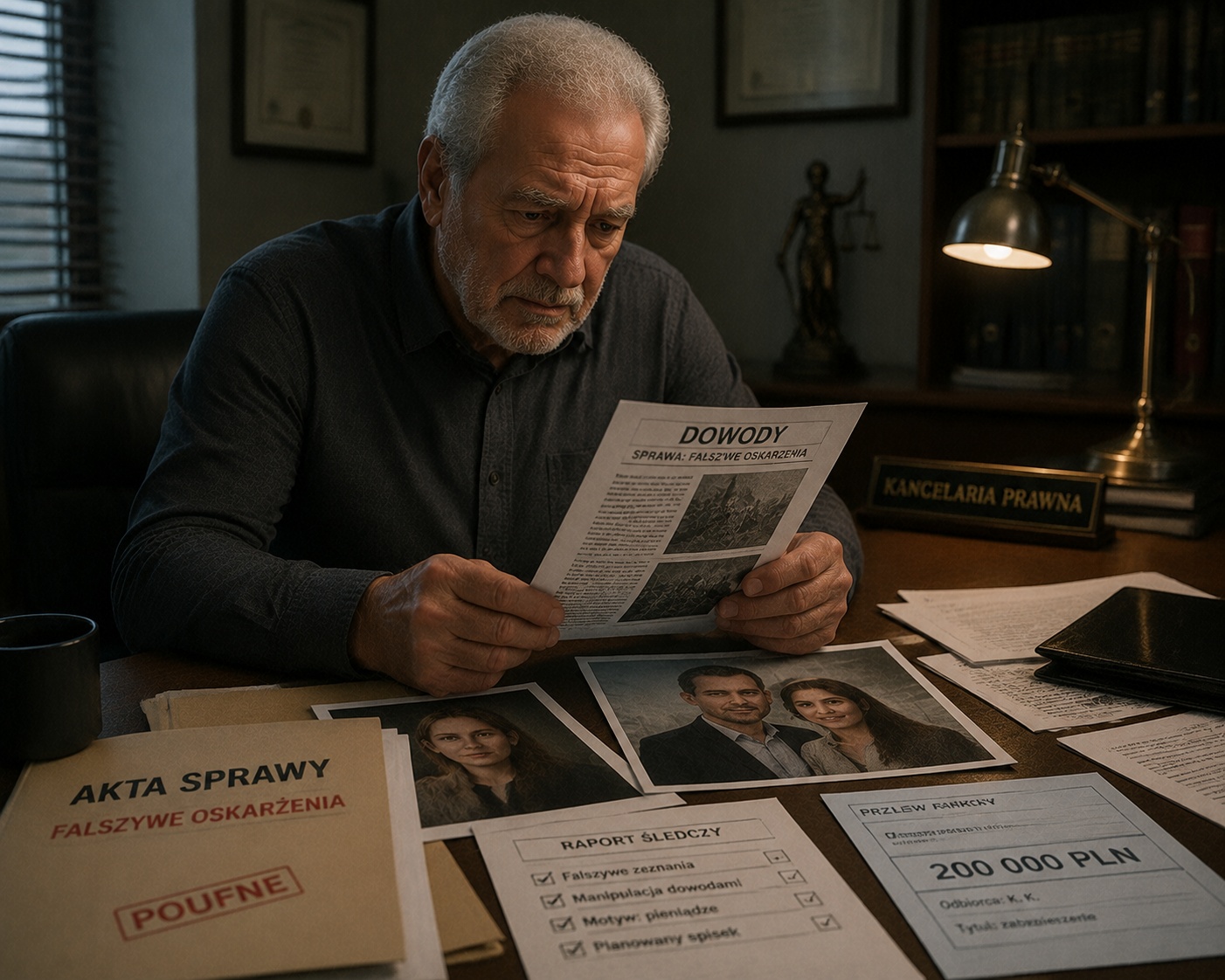
Kilka tygodni później spotkałem się z prawnikiem, który pomagał mi przez cały czas. Na stole położyliśmy wszystkie dokumenty, nagrania i dowody, które udało mi się zebrać.
Prawda była jeszcze gorsza, niż przypuszczałem.
Moja synowa od początku chciała przejąć część mojego majątku. Wiedziała, że jeśli zostanę uznany za winnego, stracę kontrolę nad firmą i oszczędnościami. Mój syn nie był tylko biernym obserwatorem.
Pomagał jej.
Najbardziej bolał mnie nie plan.
Bolało mnie to, że mój własny syn przez dwa lata patrzył mi w oczy przez szybę więzienną i nadal udawał, że jest niewinny.
Pewnego dnia poprosiłem go o spotkanie.
Przyszedł pewny siebie.
Myślał, że będę błagał o odbudowanie relacji.
Ale położyłem przed nim dokumenty i powiedziałem spokojnie:
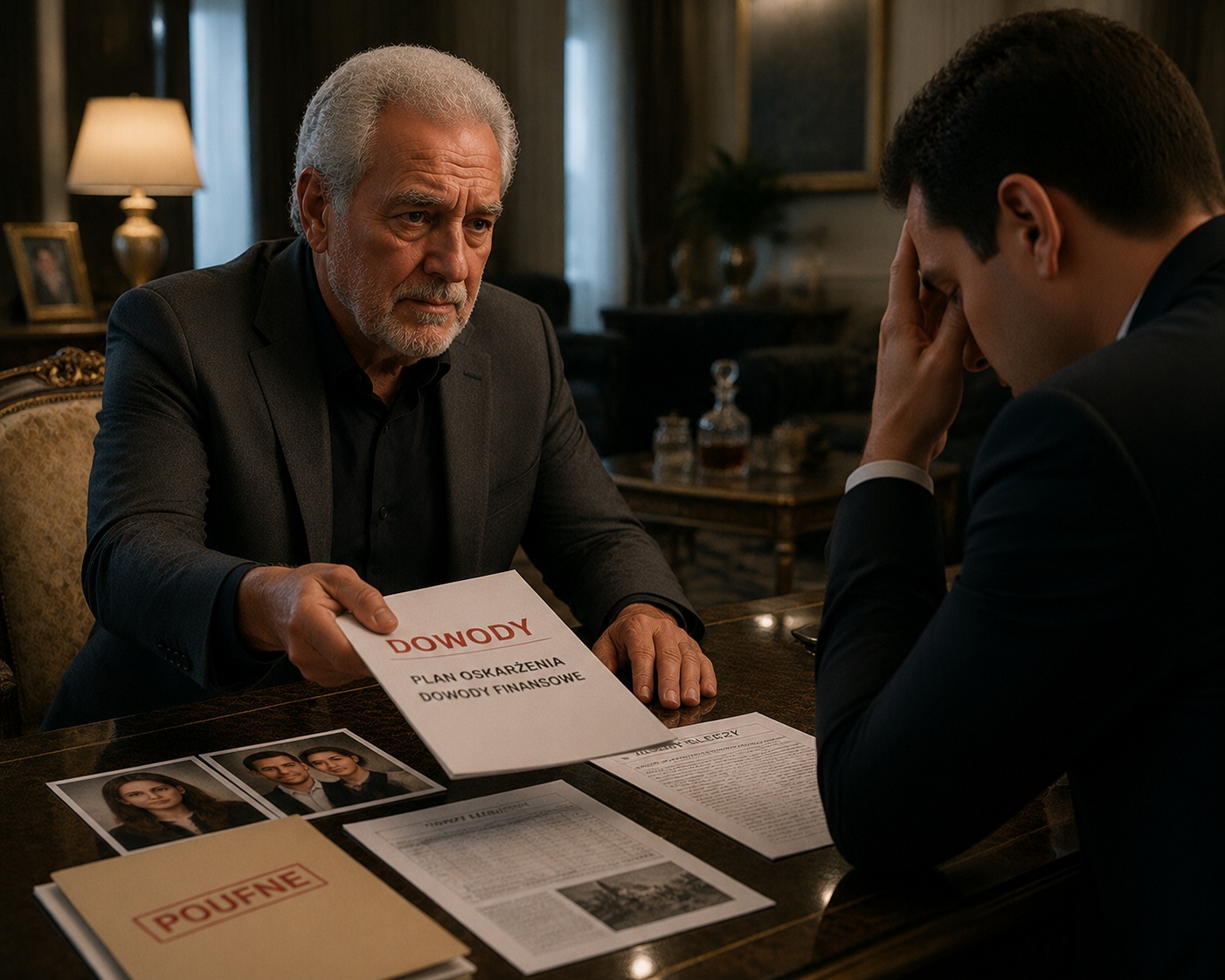
„Przez całe życie uczyłem cię, że człowiek odpowiada za swoje czyny. Teraz nadszedł czas, żebyś zastosował tę lekcję.”
Jego twarz natychmiast się zmieniła.
Po raz pierwszy zobaczyłem strach.
Nie powiedziałem mu, że go nienawidzę.
Bo prawda była taka, że nadal był moim synem.
A właśnie dlatego jego zdrada bolała najbardziej.
Sprawa została ponownie otwarta. Dowody, które ukrywano, zaczęły wychodzić na jaw. Ludzie, którzy wcześniej odwracali wzrok, zaczęli zadawać pytania.
Po wielu miesiącach usłyszałem słowa, na które czekałem:
„Jest pan niewinny.”
Te trzy słowa były warte więcej niż wszystko, co posiadałem.
Nie odzyskałem dwóch lat życia.
Nie odzyskałem chwil, które straciłem z rodziną.
Ale odzyskałem coś ważniejszego — swoje imię.
Mój syn próbował później mnie przeprosić. Powiedział, że był pod wpływem żony, że bał się, że popełnił błąd.
Słuchałem go długo.
A potem odpowiedziałem:
„Błąd to zapomnieć o urodzinach. Błąd to spóźnić się na spotkanie. To, co zrobiłeś, było wyborem.”
Nie odwróciłem się od niego z nienawiścią.
Odwróciłem się, bo musiałem w końcu wybrać siebie.
Dzisiaj żyję spokojniej. Nie mam już tej samej rodziny, którą miałem przed tamtym dniem. Ale mam coś, czego nikt nie może mi odebrać — spokój i świadomość, że prawda zawsze znajduje drogę.
Przez dwa lata myśleli, że zabrali mi wszystko.
Nie wiedzieli, że za murami więzienia nie straciłem siły.
Tam właśnie ją odzyskałem.
I nauczyłem się jednej rzeczy:
Największą karą dla człowieka, który zdradza zaufanie, nie jest utrata pieniędzy.
Jest nią moment, kiedy osoba, którą skrzywdził, przestaje go potrzebować.