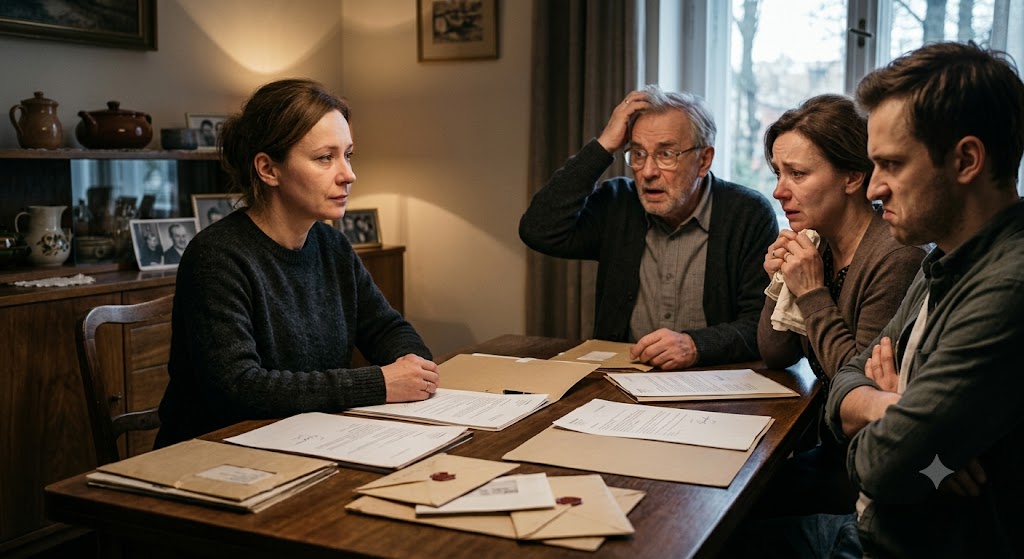
„Mama, hast du etwas mit dem Bankkonto gemacht?“
Die Stimme meiner Tochter klang nicht besorgt.
Sie klang panisch.
Und genau in diesem Moment wusste ich:
Sie hatte verstanden, dass ihr Plan gescheitert war.
Ich saß in meiner Küche.
Ruhig.
Mit einer Tasse Kamillentee in der Hand.
Während Melanie auf der anderen Seite der Leitung wahrscheinlich noch immer an der Supermarktkasse stand und nicht wusste, wie sie ihre Einkäufe bezahlen sollte.
„Ich habe das Konto aufgelöst“, sagte ich ruhig.
Stille.
Dann:
„Was? Warum?“
Ich sah aus dem Fenster.
Auf meinen Garten.
Mein Haus.
Mein Zuhause.
„Weil ich bemerkt habe, dass meine Kreditkarte für Dinge benutzt wurde, die ich niemals erlaubt habe.“
Mein Name ist Margarete.
Ich bin 68 Jahre alt.
Seit fünf Jahren bin ich Witwe.
Und nach dem Tod meines Mannes habe ich eines gelernt:
Ein Zuhause ist nicht nur ein Gebäude.
Es ist der Ort, an dem man sich sicher fühlen sollte.
Genau deshalb hatte ich mir nach dem Verkauf unseres alten Familienhauses einen Traum erfüllt.
Ein großes, ruhiges Haus in einem schönen Vorort.
Mit einem Garten.
Mit viel Licht.
Mit genug Platz, um endlich mein Leben in Ruhe zu genießen.
Ich bezahlte das Haus vollständig selbst.
Der Grundbucheintrag trug nur einen Namen.
Meinen.
Meine Tochter Melanie war begeistert, als sie davon erfuhr.
„Mama, das ist perfekt.“
„Du bist nicht allein.“
„Matthias und ich können dir helfen.“
Sie sagte, sie und ihr Mann hätten Probleme mit ihrer hohen Miete.
Sie würden bei mir einziehen.
Im Gegenzug würden sie sich um das Haus kümmern.
Damals dachte ich:
Vielleicht ist das sogar schön.
Ein großes Haus kann manchmal einsam wirken.
Vielleicht tut es mir gut, wieder Familie um mich zu haben.
Die ersten Tage waren chaotisch.
Kartons überall.
Neue Möbel.
Veränderungen.
Melanie übernahm sofort die Kontrolle.
„Mama, lass mich das machen.“
„Du musst dich nicht mehr um alles kümmern.“
Ich lächelte.
Ich wollte glauben, dass sie helfen wollte.
Aber dann bemerkte ich die kleinen Dinge.
Meine Möbel wurden ohne mich umgestellt.
Meine Küche wurde verändert.
Meine Entscheidungen wurden kommentiert.
Nicht offen böse.
Aber immer so, als wäre ich ein Gast in meinem eigenen Haus.
Am siebten Tag änderte sich alles.
Ich stand in der Küche und wischte gerade die Arbeitsplatte ab.
Da klingelte mein Telefon.
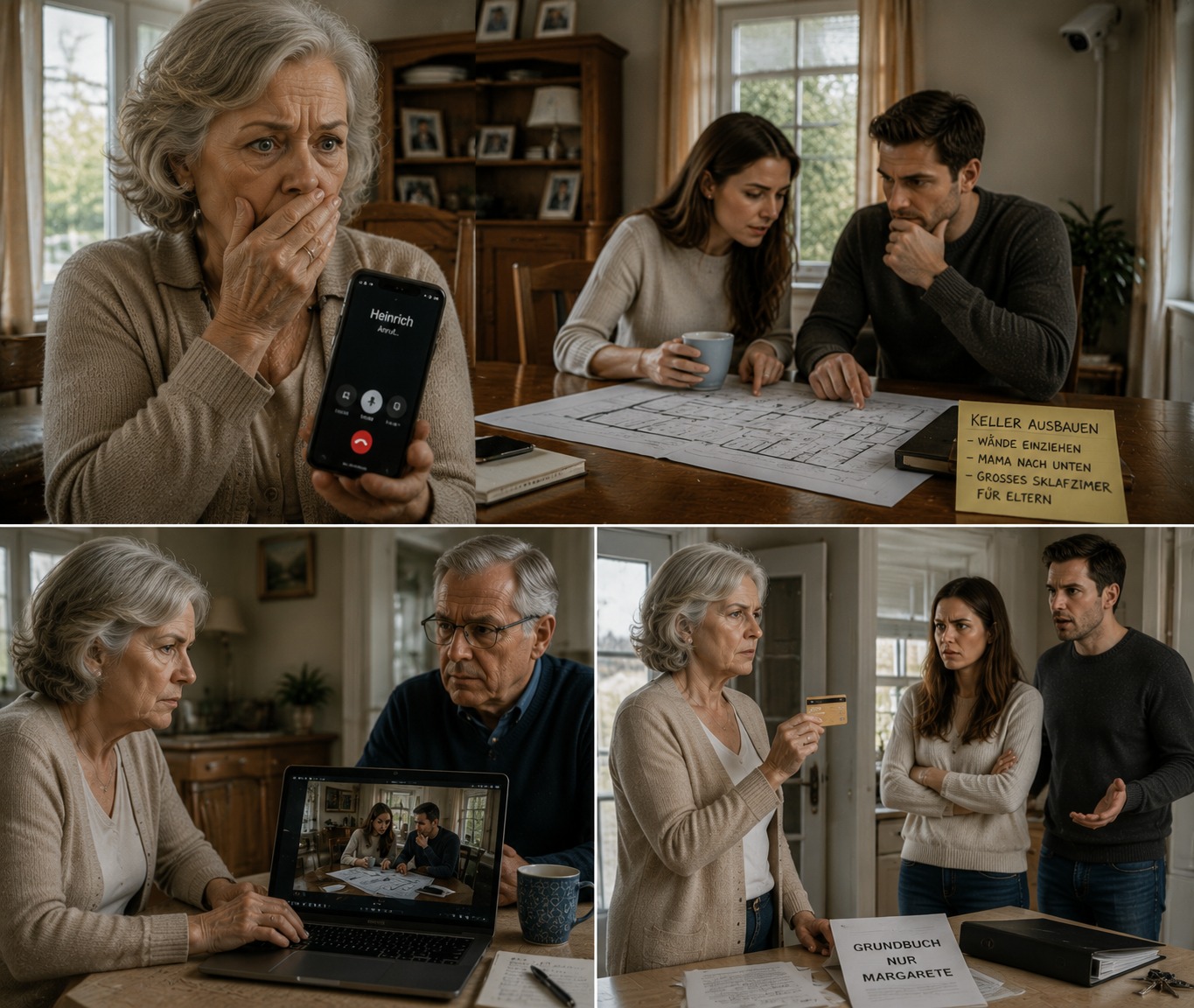
Heinrich.
Der Mann, von dem ich das Haus gekauft hatte.
Seine Stimme klang anders als sonst.
Angespannt.
„Margarete, ich muss Ihnen etwas sagen.“
Ich setzte mich automatisch.
„Was ist passiert?“
Er atmete tief durch.
„Ich hatte vergessen, eine Sicherheitskamera im Esszimmer abzubauen.“
Mein Herz schlug schneller.
„Eine Kamera?“
„Ja.“
„Ich wollte heute mein altes Konto löschen und habe dabei die Übertragung gesehen.“
Eine Pause.
Dann sagte er:
„Ich habe etwas gesehen, das Sie wissen müssen.“
Zwanzig Minuten später saß ich bei Heinrich in seiner Wohnung.
Er hatte Tee gemacht.
Aber keiner von uns trank ihn.
Er öffnete seinen Laptop.
„Ich bin kein neugieriger Mensch.“
„Ich wollte nur sicherstellen, dass die Kamera gelöscht wird.“
„Dann hörte ich Ihren Namen.“
Er drückte auf Wiedergabe.
Auf dem Bildschirm sah ich mein Esszimmer.
Mein Tisch.
Mein Haus.
Meine Tochter.
Mein Schwiegersohn.
Melanie saß mit Bauplänen vor sich.
Die Pläne meines Hauses.
„Der Keller ist riesig.“
Das war Matthias.
„Wenn wir hier Wände ziehen, haben wir fast eine eigene Wohnung.“
Ich hielt den Atem an.
Dann hörte ich meine Tochter.
„Sie wird sich nicht wehren.“
„Mama hasst Konflikte.“
Eine Pause.
„Wenn wir sie unten einquartieren, können deine Eltern das große Schlafzimmer bekommen.“
Ich starrte auf den Bildschirm.
Meine eigene Tochter.
Sie plante nicht, mir zu helfen.
Sie plante, mich aus meinem eigenen Zuhause zu entfernen.
Dann kam der Satz, der alles veränderte.
Matthias fragte:
„Wie bezahlen wir den Umbau?“
Melanie lachte.
Nicht nervös.
Nicht unsicher.
Sondern selbstbewusst.
„Ich habe doch die Kreditkarte von Mama.“
„Sie kontrolliert ihre Kontoauszüge sowieso nie.“
Heinrich stoppte das Video.
Er sah mich an.
Er wartete auf meine Reaktion.
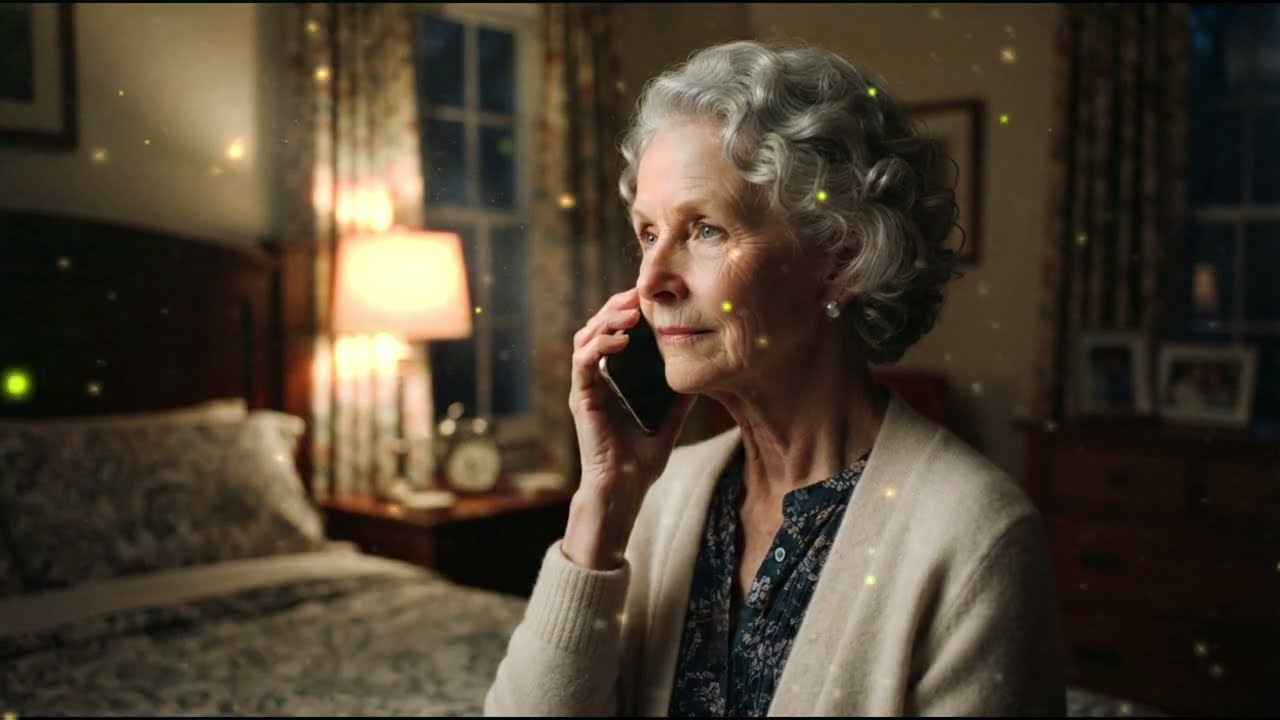
Aber ich weinte nicht.
Ich wurde nicht laut.
Denn in meinem Inneren passierte etwas anderes.
Klarheit.
Sie hielten mich für eine alte Frau, die nichts bemerkte.
Für jemanden, den man langsam aus dem eigenen Leben schieben konnte.
Aber sie hatten einen Fehler gemacht.
Sie hatten vergessen, wer ich war.
Ich hatte ein Leben lang Budgets verwaltet.
Eine Familie organisiert.
Verantwortung getragen.
Ich war nicht hilflos.
Ich war nur großzügig gewesen.
„Heinrich.“
Meine Stimme war ruhig.
„Schicken Sie mir dieses Video.“
Er nickte.
„Natürlich.“
Auf dem Heimweg dachte ich nicht darüber nach, wie ich sie bestrafen könnte.
Ich dachte darüber nach, wie ich mich schützen musste.
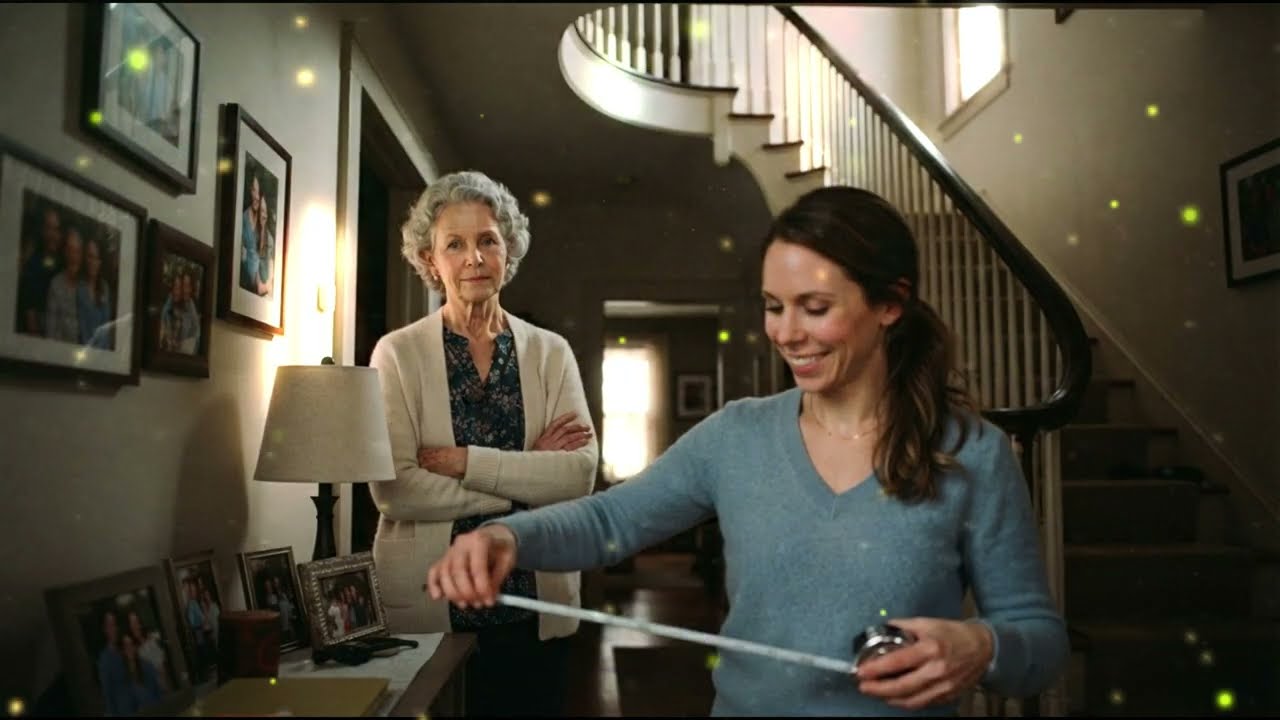
Als ich zu Hause ankam, stand Melanie im Flur.
Mit einem Maßband in der Hand.
„Hey Mama.“
Sie lächelte.
„Wie war deine Fahrt?“
Ich zog meinen Mantel aus.
„Interessant.“
Mein Blick fiel auf das Maßband.
„Was misst du aus?“
Für einen Moment erstarrte sie.
Dann lächelte sie.
„Nur wegen eines Treppenläufers.“
Eine Lüge.
Eine weitere.
Ich ging in mein Schlafzimmer.
Schloss die Tür.
Und begann zu handeln.
Der erste Schritt:
Meine Finanzen.
Ich öffnete mein Online-Banking.
Die Kreditkarte, die ich Melanie gegeben hatte, war nur für Lebensmittel und kleine Haushaltsausgaben gedacht.
Doch dort waren sie.
3.500 Euro.
Baumarkt.
900 Euro.
Möbelgeschäft.
Ich rief die Bank an.
„Bitte sperren Sie diese Karte sofort.“
„Und stellen Sie keine Ersatzkarte aus.“
Danach überwies ich mein gesamtes Guthaben auf ein separates Konto.
Nur mein Name.
Nur mein Zugriff.
Der zweite Schritt:
Meine Sicherheit.
Ich holte die Ersatzschlüssel.
Ich ließ mein Schlafzimmer mit einem neuen Schloss sichern.
Ich kaufte einen Tresor für wichtige Dokumente.
Grundbuch.
Bankunterlagen.
Persönliche Dinge.
Alles kam dorthin.
Am nächsten Tag kam ein Handwerker.
Nicht für den Keller.
Für meine Sicherheit.
Als Melanie nach Hause kam, bemerkte sie nichts.
Noch nicht.
Sie fragte:
„Mama, hast du das Bohren gehört?“
Ich las weiter in meinem Buch.
„Eine kleine Reparatur.“
Ich wusste:
Die Wahrheit würde bald kommen.

Und sie kam.
Am Nachmittag klingelte mein Telefon.
Melanie.
„Mama!“
Ihre Stimme war panisch.
„Die Karte funktioniert nicht.“
Ich nahm einen Schluck Tee.
„Das ist richtig.“
„Ich habe sie gesperrt.“
„Warum?“
„Weil ich festgestellt habe, dass sie für nicht genehmigte Ausgaben benutzt wurde.“
Stille.
„Wir wollten dich doch überraschen.“
Ich musste fast lachen.
„Ich mag keine Überraschungen, die ich bezahlen muss.“
Als sie nach Hause kam, war ihr Gesicht rot vor Wut.
„Du hast kein Recht dazu!“
Ich sah sie ruhig an.
„Doch.“
„Es ist mein Konto.“
„Mein Haus.“
„Mein Geld.“
Dann kam Matthias nach Hause.
Mit einem Handwerker.
„Der Trockenbauer ist da.“
Ich ging zur Tür.
Der Handwerker sah mich an.
„Ich soll den Keller ausmessen.“
Ich lächelte höflich.
„Ich bin die Eigentümerin dieses Hauses.“
„Ich habe keinen Umbau genehmigt.“
Der Mann sah zu Matthias.
Sein Gesicht veränderte sich.
„Das Haus gehört nicht Ihnen?“
Matthias sagte nichts.
Dann kam der Moment, in dem meine Tochter endlich aussprach, was sie wirklich dachte.
„Mama, du könntest doch einfach in den Keller ziehen.“
Ich sah sie an.
Lange.
„Du meinst den Keller in meinem Haus?“
Sie sagte nichts.
„Deine Schwiegereltern brauchen Platz.“
„Sie könnten mein Schlafzimmer bekommen.“
Ich schüttelte langsam den Kopf.
„Nein.“
„Das werden sie nicht.“
Meine Stimme blieb ruhig.
„Das ist mein Zuhause.“
„Und darüber wird nicht verhandelt.“
Einige Tage später kamen tatsächlich Matthiass Eltern.
Mit einem Anhänger voller Kartons.
Nicht für ein Wochenende.
Zum Einziehen.
Ich stand in der Tür.
„Willkommen.“
„Ich sehe, ihr habt viele Sachen für einen Besuch dabei.“
Melanie wurde nervös.
Ihre Schwiegermutter lächelte.
„Wir bleiben ein paar Monate.“
Ich nickte.
„Nein.“
Stille.
„Ihr bleibt bis Montag im Gästezimmer.“
„Danach sucht ihr euch eine eigene Unterkunft.“
Sie konnten es nicht glauben.
Denn zum ersten Mal sagte niemand Ja zu ihren Plänen.
Am Montag legte ich einen Mietvertrag auf den Tisch.
„Wenn ihr bleiben wollt, zahlt ihr Miete.“
1.500 Euro.
Plus Nebenkosten.
Melanie sah mich an.
„Du verlangst Geld von deiner eigenen Tochter?“
Ich antwortete:
„Nein.“
„Ich verlange Respekt für mein Eigentum.“
Sie konnten nicht zahlen.
Natürlich nicht.
Denn ihr Plan funktionierte nur, solange mein Geld ihr Leben finanzierte.
Dreißig Tage später waren sie weg.
Das Haus wurde still.
Aber diesmal fühlte sich die Stille anders an.
Frei.
Heute sitze ich morgens mit meinem Kaffee auf meiner Veranda.
Ich habe mein Tomatenbeet angelegt.
Ich lese.
Ich genieße meinen Garten.
Mein Zuhause.
Ich habe gelernt:
Liebe bedeutet nicht, alles zu erlauben.
Familie bedeutet nicht, dass Menschen deine Grenzen überschreiten dürfen.
Und Hilfe anzunehmen bedeutet nicht, dass jemand Anspruch auf dein Leben bekommt.
Manchmal ist das mutigste Wort nicht ein langer Streit.
Nicht eine Erklärung.
Nicht ein Kampf.
Manchmal ist das mutigste Wort einfach:
Nein.
Und manchmal ist genau dieses kleine Wort der Anfang davon, sich selbst zurückzugewinnen.