Część 1: Lekcje ojca i fałszywe wesele
Nauczyłam się samoobrony od ojca, odkąd byłam małą dziewczynką. Dopiero po ślubie odkryłam, że mój mąż jest brutalnym damskim bokserem. Kiedy po raz pierwszy podniósł na mnie rękę, przestałam udawać słabą i wymierzyłam mu cztery ciosy, które posłały go do wiejskiego ośrodka zdrowia.
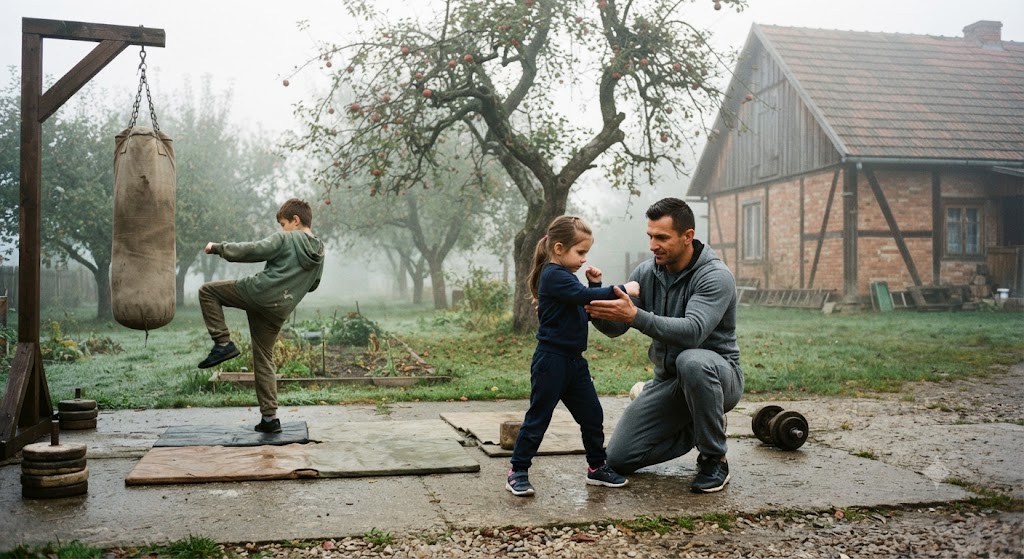
Wczesnym rankiem, gdy mgła osiadała jeszcze białą warstwą na liściach starych jabłoni w ogrodzie, a pianie kogutów niosło się echem z sąsiednich zagród, obudził mnie znajomy głęboki głos ojca. Wylana betonem część podwórka, na której we trójkę – ja, mój brat i ojciec – wylewaliśmy siódme poty, ćwicząc podstawowe chwyty i uniki, była teraz naznaczona wspomnieniami z dzieciństwa.
Mój ojciec Paweł był znanym w okolicy instruktorem samoobrony i byłym bokserem. Ten tytuł nie przyniósł mu bogactwa ani zaszczytów, a jedynie wysportowane ciało, żelazną wolę i dłonie stwardniałe od lat spędzonych na sali treningowej. Ojciec często powtarzał, że dziewczyna uczy się walczyć nie po to, by mierzyć się ze światem, ani tym bardziej, by wykorzystywać siłę przeciwko słabszym, ale po to, by umieć się obronić w potrzebie i stać prosto w obliczu życiowych burz, nie kłaniając się nikomu.
Te rygorystyczne treningi weszły mi w krew, odkąd nosiłam warkocze, zmieniając z natury kruchą dziewczynę w osobę o niezłomnej sile wewnętrznej, gibką i zdeterminowaną. Jednak życie jest nieprzewidywalne. Siła, którą ojciec przekazał mi przez każdy unik i każdy potężny cios, okazała się czymś, co moja matka kazała mi za wszelką cenę ukrywać.
W dniu mojego ślubu, gdy wsiadałam do samochodu, by pojechać do domu męża, radosna atmosfera jednego z największych wesel w powiecie zdawała się zwiastować przyszłość pełną szczęścia. Elegancki dom weselny, stoły przykryte białymi obrusami, tłum gości wznoszących toasty, a gwar i śmiech wypełniający okolice. Mój mąż Krzysztof był młodym mężczyzną o wyglądzie inteligenta. Mówił cicho i zręcznie, co sprawiało, że każdy, kto na niego spojrzał, chwalił moją matkę za tak doskonały wybór zięcia.
Jednak za tą nienaganną marynarką i nieco wymuszonym towarzyskim uśmiechem wciąż dźwięczały mi w uszach łamiące serce słowa matki, wypowiedziane tuż przed moim wyjściem z domu. Ścisnęła moją dłoń. Jej chude, drżące ręce włożyły mi do torebki złoty łańcuszek, jedyną pamiątkę po babci. I szepnęła łamiącym się głosem, że mężczyźni na wsi bywają konserwatywni, a jego rodzina słynie z patriarchatu.
— Gdy już wyjdziesz za mąż, Anno, musisz być we wszystkim cierpliwa i pokorna. Nigdy nie pokazuj swojej siły ani tego, że znasz sztuki walki, bo sprowadzisz na siebie nieszczęście.
Patrząc wtedy w jej zatroskane oczy, mogłam tylko potakująco skinąć głową, by ją uspokoić. Nie przypuszczałam, że ta początkowa uległość stanie się dla nich przyzwoleniem i zaprowadzi mnie prosto w duszącą pułapkę już od pierwszych dni małżeństwa.
Część 2: Dom teściów i narastająca presja
Świt drugiego dnia w roli synowej jeszcze nie zdążył przebić się przez korony wiejskich brzóz, a ja już musiałam zerwać się z łóżka, wciąż pachnącego nowością, by pędem zejść na dół. Chłodne, wilgotne powietrze polskiej wsi przed świętami, zmieszane z ostrym zapachem dymu z pieca węglowego, ścisnęło mi płuca.
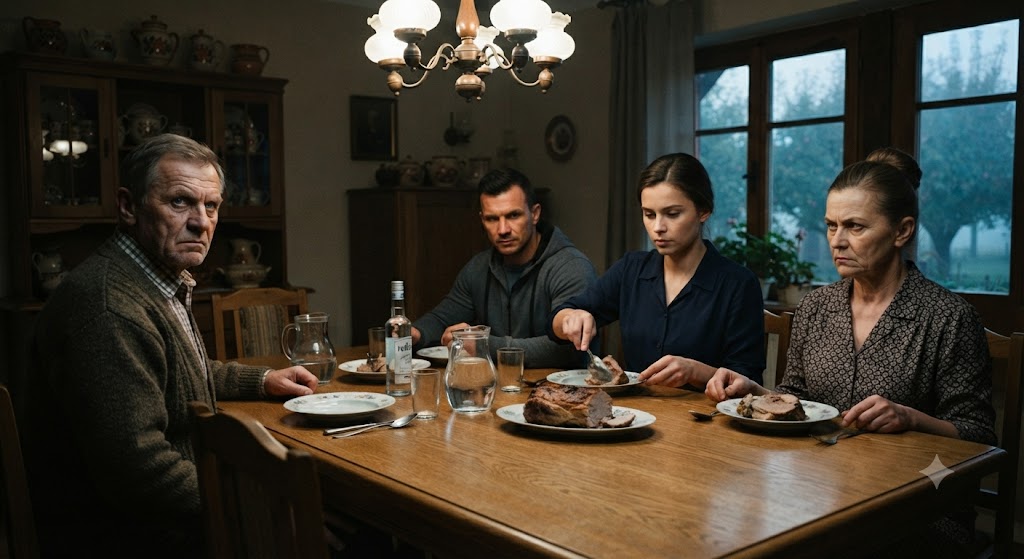
Moja teściowa Ewa, chuda kobieta o oczach ostrych jak sztylety i ustach wiecznie wykrzywionych w wyrazie wyższości, stała już na ganku z rękami na biodrach. Gdy tylko zobaczyła, że wychodzę, jej piskliwy, nieprzyjemny głos rozbrzmiał jak tarcie tępego żelaza o kamień. Zganiła mnie za zaspanie, które opóźniło poranny rytm całej licznej rodziny. Natychmiast przedstawiła mi długą listę nienaruszalnych zasad panujących w domu Janusza, jej męża: od wstawania o świcie, by zamieść podwórko i zaparzyć herbatę dla teścia, po przygotowywanie dwudaniowych obiadów. Zanim reszta domowników mogła usiąść do stołu, musiałam nakryć go z idealną precyzją, a potem stać z boku jak służąca, gotowa usługiwać teściowi i mężowi.
To, co dusiło mnie najbardziej, nie była jednak ta niekończąca się ciężka praca, ale traktowanie synowej jak narzędzia, służącej i niczego więcej. Mój teść Janusz całe dnie spędzał na rozkładanej kanapie, popijając mocną herbatę. Czasem siorbnął głośno, by potem chrząknąć i zacząć swoje tyrady o moralności. O tym, że kobieta rodzi się, by służyć mężowi i dzieciom, a nie gonić za dyplomami czy wyższym wykształceniem.
Podczas pierwszego rodzinnego obiadu, gdy tylko nałożyłam sobie na talerz kawałek kotleta, by nabrać sił do pracy, teściowa uderzyła widelcem o stół. Jej twarz pociemniała, a głos stał się jadowity.
— W tym domu najlepsze kąski zawsze w pierwszej kolejności trafiają na talerz mężczyzn, ojca i męża. Ty jesz to, co zostanie. Widać, że brakuje ci podstawowego wychowania i szacunku do hierarchii.
Krzysztof siedzący obok nie tylko nie stanął w mojej obronie, ale przytaknął matce, patrząc na mnie z pogardą i wydając polecenia, jakbym była służącą. Przez resztę posiłku przełykałam gorzkie kęsy, czując w gardle gulę. I dopiero wtedy w pełni zrozumiałam, o jakiej goryczy życia opowiadała mi matka. Jednak zamiast płakać i błagać o litość, w głębi serca zaczęła we mnie narastać zimna determinacja. Powiedziałam sobie, że cierpliwość ma swoje granice i nie jest czymś, co pozwoli mi tolerować ich absurdalne, opresyjne zasady.
Trzy dni po weselu, zgodnie z tradycją poprawin, pojechaliśmy z Krzysztofem z wizytą do moich rodziców. Gdy tylko przekroczyliśmy próg znajomej furtki i zobaczyłam pochyloną sylwetkę mojej matki przy studni, serce mi zmiękło. Cały żal i upokorzenie, które gromadziły się przez te kilka dni, niemal wybuchnęły potokiem łez. Jednak w obecności Krzysztofa, który uśmiechał się nonszalancko, odgrywając rolę wzorowego zięcia, musiałam powstrzymać łzy i udawać radosną, by zachować twarz dla obu rodzin.
Gdy Krzysztof usiadł z moim ojcem na werandzie, pijąc herbatę, matka szybko wciągnęła mnie do ciemnego kąta kuchni. Jej zmęczone, mętne oczy badały każdy centymetr mojej twarzy. Wystarczyło, że zobaczyła podkrążone oczy i moje nieco ociężałe ruchy, by ta doświadczona kobieta zrozumiała, co muszę znosić w tym surowym domu teściów. Ścisnęła mocno moją dłoń. Jej długie, ciężkie westchnienie wypełniło ciasną, przesiąkniętą dymem przestrzeń.
— Los kobiety po ślubie jest jak hazard, Anno. Wygrasz albo przegrasz. Mało która od razu trafia na miód i mleko. Jego rodzina od lat cieszy się w wiosce estymą. Teściowie są wykształceni, choć nieco staroświeccy, a mąż ma stabilną pracę. Ugryź się w język, bądź cicho, a wszystko się ułoży. Nie wdawaj się w pyszkówki, bo przyniesiesz wstyd całej naszej rodzinie.
Słuchając tych praktycznych, pełnych rezygnacji rad matki, wiedziałam, że mówiła to z miłości, bojąc się, że zostanę sama na lodzie, a nie dlatego, że broniła ich okrutnych zwyczajów. Mogłam tylko przytulić jej chude ramiona i potakująco skinąć głową, by ją uspokoić. Ale w głębi duszy, w najciemniejszym zakamarku serca, wiedziałam z całą pewnością, że moja cierpliwość ma swoje granice. Jeśli będą dalej mnie deptać, niszcząc moją godność i poczucie własnej wartości, ta fasada łagodności wkrótce rozpadnie się na kawałki.
Część 3: Noc, w której wszystko się zmieniło
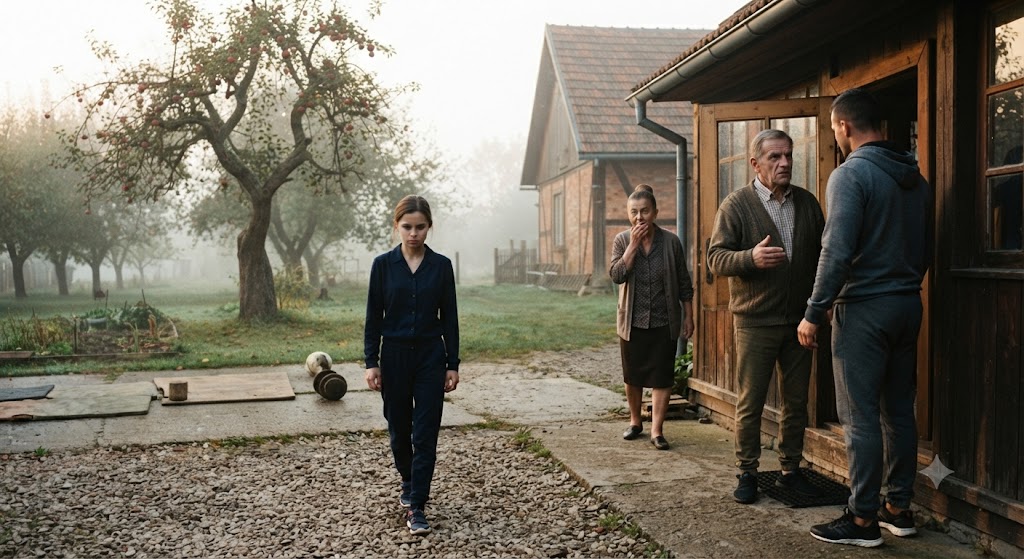
Następnego ranka, gdy pianie koguta ledwo zdążyło przerwać ciszę, a delikatna mgła wciąż unosiła się nad wiejskimi zagajnikami, duszna atmosfera w domu Janusza ponownie zwaliła mi się na ramiona jak wielki głaz. Ledwo usiadłam, by złapać oddech po porannym maratonie ze sprzątaniem i gotowaniem owsianki dla całej rodziny, gdy do kuchni weszła moja teściowa Ewa z rękami na biodrach. Jej ostre oczy rozejrzały się po pomieszczeniu, a potem odezwała się swoim jadowitym, wyniosłym tonem.
Oświadczyła, że od teraz wszystkie pieniądze z naszych prezentów ślubnych oraz moje osobiste oszczędności muszą zostać przekazane teściowi. Stwierdziła, że w porządnej, tradycyjnej rodzinie to głowa rodu zarządza wszystkimi finansami, a ukrywanie własnych pieniędzy przez żonę to brak szacunku i przejaw buntu.
Gdy to usłyszałam, serce mi zamarło. Uczucie niepokoju zaczęło narastać w mojej głowie. Nie chodziło o stratę majątku, ale o to, że chciwa i samolubna natura tej rodziny zaczęła zrzucać maskę pozornej elegancji, ukazując swoje prawdziwe, obrzydliwe oblicze. Krzysztof, siedzący przy stole i popijający mocną herbatę, obojętnie przytaknął matce. Jego spojrzenie, pozbawione jakiejkolwiek małżeńskiej czułości, przypominało spojrzenie rzucane na tani przedmiot dłużnika, który podpisał bezwarunkową uległość. Stwierdził, że kobieta wychodząc za mąż należy do męża, a jej majątek staje się wspólną własnością rodziny.
— Nie rób problemów ani nie strofuj fochów, bo wprowadzasz niezgodę w domu.
W obliczu tego ordynarnego nacisku wciąż próbowałam powstrzymać gniew. Powiedziałam cicho:
— Posag to dar od mojej matki na czarną godzinę. Proszę pozwolić mi go zatrzymać i zarządzać nim samodzielnie. Nie chcę naruszać finansów rodziny.
Janusz, który stał na ganku, wszedł do środka z ponurą miną, uderzył pięścią w stół i zaczął krzyczeć, że w tym domu jeszcze żadna synowa nie ośmieliła się być bezczelna i sprzeciwiać się teściom. Wskazał na mnie palcem, wyzywając od najgorszych, od niewdzięcznicy po osobę o wątpliwej moralności. Insynuował nawet, że pochodzę z biednej rodziny, a udaję wielką panią, nie znając podstawowych zasad obowiązujących żonę w porządnej, szanowanej rodzinie.
Patrząc, jak wszyscy wspólnie mnie atakują, zmuszają do uległości i systematycznie upokarzają, zrozumiałam, że huczne wesele sprzed kilku dni było tylko przedstawieniem, mającym na celu uczynienie ze mnie darmowej siły roboczej i maszyny do rodzenia dzieci. W tej ciasnej, dusznej przestrzeni przypomniały mi się słowa ojca. Pamiętałam też wszystkie techniki samoobrony, których uczył mnie z takim trudem, i zdałam sobie sprawę, że głupia uległość, do której namawiała mnie matka, tylko ośmiela tych chciwych ludzi, a nigdy nie przyniesie wdzięczności czy zrozumienia.
Tym razem nie płakałam, nie błagałam ani nie schylałam głowy w pokorze, jak w pierwszych dniach. Wyprostowałam się, a moje zimne spojrzenie przeszywało każdego z domowników. Moja niezwykła postawa sprawiła, że na chwilę zaniemówili. To pełne siły milczenie nieco ostudziło Ewę, ale jej chciwość i arogancja szybko przykryły chwilowe zmieszanie i znów zaczęła swój potok jadowitych słów o tym, że kobieta rodzi się, by dźwigać ciężar rodziny męża bez prawa do własnego zdania czy osobistych praw.
Dzień po dniu presja materialna i psychiczna splatały się, tworząc ciasną obręcz wokół mojej głowy. Ten dom stał się prawdziwym więzieniem bez wyjścia, z którego mogłam się uwolnić tylko jeśli sama stanę do walki o sprawiedliwość. Przez resztę dnia, podczas gdy Krzysztof spędzał czas z kumplami od kieliszka, ja w milczeniu wykonywałam wszystkie ciężkie prace zlecone przez teściową. W sercu rosła determinacja, by znaleźć sposób na obronę siebie i nie pozwolić tej okropnej rodzinie dalej deptać mojej godności i kraść tego, co należało do mnie i mojej matki.
Życie synowej w tej pozornie spokojnej wsi było w rzeczywistości cichą, ale niezwykle brutalną walką. Wystarczyła chwila nieuwagi lub słabości, by zostać bezlitośnie zmiażdżonym pod fałszywą przykrywką patriarchalnych tradycji i egoizmu rodziny męża.
Tej nocy niebo było czarne jak smoła, bez jednej gwiazdy, bez najlżejszego powiewu wiatru. Głucha cisza wiejskiej nocy sprawiała, że mały pokój małżeński wydawał się jeszcze bardziej duszny i przytłaczający. Krzysztof wyszedł po południu z kumplami i wrócił dopiero późno w nocy chwiejnym krokiem. Ostry zapach alkoholu zmieszany z wonią tanich papierosów wdarł się do ciasnego pokoju, sprawiając, że niemal brakowało mi tchu.
Czekałam na niego nie z poczucia obowiązku czy tęsknoty nowo poślubionej żony, ale dlatego, że drzwi nie były zamknięte na zasuwę, a teściowa prawiła mi kazania o pilnowaniu męża. Gdy tylko wszedł do pokoju, zwalił się na stare łóżko, mamrocząc coś pod nosem. Jego zamglone, pijane oczy rozejrzały się po pokoju i zatrzymały na mnie z nieuzasadnioną irytacją.
Szybko wstałam, by podać mu szklankę ciepłej wody i wilgotny ręcznik, by otarł pot, który lał mu się z czoła. Miałam nadzieję, że to ukoi furię, która odbierała mu rozum. Jednak moja troska nie tylko nie została doceniona, ale zdawała się podsycić gniew kogoś, kto właśnie przegrał w karty lub został sprowokowany przez kolegów w barze. Krzysztof z furią wytrącił mi szklankę z ręki. Rozbiła się na tysiąc kawałków, a woda chlusnęła na podłogę. Towarzyszył temu ochrypły, arogancki krzyk. Wskazał na mnie palcem, bełkocząc:
— Ty cholerna, bezczelna babo, od kiedy tu jesteś, nie przyniosłaś tej rodzinie ani jednego dnia radości czy szacunku. Tylko wiecznie ten twój zimny, wredny wyraz twarzy.
Zamarłam pośrodku pokoju, patrząc na odłamki szkła u moich stóp, a potem na mężczyznę, który jeszcze kilka dni temu nosił elegancki garnitur na naszym weselu. Poczułam bezdenne rozczarowanie. Słowa matki o cierpliwości, surowe zasady Ewy i brutalna patriarchalna postawa Krzysztofa, która teraz ukazywała się w całej okazałości, nagle złożyły się w jedno, tworząc ogromną presję, która przygniatała mój umysł.
Starałam się zachować spokój i łagodnym głosem poradziłam mu, żeby położył się spać, by rano być trzeźwym i zająć się pracą w polu.
— Nie mów bzdur i nie rób awantury w środku nocy.
Nie sądziłam, że te spokojne słowa jeszcze bardziej rozpalą gniew tego impulsywnego mężczyzny. Wstał chwiejnie z łóżka i zbliżył się do mnie. Jego kroki były niepewne, ale pełne groźby. Ryknął:
— To jest mój dom. A ty jesteś tylko kimś, kogo kupiłem za pieniądze, żeby była moją żoną, więc masz być posłuszna. Masz zakaz otwierania ust, żeby mnie pouczać i sprzeciwiania się w najmniejszej sprawie.
Widząc, jak mój mąż zamachnął się, by dać mi policzek, wszystkie stłumione upokorzenia i żale, które gromadziły się od pierwszych dni, nagle eksplodowały, zmieniając się w zimną, zdecydowaną energię. Nie cofnęłam się ani o krok. Moje lodowate spojrzenie utkwione było prosto w tracącego kontrolę mężczyznę. W głowie dźwięczały mi słowa ojca z dzieciństwa, że nigdy nie wolno ulegać złu i tyranii.
Ta spóźniona noc poślubna nie była słodkim momentem miłości, jak ludzie sobie wyobrażają, ale chwilą całkowitego upadku fałszywej fasady rodzinnej. Rozpoczęła się bezpardonowa konfrontacja między odwagą dziewczyny znającej sztuki walki a tchórzliwą bandycką naturą rodziny męża.
Jego wielka, szorstka dłoń, przesiąknięta zapachem dymu, świsnęła w powietrzu, celując prosto w mój policzek z całą siłą pijanego furiata. W tej krótkiej chwili, cienkiej jak nić pająka, czas w ciasnym pokoju zdawał się zatrzymać. Wszystkie dźwięki żab z pobliskich pól ucichły, ustępując miejsca miarowemu biciu mojego serca.
Instynkt przetrwania i odruchy, które mój ojciec z takim trudem we mnie wypracował od dzieciństwa, automatycznie się uaktywniły, zrywając ostatnią nić uległości, którą moja matka z takim bólem zawiązała mi na sercu w dniu ślubu. Nie zamknęłam oczu i nie zacisnęłam zębów. Nie skuliłam się, by przyjąć cios, jak robiły to słabe kobiety w tej wsi, przez całe życie znoszące przemoc.
Moje stopy stały pewnie na zimnej posadzce, a górna część ciała lekko się przechyliła, delikatnie jak liść omijający porywisty wiatr. Siła bezwładności w połączeniu z alkoholem sprawiła, że Krzysztof stracił równowagę i zachwiał się do przodu, odsłaniając całą swoją słabość i nieporadność kryjącą się za tchórzliwą, brutalną maską.
Cierpliwość się wyczerpała, a litość rozpadła na kawałki. Zrozumiałam, że jeśli tej nocy przyjmę ten policzek, moje życie na zawsze zostanie pogrzebane w ciemności przemocy i pogardy. Bez chwili wahania wyprowadziłam zdecydowany, czysty i zimny kontratak. Dokładnie tak, jak uczył mnie ojciec w obliczu zła.
Siła była wystarczająca, by przerwać jego ciężki, przesiąknięty alkoholem oddech. Krzysztof cofnął się. Jego oczy rozszerzyły się ze zdumienia, a usta otworzyły. Ale zanim zdążył krzyknąć, mój drugi cios wylądował precyzyjnie na jego ramieniu, całkowicie uniemożliwiając mu ponowne zamachnięcie się. Wszystko działo się błyskawicznie, zdecydowanie i niezwykle precyzyjnie.
Biorąc rozpęd, spięty i obracając się o pół obrotu, zadałam trzeci cios prosto w górną część brzucha, zmuszając wysokiego mężczyznę do zgięcia się w pół z bólu, który przeszył go aż do mózgu. Na koniec, aby zakończyć ten pokaz bezsensownej przemocy, obniżyłam środek ciężkości i wyprowadziłam czwarty piorunujący i precyzyjny cios podbródkowy, który zniszczył resztki jego taniej dumy i resztki rozsądku.
Krzysztof runął na podłogę jak kłoda. Jego wielkie ciało uderzyło o ramę łóżka, wydając głuchy, suchy dźwięk, który rozdarł ciszę nocy. Leżał na ziemi, trzymając się za opuchniętą twarz i jęcząc z bólu. Jego zamglone oczy teraz patrzyły na mnie z osłupieniem i skrajnym przerażeniem, jakby zobaczył kogoś obcego, a nie łagodną i uległą żonę, którą poślubił zaledwie kilka dni temu.
Część 4: Ucieczka i nowy początek
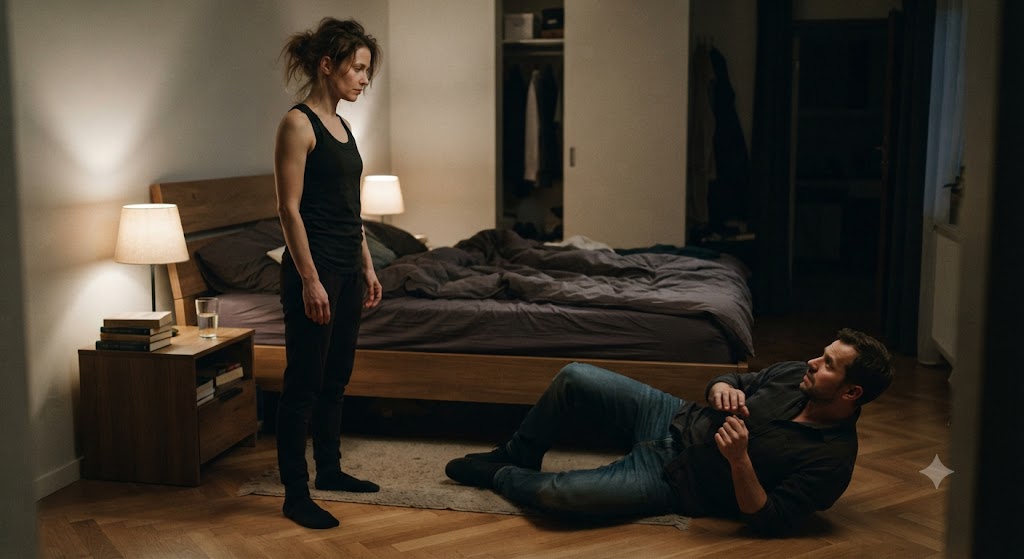
Gwałtowny hałas w naszej sypialni natychmiast zaalarmował teściów śpiących w pokoju obok. Po chwili usłyszałam szuranie kapci, kaszel Janusza i piskliwy głos Ewy, wołającej imię syna coraz bliżej i bliżej w panice. Skrzypiące drewniane drzwi zostały gwałtownie otwarte. Oczom starszej pary ukazał się widok, którego prawdopodobnie nigdy sobie nie wyobrażali. Ich ukochany jedynak wił się na podłodze, a synowa stała z założonymi rękami, wyprostowana, a jej błyszczące oczy rzucały zimne spojrzenie na jęczącego mężczyznę.
Ewa krzyknęła przeraźliwie i rzuciła się, by objąć głowę Krzysztofa, zawodząc żałośnie jak na pogrzebie. Gładziła jego czerwoną, posiniaczoną twarz, a Janusz stał w drzwiach, zszokowany i wściekły. Krzyczał, że jestem szaloną, niebezpieczną kobietą, że zniszczyłam ich rodzinę. Ja jednak nie drgnęłam. Spakowałam kilka niezbędnych rzeczy, wzięłam złoty łańcuszek od matki i wyszłam z domu jeszcze tej samej nocy.
Następnego dnia złożyłam pozew o rozwód. Proces był krótki. Świadkowie, nagrania, dokumentacja medyczna. Sąd przyznał mi rację. Odeszłam z pustymi rękami, ale z godnością. Zamieszkałam w małym miasteczku, znalazłam pracę w supermarkecie i zaczęłam budować życie od nowa.
Ewa nie dała za wygraną. Pojawiła się w sklepie, krzycząc, że uciekłam z kochankiem, że pobiłam męża i zniszczyłam honor ich rodu. Klienci się gapiłi. Koleżanki z pracy były zszokowane. Ja jednak spokojnie wyjąłam telefon, włączyłam nagrywanie i powiedziałam głośno, że jej zachowanie – zniesławianie, rozpowszechnianie fałszywych informacji i zakłócanie porządku publicznego – jest poważnym naruszeniem prawa. Ostrzegłam, że jeśli natychmiast nie przestanie, przekażę nagranie policji i kierownictwu.
Słysząc słowo „policja” i widząc telefon skierowany prosto na jej twarz, Ewa zbladła. Tłum zaczął ją krytykować. Wyszła ze wstydu. Kierowniczka pochwaliła mnie za opanowanie. Burza minęła.
Część 5: Upadek i przebaczenie
Burze życia przetoczyły się przez małą wieś z nieubłaganą sprawiedliwością losu. Ci, którzy przywykli do życia opartego na władzy i arogancji, w końcu musieli ponieść konsekwencje własnych czynów. Atmosfera w domu rodziny Janusza stała się ponura. Fałszywa fasada tradycji zawaliła się w oczach sąsiadów. Ludzie patrzyli na nich już nie z szacunkiem, lecz z litością i pogardą.
Zdrowie Janusza gwałtownie się pogorszyło. Jego kompani zniknęli. Krzysztof, zamiast wziąć się do pracy, pogrążył się jeszcze głębiej w pijaństwie i hazardzie. Zachowywał się arogancko w warsztacie, kłócił się z przełożonymi, przychodził pijany. W końcu zniszczył partię drogich części i został zwolniony. Na jego głowę spadł ogromny dług. Rodzina tonęła w nędzy.
Pewnego popołudnia zobaczyłam Ewę siedzącą na chodniku przed opustoszałym barem. Stara, pomięta sukienka, siwe, rozczochrane włosy, zapadnięte policzki. Patrzyła na mnie ze wstydem i goryczą. Podeszła, próbując coś powiedzieć. Opowiedziała o tragicznej sytuacji: Janusz chory, Krzysztof zniknął, dom w długach. Błagała o litość, o powrót, o pomoc.
Zachowałam spokój. Delikatnie wysunęłam rękę z jej uścisku i powiedziałam wyraźnie, że rachunki między nami zostały zamknięte wraz z rozwodem i wyrokami sądu. Nie ma mowy o powrocie ani przejmowaniu ciężarów, które nie należą do mnie. Każdy jest kowalem własnego losu. Siejesz wiatr, zbierasz burzę. Jednak zachowałam ludzką przyzwoitość. Poradziłam jej, by była silna, opiekowała się Januszem i zachęciła syna do uczciwej pracy.
Kilka dni później mój stary przyjaciel z treningów, Piotr, opowiedział mi, że daleki krewny rodziny prosi o pomoc w znalezieniu pracy dla Krzysztofa. Przypomniałam sobie słowa ojca: „Nie kopie się leżącego. Nienawiść tylko zatruwa duszę”. Poprosiłam Piotra, by znalazł dla byłego męża pracę w odległym warsztacie, gdzie mógłby spłacić długi, nauczyć się dyscypliny i zniknąć z mojego życia.
Rodzina Janusza przyjęła tę pomoc z głębokim wzruszeniem i wstydem. Janusz płakał, Ewa kajała się, Krzysztof siedział ze spuszczoną głową. Wyjechał. Zaczął pracować. Rodzina powoli stawała na nogi.
Minęło kilka miesięcy. Moje życie w miasteczku stało się stabilne i spokojne. Awansowałam na kierowniczkę zmiany. Matka często mnie odwiedzała. Piotr czasem wpadał na herbatę. Opowiadał, że Krzysztof naprawdę się zmienił.
Wieczorem, wracając rowerem do domu, czułam się lekka, wolna i szczęśliwa. Zrozumiałam, że prawdziwe szczęście nie polega na luksusie czy byciu pod czyjąś ochroną, ale na niezależności, na zdolności do stania na własnych nogach w obliczu każdej burzy, na umiejętności kochania, przebaczania i utrzymywania w sercu płomienia dobra.
Zatrzymując się przed jasno oświetlonym mieszkaniem, uśmiechnęłam się, patrząc w przyszłość. Byłam gotowa na spokojne dni, pełne słońca i wszystkiego, co najlepsze, co czekało na horyzoncie.