TEIL 2
Nach diesem Tag änderte sich alles.
Ich dachte, der schwierigste Teil wäre, Harold zu helfen.
Ich lag falsch.
Der schwierigste Teil war zu erkennen, dass die Menschen, denen ich 30 Jahre vertraut hatte, mich plötzlich als Feind sahen.
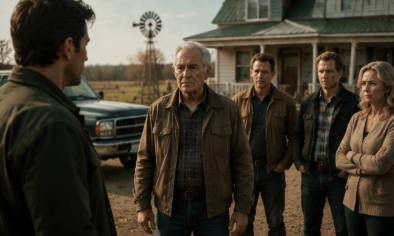
Als wir zurück zur Farm kamen, warteten Rick, Dennis und Linda bereits auf uns.
Rick kam sofort auf mich zu.
„Wo wart ihr so lange?“
Nicht:
„Wie geht es Dad?“
Nicht:
„Hat die Fahrt geklappt?“
Nur diese Frage.
Wo wart ihr?
Harold stieg langsam aus dem Truck.
„Ich war dort, wo ich sein musste.“
Rick zwang sich zu einem Lächeln.
„Dad, wir haben uns Sorgen gemacht.“
Harold sah ihn ruhig an.
„Nein. Ihr wart neugierig.“
Die Stimmung veränderte sich sofort.
Zum ersten Mal sah ich, dass Rick nicht die Kontrolle hatte.
Beim Abendessen sprach kaum jemand.
Die Stille war unangenehm.
Dann fragte Rick:
„Was wurde beim Anwalt besprochen?“
Ich wollte antworten, aber Harold kam mir zuvor.
„Das geht nur mich und meinen Anwalt etwas an.“
Rick sah überrascht aus.
Er war es nicht gewohnt, dass sein Vater ihm Grenzen setzte.
In dieser Nacht konnte ich nicht schlafen.
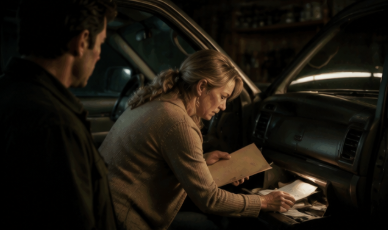
Als ich gegen Mitternacht in die Garage ging, sah ich etwas Seltsames.
Die Tür meines Trucks war offen.
Die Innenbeleuchtung brannte.
Und Linda stand davor.
Sie durchsuchte meine Sachen.
Das Handschuhfach.
Die Mittelkonsole.
Meine Unterlagen.
Ich blieb stehen.
„Was machst du da?“
Sie erschrak.
„Ich habe nur etwas gesucht.“
„Was?“
Sie schwieg.
Dann sagte sie:
„Die Unterlagen vom Anwalt.“
Ich starrte sie an.
„Du hast mein Auto durchsucht?“
„Rick glaubt, dass Dad etwas geändert hat.“
„Und deshalb suchst du in meinem Truck?“
Sie sah weg.
„Ich muss wissen, was passiert ist.“
Dieser Moment tat weh.
Nach 30 Jahren Ehe vertraute sie mir weniger als ihren Brüdern.
Am nächsten Morgen rief Susan Miller an.
„Michael, Harold hat alles vorbereitet.“
„Was bedeutet das?“
„Der Trust wurde aktiviert.“
Ich schwieg.
„Außerdem möchte ich Sie warnen.“
„Wovor?“
„Ihre Familie wird vermutlich reagieren.“
Sie hatte recht.
Innerhalb weniger Tage begannen die Gerüchte.
In der kleinen Stadt sprach jeder darüber.
Man sagte, ich hätte Harold beeinflusst.
Dass ich ihn gegen seine Kinder aufgebracht hätte.
Dass ich sein Vertrauen ausgenutzt hätte.
Menschen, die mich seit Jahrzehnten kannten, sahen mich plötzlich anders an.
Ein alter Bekannter fragte mich:
„Mike, stimmt es, dass du Harold dazu gebracht hast, seine Familie zu enterben?“
Ich war sprachlos.
Ich hatte diesen Mann nur gefahren.
Ich hatte nichts verlangt.
Dann zeigte Susan mir die Wahrheit.
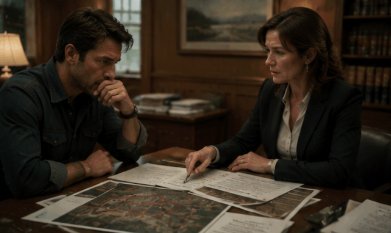
Sie gab mir Unterlagen, die belegten, was Rick und Dennis geplant hatten.
Sie hatten bereits Monate vor Harolds Schlaganfall mit einem Entwickler gesprochen.
Die Farm sollte verkauft werden.
Das Land sollte in Grundstücke aufgeteilt werden.
Sie planten den Verkauf, bevor ihr Vater überhaupt gestorben war.
Sie hatten nicht über seine Zukunft nachgedacht.
Nur über ihren Gewinn.
Das war der Moment, in dem ich verstand:
Harold hatte nicht überreagiert.
Er hatte alles gesehen.
Doch die Situation zerstörte langsam auch meine Ehe.
Linda sprach kaum noch mit mir.
Eines Abends saß sie auf der Veranda.
Ich setzte mich neben sie.
„Glaubst du wirklich, dass ich deinen Vater manipuliert habe?“
Sie schwieg lange.
Dann sagte sie:
„Ich weiß nicht mehr, was ich glauben soll.“
Diese Antwort verletzte mich mehr als jede Anschuldigung.
Nach 30 Jahren wusste meine eigene Frau nicht mehr, wer ich war.
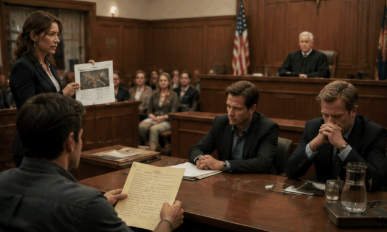
Kurz darauf verklagte Rick den Trust.
Er behauptete, Harold sei nach seinem Schlaganfall nicht mehr in der Lage gewesen, klare Entscheidungen zu treffen.
Er behauptete, ich hätte ihn beeinflusst.
Aber Susan hatte Beweise.
Harold hatte medizinische Gutachten.
Er hatte Aufzeichnungen.
Er hatte alles vorbereitet.
Vor Gericht kam die Wahrheit ans Licht.
Der Arzt bestätigte:
Harold war geistig vollkommen klar.
Er wusste genau, was er tat.
Dann spielte Susan die Aufnahme ab.
Die Stimme von Rick und Dennis erfüllte den Gerichtssaal.
„Dad erlebt wahrscheinlich kein weiteres Weihnachten.“
Niemand sagte ein Wort.
Danach präsentierte Susan die Dokumente.
Die Grundstückspläne.
Die Nachrichten.
Die Gespräche mit dem Entwickler.
Alles zeigte:
Rick und Dennis hatten bereits geplant, das Land zu verkaufen.
Noch bevor Harold überhaupt gestorben war.
Dann kam der Moment, den ich niemals vergessen werde.
Susan gab mir den Umschlag zurück, den Harold mir gegeben hatte.
Ich öffnete ihn vor Gericht.
Darin lag ein Brief.
Von Harold.
Ich begann vorzulesen.
„Meine Kinder.“
Der ganze Raum wurde still.
„Wenn ihr diesen Brief hört, bin ich nicht mehr da.“
„Ich habe euch alle geliebt.“
„Aber Liebe bedeutet nicht, dass man alles akzeptieren muss.“
Dann schrieb er über Rick und Dennis.
Über ihre Gier.
Über ihre Entscheidungen.
Und dann schrieb er über mich.
„Michael ist der einzige Mensch, der nie etwas von mir wollte.“
„Er kam nicht wegen meines Besitzes.“
„Er kam, weil er mich als Menschen gesehen hat.“
Meine Stimme brach kurz.
Aber ich las weiter.
Dann passierte etwas, womit ich nicht gerechnet hatte.
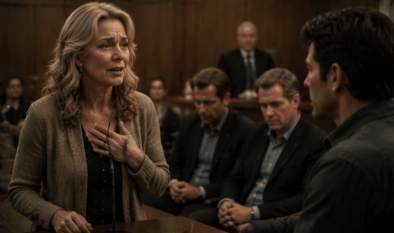
Linda stand auf.
Sie hatte Tränen in den Augen.
„Ich möchte etwas sagen.“
Der Richter erlaubte es.
Sie sah mich an.
„30 Jahre lang habe ich geglaubt, meine Brüder würden die Wahrheit sehen.“
Sie atmete tief ein.
„Aber ich habe nicht gesehen, was direkt vor mir war.“
„Michael hat meinen Vater nie benutzt.“
„Er war der Einzige, der geblieben ist.“
Der Richter entschied.
Der Trust blieb bestehen.
Rick verlor den Prozess.
Die Farm blieb geschützt.
Niemand konnte sie einfach verkaufen.
Aber Harold hatte keine Rache geplant.
Er wollte nicht, dass seine Kinder alles verlieren.
Er wollte nur, dass sie Verantwortung übernehmen.
Rick und Dennis bekamen weiterhin einen kleinen Anteil.
Aber keine Kontrolle über das Land.
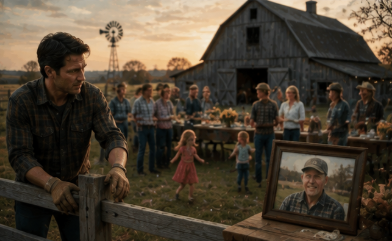
Monate später begann ich, die Farm wieder aufzubauen.
Ich wusste wenig über Landwirtschaft.
Also arbeitete ich mit einem Nachbarn zusammen.
Wir reparierten Zäune.
Renovierten die alte Scheune.
Pflegten die Felder.
Die Farm wurde wieder lebendig.
Nicht wegen des Geldes.
Wegen der Erinnerungen.
Eines Tages veranstalteten wir ein kleines Erntefest.
Nachbarn kamen.
Kinder liefen über die Felder.
Menschen lachten.
Die Farm war wieder voller Leben.
Genau so, wie Harold es geliebt hätte.
Linda kam ebenfalls.
Unsere Beziehung war nicht sofort wieder perfekt.
Aber langsam begannen wir zu reden.
Ehrlich zu reden.
Ohne Verstecken.
Ohne die Stimmen ihrer Brüder dazwischen.
Heute weiß ich:
Harold hat mir nicht einfach ein Stück Land hinterlassen.
Er hat mir etwas viel Wertvolleres gegeben.
Vertrauen.
Er hat mir gezeigt, dass Familie nicht durch Blut entsteht.
Sondern durch die Menschen, die bleiben, wenn sie nichts dafür bekommen.
Manchmal fragen mich Menschen, ob ich Rache wollte.
Nein.
Rache hätte Harold nicht zurückgebracht.
Rache hätte die Familie nicht geheilt.
Die Wahrheit war genug.
Denn am Ende verlieren Menschen nicht wegen anderer.
Sie verlieren wegen ihrer eigenen Entscheidungen.
Und Harold wusste das.
Er hat nicht dafür gesorgt, dass seine Familie bestraft wird.
Er hat dafür gesorgt, dass die Wahrheit endlich gesehen wird.