In a dramatic escalation of political tensions, Prime Minister Anthony Albanese faces mounting backlash as calls for a Royal Commission intensify. His recent push for new hate speech laws has ignited fury among victims’ families and the Jewish community, who accuse him of patronizing and ignoring their urgent demands for accountability and truth.
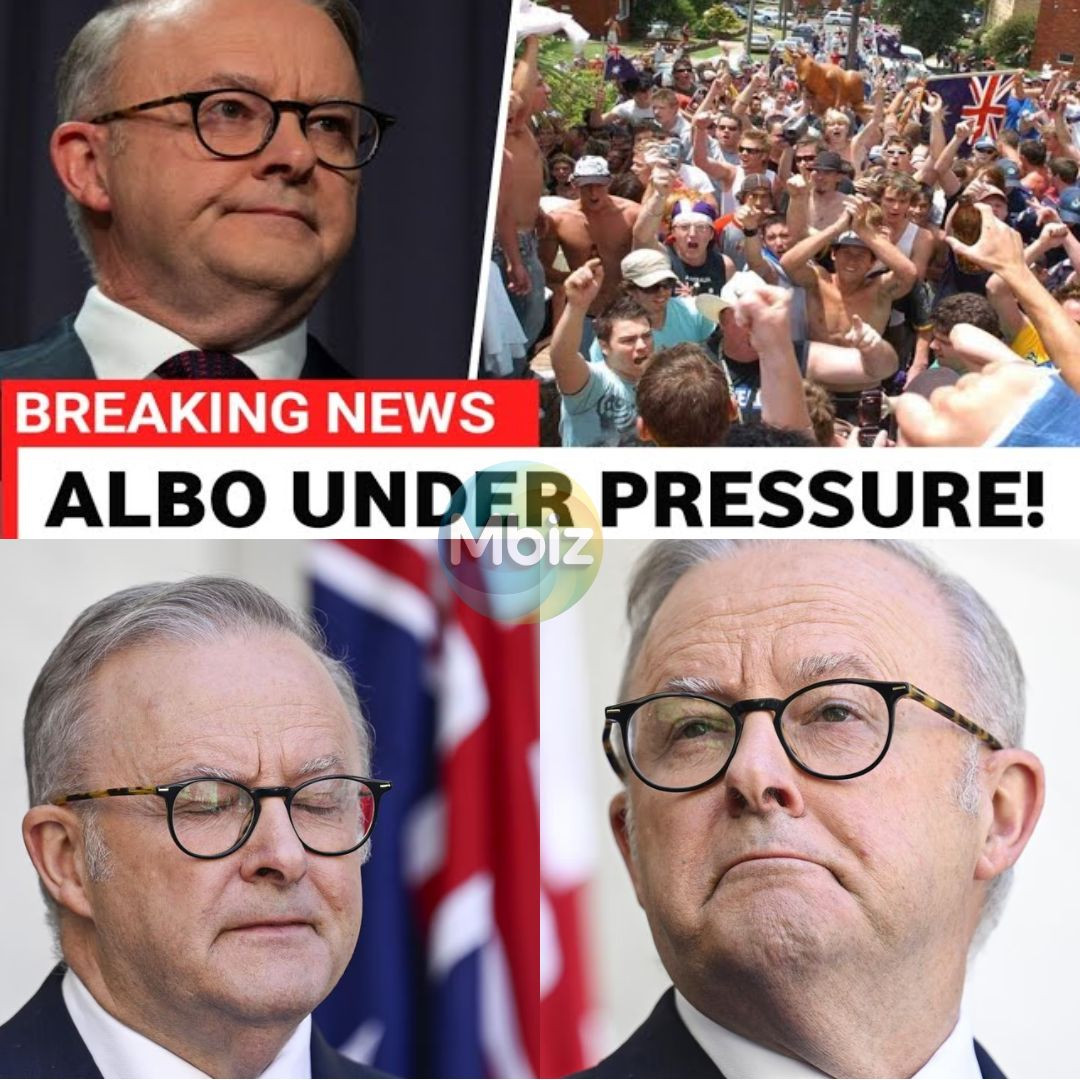 Albanese’s decision to recall Parliament for this legislation has not gone unnoticed. Critics argue that the Prime Minister is prioritizing political expediency over genuine concern for the victims of anti-Semitism and radical extremism. Voices across the nation are rising, calling for a comprehensive inquiry into the failures that led to recent tragedies.
During a contentious session, Albanese’s remarks were met with sharp criticism. Detractors claim he disrespected victims by asserting he knows what they can handle, effectively drowning out their pleas for justice. Community leaders insist that a Royal Commission is essential for understanding the systemic issues at play, yet the Prime Minister insists that experts advised against it—an assertion that has sparked further outrage.
 The legislation itself has come under fire for its vague language and lack of specificity regarding radical Islamic extremism. Critics highlight that in over 500 pages, there is no mention of the very ideologies fueling the violence, raising alarms about the government’s commitment to confronting real threats. Susan Le’s poignant remark, “If you can’t mention it, you can’t fix it,” resonates deeply with those demanding accountability.
Frustration is palpable among community leaders and lawmakers alike. Two Labor MPs have voiced their concerns, emphasizing that national issues require national solutions. They argue that the Prime Minister must listen to his own party members who are calling for a more rigorous examination of these pressing issues.
The rushed nature of the proposed laws raises significant concerns. Stakeholders typically have months to provide input on such critical legislation, but this time, the government appears intent on fast-tracking a solution that many fear will do more harm than good. Critics warn that this hurried approach risks creating confusion and fear among citizens regarding what constitutes hate speech.
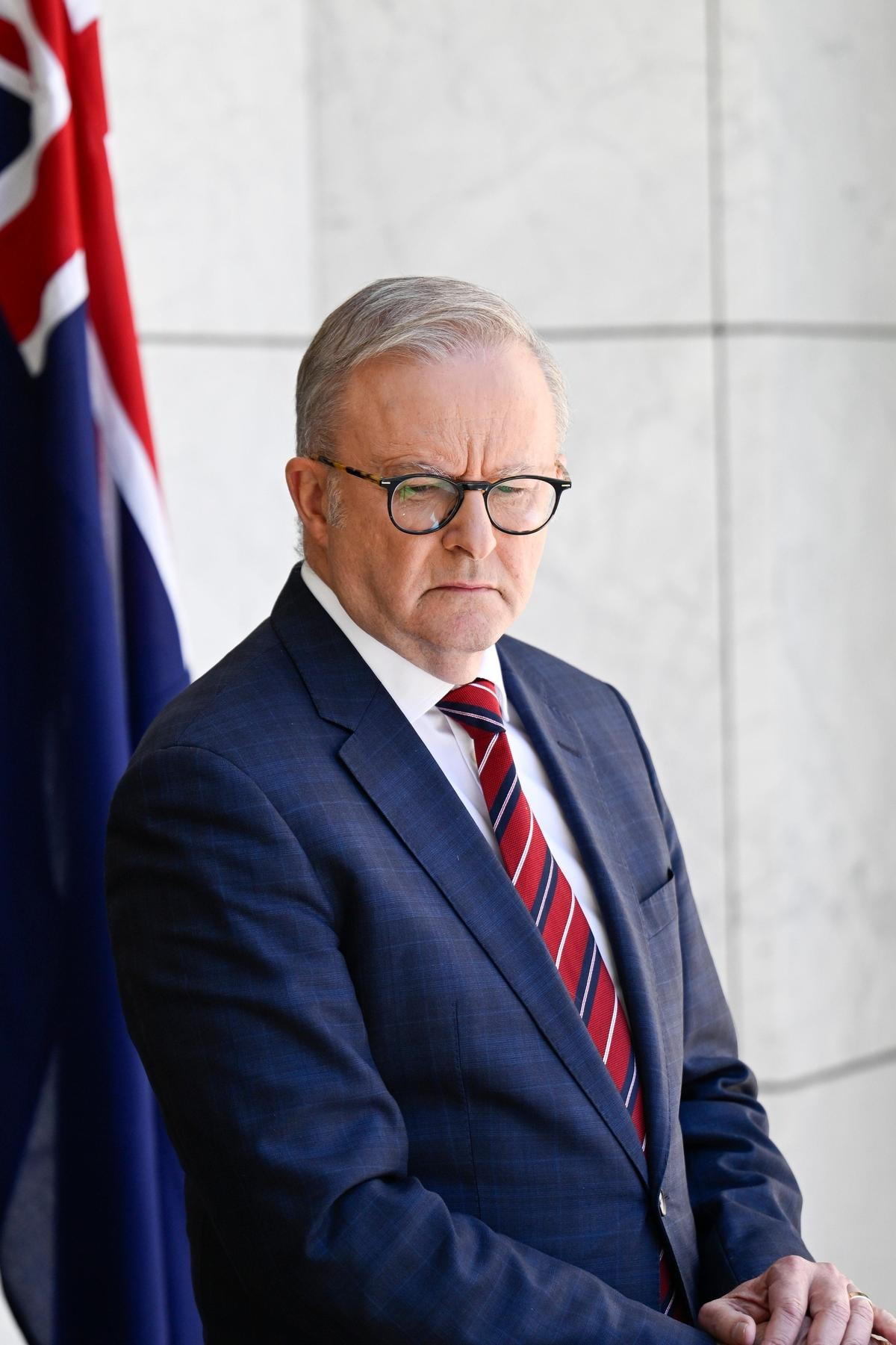 Moreover, the political maneuvering surrounding the legislation is drawing scrutiny. By bundling hate speech laws with gun reforms, the government seems to be employing a classic wedge strategy to divide opposition parties. This tactic could backfire, with state governments signaling they may not implement the proposed changes, leading to ineffective legislation.
As the nation grapples with rising anti-Semitism, the urgency for meaningful dialogue has never been greater. Many Australians are growing increasingly frustrated with what they perceive as a lack of genuine action from their government. Instead of addressing the root causes of hate, critics argue that the current approach merely offers the illusion of progress.
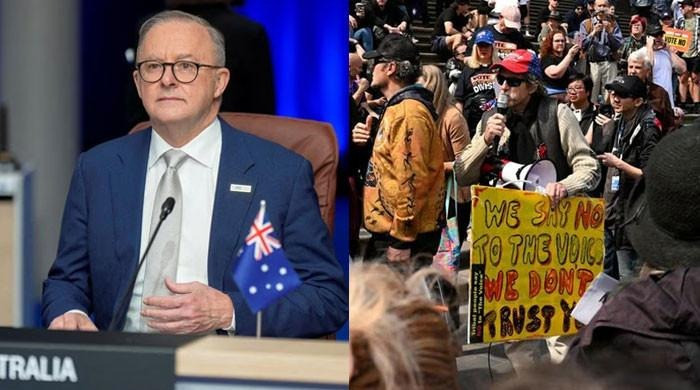 The sentiment among the public is clear: Australians are not fooled by political posturing. They demand honesty and transparency from their leaders, particularly regarding the threats facing their communities. The Prime Minister’s failure to confront these issues head-on is seen as a significant misstep, and the calls for accountability will only intensify.
As this situation unfolds, it remains to be seen how the government will respond to the mounting pressure. With the stakes so high, the need for a thoughtful, comprehensive approach to hate speech and extremism is more critical than ever. The nation is watching closely, and the voices of the victims will not be silenced.