Mąż zostawił mnie dla młodszej kochanki. Po porodzie lekarz zamarł — wtedy ujawniłam sekret, który ukrywałam przez lata
CZĘŚĆ 1: W noc naszej rocznicy zrozumiałam, że mężczyzna, którego ratowałam przez lata, właśnie próbował mnie wymazać
O drugiej w nocy ekran mojego telefonu był jedynym światłem w całej sypialni. Siedziałam na brzegu łóżka, owinięta kocem, i patrzyłam na zdjęcie, które właśnie przysłał mi Michał. Na ekranie widniała jego nowonarodzona córka. Dziecko przyszło na świat kilka godzin wcześniej. Córka jego i kobiety, dla której zostawił mnie po ośmiu latach małżeństwa. Powinnam była poczuć ukłucie bólu. Powinnam była poczuć zazdrość albo żal. Zamiast tego zaczęłam się śmiać. Najpierw cicho, potem coraz mocniej, aż łzy zaczęły spływać mi po twarzy. Bo zobaczyłam coś, czego Michał sam nigdy nie zauważył. Twarz tego dziecka była odpowiedzią na wszystkie jego kłamstwa. Była prawdą, przed którą nie dało się uciec ani za pomocą pieniędzy, ani operacji, ani pięknych słów.
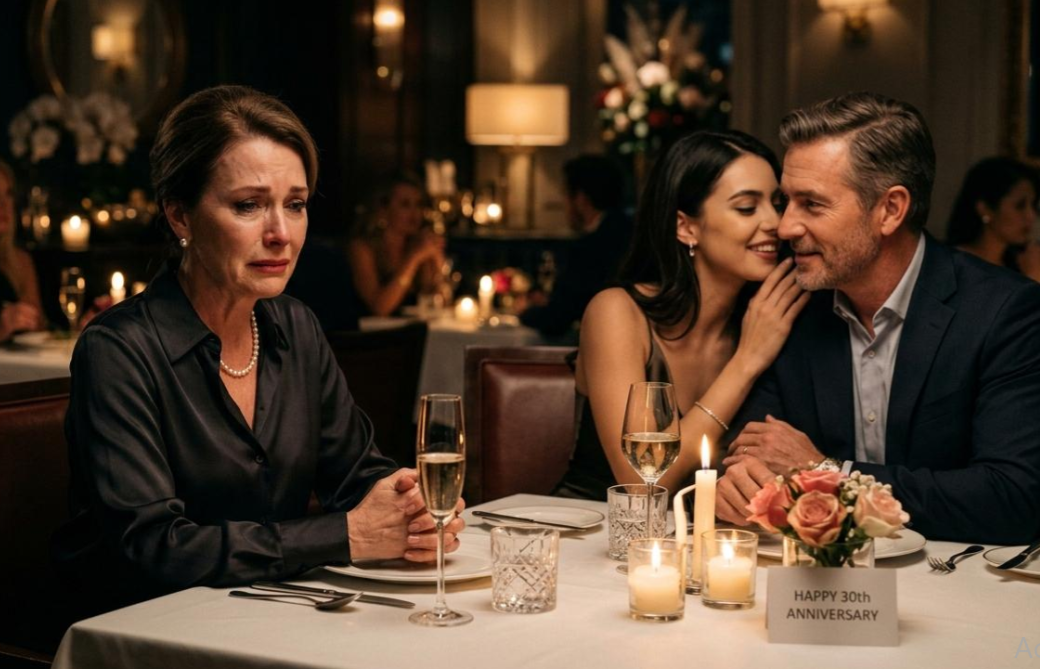
Ale zanim opowiem wam, dlaczego widok noworodka sprawił, że mój były mąż po raz pierwszy poczuł prawdziwy strach, muszę wrócić do dnia, kiedy jeszcze wierzyłam, że mam idealne życie. Rok wcześniej, dokładnie 12 czerwca, przygotowywałam naszą ósmą rocznicę ślubu. Od rana panował chłód, a wiatr znad Wisły uderzał w okna naszego domu na przedmieściach Warszawy. W środku było jednak ciepło. Cała kuchnia pachniała wanilią, czekoladą i świeżo pieczonym ciastem. Przez sześć godzin przygotowywałam wszystko z największą starannością. Nie robiłam tego dlatego, że musiałam. Robiłam to, bo przez lata właśnie tak okazywałam miłość. Michał zawsze mówił, że mój tort Red Velvet jest najlepszy na świecie. Twierdził, że sklepowe ciasta smakują jak suche trociny, a moje mają duszę. Dlatego tego dnia przygotowałam jego ulubiony trzypiętrowy tort, udekorowany kremem z serka śmietankowego i napisem „zawsze” wykonanym z gorzkiej czekolady.
Nakryłam stół najlepszą porcelaną, której prawie nigdy nie używaliśmy. Wypolerowałam sztućce tak dokładnie, że widziałam w nich własne odbicie. Patrzyłam wtedy na siebie i widziałam kobietę szczęśliwą. Kobietę z nadzieją w oczach, z odrobiną mąki na policzku i przekonaniem, że wszystko, co robię, ma sens. Michał był dyrektorem sprzedaży w luksusowej agencji nieruchomości. Zawsze był ambitny. Zawsze miał spotkania, klientów i kolejne cele do osiągnięcia. Nigdy nie narzekałam. Wmawiałam sobie, że jego sukces jest naszym sukcesem. Że pracuje tak ciężko dla naszej przyszłości. Dla domu. Dla dzieci, których jeszcze nie mieliśmy.
O 18:30 zapaliłam świece i usiadłam przy stole. Czekałam na dźwięk jego samochodu na podjeździe. Minęła 19. Potem 20. Lód w kieliszkach zdążył się roztopić. Świece wypaliły się do połowy, zostawiając smugi wosku na obrusie. Patrzyłam na telefon, sprawdzając go po raz kolejny, ale nie było żadnej wiadomości. Żadnego „przepraszam”. Żadnego „kocham cię”. Żadnego „spóźnię się, ale wynagrodzę ci to”. O 20:45 telefon w końcu zawibrował. Myślałam, że zobaczę jego imię i poczuję ulgę. Zobaczyłam wiadomość.
„Utknąłem z klientem. Wielki kryzys. Nie czekaj na mnie. Idź spać.”
Czytałam te słowa kilka razy. To było wszystko. Osiem lat małżeństwa. Ósma rocznica. Tort, który przygotowywałam przez pół dnia. I kilka zimnych słów napisanych bez emocji. Zdmuchnęłam świece, zapakowałam tort i schowałam go do lodówki. Potem zdjęłam sukienkę, którą kupiłam specjalnie na ten wieczór, założyłam starą piżamę i położyłam się w ciemności. Wtedy jeszcze nie wiedziałam, że to nie był zwykły zły wieczór. To był początek końca.
Następnego ranka Michała nadal nie było. Jego strona łóżka wyglądała dokładnie tak samo jak wieczorem. Przez pierwszą godzinę próbowałam się uspokoić. Tłumaczyłam sobie, że może coś się stało. Może miał wypadek. Może telefon mu się rozładował. Dopiero kiedy kolejny raz zadzwoniłam i usłyszałam pocztę głosową, poczułam prawdziwy strach. Wzięłam wolne w pracy i pojechałam do jego firmy. Droga przez Warszawę była koszmarem. Padał śnieg z deszczem, a moje dłonie drżały na kierownicy. Nie jechałam tam, żeby go oskarżyć. Jechałam, bo nadal byłam jego żoną. Nadal się martwiłam.
Kiedy weszłam do przeszklonego holu jego firmy, recepcjonistka Sara od razu zbladła na mój widok. Znała mnie. Wcześniej zawsze uśmiechała się i mówiła: „Dzień dobry, pani Walerio.” Tym razem przestała pisać i tylko patrzyła na mnie z dziwnym wyrazem twarzy. „Szukam Michała” – powiedziałam. „Nie wrócił na noc.” Dziewczyna spuściła wzrok. Przez kilka sekund panowała niezręczna cisza. W końcu powiedziała cicho: „Pani Walerio… Michała już tu nie ma.” Poczułam ścisk w żołądku. „Co pani ma na myśli?” „On złożył wypowiedzenie. Odszedł kilka dni temu.” Nadal nie rozumiałam. Michał kochał tę pracę. Miał dostać awans. Wszystko planował. Sara spojrzała na mnie ze współczuciem i powiedziała zdanie, które zmieniło moje życie: „Powiedział wszystkim, że zaczyna nowe życie we Wrocławiu ze swoją narzeczoną.”
Narzeczoną.
To słowo zabrzmiało jak obcy język.
„Przecież ja jestem jego żoną” – wyszeptałam.
Sara nic nie odpowiedziała.
Wtedy mój telefon zawibrował. Powiadomienie z banku. Otworzyłam aplikację i zobaczyłam coś, co sprawiło, że nogi ugięły się pode mną. Nasze wspólne konto oszczędnościowe było puste. Konto, na którym przez osiem lat odkładaliśmy pieniądze. Fundusz na przyszłość. Na dom. Na dziecko.
Saldo: zero.
Michał nie tylko odszedł.
On przygotował ucieczkę.
Kiedy wróciłam do domu, jego BMW stało na podjeździe. Wbiegłam do środka i znalazłam go w sypialni. Pakował walizki. Drogie garnitury, zegarki, ubrania. Nie wyglądał jak człowiek, który właśnie zniszczył osiem lat wspólnego życia. Wyglądał jak ktoś zirytowany, że ktoś przeszkadza mu w wyjeździe.
„Co ty robisz?” – zapytałam.
Odwrócił się i westchnął.
„Walerio, wiedziałem, że prędzej czy później będziemy musieli porozmawiać.”
„Porozmawiać? Zostawiłeś mnie. Zwolniłeś się z pracy. Zabrałeś pieniądze. I mówisz mi, że musimy porozmawiać?”
Michał nawet nie próbował przeprosić.
„Nie mogę tak dalej żyć.”
Te słowa bolały bardziej niż zdrada.
Bo oznaczały, że on nie widział żadnego problemu w tym, co zrobił.
Spojrzał na mnie i powiedział coś, czego nigdy nie zapomnę:
„Walerio, ja się rozwijam. A ty stoisz w miejscu.”
Spojrzałam na niego z niedowierzaniem.
„Stoję w miejscu? Przez osiem lat wspierałam cię, prowadziłam dom, pomagałam ci budować karierę.”
Zaśmiał się gorzko.
„I właśnie o tym mówię. Ty myślisz, że tort i obiad wystarczą.”
Wskazał na mnie z pogardą.
„Spójrz na siebie. Pachniesz mąką. Cały czas wyglądasz jak gospodyni domowa. Ja potrzebuję kobiety, która pasuje do mojego świata.”
Wtedy powiedział mi o niej.
Candis.
Młodsza. Bogata. Idealna.
„Ona jest wszystkim, czym ty nie jesteś” – powiedział.
Nie wiedział jeszcze, że największy sekret w tej historii nie dotyczył mnie.
Dotyczył właśnie jej.
A kiedy prawda miała wyjść na jaw, Michał miał zrozumieć, że przez całe życie uciekał nie przed mną.
Uciekał przed samym sobą.
CZĘŚĆ 2: Kobieta, dla której mnie zostawił, skrywała sekret większy niż jego zdrada
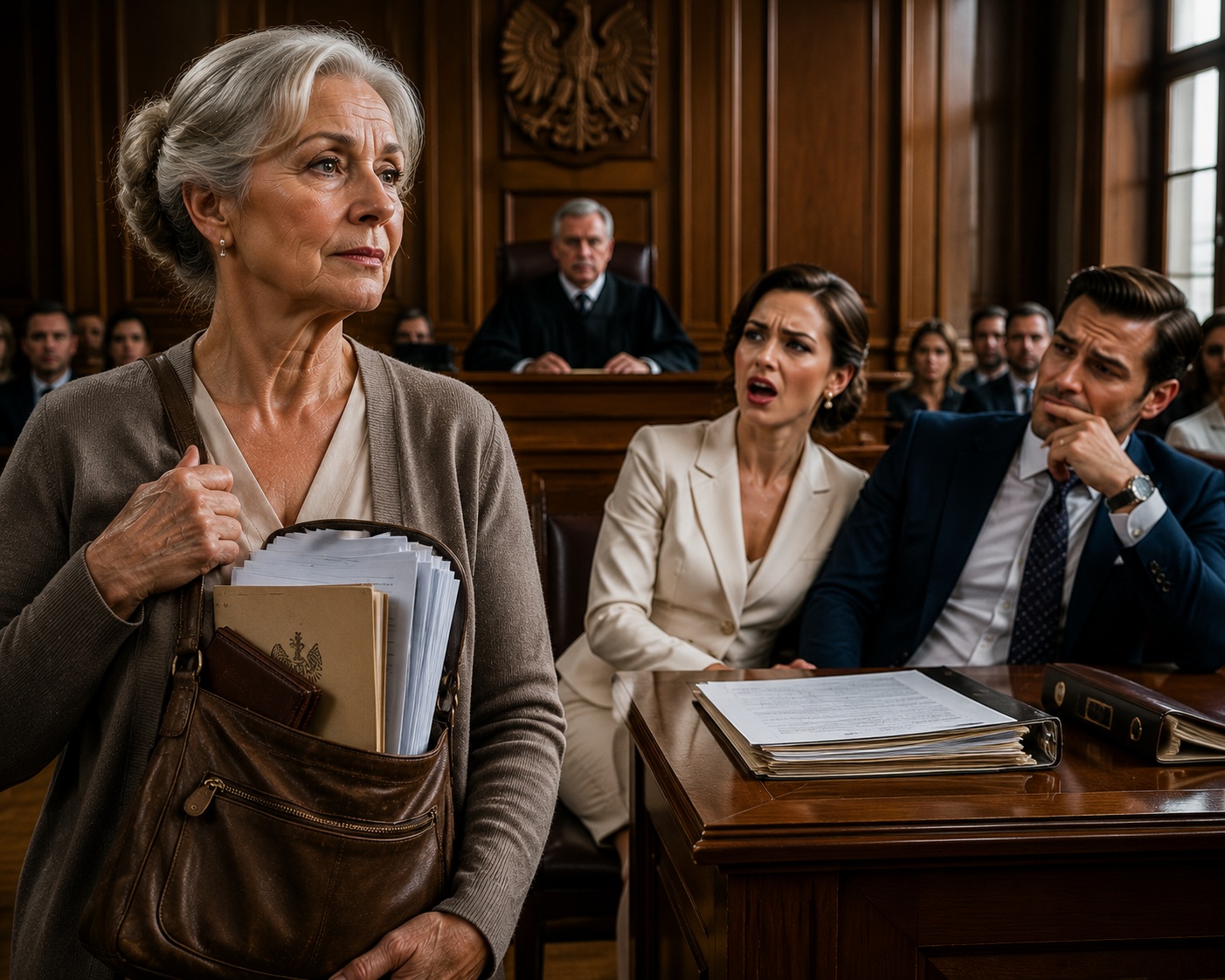
Kiedy Michał wyszedł z domu, przez długi czas nie byłam w stanie się ruszyć. Stałam w sypialni, patrząc na drzwi, które zatrzasnęły się za człowiekiem, z którym spędziłam osiem lat życia. W ręku nadal trzymałam kopertę z dokumentami rozwodowymi. To było dziwne uczucie, bo jeszcze kilka godzin wcześniej martwiłam się, czy coś mu się stało, czy bezpiecznie wróci do domu. A teraz wiedziałam, że człowiek, o którego się bałam, od miesięcy planował moje zniszczenie. Najbardziej bolała mnie nie sama zdrada. Ludzie czasami przestają się kochać. Najbardziej bolało mnie to, że Michał przez trzy miesiące potrafił codziennie wracać do domu, patrzeć mi w oczy, jeść obiady, które przygotowywałam, spać obok mnie i jednocześnie prowadzić podwójne życie. Kiedy ja planowałam naszą rocznicę, on planował, jak się mnie pozbyć.
Dopiero kiedy emocje trochę opadły, zaczęłam działać. Nie mogłam pozwolić, żeby rozpacz przejęła kontrolę. Wiedziałam, że Michał liczył właśnie na to. Chciał, żebym się załamała. Chciał, żebym podpisała wszystko bez czytania. Żebym uwierzyła, że jestem bezradna, bo on ma pieniądze, kontakty i nową kobietę u boku. Ale znałam go zbyt dobrze. Wiedziałam, że jego największą słabością zawsze była pewność siebie granicząca z pychą. Ludzie tacy jak on często przegrywają nie dlatego, że są słabi. Przegrywają dlatego, że są przekonani, że są nieomylni.
Usiadłam przy biurku w jego dawnym gabinecie i zaczęłam sprawdzać wszystko, co zostawił. Michał był zbyt zajęty pakowaniem drogich garniturów i zegarków, żeby dokładnie posprzątać. Wierzył, że skoro odchodzi jako zwycięzca, nie musi już niczego ukrywać. W szufladzie znalazłam rachunki, których wcześniej nigdy nie widziałam. Hotel w Warszawie. Luksusowy apartament dla dwóch osób. Weekend, kiedy powiedział mi, że ma obowiązkowe szkolenie. Później rachunek za prywatne spa. A potem coś, co sprawiło, że przez kilka minut tylko patrzyłam na papier. Drogą bransoletkę z diamentami. Kwota była dokładnie taka sama, jak pieniądze, które odkładaliśmy na naprawę dachu i wymianę pieca. Pamiętam, jak kilka tygodni wcześniej powiedział mi, że musimy zacisnąć pasa. Że teraz nie możemy sobie pozwolić na zbędne wydatki. Tego samego dnia kupił innej kobiecie prezent wart fortunę.
Wtedy zrozumiałam, że to nie była tylko zdrada emocjonalna. Michał okradał nasze wspólne życie kawałek po kawałku, a ja nawet tego nie zauważałam. Oszczędzałam na wszystkim. Kupowałam tańsze produkty. Rezygnowałam z rzeczy, które sprawiały mi przyjemność. Myślałam, że robimy to razem, że budujemy przyszłość. W rzeczywistości ja budowałam, a on przygotowywał sobie wyjście. Najbardziej absurdalne było to, że kobieta, dla której mnie zostawił, prawdopodobnie nawet nie wiedziała, ile kosztowało stworzenie tego „idealnego Michała”, którego teraz podziwiała.
Następne dni były najtrudniejsze w moim życiu. Musiałam spakować osiem lat wspomnień do kartonów. Każda rzecz miała swoją historię. Filiżanki, które kupiliśmy podczas pierwszego wspólnego wyjazdu. Zdjęcia z wakacji. Książki, które czytaliśmy razem. Nawet zwykły koc z kanapy przypominał mi wieczory, kiedy jeszcze wierzyłam, że jesteśmy szczęśliwi. Ale najbardziej bolało mnie pudełko, które znalazłam na dnie szafy. Były tam stare zdjęcia ze studiów. Zdjęcia Michała sprzed lat.
Usiadłam na podłodze i zaczęłam je oglądać.
I wtedy przypomniałam sobie prawdę, o której on sam chciał zapomnieć.
Na jednym ze zdjęć stał obok mnie młody Michał. Miał dwadzieścia kilka lat. Był zupełnie innym człowiekiem niż ten, który właśnie wyszedł z domu w drogim płaszczu. Miał duży, krzywy nos. Cofniętą brodę. Blizny po trądziku. Unikał zdjęć. Unikał ludzi. W liceum i na studiach niektórzy byli dla niego okrutni. Pamiętam, jak kiedyś powiedział mi, że ludzie patrzą na niego i widzą tylko wygląd, a nie człowieka.
To właśnie wtedy pokochałam go najbardziej.
Bo widziałam coś, czego on sam nie potrafił zobaczyć.
Widziałam dobro.
Widziałam inteligencję.
Widziałam człowieka, który potrzebował tylko uwierzyć w siebie.
Pamiętam noc, kiedy siedział u mnie w pokoju akademickim i płakał. Powiedział wtedy: „Walerio, nikt nigdy nie pokocha kogoś takiego jak ja.” Te słowa złamały mi serce. W tamtym czasie pracowałam na kilku etatach. Rano byłam baristką, później dawałam korepetycje, a wieczorami pracowałam w bibliotece. Oszczędzałam pieniądze na własne marzenie – szkołę cukierniczą w Paryżu. Miałam odłożone pieniądze, które miały zmienić moje życie.
I oddałam je jemu.
Nie dlatego, że mnie poprosił.
Dlatego, że go kochałam.
Powiedziałam mu wtedy: „Zrób to dla siebie. Chcę, żebyś zobaczył w lustrze człowieka, którego ja widzę.”
Zapłaciłam za jego operację nosa. Za zabieg szczęki. Za leczenie zębów. Za poprawę blizn. Byłam przy nim po operacjach. Zmieniałam opatrunki. Gotowałam jedzenie, kiedy nie mógł normalnie jeść. Trzymałam go za rękę, kiedy bał się spojrzeć w lustro. Pamiętam dzień, kiedy pierwszy raz zobaczył efekt. Płakał. Powiedział, że pierwszy raz w życiu czuje się normalnie.
Wtedy myślałam, że pomogłam człowiekowi odzyskać pewność siebie.
Nie wiedziałam, że pomogłam stworzyć człowieka, który kiedyś spojrzy na mnie z pogardą i powie, że jestem „przeciętna”.
Zamknęłam album i pierwszy raz od wielu dni poczułam coś innego niż ból.
Poczułam gniew.
Ale był to spokojny gniew.
Nie taki, który niszczy.
Taki, który daje siłę.
Nie zamierzałam walczyć z Michałem krzykiem. Nie zamierzałam błagać go o powrót. Wiedziałam już, że człowiek, który odrzuca kogoś po tym, jak został przez tę osobę zbudowany, nigdy nie zasługiwał na moje poświęcenie.
Musiałam zacząć od nowa.
Miałam niewiele pieniędzy. Nie miałam domu, który uważałam za swój. Nie miałam już męża. Ale nadal miałam coś, czego Michał nigdy nie mógł mi odebrać.
Umiejętności.
Pasję.
I własne ręce.
Przeprowadziłam się do małej kawalerki na obrzeżach miasta. Było skromnie. Jedno małe okno wychodzące na ścianę budynku. Stare rury, które hałasowały nocą. Kuchnia tak mała, że ledwo mieścił się w niej mój mikser. Gdyby Michał zobaczył to miejsce, prawdopodobnie wyśmiałby je.
Ale pierwszy raz od dawna było moje.
Wyjęłam mój stary sprzęt cukierniczy i zaczęłam piec.
Nie dla niego.
Nie po to, żeby udowodnić mu swoją wartość.
Dla siebie.
Pierwsze były cynamonki. Potem chleby na zakwasie. Potem ciasta, które zaczęły kupować sąsiadki. Starsza kobieta mieszkająca piętro niżej zapukała kiedyś do drzwi i powiedziała: „Dziewczyno, co ty pieczesz? Cała klatka pachnie jak najlepsza piekarnia w mieście.”
To był pierwszy raz od dawna, kiedy ktoś spojrzał na mnie i nie oceniał mnie przez pryzmat Michała.
Po prostu zobaczył mnie.
Kilka tygodni później spotkałam Magdę, moją dawną przyjaciółkę z liceum. To ona jako pierwsza powiedziała mi coś, co zmieniło moje myślenie.
„Waleria, twój mąż nie zostawił cię dlatego, że byłaś za mało dobra. On odszedł, bo zapomniał, kto pomógł mu stać się tym człowiekiem, za którego się teraz uważa.”
Te słowa zostały ze mną.
Ale wtedy jeszcze nie wiedziałam, że Magda przyniesie mi informację, która połączy wszystkie elementy tej historii.
Informację o kobiecie, dla której Michał mnie zostawił.
O Candis.
I o sekrecie, który sprawi, że jego „idealne życie” zacznie się rozpadać szybciej, niż kiedykolwiek mógł przewidzieć.
CZĘŚĆ 3: Po porodzie lekarz zamarł, ale prawdziwy szok dopiero miał nadejść
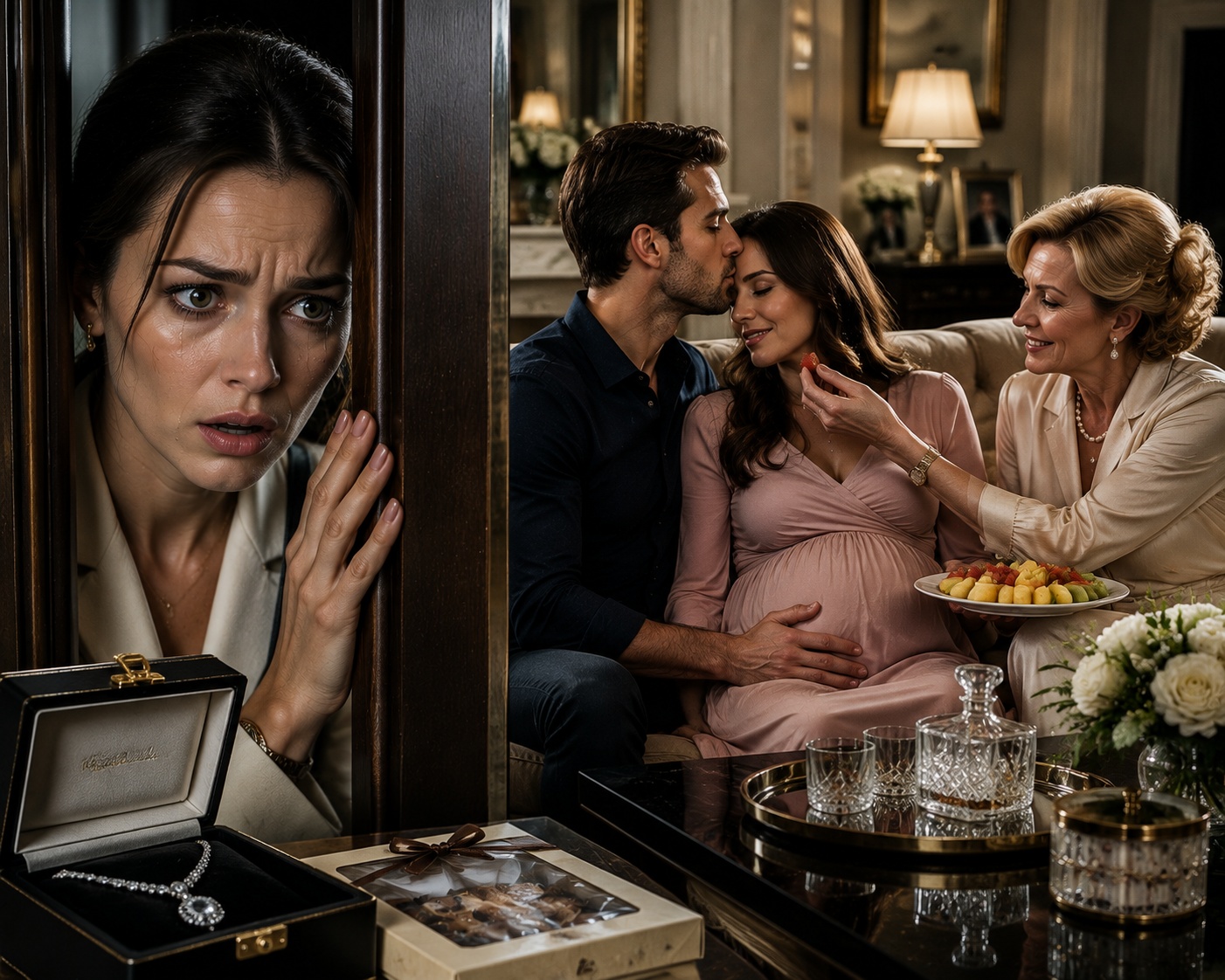
Nigdy nie zapomnę tego telefonu od Michała. Nie dlatego, że usłyszałam wtedy coś, czego się nie spodziewałam. W pewnym sensie od miesięcy wiedziałam, że jego idealny świat jest zbudowany na kłamstwie. Ale nigdy nie przypuszczałam, że człowiek, który zostawił mnie dla młodszej i rzekomo perfekcyjnej kobiety, zadzwoni do mnie w środku nocy, przerażony własnym dzieckiem. Kiedy zobaczyłam jego imię na ekranie telefonu, przez kilka sekund tylko patrzyłam. Przez ostatnie miesiące kontaktował się ze mną wyłącznie przez prawników. Nie zapytał, jak sobie radzę. Nie przeprosił za to, jak mnie potraktował. Nie interesowało go, czy po utracie domu i pieniędzy potrafię stanąć na nogi. A teraz nagle potrzebował właśnie mnie.
Odebrałam dopiero za trzecim razem. Po drugiej stronie przez chwilę panowała cisza. Słyszałam jego nierówny oddech i hałas samochodów gdzieś w tle. Michał zawsze był człowiekiem, który kontrolował sytuację. Nawet kiedy odchodził, robił to z podniesioną głową, pewny siebie, przekonany, że zaczyna nowe, lepsze życie. Ale głos, który usłyszałam tamtej nocy, należał do zupełnie innego człowieka. „Walerio…” – powiedział cicho. „Ona się urodziła.” Nie musiałam pytać, o kim mówi. Wiedziałam, że chodzi o córkę jego i Candis. „Gratuluję” – odpowiedziałam spokojnie. Przez kilka sekund milczał, a potem powiedział zdanie, którego się nie spodziewałam: „Lekarz zamarł, kiedy ją zobaczył.”
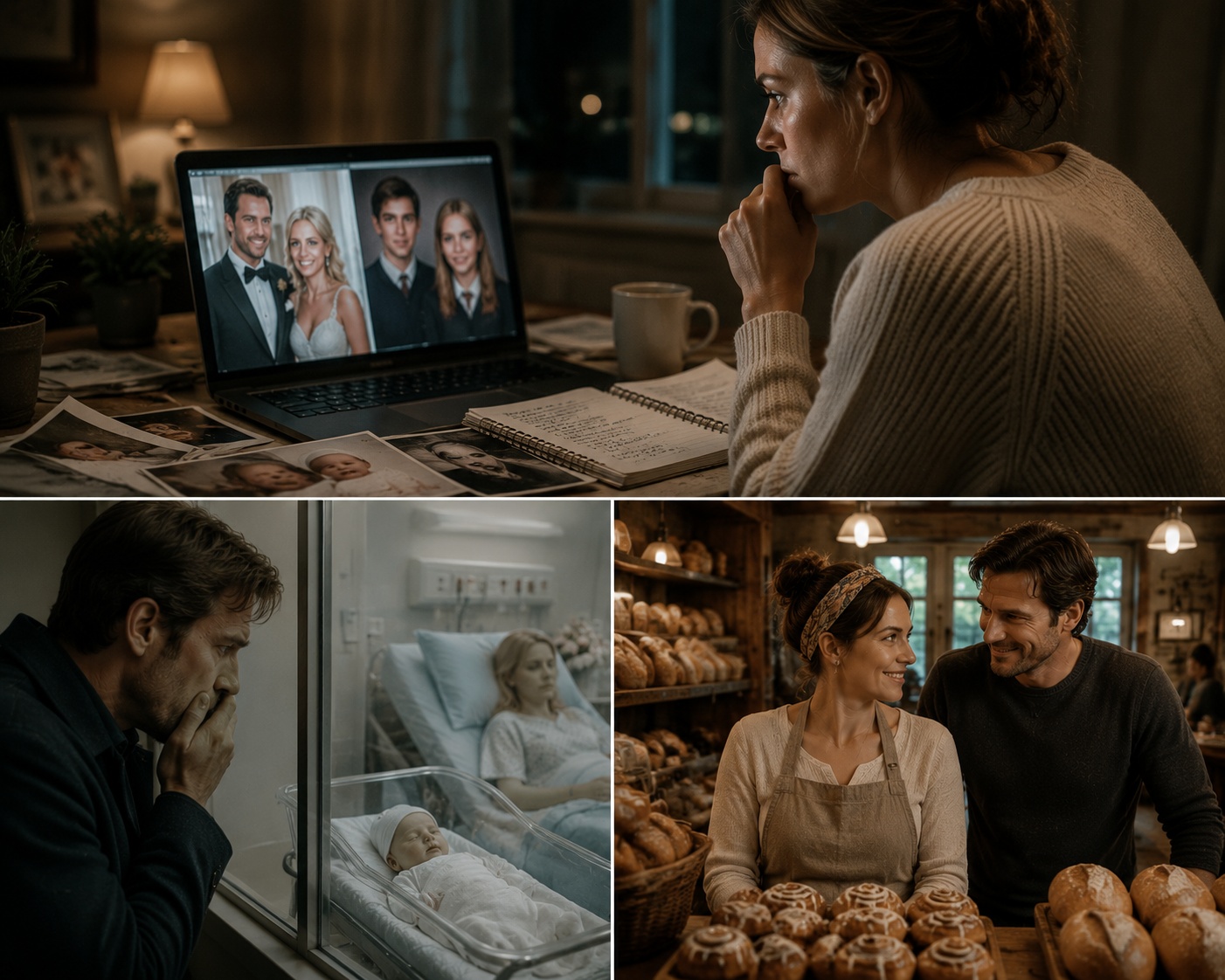
Poczułam niepokój. Pomimo całej krzywdy, jaką Michał mi wyrządził, nie życzyłam źle żadnemu dziecku. „Co z nią?” – zapytałam od razu. „Jest zdrowa” – odpowiedział szybko. „Wszystkie badania są dobre. Dziesięć palców u rąk, dziesięć u nóg, wszystko działa prawidłowo. Ale… jej twarz.” Zamilkł. Już wtedy wiedziałam, że problemem nie jest zdrowie dziecka. Problemem było coś innego. „Michał, powiedz wprost.” Wziął głęboki oddech. „Ona wygląda jak ja.” Te słowa zawisły między nami.
Przez chwilę nic nie mówiłam. Bo wiedziałam dokładnie, co miał na myśli. Nie mówił o Michale, którego znałam przez ostatnie lata. Nie mówił o mężczyźnie z idealnym uśmiechem, drogim garniturem i perfekcyjnie ułożonymi włosami. Mówił o chłopaku ze starych zdjęć. O chłopaku, którego poznałam na studiach. O chłopaku, który miał duży nos, cofniętą brodę, blizny po trądziku i który bał się spojrzeć w lustro. „To niemożliwe” – powiedział nagle. „Candis nie wygląda tak. Ja nie wyglądam tak.” I wtedy po raz pierwszy zrozumiałam, jak głęboko Michał odciął się od własnej przeszłości. On naprawdę przestał pamiętać człowieka, którym kiedyś był.
„Może po prostu dziecko odziedziczyło jakieś cechy po rodzinie” – powiedziałam ostrożnie. Ale on nie chciał tego słyszeć. „Nie. Walerio, ty nie rozumiesz. Candis jest idealna. Ja jestem idealny. My mieliśmy stworzyć coś wyjątkowego.” Zatrzymałam się wtedy i zamknęłam oczy. Nawet teraz, patrząc na własne dziecko, nie widział w nim człowieka. Widział zagrożenie dla swojego wizerunku. „Zrobię test DNA” – powiedział. „Muszę wiedzieć, czy to naprawdę moje dziecko.” Nie próbowałam go zatrzymywać. Wiedziałam, że wynik tego testu będzie początkiem końca jego iluzji.
Kilka dni później zadzwonił ponownie. Tym razem nie było w jego głosie gniewu. Była pustka. „Jestem jej ojcem” – powiedział. Nie zapytałam nawet, co to znaczy. Wiedziałam. „Czyli Candis cię nie zdradziła.” „Nie.” Długo milczał. „Ale ja tego nie rozumiem.” Wtedy po raz pierwszy poczułam coś dziwnego. Nie satysfakcję. Nie radość z jego problemów. Raczej smutek. Bo człowiek, który przez lata uważał wygląd za najważniejszą rzecz na świecie, nagle został zmuszony zobaczyć prawdę, której nie mógł kupić ani zmienić.
„Michał, czy pamiętasz, jak wyglądałeś przed operacjami?” – zapytałam.
Po drugiej stronie zapadła cisza.
„O czym ty mówisz?”
„Pamiętasz swoje stare zdjęcia?”
„Walerio…”
Jego głos stał się nerwowy.
„Dlaczego pytasz?”
Bo właśnie wtedy wiedziałam, że nadszedł moment, którego czekałam od dawna. Nie po to, żeby go zniszczyć. Po prostu dlatego, że prawda w końcu musiała zostać wypowiedziana. „Bo twoja córka nie pokazuje ci czegoś, czego nie znasz. Ona pokazuje ci część ciebie, którą próbowałeś wymazać.” Zamilkł. A ja kontynuowałam. „Pamiętasz chłopaka, którego poznałam? Tego, który uważał, że nigdy nie będzie wystarczająco dobry?” Nie odpowiadał. „Ja go pamiętam. Pamiętam człowieka, który bał się świata, ale miał dobre serce. Pamiętam człowieka, za którego zapłaciłam własnymi oszczędnościami, bo wierzyłam, że potrzebuje tylko trochę wiary w siebie.”
Po raz pierwszy od miesięcy usłyszałam w jego głosie coś przypominającego wstyd.
„Nie musiałaś mi tego przypominać.”
„Musiałam.”
Nie krzyczałam.
Nie chciałam go zranić.
Chciałam tylko, żeby zrozumiał.
„Bo kiedy mnie zostawiłeś, powiedziałeś, że jestem przeciętna. Że nie pasuję do twojego świata. Ale zapomniałeś, że kiedyś ty też czułeś się przeciętny. I była jedna osoba, która wtedy nie patrzyła na twoją twarz.”
Michał długo milczał.
„Ty.”
„Tak.”
Po chwili powiedział coś, czego nigdy wcześniej od niego nie usłyszałam.
„Chyba zapomniałem, kim byłem.”
To było chyba najbardziej szczere zdanie, jakie kiedykolwiek wypowiedział.
Ale szczerość nie zawsze naprawia szkody.
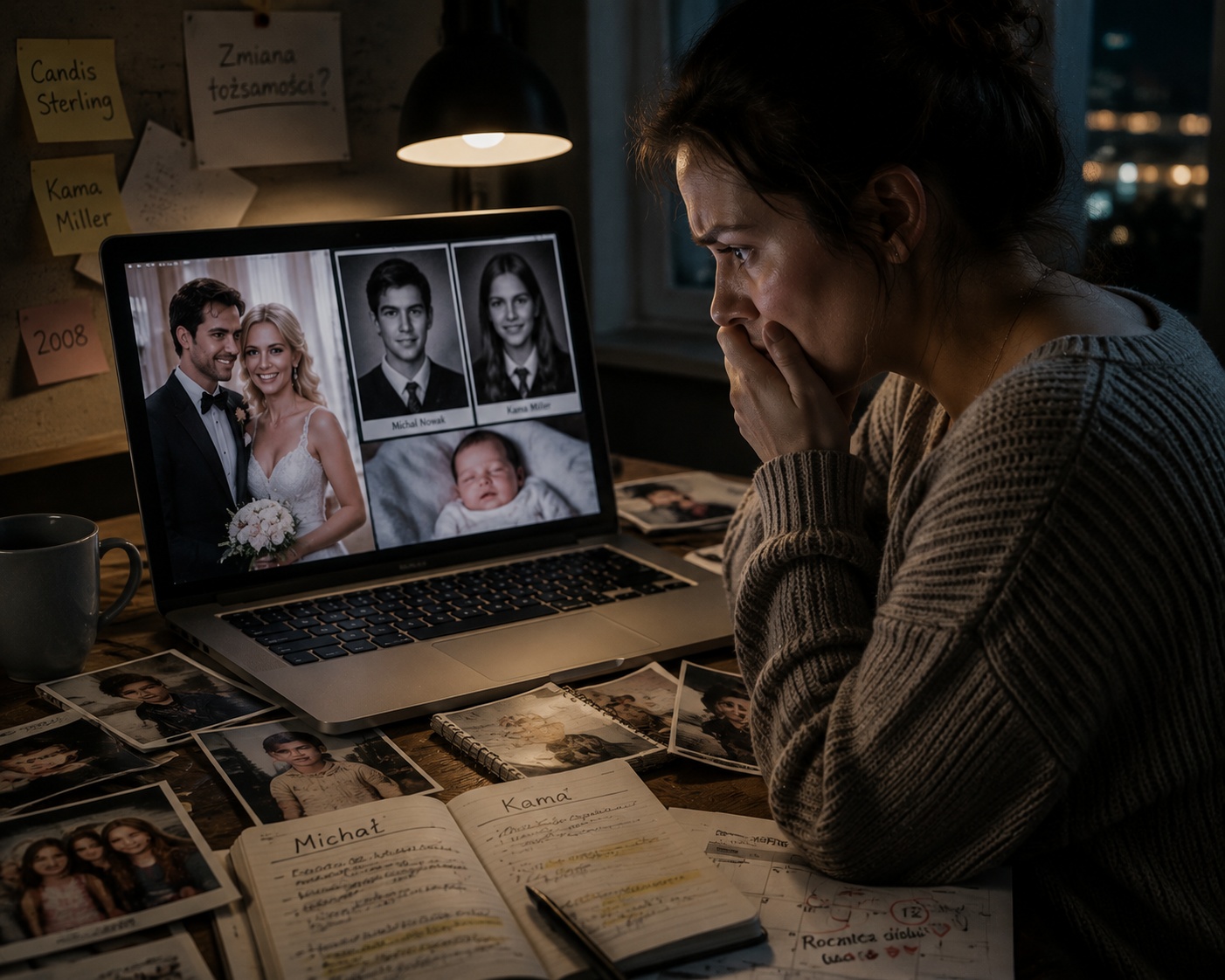
Kilka dni później dowiedziałam się, kim naprawdę była Candis. Sama zaczęłam szukać informacji, bo coś w całej historii nie dawało mi spokoju. Jej nazwisko, jej nagły sukces, jej przemiana. Wszystko wyglądało zbyt idealnie. I wtedy znalazłam zdjęcia sprzed lat. Zdjęcia Kamy Miller z liceum.
Pamiętałam ją.
Dziewczynę, która zawsze siedziała kilka rzędów dalej. Dziewczynę, która była złośliwa, bo sama nienawidziła siebie. Dziewczynę, która marzyła, żeby pewnego dnia nikt jej nie rozpoznał.
I właśnie to zrobiła.
Zmieniła nos.
Zmieniła brodę.
Zmieniła nazwisko.
Zmieniła całą historię.
Kiedy pokazałam Michałowi zdjęcia, długo patrzył na ekran telefonu.
„To ona?”
„Tak.”
„Candis?”
„Nie. Kama.”
Siedział nieruchomo.
Bo nagle zrozumiał coś, czego nie chciał przyjąć.
Nie zostawił mnie dla kobiety idealnej.
Zostawił mnie dla kobiety, która tak samo jak on uciekła od własnej prawdy.
Oboje stworzyli nowe wersje siebie i zakochali się w tych maskach.
A ich córka była jedyną osobą w tej historii, która nie kłamała.
Kilka miesięcy później życie Michała całkowicie się zmieniło. Jego małżeństwo z Candis rozpadło się szybciej, niż powstało. Ich wojna trwała tygodniami. Kłócili się o pieniądze, reputację i odpowiedzialność. Ale najbardziej bolało mnie to, że mała Bella stała się dla nich symbolem wszystkiego, czego się wstydzili.
Pewnego dnia Michał zadzwonił do mnie jeszcze raz.
„Walerio…”
„Tak?”
„Dzisiaj pierwszy raz wziąłem ją na ręce.”
Milczałam.
„I wiesz co?”
„Co?”
„Ona nie jest brzydka.”
Przymknęłam oczy.
„Nigdy nie była.”
„Wiem.”
To jedno słowo znaczyło więcej niż wszystkie jego przeprosiny.
Bo pierwszy raz zobaczył dziecko.
Nie problem.
Nie wadę.
Nie zagrożenie dla swojego ego.
Po prostu dziecko.
Moje życie tymczasem poszło dalej. Rustykalny Okruszek rozwijał się coraz bardziej. Radek był obok mnie każdego dnia. Nie obiecywał mi perfekcyjnego życia. Obiecywał coś znacznie cenniejszego.
Prawdę.
Kiedy później dowiedziałam się, że jestem w ciąży, lekarz zapytał mnie podczas badania, czy chcę wiedzieć, do kogo dziecko będzie podobne.
Uśmiechnęłam się.
„Nie ma znaczenia.”
Bo po wszystkim, co przeżyłam, wiedziałam już jedno.
Największym błędem Michała nie było to, że zmienił twarz.
Największym błędem było to, że uwierzył, iż twarz jest wszystkim.
Można zmienić nazwisko.
Można zmienić wygląd.
Można kupić luksusowe ubrania i stworzyć piękną historię.
Ale nie da się uciec przed prawdą.
Bo prawda zawsze wraca.
Czasami w dokumentach rozwodowych.
Czasami w starym zdjęciu.
A czasami…
w twarzy własnego dziecka.