Szpitalny korytarz pachniał środkami dezynfekującymi i ciszą, która zawsze pojawia się tam, gdzie ktoś właśnie stracił najważniejszą osobę w swoim życiu. Szłam powoli, jeszcze kilka minut wcześniej trzymałam zimną dłoń mojego męża i patrzyłam, jak odchodzi. Byłam pewna, że najgorszym bólem, jaki może spotkać człowieka, jest pożegnanie ukochanej osoby. Nie wiedziałam jeszcze, że kilka kroków dalej usłyszę słowa, które sprawią, że moja żałoba zamieni się w zdradę, gniew i walkę o własną prawdę.
Przez dwanaście lat wierzyłam, że mam idealne małżeństwo. Piotr był człowiekiem, któremu ufałam bezgranicznie. Poznaliśmy się na studiach — ja zajęta książkami i literaturą, on ambitny student prawa, który zawsze miał plan na przyszłość. Byliśmy różni, ale właśnie to nas do siebie przyciągało. On uczył mnie praktycznego spojrzenia na świat, ja pokazywałam mu piękno ukryte w słowach. Po studiach pobraliśmy się i zaczęliśmy wspólne życie w Warszawie. Kupiliśmy mieszkanie, urządzaliśmy je powoli i wierzyliśmy, że przed nami jeszcze wiele szczęśliwych lat.
Jedynym niespełnionym marzeniem było dziecko. Przez lata próbowaliśmy. Były badania, lekarze, nadzieja i rozczarowania. Kiedy kolejny test był negatywny, Piotr przytulał mnie i mówił: „Kasiu, mamy siebie. To wystarczy”. Wierzyłam mu. Był moją ostoją. Człowiekiem, który wspierał mnie w trudnych chwilach. Dlatego kiedy trzy miesiące przed śmiercią zachorował, cały mój świat skupił się na walce o jego życie.
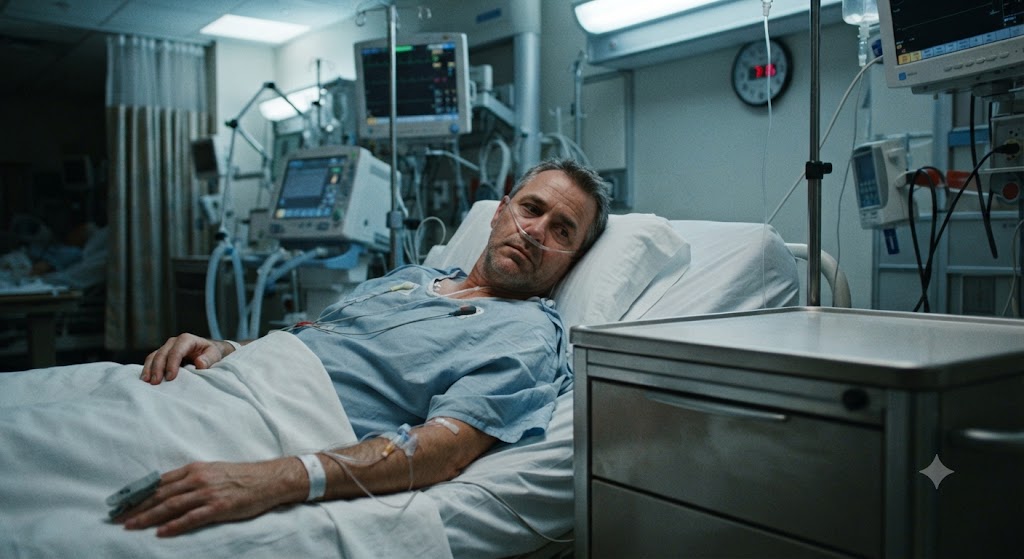
Diagnoza była bezlitosna. Zaawansowany nowotwór trzustki. Lekarze dawali niewielkie szanse, ale ja nie chciałam tego przyjąć. Spędzałam całe dnie w szpitalu. Czytałam mu książki, trzymałam za rękę, przypominałam nasze wspólne chwile. Patrzyłam, jak człowiek, którego kochałam, powoli odchodzi. Byłam przy nim do samego końca.
Po jego śmierci wyszłam z sali numer 307 i oparłam się o ścianę korytarza. Nie miałam siły płakać. Wtedy usłyszałam rozmowę pielęgniarek.
„Biedna kobieta. Siedziała przy nim dzień i noc, a on…”.
Zamarłam.
„Cicho, jeszcze ją usłyszy” — odpowiedziała druga kobieta.
Ale było już za późno.
Usłyszałam imię.
Agata.
Koleżanka Piotra z kancelarii. Kobieta, którą znałam. Wysoka blondynka, zawsze elegancka, zawsze pewna siebie. Piotr przedstawiał ją jako znajomą z pracy. Mówił, że to tylko dobra koleżanka.
„Przecież ta Agata była tutaj codziennie” — mówiła pielęgniarka. „Trzymała go za rękę, przynosiła mu jedzenie. Widziałam, jak na siebie patrzyli”.
Poczułam, jak świat zatrzymuje się po raz drugi tego dnia.
Mój mąż umierał, a ja wierzyłam, że walczy o życie. Tymczasem ktoś inny był przy nim w sposób, o którym nie miałam pojęcia.
Wróciłam do domu jak w transie. Wszystko wyglądało tak samo. Jego kubek na kuchennym blacie. Jego książka przy łóżku. Jego ubrania w szafie. Jeszcze kilka godzin wcześniej były symbolem naszej miłości. Teraz wydawały się dowodami kłamstwa.
Nie chciałam wierzyć. Szukałam usprawiedliwienia. Może pielęgniarki się pomyliły. Może źle zrozumiałam. Ale gdzieś głęboko wiedziałam, że muszę poznać prawdę.
Otworzyłam laptop Piotra.
Był prawnikiem, więc wiedział, jak ukrywać informacje. Długo nic nie znajdowałam. Już miałam się poddać, kiedy zobaczyłam folder nazwany „Prywatne”. Był zabezpieczony hasłem.
Spróbowałam dat urodzin, rocznic, naszych wspólnych wspomnień. Nic.
Wtedy przypomniałam sobie jego stare marzenie o samochodzie Porsche 911. Wpisałam hasło.
Folder się otworzył.
I wtedy zobaczyłam jego drugie życie.
Zdjęcia Piotra i Agaty z wyjazdów. Restauracje, w których nigdy razem nie byliśmy. Weekendowe wypady. Ich wspólne chwile. Ich uśmiechy.
Były też wiadomości.
Czytałam je z drżącymi rękami.
„Jeszcze trochę i wszystko uporządkuję. Kasia jest dobrą kobietą, ale to nie to. Z tobą czuję, że naprawdę żyję”.
Te słowa bolały bardziej niż sama zdrada.
Nie byłam tylko zdradzoną żoną.
Byłam kobietą, która przez dwanaście lat budowała życie z kimś, kto miał drugą historię, o której nie wiedziałam.
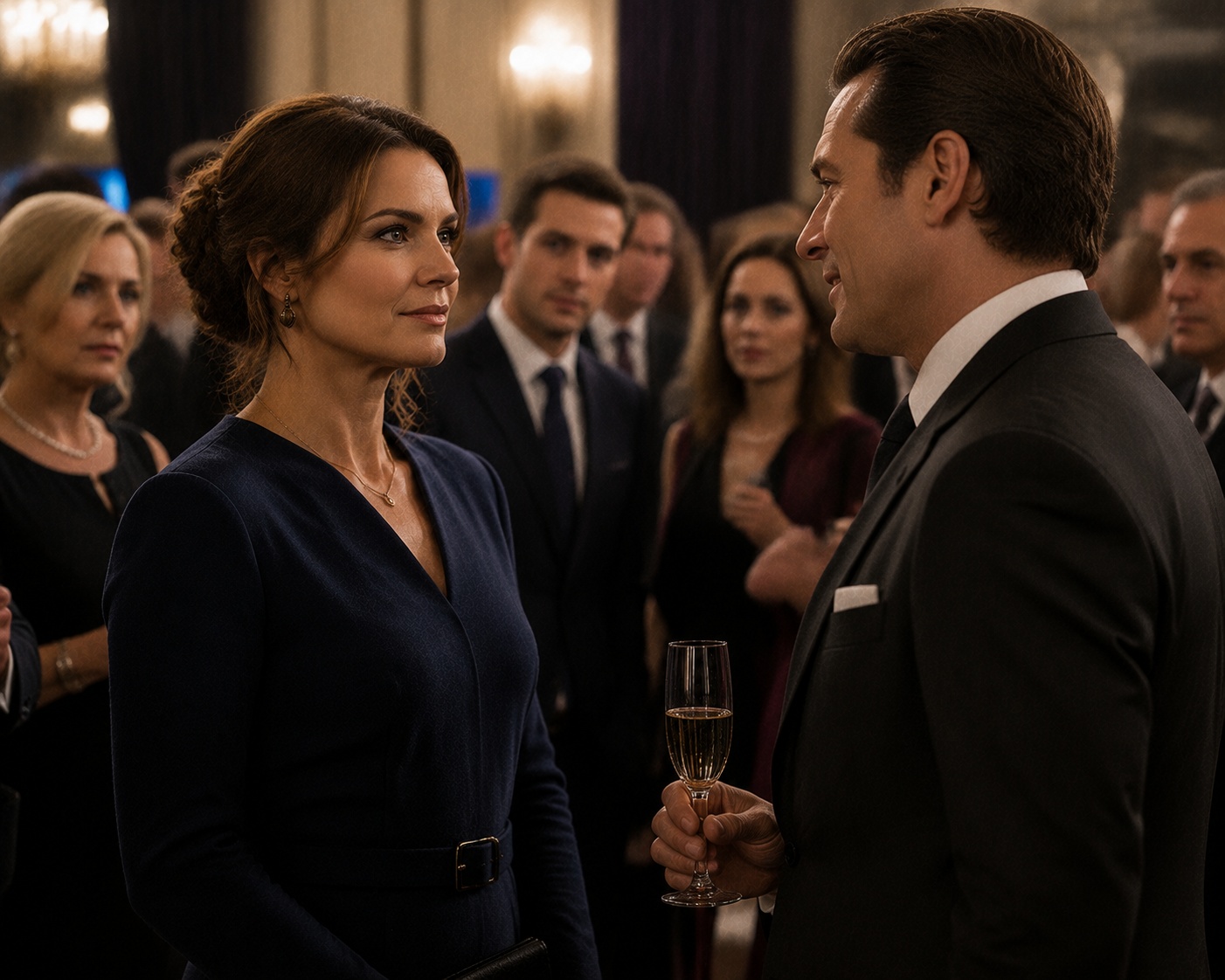
Przed pogrzebem spotkałam Agatę w zakładzie pogrzebowym. Przyszła złożyć kondolencje. Miała idealnie ułożone włosy, elegancki płaszcz i spokojny wyraz twarzy.
„Piotr często o tobie mówił. Mówił, że jesteś wspaniałą kobietą” — powiedziała.
Prawie się roześmiałam.
Stała przede mną kobieta, która była częścią mojego największego bólu, i próbowała udawać współczucie.
Nie powiedziałam jej nic.
Jeszcze nie.
Chciałam, żeby jutro zobaczyła coś, czego się nie spodziewała.
Noc przed pogrzebem nie spałam. Siedziałam przy stole i patrzyłam na pustą kartkę. Rodzina Piotra oczekiwała ode mnie pięknej przemowy. Chcieli usłyszeć historię cudownego męża, idealnego człowieka.
Ale ja nie mogłam już kłamać.
Napisałam własną prawdę.
Nie pełną nienawiści. Nie pełną zemsty.
Po prostu prawdę.
Dzień pogrzebu był pełen ludzi. Wszyscy mówili, jaki Piotr był wspaniały. Jego matka płakała i powtarzała, że był najlepszym synem. Siedziałam obok niej i wiedziałam coś, czego ona nie wiedziała.
Kiedy ksiądz poprosił mnie o kilka słów pożegnania, wstałam.
W kościele zapadła cisza.
„Piotr był człowiekiem wielu twarzy” — zaczęłam.
Wszyscy spojrzeli na mnie.
„Przez dwanaście lat znałam jedną z nich. Mężczyznę, którego kochałam. Mężczyznę, z którym budowałam dom i przyszłość”.
Zrobiłam pauzę.
„Ale po jego śmierci odkryłam także drugą twarz. Człowieka, który prowadził drugie życie. Człowieka, który miał obok siebie inną kobietę”.
W kościele rozległy się szepty.
Spojrzałam na Agatę.
„Ta kobieta jest dziś tutaj. Dziękuję ci, Agato, że byłaś przy nim. Dzięki tobie dowiedziałam się prawdy o człowieku, którego uważałam za miłość mojego życia”.
Jej twarz pobladła.
Matka Piotra patrzyła na mnie z niedowierzaniem.
Ale ja już nie mogłam milczeć.
Po raz pierwszy od miesięcy poczułam, że mogę oddychać.
Sześć miesięcy później moje życie wyglądało zupełnie inaczej. Sprzedałam mieszkanie w Warszawie i przeprowadziłam się na południe Polski. Znalazłam mały dom wśród wzgórz. Nadal tłumaczę książki. Nadal czasami wracają wspomnienia. Nadal boli.
Ale ten ból już mnie nie niszczy.
Nauczyłam się żyć sama ze sobą.
Zrozumiałam, że czasami największą stratą nie jest odejście człowieka.
Największą stratą jest odkrycie, że człowiek, którego kochaliśmy, nigdy nie był tym, za kogo go uważaliśmy.
Tamtego dnia w kościele nie zniszczyłam pamięci o Piotrze.
Zniszczyłam tylko kłamstwo, na którym przez lata stało moje życie.
A na jego miejscu zaczęłam budować coś nowego.
Coś prawdziwego.
Moje własne życie.