
Kier Starmer is facing a political crisis within the Labour Party as anti-Brexit rebels threaten to defy his leadership by voting to rejoin the customs union. Veteran MP Graham Stringer warns that this rebellion could lead to significant electoral losses for Labour in crucial leave-supporting constituencies, reminiscent of the party’s past failures.
 The tension within Labour is palpable as the Liberal Democrats prepare to table an amendment to Starmer’s EU reset bill, pushing for a legal obligation to negotiate customs union membership. This move, which follows a narrow victory for a similar proposal last month, has sent shockwaves through Labour ranks, revealing deep divisions over Brexit policy.
Stringer’s warning is stark: if Labour MPs defy their manifesto pledge and support the customs union, they risk alienating leave voters who lent their support during the last election. Betrayed voters may turn to Reform UK, a party poised to capitalize on Labour’s internal strife.
 The stakes are high as Labour grapples with its identity and electoral viability. Starmer’s attempt to balance the demands of remainers in urban areas with the expectations of leave voters in the red wall is fraught with peril. Polling indicates that voters are already uneasy, and a betrayal on Brexit could lead to dire consequences.
Internal dissent is brewing, with 13 Labour MPs having previously supported the Liberal Democrats’ customs union initiative. This rebellion highlights a growing faction within Labour that is willing to challenge the leadership’s stance, risking a repeat of the disastrous internal conflicts that plagued the party in 2019.
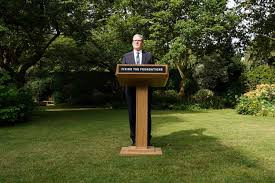
As the political landscape shifts, the Liberal Democrats are positioning themselves as the champions of remain voters, further complicating Labour’s dilemma. Ed Davey’s strategy to force Labour MPs into a corner could exacerbate existing tensions, making it increasingly difficult for Starmer to maintain party unity.
The implications of this crisis are far-reaching. Labour’s coalition of support, built on the back of leave voters, is at risk of fracturing. Stringer’s insights about trust and betrayal resonate deeply, reminding Labour of the high stakes involved in their current deliberations.
Starmer’s EU reset bill, dubbed the “Brexit betrayal bill” by critics, seeks regulatory alignment with the EU but is perceived as a threat to the sovereignty Labour promised to uphold. This contradiction is fueling dissent among MPs and could lead to a significant backlash from constituents.
With local elections on the horizon, the urgency of resolving these internal conflicts cannot be overstated. Labour’s failure to navigate this crisis effectively could result in substantial losses across multiple constituencies, leaving the party vulnerable to challenges from both Reform UK and the Liberal Democrats.
The political ramifications are dire. Should Labour MPs choose to support the customs union amendments, they risk not only their seats but the very foundation of the party’s electoral strategy. The pressure is mounting, and the potential for rebellion looms large.
Starmer must act quickly to quell the unrest and reaffirm Labour’s commitment to its manifesto. The clock is ticking, and the consequences of inaction could be catastrophic for a party already struggling to maintain its identity in a fractured political landscape.
As Labour stands at this crossroads, the future of the party hangs in the balance. The next few days will prove critical in determining whether Starmer can hold his party together or if Labour will once again be torn apart by the specter of Brexit.