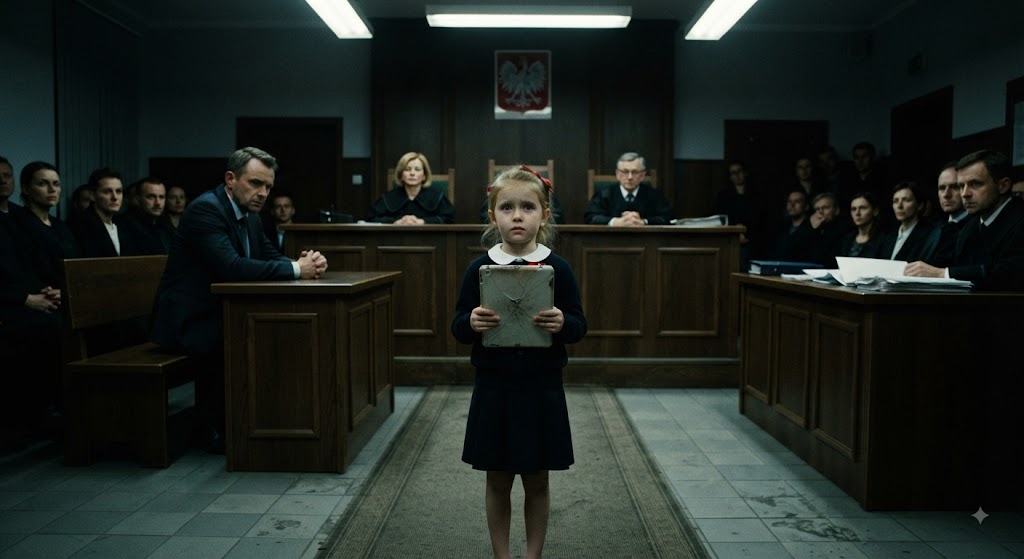
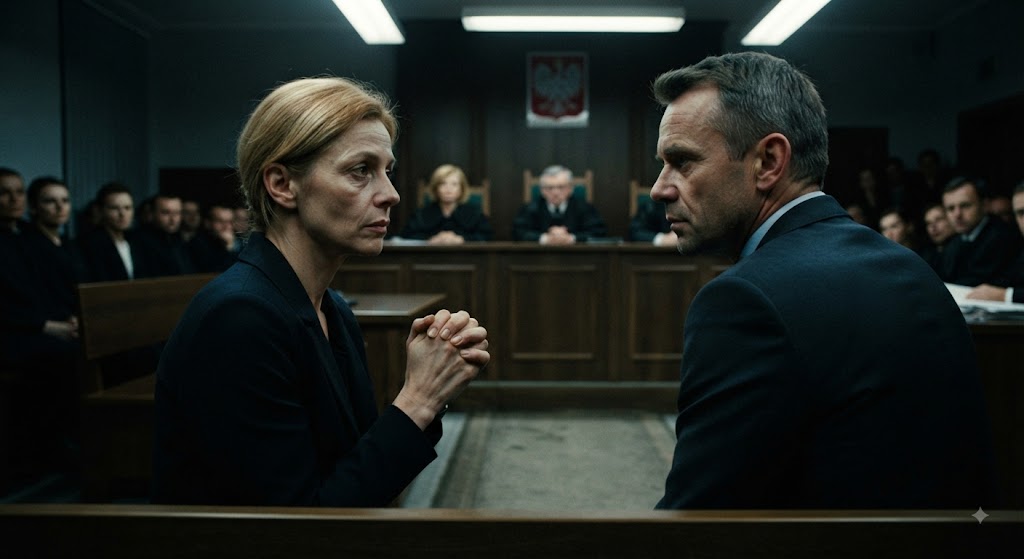
Sala sądowa była zimna.
Nie tylko przez kafelki na podłodze i białe światło jarzeniówek.
Była zimna przez spojrzenia ludzi, którzy siedzieli wokół mnie i próbowali zdecydować, kim jestem.
Matką?
Żoną?
Kobietą, która zawiodła?
Czy może kimś, kto nie zasługiwał na to, żeby zostać z własnym dzieckiem?
Siedziałam prosto na drewnianej ławie.
Dłonie miałam splecione tak mocno, że paznokcie wbijały mi się w skórę.
Nie chciałam, żeby ktokolwiek zobaczył, jak bardzo się boję.
Zwłaszcza Bartosz.
Siedział naprzeciwko mnie.
Mój mąż przez dziesięć lat.
Ojciec mojej córki.
Mężczyzna, który kiedyś mówił:
„Zajmę się wszystkim. Ty zajmij się domem i dzieckiem”.
A teraz jego prawnik właśnie tłumaczył sądowi, że to, co robiłam przez dziesięć lat, nie miało żadnej wartości.
— Wysoki sądzie.
Głos prawnika Bartosza był spokojny i profesjonalny.
To było chyba najgorsze.
Nie krzyczał.
Nie obrażał mnie.
Po prostu układał moją historię tak, żeby wyglądała jak dowód przeciwko mnie.
— Pozwana nie posiada stałego dochodu.
— Nie wnosiła znaczącego wkładu finansowego.
— Jej sytuacja emocjonalna może negatywnie wpływać na dziecko.
Każde słowo spadało ciężko.
Jak kamienie.
Dziesięć lat.
Dziesięć lat gotowania.
Sprzątania.
Nieprzespanych nocy.
Opieki nad Zosią, kiedy miała gorączkę.
Trzymania jej za rękę podczas choroby.
Budzenia się pierwszej i zasypiania ostatniej.
Wszystko zostało zamknięte w jednym zdaniu:
„Nie posiada stałego dochodu”.
Najbardziej bolało jednak to, że walczyli o Zosię.
Nie o pieniądze.
Nie o mieszkanie.
O moje dziecko.
Kiedy sędzia zapytał mnie o stanowisko, wstałam.
Nogi lekko mi drżały.
Ale głos był spokojny.
— Wysoki sądzie.
— Nie walczę o majątek.
— Nie chcę zemsty.
— Chcę tylko nadal być matką dla mojej córki.
Przerwałam.
— Proszę spojrzeć nie tylko na liczby.
— Proszę spojrzeć na więź między matką i dzieckiem.
Usiadłam.
Nie wiedziałam wtedy, że największy dowód prawdy nie znajdował się w moich rękach.
Trzymała go moja córka.
Gdyby ktoś zapytał mnie wcześniej, kiedy zaczęło się rozpadać moje małżeństwo…
Nie wskazałabym jednego dnia.
Bo to nie stało się nagle.
To było powolne.
Prawie niewidoczne.
Po ślubie Bartosz był inny.
Był czuły.
Opiekuńczy.
Kiedy zaszłam w ciążę, powiedział:
— Aniu, nie musisz już pracować.
— Ja się wszystkim zajmę.
Pamiętam, jak bardzo wtedy poczułam ulgę.
Pochodziłam z małego miasta.
Moi rodzice ciężko pracowali całe życie.
Zawsze bałam się, że nie dam sobie rady.
A Bartosz dał mi poczucie bezpieczeństwa.
Tylko że z czasem bezpieczeństwo zamieniło się w zależność.
Najpierw:
— Odpocznij, ja zarobię.
Potem:
— Po co ci ta praca?
A później:
— Przecież ty nie zarabiasz.
Kiedy Zosia się urodziła, całe moje życie skupiło się na niej.
Nie żałowałam tego.
Ani jednego dnia.
Ale Bartosz zaczął traktować moją opiekę jak coś oczywistego.
Jak obowiązek.
Nie jak pracę.
Pewnego dnia powiedziałam:
— Może spróbuję wrócić do pracy?
Spojrzał na mnie z lekkim uśmiechem.
— Po tylu latach?
— Aniu, kto cię teraz zatrudni?
Nie powiedział tego z krzykiem.
Właśnie dlatego bolało bardziej.
Bo brzmiało jak fakt.
Z czasem przestałam pytać.
Przestałam proponować.
Przestałam mówić, czego potrzebuję.
Bo nauczyłam się, że każda moja potrzeba może zostać przedstawiona jako problem.
Najgorsze przyszło wtedy, gdy dostałam list.
Byłam z Zosią pod szkołą.
Kurier wręczył mi kopertę.
W rogu widniała nazwa kancelarii.
Już wtedy poczułam strach.
Otworzyłam ją w domu.
Pierwsze słowa:
Pozew o rozwód.
Usiadłam.
Czytałam.
I z każdą linijką czułam, jak świat staje się coraz bardziej obcy.
Nie miałam dochodu.
Nie miałam wkładu.
Byłam emocjonalna.
Nie radziłam sobie.
Tak wyglądałam w jego dokumentach.
Nie jak matka.
Nie jak żona.
Jak problem.
Wieczorem wrócił.
Położyłam dokumenty na stole.
— Dlaczego?
Zapytałam.
Bartosz usiadł spokojnie.
— Bo nie mogę już tak żyć.
— Jesteś ciągle smutna.
— Wszystko komplikujesz.
Patrzyłam na niego.
Chciałam powiedzieć:
„Jestem smutna, bo byłam sama”.
Ale wiedziałam, że on już wybrał swoją wersję prawdy.
— A co z Zosią?
Zapytałam.
Wtedy powiedział coś, czego nigdy nie zapomnę.
— Dziecko potrzebuje stabilności.
— Ja mogę jej ją zapewnić.
— Ty nie masz nawet własnych pieniędzy.
W tamtym momencie zrozumiałam.
On nie chciał tylko odejść.
On chciał wygrać.
Kilka dni później odkryłam, że konto oszczędnościowe jest puste.
Pieniądze, które odkładaliśmy dla Zosi.
Zniknęły.
Bartosz przygotowywał się wcześniej.
Krok po kroku.
Potem zaczął walczyć o córkę.
Ale nie przez rozmowę ze mną.
Przez Zosię.
Kupował jej prezenty.
Tablet.
Zabawki.
Zabierał ją na lody.
I mówił:
— Z tatą będziesz miała wszystko.
Nie mówił:
„Twoja mama jest zła”.
To byłoby zbyt oczywiste.
Mówił subtelniej.
— Mama za bardzo się martwi.
— Mama często jest smutna.
— Z tatą będzie łatwiej.
Widziałam, jak moja córka zaczyna się zmieniać.
Była cichsza.
Bardziej zamknięta.
Aż pewnej nocy zobaczyłam coś, czego nigdy nie zapomnę.
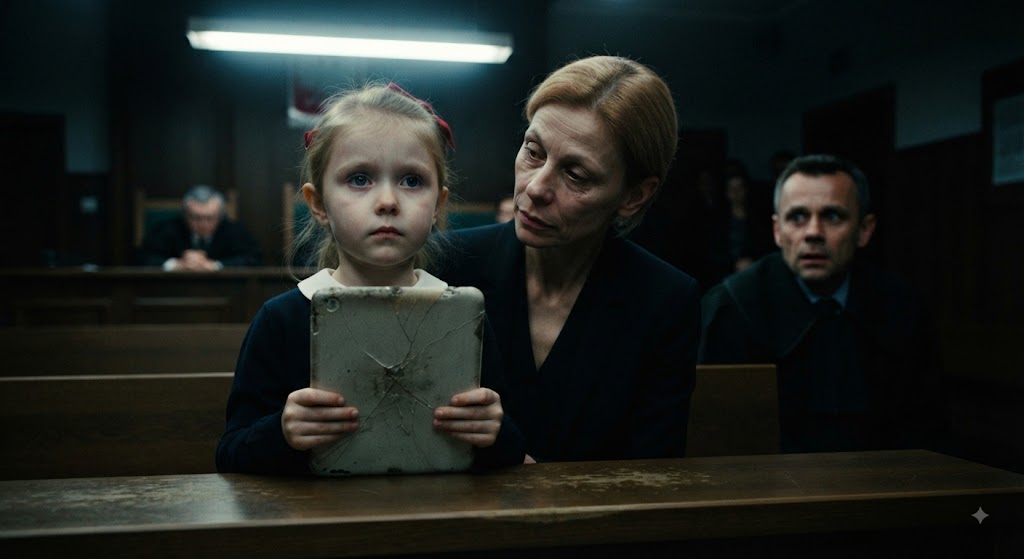
Stary tablet.
Z pękniętym ekranem.
Ukryty pod jej poduszką.
Zapytałam:
— Zosiu, dlaczego go trzymasz?
Przytuliła go mocno.
— Mamo…
— Nie pytaj.
Wtedy wiedziałam.
To nie był zwykły przedmiot.
To była tajemnica.
Kilka dni później weszłam do jej pokoju.
Nie chciałam jej kontrolować.
Chciałam tylko zrozumieć.
Tablet się włączył.
Pojawił się folder.
Zabezpieczony hasłem.
Wtedy Zosia mnie zobaczyła.
Jej twarz pobladła.
Wyrwała mi tablet z ręki.
— Nie otwieraj, mamo!
— Błagam!
Przytuliłam ją.
— Kochanie.
— Czego się boisz?
Długo milczała.
A potem powiedziała:
— Nagrywałam tatę.
Zamarłam.
Powiedziała, że pewnej nocy obudziła się i zobaczyła Bartosza rozmawiającego z kobietą.
Ukryła się za kanapą.
Włączyła nagrywanie.
Bała się.
Ale chciała wiedzieć.
Następnego dnia poszłam do pana Hermana.
Prawnika.
Położyłam tablet na stole.
— Moja córka to nagrała.
Przesłuchał nagranie.
A potem spojrzał na mnie.
— Pani Aniu.
— To nie jest tylko rozwód.
— To jest próba manipulowania dzieckiem.
Na nagraniu Bartosz mówił o planie.
O tym, jak przedstawić mnie jako niestabilną.
Jak zdobyć opiekę.
Jak ograniczyć mój kontakt z Zosią.
Czułam, jak serce mi pęka.
Nie dlatego, że mnie zdradził.
Ale dlatego, że użył własnego dziecka.
Pan Herman powiedział:
— Nie może pani teraz działać emocjonalnie.
— Musi pani być spokojna.
— Dla Zosi.
Wróciłam do domu.
I zachowywałam się tak, jakby nic się nie stało.
Gotowałam.
Sprzątałam.
Rozmawiałam normalnie.
Ale tym razem nie byłam już bezbronna.
W sądzie Bartosz był pewny siebie.
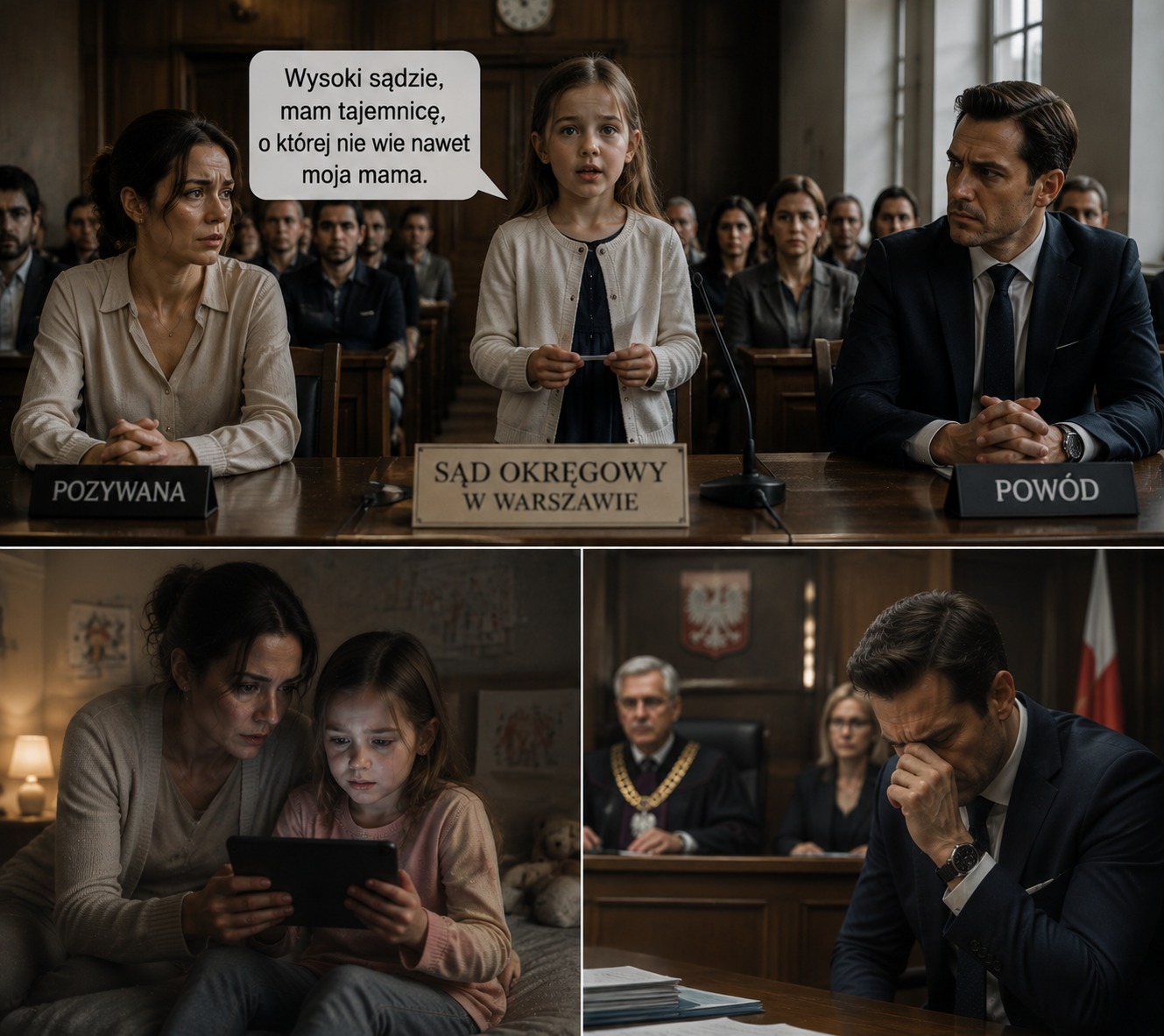
Do momentu, kiedy Zosia wstała.
— Wysoki sądzie…
Jej głos był cichy.
— Mam tajemnicę, o której nie wie nawet moja mama.
Sala zamilkła.
Bartosz pierwszy raz wyglądał na przestraszonego.
— Sprzeciw!
Krzyknął.
Ale było za późno.
Zosia wyjęła stary tablet.
Ten sam.
Który ukrywała pod poduszką.
Nagranie zostało odtworzone.
Wszyscy słyszeli.
Plan.
Kłamstwa.
Manipulację.
Twarz Bartosza zmieniła się.
Nie było już pewności siebie.
Nie było spokojnego uśmiechu.
Był człowiek, któremu właśnie odebrano kontrolę nad historią.
Sąd zarządził dalszą analizę dowodu.
Ale jedno było jasne.
Prawda wyszła na jaw.
Kilka miesięcy później sąd przyznał mi opiekę nad Zosią.
Nie dlatego, że byłam bogatsza.
Nie dlatego, że miałam większy dom.
Ale dlatego, że byłam osobą, która dawała jej bezpieczeństwo.
Zaczęłam pracować.
Mała restauracja.
Pierwsze pieniądze po latach.
Pierwsza niezależność.
Nie było łatwo.
Ale każdego dnia patrzyłam na Zosię i wiedziałam:
Warto było walczyć.
Pewnego dnia zapytała:
— Mamo?
— Już nigdy mnie nie zostawisz?
Przytuliłam ją.
— Nigdy.
Dzisiaj wiem jedno.
Czasami człowiek myśli, że największą siłą są pieniądze.
Albo pozycja.
Albo przewaga w sądzie.
Ale prawdziwa siła pojawia się wtedy, kiedy ktoś próbuje odebrać ci wszystko, a ty mimo strachu nadal stajesz.
Dla siebie.
Dla swojego dziecka.
Dla prawdy.
Bo można odebrać komuś pieniądze.
Można odebrać dom.
Można próbować odebrać głos.
Ale jeśli człowiek ma odwagę powiedzieć prawdę…
w końcu zostanie usłyszany.