On November 16th, 1881, a mere three weeks after the deadly confrontation that would forever be known as the Gunfight at the O. K. Corral, Wyatt Earp took the stand in a Tombstone courtroom.
He was the first witness called for the defense during the preliminary hearing presided over by Judge Wells Spicer. This pivotal moment in Western history saw the legendary lawman offer his account of the events that led to the infamous shootout, a testimony that would be scrutinized for generations to come.
 The preliminary hearing had commenced on October 31st, and in the weeks prior, a number of witnesses had already provided their accounts for the prosecution. Among those who testified earlier were Ike Clanton, the man who would become the Earps’ most persistent adversary, and Sheriff Johnny Behan. Their testimonies painted a picture that was contested by the Earp faction.
Since November 19th, Wyatt Earp and his ally Doc Holliday had been arrested and held in the nearby jail, awaiting the outcome of these legal proceedings. Now, it was Wyatt’s turn to give his side of the story.
The examination began with a routine set of questions designed to establish the witness’s identity and background. Wyatt gave his name, age, his place of birth, his current residence, and his professional occupation. Finally, having provided these personal details, he was instructed to give any explanations he might deem proper regarding the circumstances appearing in the testimony against him, and to state any facts he thought would lead to his justification.
This broad prompt provided the framework for his lengthy and detailed defense.
Wyatt’s narrative began with the assertion that the difficulty culminating in the deaths of William Clanton and Frank McLaury did not originate on the day of the shootout, but rather had its roots planted during the last spring. Over a year before the tragic event, Wyatt, alongside his brothers Virgil and Morgan, Marshal Williams, Captain Hurst, and four soldiers, had been trailing six government mules that had been stolen from the military outpost at Camp Rucker. The posse painstakingly followed the trail of the thieves, which ultimately led them to the McLaury ranch.
According to Wyatt, they had tracked the trail directly to the property of the McLaury brothers. At the ranch, a particular arrangement was made involving a man named Frank Patterson. It was agreed that the mules would be returned to the military at a later date.
However, according to Wyatt, the mules were never returned as promised. This incident established an early point of conflict between the lawmen and the McLaury family, setting the stage for the animosity that followed. About one month after that incident, Wyatt encountered Frank and Tom McLaury in the town of Charleston.
The McLaury brothers attempted to pick a fight, or, a fuss, and warned him that if he ever followed their trail again as closely as he did before, they would 𝓀𝒾𝓁𝓁 him. This was not an empty threat and demonstrated the level of tension that existed. This threat was just the beginning.
Shortly after the time Bud Phoebe was killed by the men who had attempted to rob the Benson stage, Wyatt became involved. Working as a detective for Wells Fargo and Company, he helped to trace the matter and became satisfied that three men were responsible. These men were named Billy Leonard, Harry Head, and James Crane.
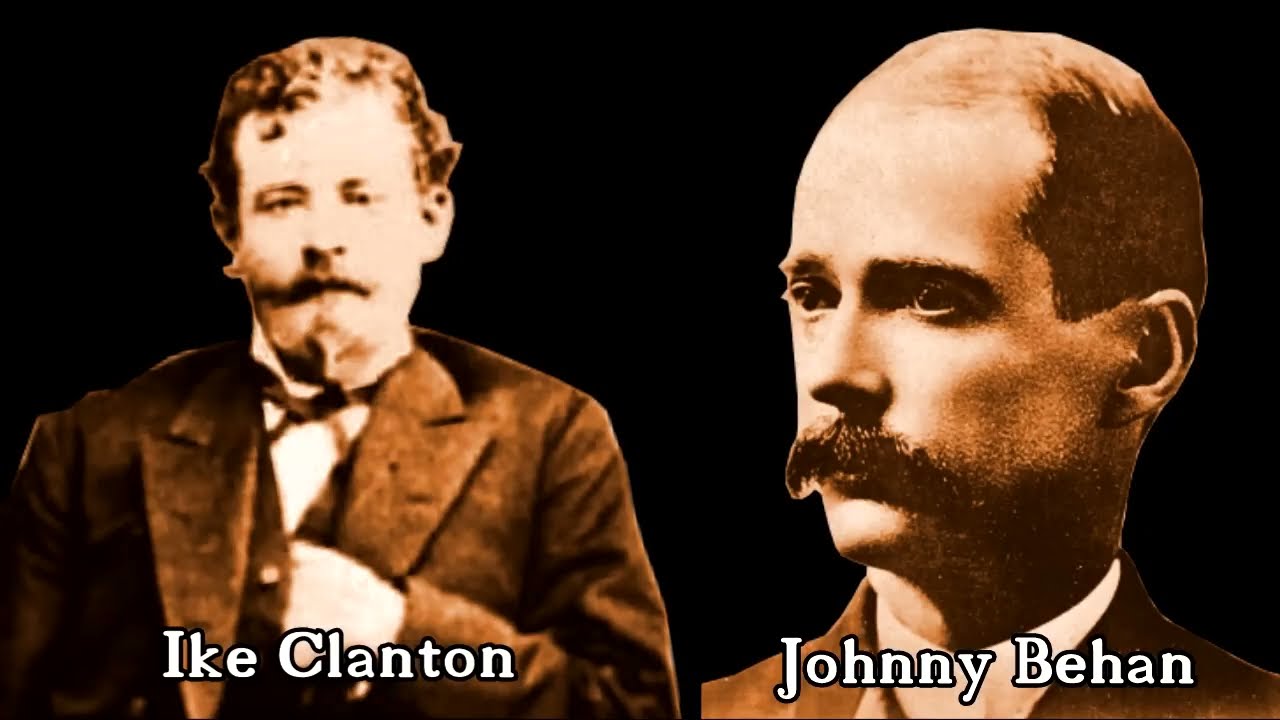 Wyatt had knowledge that these three men were friends and associates of the Clantons and McLaurys, and that they would often stop and stay at their ranches. The trail of criminality was well known in the territory. Wyatt shared that it was generally understood among officers and those with information about criminals that Ike Clanton was the leader, or the kingpin, among the Cowboys.
It was believed that Clanton and McLaury were cattle thieves and that they were generally in the secret of the stagecoach robbery. Their ranches were known as meeting places and places of shelter for the gang. Wyatt acknowledged a personal ambition.
He had been a strong desire to be the sheriff of the county at the next election. He reasoned that it would be a great boost with the people and the business community if he were to successfully capture the men who killed Philpot.
There were rewards offered for the capture of the robbers, adding up to about $1,200 each, totaling over $3,600. It occurred to him that this sizable sum might tempt Ike Clanton and Frank McLaury to give away their associates, Leonard, Head, and Crane. With this plan in mind, Wyatt decided to approach the men directly.
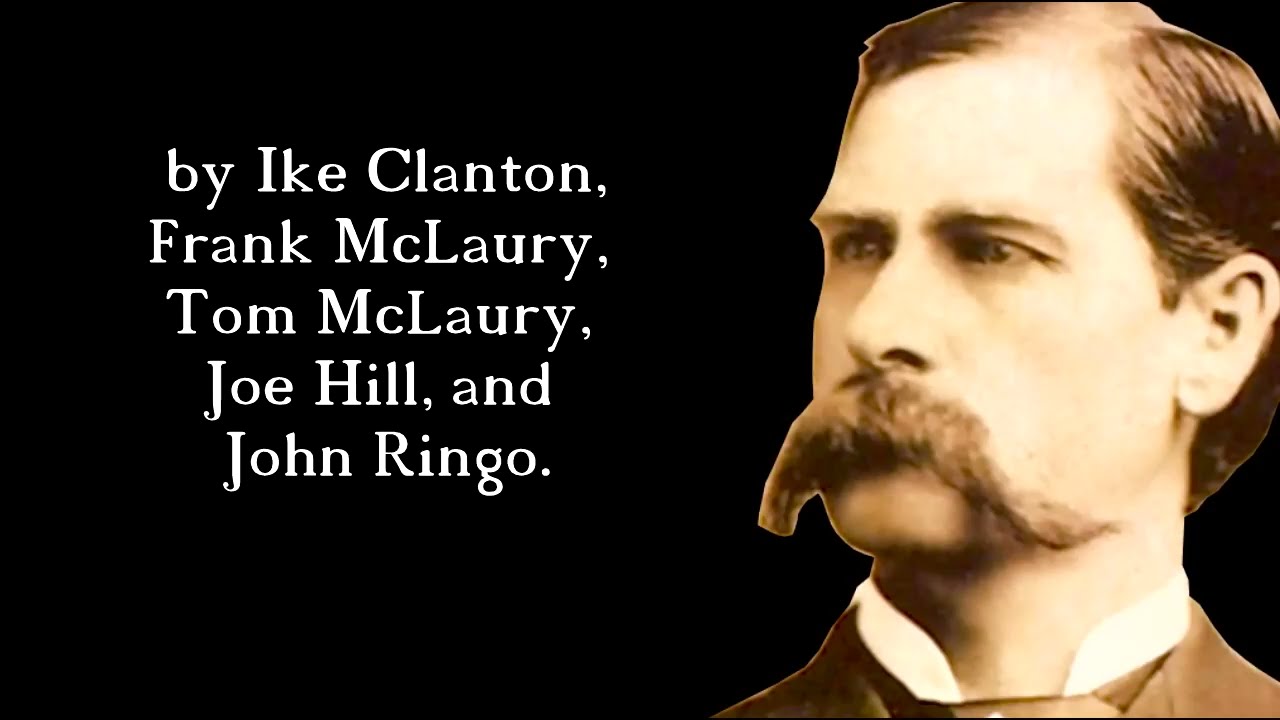
In order to get into conversation with them without drawing attention, he went to see Ike Clanton, Frank McLaury, and Joe Hill when they came to town. He arranged a meeting in the backyard of the Oriental Saloon, a place away from prying eyes.
During this meeting, Wyatt told them what he wanted. He explained that he wanted the glory of capturing Leonard, Head, and Crane, and if he could do so, it would help him make a strong candidacy for sheriff in the next election. He then laid out a generous proposition: if they would put him on the path, on the track to capturing these men, and tell him where the men were hiding, he would give them all the reward money and would never let a soul know he had gotten the information from them.
Ike Clanton responded that he would be happy to see them captured. He elaborated on a personal grievance, revealing that Leonard claimed a ranch that Clanton himself claimed, and that if he could get him out of the way, he would have to face opposition for the claim of the ranch. Clanton added a critical warning about the difficulty of the task.
He said that Leonard, Head, and Crane would make a fight and would never be taken alive. Therefore, Clanton said, the reward must be confirmed for the capture of the robbers, whether dead or alive.
 This led to Wyatt seeking a definitive answer. He went to Marshall Williams, the agent for Wells Fargo and the company in Tombstone. At Wyatt Earp’s request, Williams telegraphed the agent or superintendent in San Antonio Francisco to determine if the reward would be promised for the criminals, whether alive or dead.
In June 1881, the response came in the form of a telegram, which Williams showed him, confirming that the reward would, in fact, be paid whether they were brought in dead or alive. The decision to proceed was solidified.
The next day, Wyatt encountered the wary Clanton and Joe Hill on Allen Street, in front of a little cigar store next to the Alhambra. They were there, he told them the dispatch had arrived. Before he approached his business partners, he decided to need the physical evidence.
He went to Marshall Williams and told him that he wanted to have the dispatch in his possession for a few minutes. Williams went to look for it but could not find it, so he went directly to the telegraph office and got a copy of it, returning shortly to give it to Wyatt. Wyatt then took it and showed it to Ike Clanton and Joe Hill, binding them to the seal, and then returned it to Marshall Williams and later informed Frank McLaury of its contents.
It was then agreed upon between them that they were to have all the $3,600 reward money, with the exception of any necessary expenses for horse hire for travel. The strategy was that Joe Hill should go to a place near Wireka in New Mexico where Leonard, Head, and Crane were hiding. Hill would lure them in close to the destiny of the McLaury ranch, which was located near Watts.
This was near Soldiers Hole, 30 miles from Tombstone. Wyatt would be on hand with a posse to capture them. To keep a consistent story, he asked the men what story or tale they would tell the outlaws to get them to come over, and they confirmed they had a planned approach.
The plan was to be told that there would be a paymaster traveling from Tombstone to Bisbee to pay off the miners, and the target was for them to come in and take them.
With the plan in motion, Ike Clanton then sent Joe Hill to bring them in. Before starting out on this mission, Joe Mc took off his watch and a chain and his money. He had between two and three hundred dollars in a purse, he gave these items to Virgil Earp to hold for safekeeping until he got back.
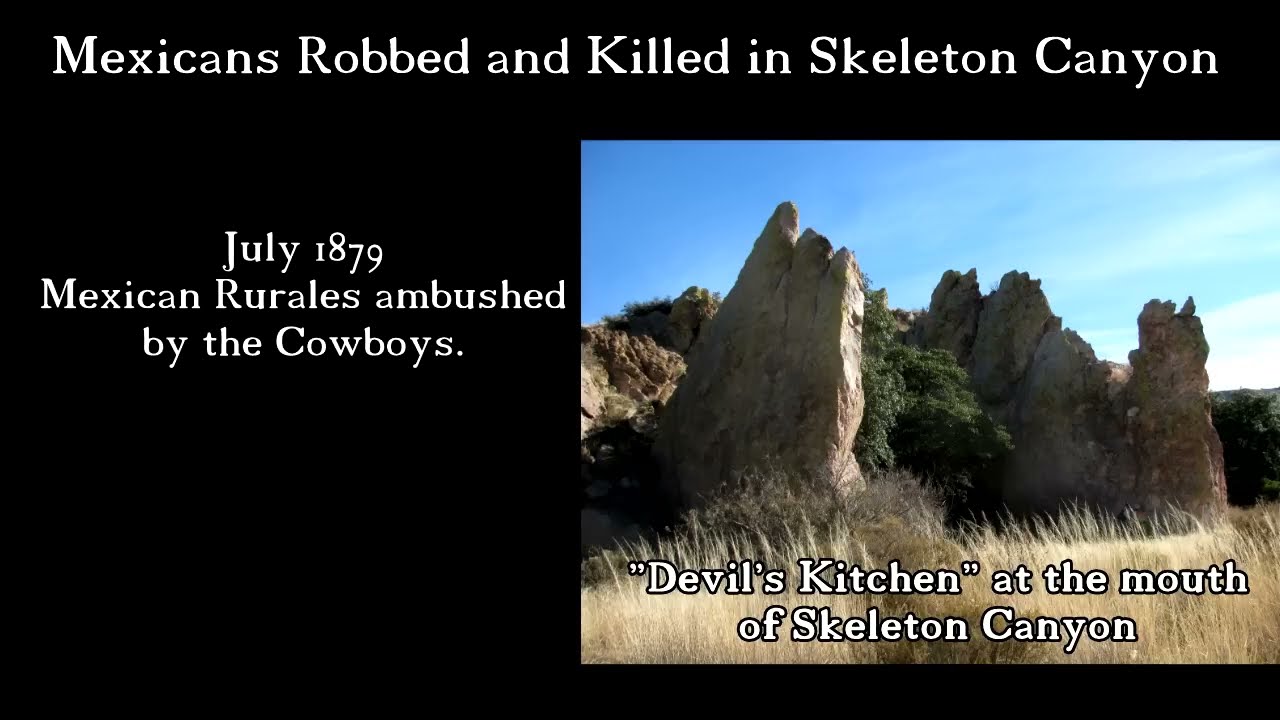 The trip took about 10 days. Hill returned with disappointing news. He arrived at his destination a day too late, as the men had been killed the previous day by horse thieves.
He also shared that they had been ambushed in a shootout.
Wyatt reported that he learned later that the horse thieves had been killed as well. This skilled killing was carried out by members of the Clanton and McLaury. In the aftermath, the void left by the death of the initial suspects set up a new conflict.
After this, Ike Clanton and Frank McLaury changed their positions and claimed that Wyatt had given the whole assignment away to the man named Marshall and D. C. They became adversarial.
When they would come into town, they shunned the authorities of the left. And then they began to hear threats made against them. Wyatt noted that he considered himself a friend of Doc Holliday because of a past instance.
When Wyatt was the city marshal of Dodge City, Kansas, Doc had come to his rescue and saved his life when Wyatt was surrounded by dangerous.
About a month or more after leading the betray, on October 18th, 1881, Morgan Earp and Wyatt had assisted to arrest Stillwell and Spence on the charge of robbing the Bisbee stage. The McLaurys and Clantons were friendly with Spence and Stillwell and blamed their arrest.
After getting back into town with the prisoners, he encountered one of them again. Ike and Frank McLaury had come in. Frank McLaury then drew him outside a conflict.
He was guilty of committing an assault. He mentioned that he was with.