John Peters Ringo, known to history as Johnny Ringo, was born in 1850—far from the Arizona deserts where his legend would eventually take shape. His family was unremarkable, part of the vast westward migration of Americans seeking room to grow. But the trail had its own brutal arithmetic, and tragedy struck before the family reached its destination. Ringo’s father died from an accidental gunshot on the wagon road.
One careless moment erased the family’s anchor, and the boy absorbed a lesson no child should have to learn: death can arrive without warning, and no one can stop it. The family pressed on because they had no choice. Grief didn’t stop the wheels, and the frontier didn’t pause for mourning. As a young man, Ringo drifted into Texas, a place where pride was currency and insults could end in gunfire.
That volatile landscape drew him into the Mason County War, a bitter feud rooted in cattle disputes, grudges, and a culture that equated revenge with justice. It was there that Ringo crossed a line he could never uncross—he took part in real violence, and at least one killing during that period is tied to him. Once a man has killed, the world looks different. He starts to think differently about what’s possible, what’s allowed, and what he might do again.
Trouble also followed his name. Ringo was arrested and faced serious accusations, but the West had plenty of holes in its legal system, and he learned how to slip through them. He was practiced at surviving messy situations and willing to keep moving when staying still meant jail or a grave. The accidental gunshot that killed his father didn’t magically create the outlaw Johnny Ringo, but it taught him something cruel at an age when he had no defense against it.
Texas then taught him a second lesson: when life feels cheap, some men start acting like it. Put those lessons together, and you don’t get a quiet, settled man—you get someone headed toward the loudest trouble spot he can find. That trouble spot was Tombstone. When Ringo arrived in the early 1880s, the silver boomtown was already tense, like a kettle left on the fire too long.
Miners, gamblers, ranch hands, and lawmen all competed for control of the sudden wealth. Ringo moved in circles tied to the Cowboys, a rough group known for border smuggling, intimidation, and hard drinking. Not every man in that crowd was a full-time criminal, but the group’s reputation scared people—and in Tombstone, fear could be as useful as a badge. Across town were the Earps and their allies, including Doc Holliday.
Tombstone was not a clean good-versus-evil story. Politics, business, and personal grudges were tangled together, and a man might wear a badge one day and act like a hired bruiser the next. Ringo’s name loomed larger than his proven gun record because he stood near the center of that storm. He didn’t have to be the fastest shot to become a feared figure—he just had to be the kind of man who might start something and seemed to enjoy the idea.
One moment captured the strange way Tombstone worked. Ringo and Doc Holliday traded threats, and it looked like it could turn into a deadly fight. Instead, both ended up arrested for carrying weapons in town and paid fines. A town on the edge of war tried to solve a lethal confrontation like a minor rule break.
But the pressure didn’t go away. Violence had already hit the community, and the fear kept building. Then came a turning point. After Frank Stillwell was killed in Tucson, local lawmen formed posses to chase the men they blamed.
Ringo was among those deputized—a telling detail about how blurry the line was between official law and personal revenge. In places like that, a badge could be real authority or a temporary excuse. Johnny Ringo became a legend because Tombstone needed symbols. The feud needed a dark name on the other side, someone people could point at and whisper about.
Ringo fit the role, and once a story grabs a man’s name, the story grows whether the man earns it or not. By the summer of 1882, the Tombstone storm had worn people down. Ringo, by most accounts, wasn’t climbing anymore. He was drinking hard, drifting around, and looking like a man who had run out of good options.
Around the Fourth of July celebrations, he drank heavily—not casual social drinking, but the kind that leaves a man foggy and reckless. He left town with liquor for the road, a clear sign he wasn’t planning to sober up anytime soon. After he rode out, people reportedly saw him in rough shape, drunk and unsteady. Then the trail went quiet.
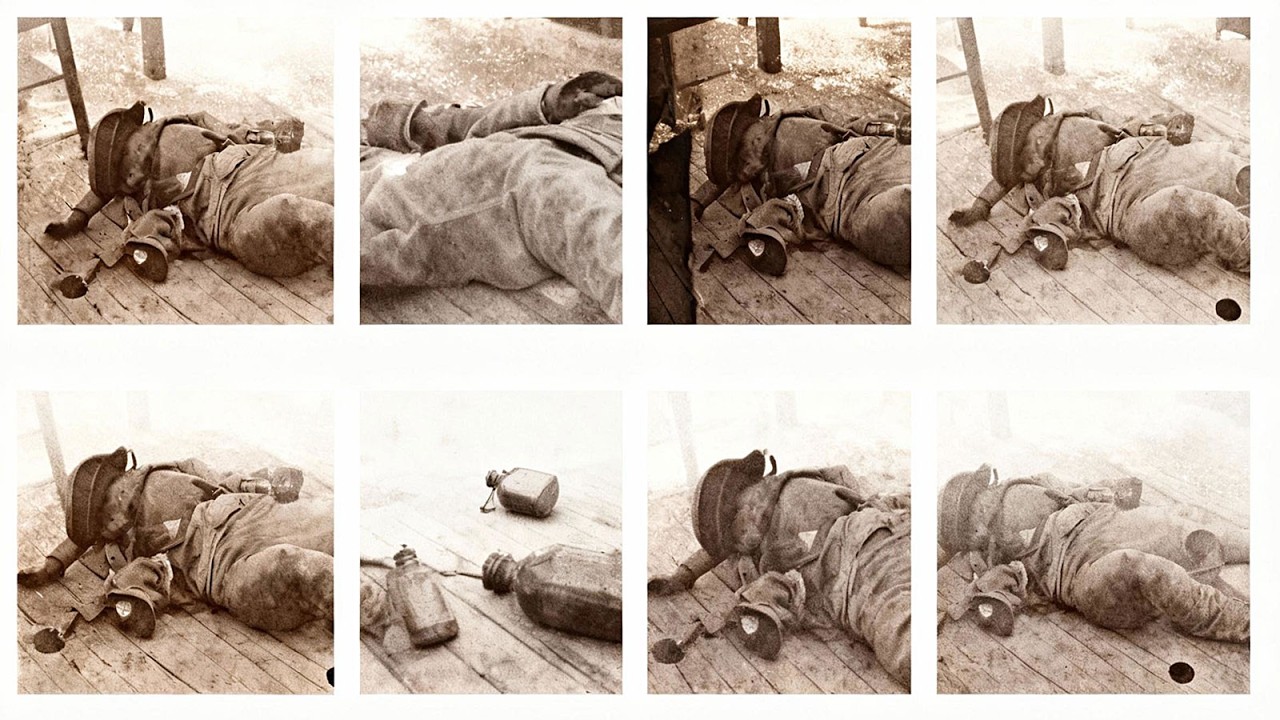
No letters, no meaningful sightings—just a man disappearing into the wide space between towns. On July 14, 1882, his body was found in the West Turkey Creek area, seated near trees with a gunshot wound to the head. The revolver was there, and the scene didn’t look like a shootout. It looked like a man who had stopped moving and never started again.
Some details were strange: his boots weren’t on his feet, and his horse was initially missing. That suggests trouble before the final moment—perhaps he lost the horse, wandered, or struggled through rough ground in a half-delirious state. Out there, losing your horse wasn’t just inconvenient; it could be the start of a slow, humiliating defeat. The coroner’s inquest ruled it a suicide.
That should have ended the matter, but the Old West never met a simple ending it didn’t want to improve. A quiet suicide doesn’t sound like a legendary finish, so rumors rushed in to dress it up. Some later stories claimed murder, attaching big names like Wyatt Earp or Doc Holliday. Other theories pointed to different enemies with possible grudges.
Most of those claims arrived later, built on suspicion and storytelling more than solid proof. Evidence doesn’t sit still in the Arizona heat. Time, animals, weather, and decay all mess with details, so when later writers argue over fine points, they’re often arguing over a scene that was never going to stay clean and clear for long. Based on the official ruling and the overall picture—a man drinking heavily, drifting alone, possibly stranded after losing his horse—the most likely answer is that Johnny Ringo took his own life.
The murder theories live on because they feel more exciting, and because the Tombstone feud was so bitter that people want the ending to match the drama. The man who became famous in a loud, violent town probably died in silence, away from the crowd, with no audience at all. The story of Johnny Ringo ends there, but the arguments about him never really do.