On a humid New Mexico night in July 1881, Sheriff Pat Garrett slipped into a darkened adobe bedroom at Fort Sumner and fired the shot that ended the life of Billy the Kid. That single bullet transformed a lanky former buffalo hunter into one of the most famous lawmen in American history—yet Garrett’s own death, nearly 27 years later, remains shrouded in exactly the kind of mystery he once helped resolve. Patrick Floyd Jarvis Garrett was born on June 5, 1850, in Chambers County, Alabama. The Civil War wrecked his family’s finances, and at 19 he rode west to the Llano Estacado, where he skinned buffalo, gambled in raw saloons, and learned that survival often depended on a steady hand with a revolver.
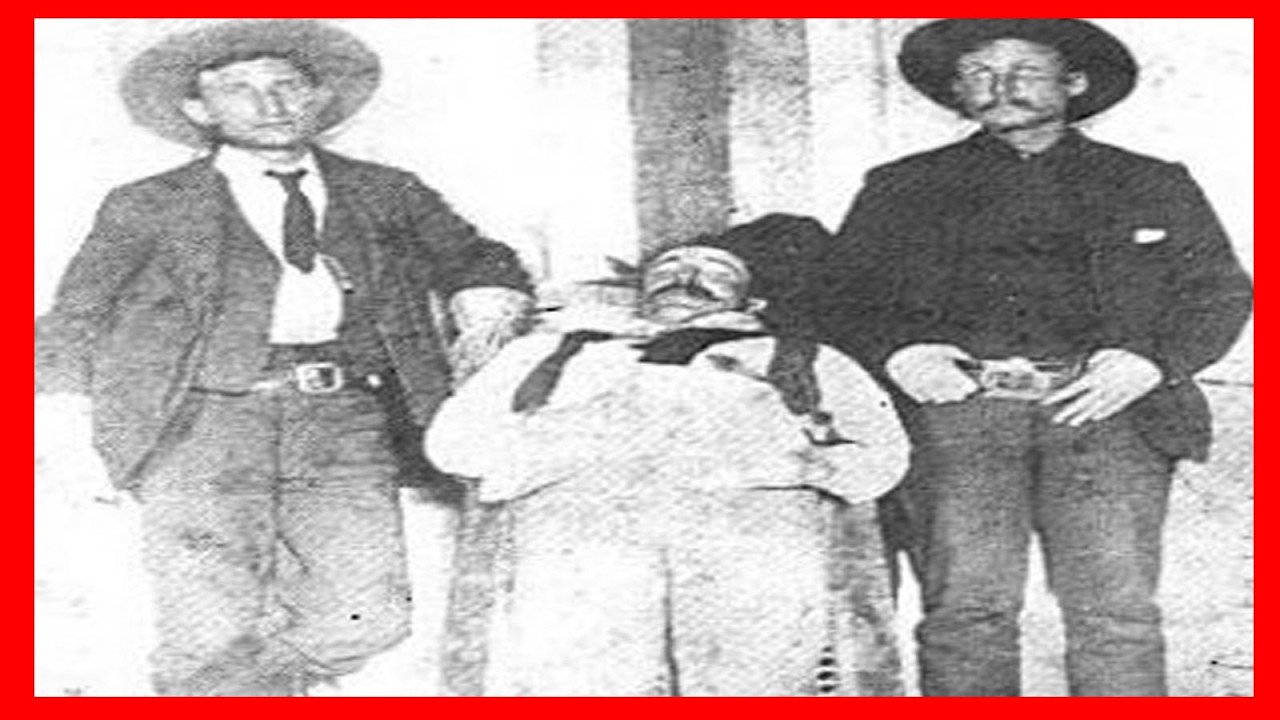
By 1878, Garrett had landed in Lincoln County, New Mexico Territory, tending bar at Pete Maxwell’s place. He watched local stockmen line up behind rival merchants in the simmering conflict that would ignite into the Lincoln County War. Garrett kept mostly neutral during that bloody feud, but he took careful measure of a wiry young rustler calling himself William Bonney. In November 1880, exhausted by killings and cattle theft, Lincoln County voters elected Garrett sheriff on the promise that he would bring order.
He raised posses, tracked the Kid through winter blizzards, and cornered his gang at Stinking Springs just before Christmas. The Kid went to trial, was condemned to hang, and promptly staged a legendary jailbreak in April 1881, killing two deputies on his way out of the courthouse at Mesilla. Garrett traced his quarry to Fort Sumner and confronted him in Maxwell’s darkened bedroom on July 14. A single bullet beneath the heart killed Billy the Kid at age 21.
Newspapers across the nation trumpeted the end of an era. Fame proved fickle. Some praised Garrett as the West’s boldest peace officer; others whispered he had bushwhacked a boy he once called friend. To defend his reputation and pad his thin wallet, Garrett teamed with a local newspaperman to write “The Authentic Life of Billy the Kid,” published in 1882.
The hurriedly printed book failed to sell, and Garrett soon lost re-election. He drifted through a patchwork of jobs: Texas Ranger scout, customs inspector at El Paso, irrigation promoter, even gambling hall owner. His finances, never sturdy, sagged with each speculative ranching venture. By 1907, Garrett was leasing his last grazing land near Las Cruces.
The tenant, Wayne Brazil, chose to run goats—animals Garrett despised for stripping the fragile desert grass. Tempers flared all winter, complicated by lingering debts and by Garrett’s companionship with Carl Adamson, a rancher and sometime horse thief. On February 29, 1908—Leap Day—Garrett, Brazil, and Adamson happened to travel the same lonely wagon road east of town. Accounts differ on the moments that followed.
Brazil later claimed the former sheriff cursed the goats, reached beneath his coat as though drawing a gun, and turned his horse off the track. Fearing for his life, Brazil said he raised a Winchester . 44-40 and fired twice. The first round bored behind Garrett’s left ear and exited above the right, killing him before he hit the sand.
The second smashed his head as he fell. His spectacles, a folded pocket map, and silver coins spilled into the wagon ruts. Witnesses later remembered that Adamson sat still and offered no aid. Brazil rode directly to Las Cruces and surrendered, announcing, “I’ve just killed Pat Garrett.
”
The courtroom drama lasted a single spring day in May 1909. Prominent attorney Albert Bacon Fall defended Brazil. Adamson mysteriously vanished across the border. A jury of ranchers, many none too fond of Garrett’s debts or his unpredictable temper, returned a swift verdict of not guilty on grounds of self-defense.
Officially, the case ended there. Yet the desert buzzed with other theories: that Adamson pulled the trigger, that wealthy ranchers hired a killer to secure water rights, or that notorious assassin Jim Miller took the job for cash. More than a century later, historians still juggle suspects, but conclusive proof remains elusive. Garrett’s funeral procession wound quietly through Las Cruces to the Masonic cemetery.
A cavalry band played, Masonic brothers intoned their rites, and a secondhand coffin scarcely long enough for Garrett’s rangy frame was lowered into the soil. His widow and eight children inherited little beyond unpaid notes. Within a few years, the family ranch was sold to cover back taxes. Garrett’s legend marched on regardless.
Dime novels, ballads, and later Hollywood productions recast him sometimes as a grim avenger, sometimes as an opportunistic gunman haunted by regret. His story endures because it rings with frontier irony. He wore the badge that ended an outlaw epic yet could never escape poverty’s shadow. He wrote the first full account of Billy the Kid, yet was undone by rumor and conflicting testimony.
And in a final twist, the man who proved the Kid could be caught failed to foresee a rifle leveled at his own skull on a day that appears on calendars only once every four years. Travelers along US Route 70 can spot a weather-beaten marker near the site where his blood darkened the sand. Coins, spent cartridges, and the occasional playing card lie at its base—quiet tokens recognizing a sheriff who became as puzzling and compelling as the outlaw he once pursued.