A full bath in the Old West was not the daily habit it is today. It required hauling water, heating it, and scrubbing by hand—all real labor on the frontier. Most people used a wash basin for quick washes of the face, hands, and neck, saving the full bath for special occasions. On the trail, cowboys washed in rivers or creeks, but if water was scarce or needed for drinking, washing was put aside.
. Hotels, barber shops, and some saloons turned bath access into a business. A hot bath was a sign of reaching civilization again after weeks of dust and sweat—but it cost money. Hot water cost more than cold, and soap, towels, and privacy were not always included.
In rough places, bath water was sometimes reused by multiple customers before being changed, a practice that sounds shocking today but reflected the hard realities of scarce water and fuel. Soap existed, but it was not always pleasant. Families made their own from animal fat and lye, which worked but could be harsh on skin. Store-bought soap was available in towns, but supplies had to last, so for many working people, washing with plain water was the norm.
Laundry was even harder. Washing clothes meant hauling, heating, scrubbing, rinsing, ringing, and drying everything by hand. Cowboys on cattle drives often wore the same clothes for long stretches, rinsing a bandana when they could but rarely doing a full laundry day. Many men owned only a few shirts and one or two pairs of pants, so clothes were worn longer, smelled stronger, and were replaced only when too worn out to use.
. Cowboy clothing served a rough hygienic purpose. A wide-brimmed hat shielded the face from sun and dust, a bandanna could cover the nose during dusty rides or wipe sweat, long sleeves protected skin from sun, insects, and brush, and boots kept feet safer around mud, manure, and rough ground. But those same clothes trapped sweat and dirt, leaving a rider who had not bathed in days smelling of horse, leather, smoke, and campfire.
. Contrary to the wild image, many men in the Old West cared about appearance, especially in towns. Mustaches were popular, beards came in and out of fashion, and shaving was common when men had time and tools. But shaving with a straight razor required skill, light, clean water, and a steady hand, so on the trail stubble was normal.
Barber shops became hygiene centers, offering shaves, haircuts, and sometimes baths. They also pulled teeth in some places, treated small cuts, and sold grooming products, though sanitation standards were not modern. For cowboys coming into town, a shave, a haircut, a bath, and fresh clothes could change how they were treated almost immediately. .
Dental hygiene was a serious problem. Toothbrushes and powders existed, and some people used cloth, salt, chalk, charcoal or homemade mixtures, but regular dental care was not available to everyone. Dentists could be distant, expensive, or poorly trained, so many people waited until pain was unbearable before having a tooth pulled, often with little comfort. This affected more than appearance, as bad teeth made eating harder and could lead to serious illness.
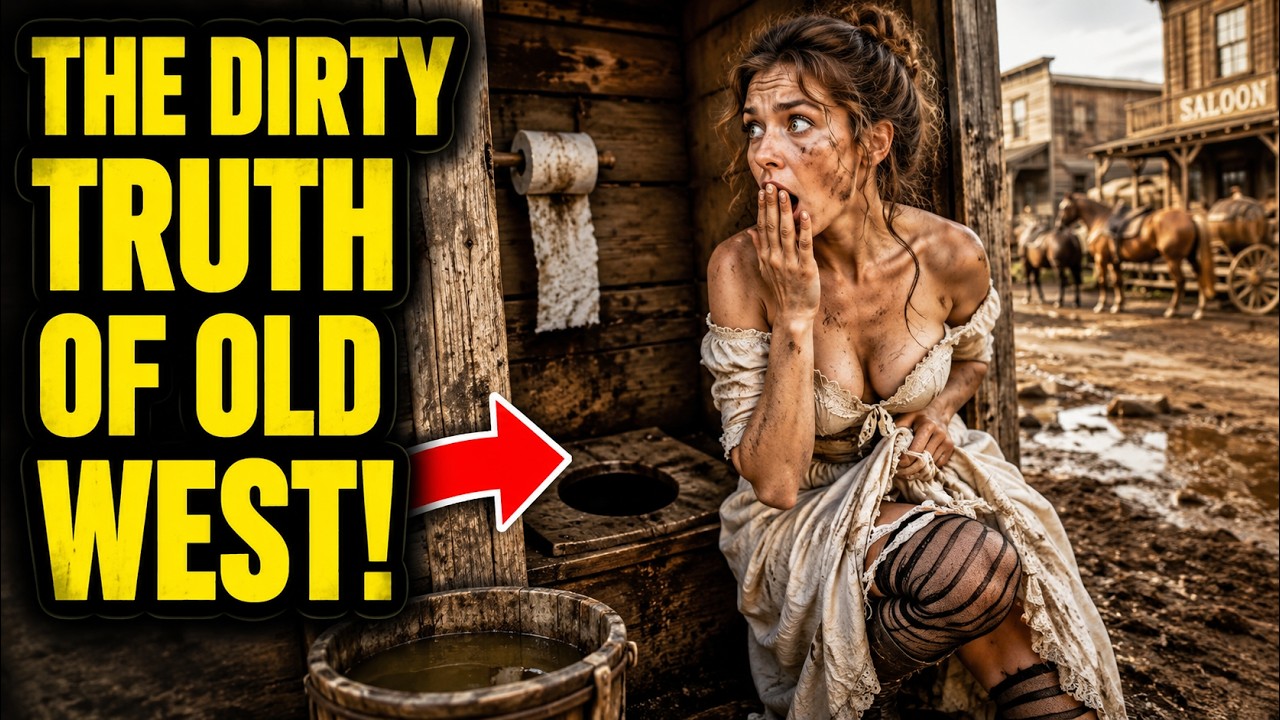
. Sanitation outside the home was also rough. Most people had no indoor plumbing, relying on outhouses, chamber pots, or outdoor arrangements. Outhouses were often placed dangerously close to wells or water sources, creating real sanitation problems with flies, bad smells, leaking waste, and poor drainage.
In winter they were miserable; in summer they could smell terrible; but they were simply part of ordinary life\
13
Towns themselves could be foul. Streets were crowded with horses, wagons, livestock, people, smoke, mud, and waste. Horses left manure everywhere; rain turned dirt streets into mud, and dry weather turned them into dust. Behind buildings, trash and waste water collected, and saloons, hotels, stables, blacksmith shops, butcher shops, and boarding houses all added their own smells.
The smell of the Old West was not just body odor but animals, tobacco, smoke, cooking fires, leather, unwashed clothes, spilled alcohol, garbage, and open drainage. The greatest danger, however, was contaminated water. People drew from wells, rivers, streams, and shared pumps, and if waste seeped in, sickness spread quickly. Many people in the 19th century blamed bad air or general filth without understanding how water carried disease.
Crowded towns and mining camps, built fast with sanitation an afterthought, made hygiene a public problem, not just a personal one. Over time, ideas about germs and public health began to change habits, but slowly. Doctors, nurses, and city leaders pushed for cleaner water, better waste removal, and handwashing, but remote ranches and small settlements lacked trained doctors and modern supplies. Towns that survived eventually built better wells, drainage systems, and plumbing, but during the classic Old West period, many communities were caught between old habits and modern public health
Women carried a heavy part of the hygiene work in households, washing clothes, boiling linens, cleaning floors, bathing children, emptying chamber pots, making soap, and keeping food areas clean.
This work was physical, repetitive, and necessary, without it, homes could become unhealthy very quickly. Cowbows on cattle drives had their own basic habits, washing in streams when possible, shaking dust from blankets, drying clothes in the sun, and using bandanas for sweat. They cared about saddle soores, chafing, insects, and skin irritation, because small problems could turn serious far from a doctor, but with long days, little privacy, and constant exposure to animals and weather, survival and work came before a bath. Appearance mattered as social strategy.
Law men, outlaws, gamblers, and cowboys all understood that a dirty man could be ignored, watched closely, or treated like trouble, while a clean coat and fresh shave made someone look respectable, even if his reputation was dangerous. Outlaws were not dirty all the time; when they had money, they dressed sharply, stayed in hotels, and looked like ordinary businessmen. Sheriffs needed authority, which was easier when they did not look like they had slept in a ditch. Hygiene in town was partly health, partly comfort, and partly social strategy
Native American hygiene practices varied widely by nation, region, climate, water sources, housing, spiritual traditions, and daily work.
Some communities used sweat lodges, plant-based cleansers, smoke, brushing tools, and regular washing practices meaningful within their cultures, while others lived in dry regions where water had to be used carefully. Native people had their own long-established ways of staying clean, treating the body, and managing health, and were not part of the dirty frontier stereotype
Western movies have made the Old West look far cleaner than it was. Shirts are too fresh, streets too neat, saloons rarely smell of horses, smoke, and spilled drinks. Real frontier life was rougher, with sweat through wool and leather, dust stuck to faces, smoke staying in hair, and beds possibly carrying insects.
But the opposite myth has also been wrong: people were not always filthy by choice. Many wanted to be clean but lived in a world where it took work, money, time, and water
The dirty truth is that hygiene in the Old West was practical, uneven, and often uncomfortable. A person in a good hotel could take a hot bath, get shaved, and look polished, while a cowboy on the trail could spend days covered in dust with only a quick wash when water allowed. A mining camp could be crowded and unhealthy, while a careful household might be cleaner than expected.
Hygiene depended on class, location, weather, water, work, and personal habits. The Old West was not one big dirty place, but a world where staying clean was never effortless—and every clean shirt, hot bath, safe cup of water, and swept floor took more effort than most people today can imagine