The blood feud that would tear DeWitt County, Texas, apart for nearly a decade did not begin with a formal declaration of war, but with a hail of gunfire on a cold Christmas Eve in the now-vanished town of Clinton. When the smoke cleared in 1868, Buck Taylor and his cousin Richard Chisum lay dead in the dirt, gunned down by a local sheriff’s deputy named William Sutton. It was not the first time Sutton had spilled Taylor blood, having previously shot Charlie Taylor during a dubious escape attempt, and it would not be the last.
That single, violent act ignited a cycle of retribution, ambush, and outright murder that would consume the region for years, drawing in outlaws, lawmen, and ultimately, the most notorious gunfighter Texas has ever produced.
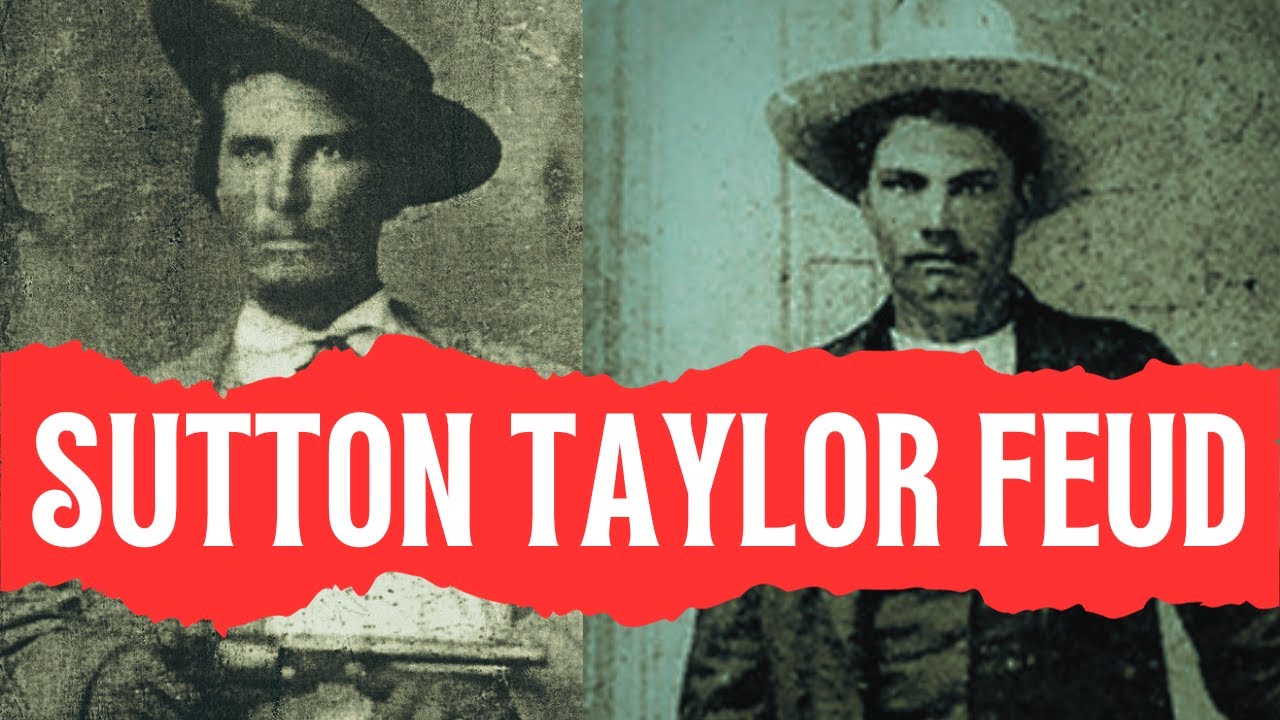 The conflict, known to history as the Sutton-Taylor Feud, was far more than a simple family squabble, it was a brutal proxy war born from the ashes of the Civil War and the political chaos of Reconstruction. On one side stood the Taylor clan, a fiercely independent and combative family who had settled the land south of Austin in the 1820s, fighting in the war with Mexico and later serving in the Confederate Army. They were a fighting stock, hell-bent on resisting what they perceived as a foreign occupation by Union troops and the despised “carpetbaggers” who flooded the state following the Confederate surrender.
On the other side was William Sutton, a former Confederate himself, who aligned with the local law enforcement and the newly formed Texas State Police, an organization that many white Texans viewed as an arm of the radical Republican governor’s oppressive regime, especially given its employment of former slaves as deputies. This was not a Hatfield-McCoy style kinship clash, but a war between rival factions over power, justice, and the very soul of the new Texas.
The post-war environment provided the perfect kindling for such a fire. The economic depression, failed crops, and the presence of federal troops turned a proud and defiant populace bitter. After the Texas Rangers were disbanded, the only real legal authority outside of local sheriffs was the state police force, led in DeWitt County by the corrupt and brutal Captain Jack Helm.
Helm, a Confederate deserter, was a crooked lawman who brought prisoners in dead more often than alive, and he, along with Sutton and other leaders like Jim Cox, used their badges as a license to 𝓀𝒾𝓁𝓁. The Taylor clan, led by the aging patriarch Pitkin Taylor, viewed this as tyranny. When Pitkin was lured into a field and filled with lead by Sutton’s faction, his son Jim Taylor swore a blood oath to wash his hands in the killer’s blood.
The feud escalated into a chaotic series of ambushes, with both sides committing cold-blooded murder, often gunning down prisoners under the guise of escape attempts.
Into this maelstrom of violence stepped a young, deadly drifter named John Wesley Harden. Still in his early twenties, Harden was a product of the same unreconstructed Rebel culture, having spent his teenage years in a haze of gunfights and cattle drives. After a jail stint and several legal scrapes, Harden returned to Gonzales County and fell in with the Taylor faction, viewing them as friends and fellow opponents of the radical rule.
 Though he initially met with Sutton faction leader Jim Cox, possibly in a secret meeting arranged by the powerful King Ranch, Harden was ultimately pushed into the open conflict when Sheriff Jack Helm insulted his wife and threatened his family. Aligning himself with the Taylors, Harden became an avenging angel for their cause. He participated in the brutal killing of Jim Cox and, two days later, the slaying of Sheriff Jack Helm himself, a murder that involved the hapless sheriff being shot in the back and repeatedly finished off at a blacksmith shop, with Harden’s version of the confrontation being far more romanticized than the grim reality.
The violence during this period reached a fever pitch. A siege at the ranch of Captain Joe Tomlinson, a man whose family ties to the Taylors did not spare him from their wrath, resulted in a temporary peace treaty signed by 42 men including Harden. But the truce was as fragile as the young gunfighter’s temper.
A violation in late 1873 led to a massive armed standoff in the town of Cuero, where over 100 armed men from each faction faced off before signing the Treaty of Cuero, a document that Harden, Bill Sutton, and Jim Taylor pointedly refused to sign. The feud was far from over; it was merely waiting for its final, bloody act. In March 1874, Harden and the Taylor brothers finally cornered Bill Sutton as he attempted to escape the region by steamer to New Orleans.
With his pregnant wife on his arm, Sutton was gunned down in a hail of bullets on the gangplank, an act of revenge that sealed Harden’s fate as a hunted man.
The killing of Bill Sutton marked a turning point. The governor, overwhelmed by the lawlessness, dispatched the newly re-formed Texas Rangers to hunt down the perpetrators. The manhunt soon centered on Harden, who was also dealing with the personal consequences of his violent life.
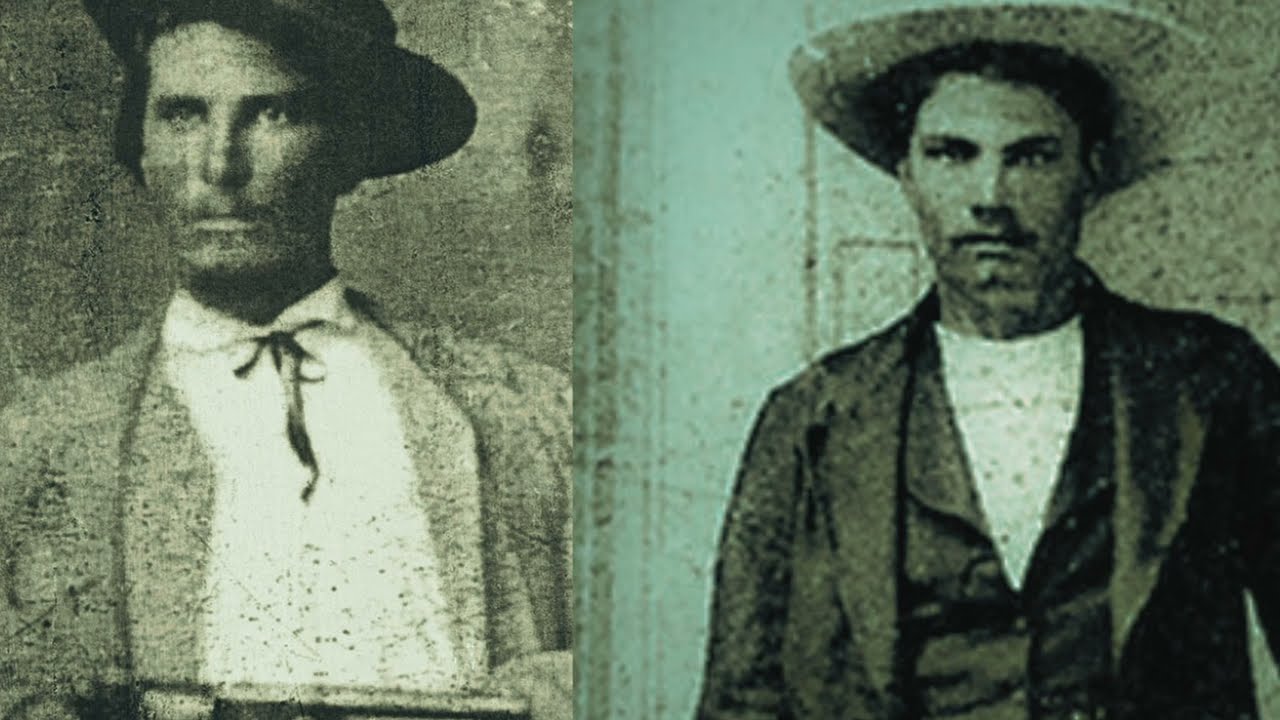 Just weeks after Sutton’s death, a drunken Harden was confronted in Comanche by a deputy named Charles Webb, a man he suspected of hunting him. A confrontation in the street ended with Webb dead, shot four times by Harden and his allies. While Harden would always maintain he acted in self-defense, as Webb’s gun had indeed fired a bullet that grazed his side, the killing galvanized local sentiment against him.
The citizens of Comanche had had enough. A company of Texas Rangers was dispatched, and one of the most intense manhunts in Texas history began. Harden and Jim Taylor swapped bullets with the Rangers, desperate to die fighting rather than surrender, with Harden having his horse shot out from under him before managing to slip away.
The resulting pursuit dismantled Harden’s world. The Rangers captured and jailed his brother, along with his brother-in-law and cousins. A vengeful mob quickly overcame the guards and lynched the prisoners from a live oak tree, an act of vigilante justice that Harden learned of from the shadows.
While several of his captured allies, including Scrap Taylor, were later lynched by Sutton partisans in DeWitt County, Harden fled Texas, a wanted man with a $4,000 price on his head. The Sutton-Taylor Feud, for all intents and purposes, was over by the end of 1875 with the death of Jim Taylor, the last great leader of the Taylor faction. But the consequences were only beginning for John Wesley Harden.
He spent the next several years moving through Florida and Alabama under the alias John Swain, trying to run saloons, butcher shops, and logging camps. He was a troubled fugitive, involved in gambling disputes and allegedly killing more men along the way, but his brutality was relentless, and his appearance in a town always seemed to promise bloodshed.
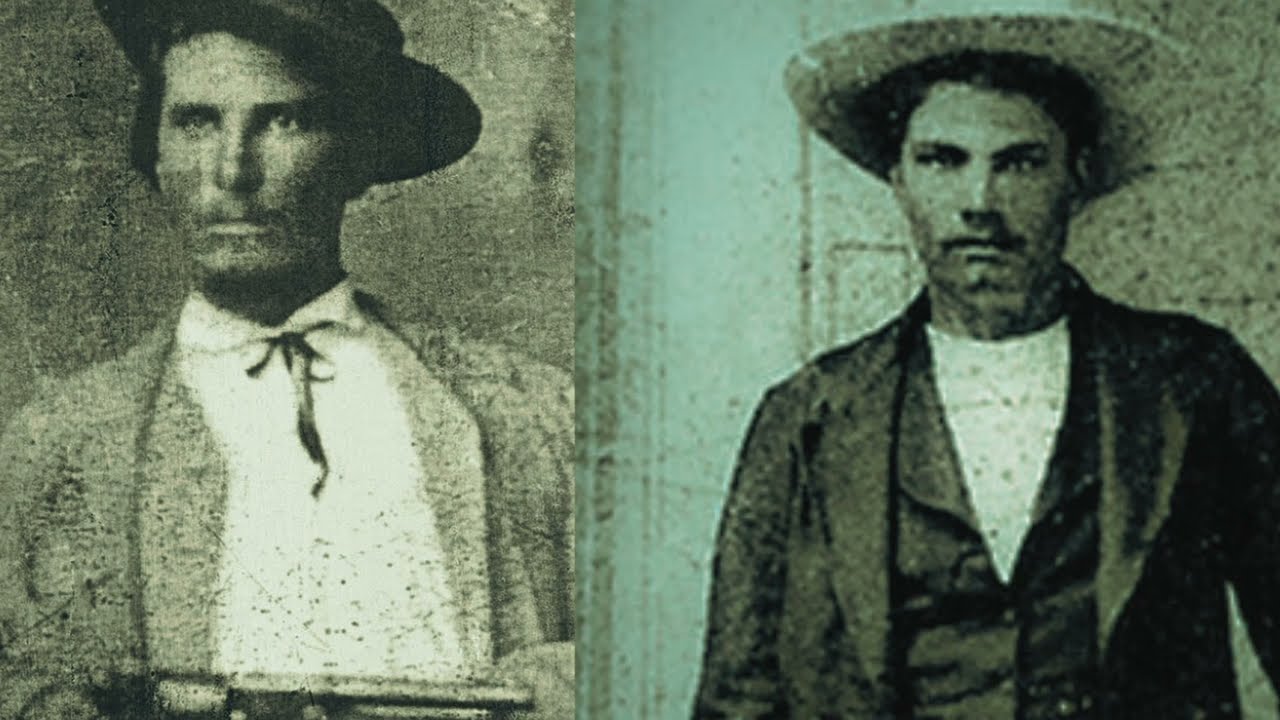 Finally, in the summer of 1877, the long arm of Texas law caught up with the legendary killer. Lieutenant John Barclay Armstrong, a Texas Ranger who had cut his teeth during the Sutton-Taylor Feud, tracked Harden to his hideout in Alabama. With the help of a detective who used a letter from Harden’s brother-in-law to pinpoint his location, Armstrong set a trap.
As Harden tried to board a train in Pensacola, Florida, the Rangers closed in. A fierce struggle ensued, with Harden fighting violently until Armstrong knocked him unconscious with the butt of his revolver. The man who terrorized DeWitt County was finally in chains.
He was transported back to Austin under heavy guard, a spectacle for the gawking crowds. His trial for the murder of Deputy Charles Webb lasted a mere two days, and while the jury acknowledged some evidence of self-defense, they also considered his prior threats a conspiracy. The verdict was guilty of second-degree murder, and on October 5, 1878, John Wesley Harden, convict number 7109, entered the gates of Huntsville State Penitentiary, sentenced to 25 years of hard labor.
He was just 25 years old, with the blood of dozens of men on his hands and a legacy of fear, bloodshed, and revenge etched into the history of Texas.