In September 2012, a user on the dark web marketplace Silk Road discovered a critical flaw in the platform’s withdrawal system. By double-clicking the withdrawal button, the individual found they could withdraw double the amount of cryptocurrency they had deposited, essentially draining funds that did not belong to them. This exploit would eventually lead to one of the largest cryptocurrency thefts in history and the biggest seizure of digital assets from a single person by U. S.
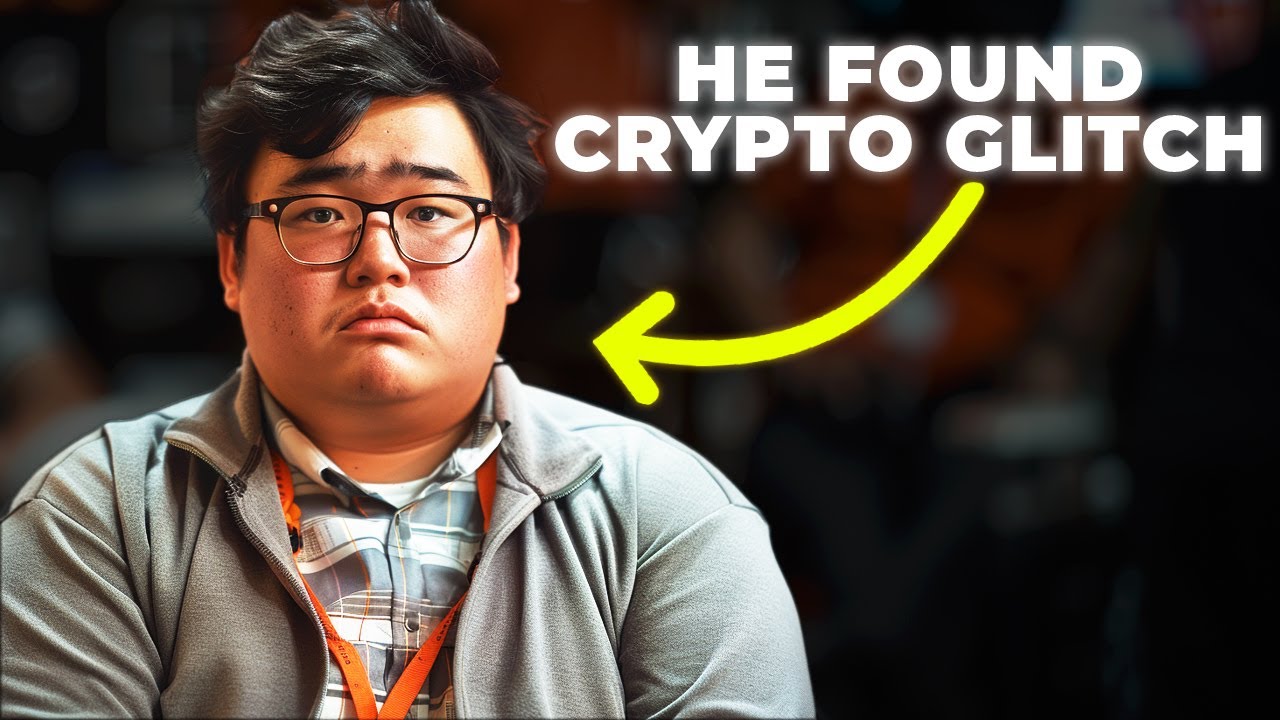
federal authorities. The man behind the scheme was James “Jean” Jang, a 24-year-old who had suffered from undiagnosed autism, bullying, and social isolation throughout his life. He had no close friends or family to lean on and spent lavishly to gain acceptance, buying luxury items, nightclubs, and even a $16 million property in Athens stocked with jet skis, boats, and a stripper pole. He once rented a private jet for a cross-country flight and gave his companions up to $10,000 each for shopping sprees on Rodeo Drive, all while having no visible source of income.
The theft itself stemmed from Jang’s use of Silk Road, the first major cryptocurrency-powered darknet market, which at its peak accounted for over 20% of Bitcoin’s daily economic activity. In March 2012, Jang deposited Bitcoin into the site, and through a series of rapid-fire transactions involving nine accounts designed to obscure his identity, he manipulated the system into transferring more than 50,000 Bitcoins into his control. In one instance, he deposited 500 Bitcoin and made five rapid withdrawals, netting 2,000 Bitcoin in seconds. The cryptocurrency he withdrew at the time was worth about $62,000, but its value has since soared to over $3 billion.
Despite the scale of the theft, Jang never listed or purchased any items on Silk Road. He registered accounts with only the minimum information required and moved funds through multiple addresses and crypto mixers to hide their origin. For years, federal investigators watched as the Bitcoin moved across the blockchain, unable to identify the owner. All that changed in August 2017, when a hard fork split Bitcoin into two separate currencies, creating Bitcoin Cash.
Because Jang’s wallets held Bitcoin at the time of the fork, they received matching balances on both blockchains. That split proved to be his undoing. In September 2019, blockchain analytics firm Chainalysis traced the movement of funds and linked the addresses to an account on a centralized exchange, which had collected “know your customer” information and an IP address. That information led investigators directly to Jang.
When they first visited him, he cooperated, even showing them his security system and claiming he had used a metal case to store Bitcoins. But what he didn’t know was that the agents were already building a case against him. During a subsequent visit, one agent told Jang that he wasn’t there to help him but to convict him. Before Jang could recover from the shock, an officer slid a device called a “Jiggler” into his laptop, keeping the cursor active to prevent it from going to sleep.
The agents then raided his home, uncovering evidence tied to the Silk Road theft. In total, investigators seized over 50,000 Bitcoins, along with other assets, though these were distinct from the 50,419 Bitcoins the FBI had earlier recovered from Silk Road in a separate operation. Jang’s defense team argued that he was a victim of his own dysfunctional upbringing, with no friends or family to turn to, and that the crime never directly harmed the government or any individual victim, as the funds came from an illegal marketplace. Despite these arguments, in April 2023, a federal judge sentenced Jang to one year and one day in federal prison.
Since July 14, 2023, he has been serving his sentence at a federal prison camp in Montgomery, Alabama. The original crime that set everything in motion—the theft of Bitcoin in Athens that led to Jang’s 911 call in March 2019—remains unsolved. The perpetrator has never been identified. Jang’s dog, Chad, has been left in the care of a friend.
The case serves as a stark reminder that cryptocurrency is not the anonymous, untraceable asset many believe it to be. The immutable and public nature of the blockchain makes it, in many ways, easier to trace than traditional fiat currency. As for the stolen Bitcoin that the federal government seized, it was sold off at auction, with the proceeds kept by the government. Before his sentencing, Jang told the judge that having billions in stolen Bitcoin made him feel important.
He left the courtroom covering his head with his coat, without saying a word.