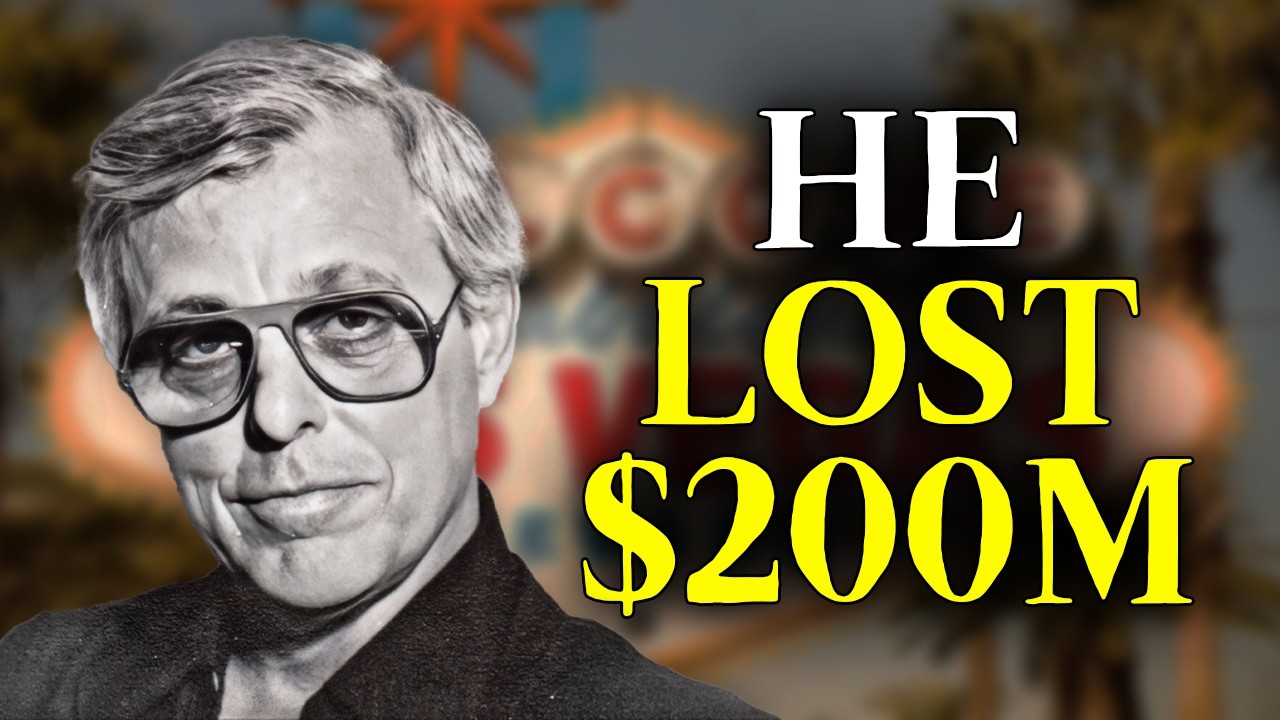
On a single night in Atlantic City, billionaire real estate developer Carl Thomas lost $200 million playing baccarat at the Borgata Casinoand then reportedly asked for more credit when the sun came up. The loss, believed to be the largest known single-session gambling defeat in history, did not end with the cash vanishing from his accounts. Thomas later refused to pay, sparking a legal battle that raised uncomfortable questions about how casinos court and profit from the most vulnerable high rollers. Born in 1946, Thomas built a real estate empire worth an estimated $2 billion, developing shopping centers, office buildings, and residential complexes across multiple states.
By the early 2000s, however, business deals no longer provided the rush he craved. He discovered baccarat ona business trip to Las Vegas, and he was hooked. Not just by the winnings but by the game’s simplicity and speed, a binary battle between banker and player where a single hand could move $100,000 or more. In the casino industry, Thomas became what is known as a whale, a player who bets five figures or more per hand and generates a disproportionate share of gaming revenue.
Though fewer than 1percent of customers, whales can account for up to half of a high-end property’s gambling income. So, casinos competed fiercely for Thomas’s business, offering private jets, penthouse suites, celebrity chef dinners, personal hosts, and, crucially, massive lines of credit at zero percent interest. The house edge was their interest rate, a guaranteed long-term profit that they knew would eventually grind downany player. Thomas’s credit at the Borgata was estimated between $100 million and $150 million, extended because he had always paid his markers punctually.
On that Thursday evening in 2011, he sat at a private table with a $100,000 minimum bet and no maximum. For hours, he played steadily, but around midnight his luck turned. As losses mounted, Thomas increased his bets from $300,000 to as much as $1 million per hand, chasing recovery. Pit bosses watched as he signed marker after marker, but they did not intervene, letting the game continue until 6:00 a.
m. , when he had signed markers totaling $200 millionand lost every dollar. Witnesses said Thomas remained eerily calm throughout, simply asking if he could have more credit when the session ended. The answer was no.
Thirty days later, when the markers came due, Thomas refused to pay, claiming the casino had acted improperly. In April 2014, the Borgata sued him in New Jersey Superior Court. Thomas countersued, arguing that the casino had violated gaming regulations by extending credit to a known gambling addict, exploiting a compulsion they had recognized while failing to intervene when he was clearly chasing losses irrationally. His lawyers pointed to his escalating bets as evidence of impaired judgment.
The Borgata responded that Thomas was a sophisticated billionaire who had signed every marker voluntarily and had shown no signs of intoxication or confusion. Letting him void the debt because he lost too much, they argued, would collapse the credit system by inviting every losing gambler to claim addiction retroactively. In February 2015, a judge allowed both the casino’s claim and Thomas’s counterclaim to proceed. Rather than face a lengthy public trial, both sides settled in October 2016.
The terms were sealed, but industry analysts estimated Thomas paid between $80 million and $120 million, far less than he owed but still an astronomical sum. The settlement did not cure Thomas’s addiction. Between 2011 and 2016, while litigation dragged on, he continued gambling in Las Vegas, Atlantic City, and Macau, reportedly losing another $30 million ona weekend in Vegas in 2017 and $40 million ata Macau casino during Chinese New Year in 2018. Casinos, aware of his situation, still welcomed him, some even lowering credit limits or requiring cash deposits while others saw anopportunity.
His business empire eroded as he became distracted, made poor decisions, and soldor leveraged properties, sometimes reportedly to cover gambling debts. Friends and family staged interventions to no avail. For someone who had built a fortune on calculated risk, the pure chance of baccarat, with its mathematical edge against the player, proved irresistible. Thomas kept playing, kept signing markers, and kept losing, while the casinos kept dealing, extending credit, and profiting from his inability to walk away.
His net worth, once over $2 billion, steadily declinedas the game that had made him a legend also destroyed him.