Abraham Lincoln is remembered as the Great Emancipator, but his views on racial equality were far more complicated than his legacy suggests. The 16th president opposed slavery, yet he did not believe in living alongside freed Black Americans. Instead, he pursued a plan to send emancipated slaves to a colony abroad—a place he envisioned calling “Linconia. ”
On August 14, 1862, Lincoln invited a delegation of African-American leaders to the White House in an attempt to win support for resettling freed slaves on roughly 10,000 acres in present-day Panama.
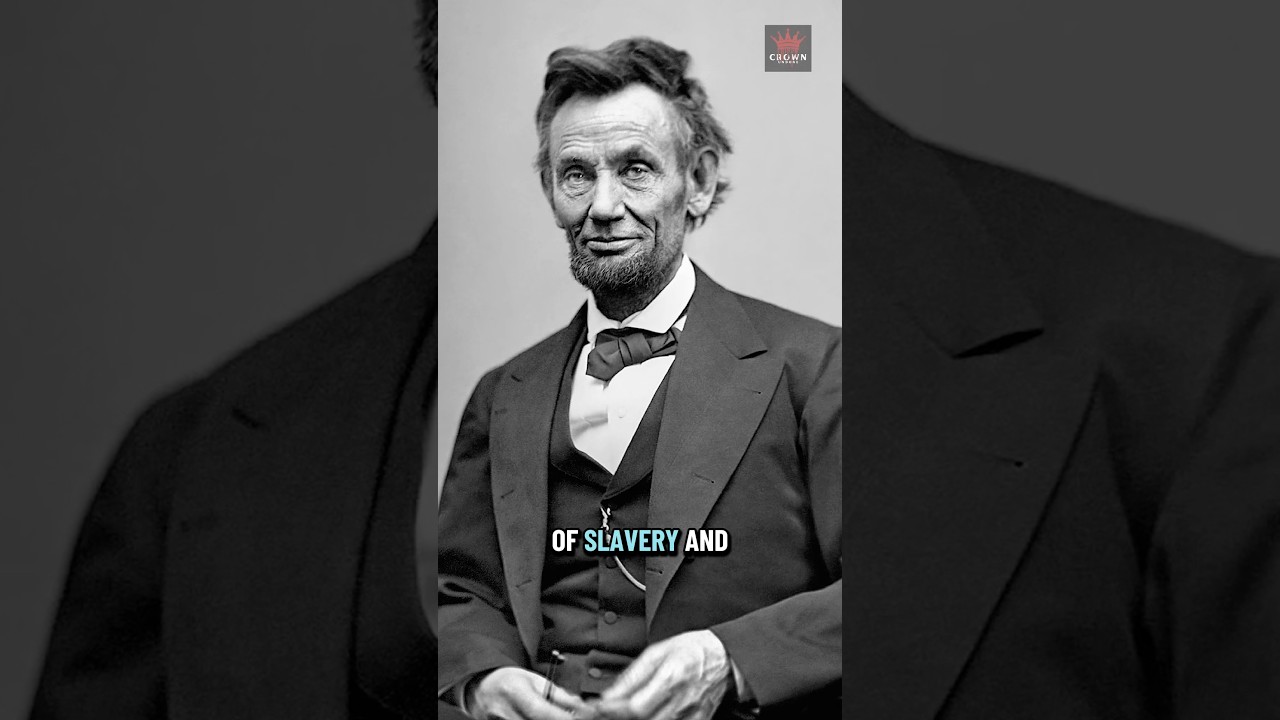
During that meeting, he made remarks that would later be scrutinized by historians, telling the delegation, “You and we are different races. Without the institution of slavery and the colored race as a basis, the war could not have an existence. ”
The proposal was backed by Kansas Senator Samuel C. Pomeroy, who offered to organize immigration parties of Black Americans willing to relocate to Central America.
An agreement was even reached with landowner Ambrose W. Thompson to begin developing the Panama Mines, where the resettled immigrants would be expected to work. But the plan quickly unraveled. Within weeks, Thompson’s legal rights to the Panama Mines were challenged, and representatives from Costa Rica, Nicaragua, and Honduras officially opposed the scheme.
The project faced mounting resistance on multiple fronts. Pomeroy claimed to have found around 500 volunteers who were ready to make the journey, but Lincoln ultimately abandoned the idea. Historians suggest the president likely realized he could not expect Black Americans who had fought for the Union during the Civil War to then be effectively exiled from the country. Lincoln never publicly mentioned the colonization scheme again.
The dream of Linconia quietly faded into history, leaving behind a complicated footnote in the legacy of a president celebrated for emancipation.