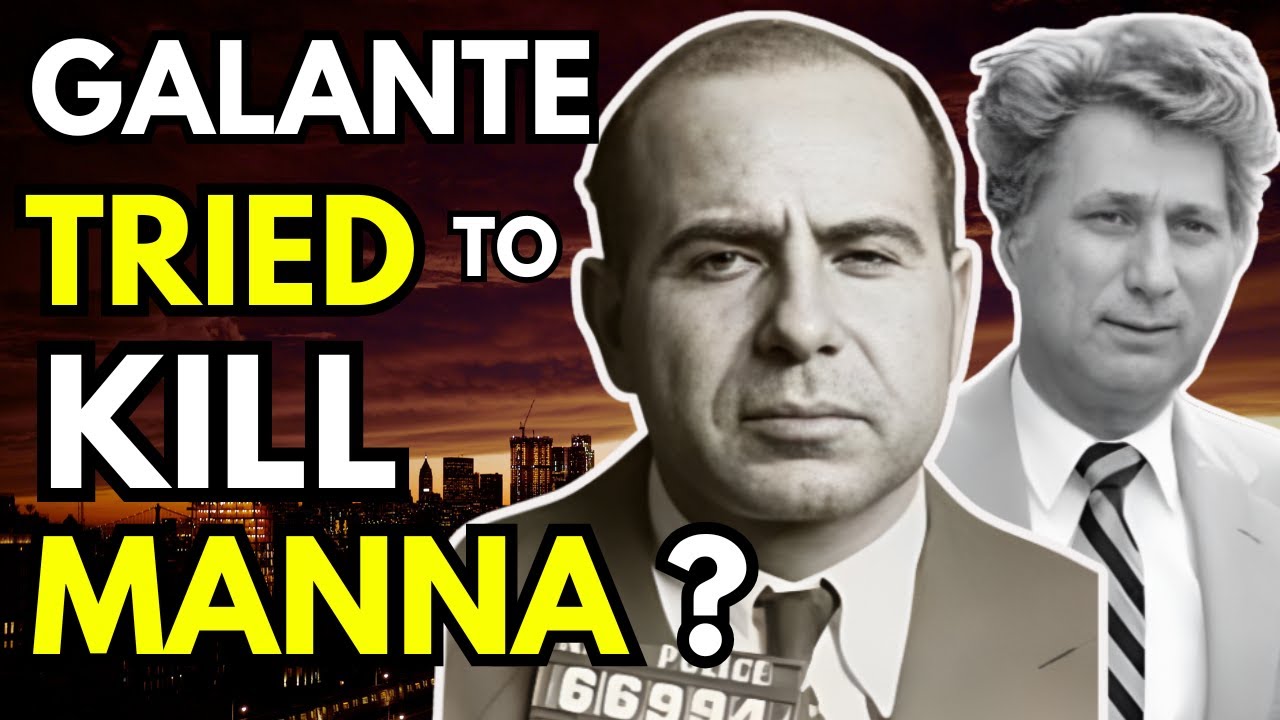
Two days after Carmine Galante walked out of prison in January 1974, the doors of Frank Costello’s mausoleum were blown off. Many believed Galante ordered the bombing. He had just completed 12 years of a 20-year sentence for federal narcotics charges, and he returned to New York with a reputation for extreme violence and a well-documented ambition to become the top mobster in the city. According to FBI files and law enforcement intelligence from the era, Galante’s release created a significant power struggle within the Bonanno crime family.
At the time, Philip “Rusty” Rastelli was the official boss, but sources reported that Galante coveted that position for himself. In March 1974, Rastelli’s stepson, James Ferragamo, was shot to death outside his clothing store in Brooklyn’s Williamsburg neighborhood. Mob legend held that Galante ordered the hit as a warning to Rastelli to step aside, though that connection has never been confirmed. The FBI believed Galante was also moving against Carlo Gambino, then considered the boss of bosses in New York.
One intelligence report alleged that Galante had formed a coalition of mafia families pressuring Gambino to abdicate, threatening that he would be killed if he refused. Federal agents claimed Galante had aligned himself with the Genovese family, specifically through Genovese boss Frank Tieri, consigliere Benny Squint (real name Phillip Lombardo), and capos Vincent Gigante and Dominic Cirillo, as well as lieutenant John Delgaizo. The files state that Tieri was semi-retired and that Lombardo actually handled the family’s day-to-day business. That dynamic led some observers to believe Lombardo was the real power behind the Genovese throne, using Tieri as a front.
This situation created a puzzle for investigators. If Galante was cooperating with the Genovese family, why would he target Bobby Manna, a respected member of that same family? Manna was a longtime Bonanno soldier based in New Jersey, though he was well-known in Manhattan. His father had also been a mobster.
FBI files show that Manna was a member of the Gambino family’s powerful Greenwich Village crew, and he was based out of New Jersey. The connection between Galante and Manna ran through a web of relationships and reported disputes. Joseph “Joe Bono” Zicarelli, a powerful Bonanno capo also based in New Jersey, played a role. Carlo Gambino had once served as a mentor to Zicarelli, and some FBI records suggest Zicarelli and Manna may have had legitimate business interests together.
But a darker theory emerged from the files: Galante allegedly lost money belonging to Zicarelli and blamed him for it. According to one informant, Galante believed Zicarelli owed him money and had vouched for a man who failed to pay Galante. The informant claimed Galante was pressing Zicarelli to repay funds Galante had lost. Complicating matters further, mobster and FBI informant Vincent “Chin” Gigante reportedly told authorities that Galante’s crew was pressuring Manna, who was himself a target for a hit.
One file states that both Zicarelli and Manna were marked for death. The FBI believed that Galante may have wanted Zicarelli dead because Galante lost Galante’s money, and that Manna may have been targeted for his association with Zicarelli. However, other reports suggest Galante may have wanted Manna dead because Manna was butting heads with Galante’s nephew, who was trying to move in on Manna’s territory. The FBI’s files also noted that Manna and Zicarelli may have been involved in disputes over money, and that Galante’s crew was attempting to squeeze them both.
Whether Galante directly ordered hits on either man remains a matter of speculation. The files themselves acknowledge uncertainty, and some information may be inaccurate. What is clear is that Galante’s release from prison set off a chain of events that drew in multiple New York crime families and created alliances and enemies that would shape the city’s underworld for years.
The full scope of Galante’s intentions remains unknown, but the FBI’s own records show that the aging mobster was willing to use fear, violence, and alliances to seize power even if it meant going after men connected to the most powerful families in the city.