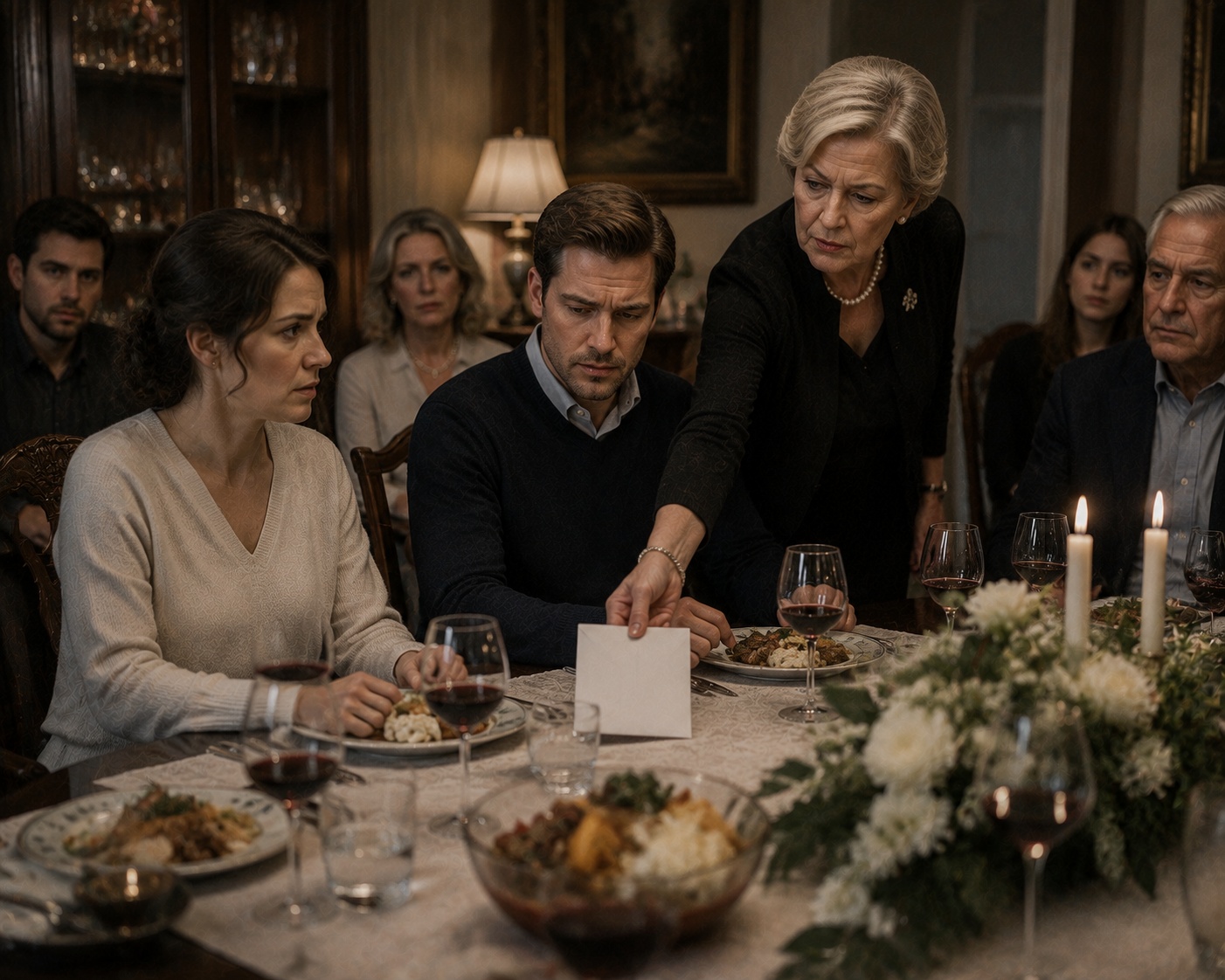
Przez kilka sekund po tym, jak Radek otworzył kopertę, nikt przy stole się nie odezwał. Moja pięcioletnia córka spokojnie rysowała konia, zupełnie nieświadoma, że dorośli wokół niej właśnie mierzą się z prawdą, która może zmienić wszystko. Patrzyłam na twarz mojego męża i widziałam, jak z każdą kolejną stroną znika jego pewność siebie. Najpierw był zdziwiony, potem zszokowany, a na końcu wyglądał tak, jakby ktoś odebrał mu wszystkie odpowiedzi, które znał przez całe życie. Moja teściowa siedziała naprzeciwko z tym samym spokojnym wyrazem twarzy, który widziałam przez ostatnie dwanaście lat. Była przekonana, że w końcu udowodni coś, co od dawna próbowała wszystkim wmówić. Myślała, że ten dokument pokaże, że nie jestem odpowiednią żoną dla jej syna. Nie wiedziała jednak, że prawda, którą trzymała w rękach, nie uderzy tylko we mnie. Uderzy w całą historię jej własnej rodziny.
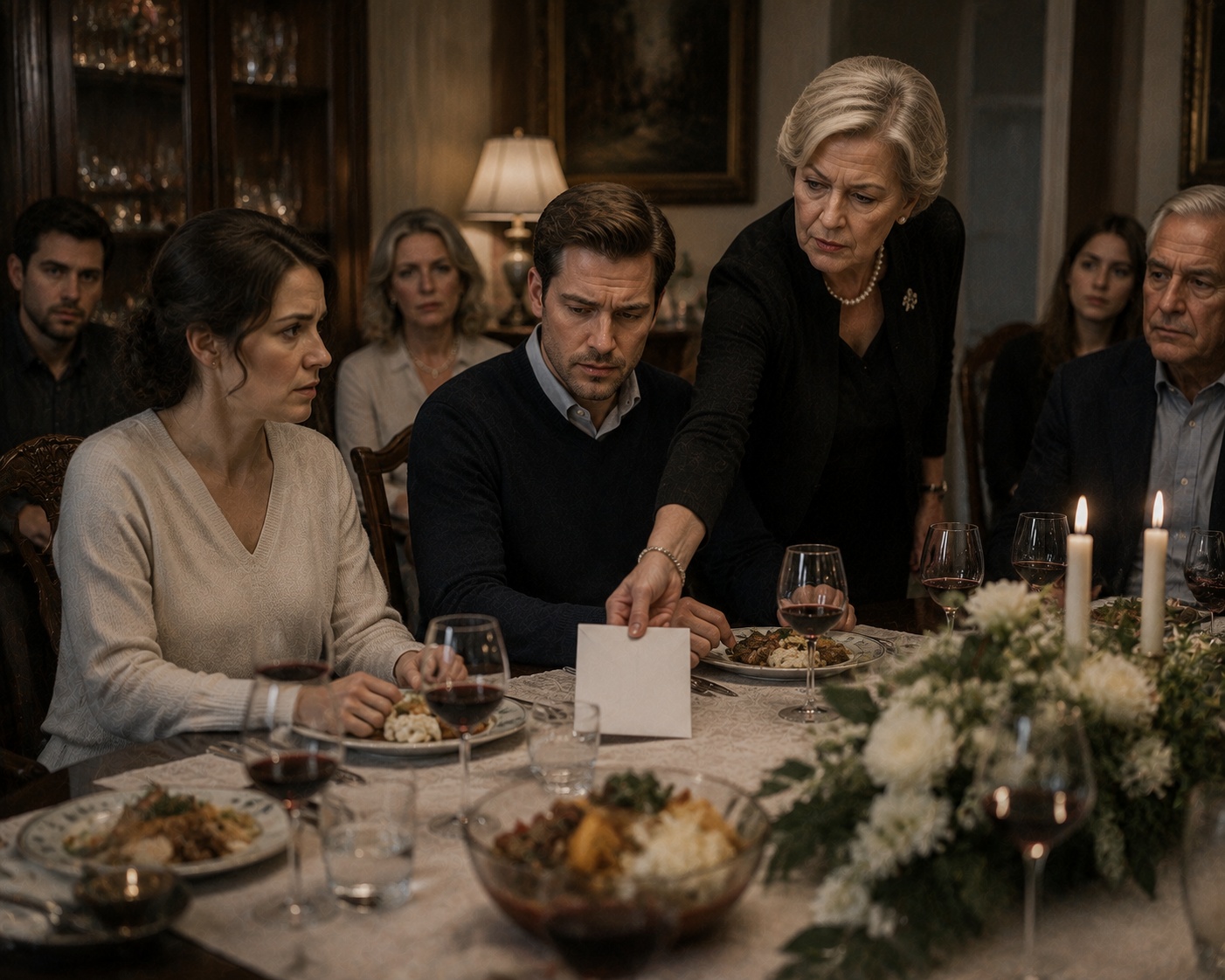
Kiedy Radek skończył czytać dokument, spojrzał najpierw na mnie, a potem na swoją matkę. W jego oczach zobaczyłam coś, czego nigdy wcześniej nie widziałam — rozczarowanie. Zapytał spokojnie: „Mamo, dlaczego zrobiłaś to bez naszej wiedzy?”. Wtedy po raz pierwszy teściowa straciła swoją pewność siebie. Zaczęła tłumaczyć, że chciała tylko poznać prawdę, że miała wątpliwości i że jako matka miała prawo wiedzieć wszystko o rodzinie swojego syna. Ale ja słuchałam jej słów i czułam ogromny ból. Nie dlatego, że chciała odpowiedzi. Każdy człowiek ma prawo do pytań. Bolało mnie to, że przez lata patrzyła na mnie jak na kogoś podejrzanego. Zamiast poznać mnie naprawdę, szukała dowodu, który pozwoliłby jej mnie odrzucić.
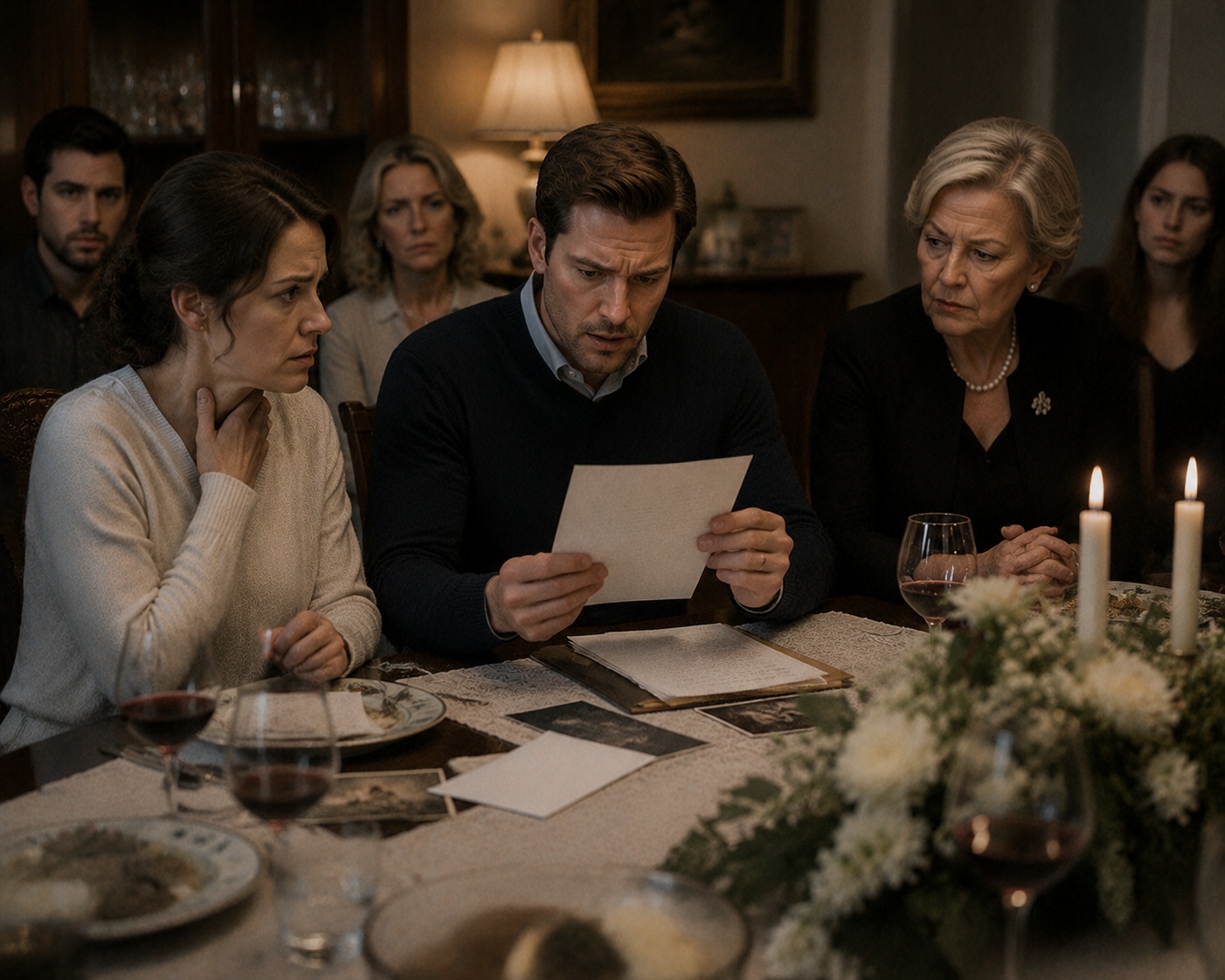
Wtedy Radek zaczął czytać dokument jeszcze raz, tym razem dokładniej. Okazało się, że nie był to zwykły wynik badania, który miał potwierdzić jej podejrzenia. Teściowa przez długi czas ukrywała fakt, że sama miała wątpliwości dotyczące swojej przeszłości. Dokument, który przyniosła, nie był dowodem przeciwko mnie ani mojej córce. Był częścią historii, którą sama próbowała zrozumieć od wielu lat. W końcu wyszło na jaw, że jej zachowanie wobec mnie nie wynikało tylko z niechęci. Przez całe życie nosiła w sobie sekret związany z własną rodziną i bała się, że pewne prawdy mogą zniszczyć jej obraz idealnego życia. Przeniosła swoje lęki na mnie, bo łatwiej było uwierzyć, że problemem jestem ja, niż zmierzyć się z własnym bólem.
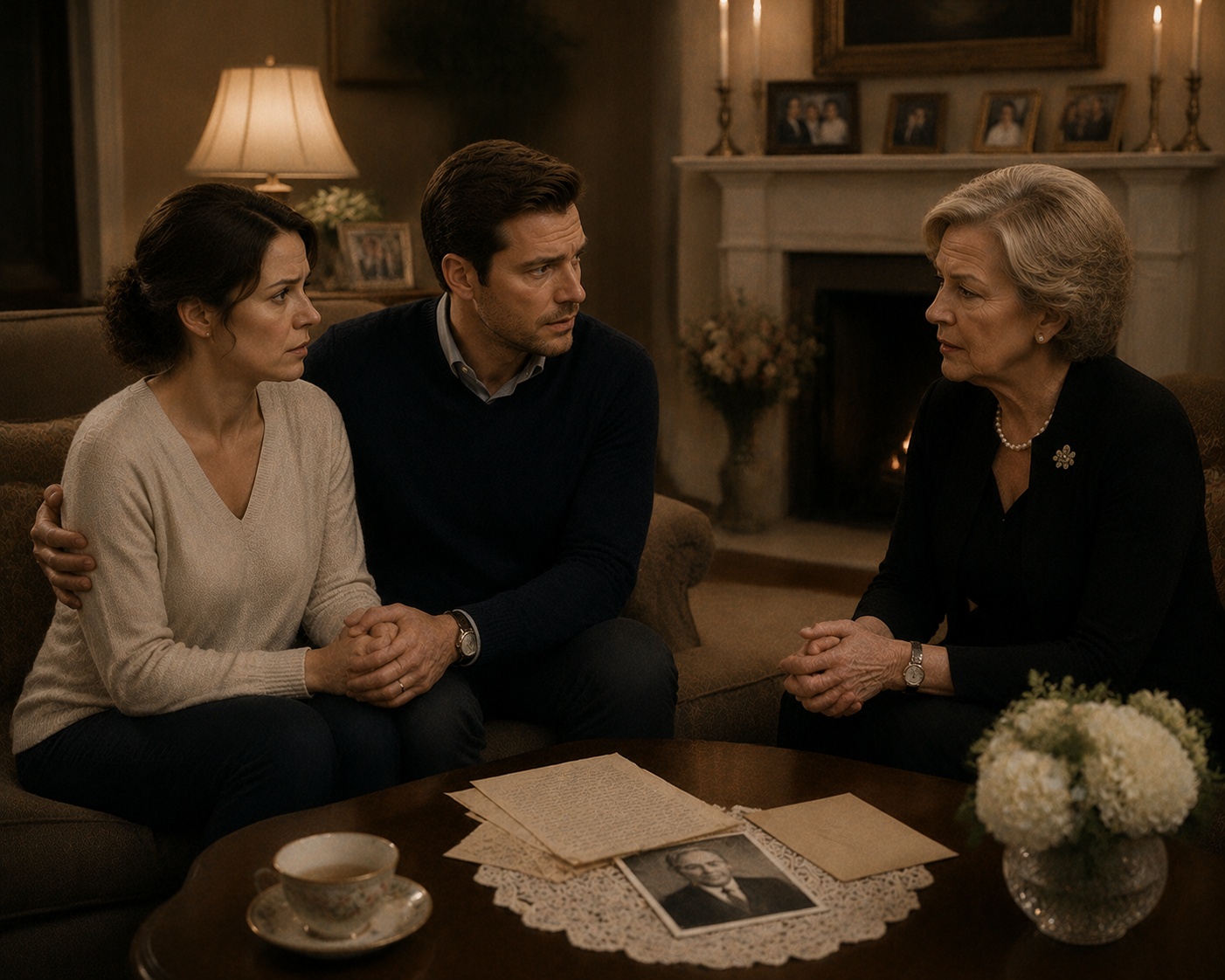
Najtrudniejszy moment przyszedł wtedy, gdy moja teściowa po raz pierwszy przestała być kobietą, która mnie oceniała, a stała się po prostu człowiekiem. Zobaczyłam w jej oczach łzy. Powiedziała, że przez lata bała się stracić syna i że popełniła błąd, próbując kontrolować wszystko wokół siebie. Przyznała, że nie dała mi szansy, bo od początku założyła, że nie jestem wystarczająco dobra. Radek siedział cicho, trzymając moją dłoń pod stołem. Wiedziałam, że on również przeżywał ten moment. Przez lata próbował być między nami mediatorem, ale teraz zrozumiał, że milczenie również było wyborem. Powiedział swojej matce: „Mamo, przez dwanaście lat ocenialiście kobietę, która była moją największą podporą. Nigdy nie zapytałaś, ile dla mnie zrobiła”.
Po tamtym dniu nic nie zmieniło się natychmiast. Nie można naprawić dwunastu lat bólu jednym przepraszam. Ale po raz pierwszy zaczęliśmy rozmawiać szczerze. Moja teściowa przestała patrzeć na mnie jak na obcą osobę. Ja również nauczyłam się patrzeć na nią inaczej — nie jak na kobietę, która chciała mnie zniszczyć, ale jak na osobę, która przez lata pozwoliła, aby strach kierował jej decyzjami. Dzisiaj wiem, że ta koperta nie była końcem naszej rodziny. Była początkiem prawdziwej rozmowy. Przez lata myślałam, że największą walką jest zdobycie akceptacji mojej teściowej. Teraz rozumiem, że najważniejsze było, abyśmy wszyscy przestali żyć w domysłach i zaczęli mówić prawdę. Bo czasami sekret, który ma zniszczyć rodzinę, staje się pierwszym krokiem do jej uzdrowienia.