In an explosive political showdown just minutes ago, Opposition leader Sussan Ley publicly condemned Senator Penny Wong for conspicuously absenting herself from critical moments following the horrific Bondi terrorist attack. Ley slammed Wong for ignoring victims’ funerals and community vigils, accusing her of failing leadership when empathy and presence were demanded most.
 The political temperature soared as Ley’s scathing remarks laid bare divisions over the government’s response to Australia’s deadliest terror attack in decades. Australians remain deeply unsettled after 15 innocent lives were brutally taken last Sunday at Bondi, and the demand for accountability and transparent investigation is deafening. Ley’s blistering criticism marks a pivotal escalation in the national discourse on leadership during crisis.
Senator Penny Wong, Australia’s Foreign Minister, found herself at the heart of this brewing storm for her perceived absence from the scenes of mourning and her refusal to endorse a Commonwealth Royal Commission into the attack. Ley accused Wong of ignoring public expectations, stating bluntly that Wong hadn’t attended a single funeral, vigil, or made a personal visit to Bondi during this critical week.
This confrontation underscores more than just optics—it touches on fundamental questions about how Australia confronts tragedy. While Wong has condemned the attack and advocated for strengthening national security agencies, critics argue that these measures fall short of delivering the comprehensive justice and closure families demand. Presence, not just policy, has become a political fault line.
Ley’s comments hit especially hard against the backdrop of ongoing public grief and the Jewish community’s trauma, exacerbated by rising anti-Semitic threats in Australian cities long ignored by the government. She charged that the Albanese administration, including Wong, had been “tone deaf” for over two years, dismissing credible warnings from vulnerable communities. This perceived neglect now fuels unprecedented outrage.
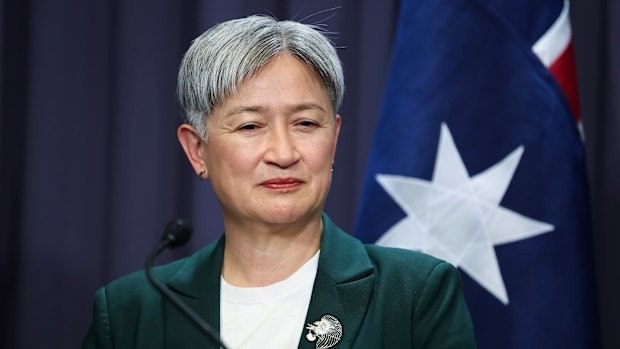 The Labor government’s reluctance to commit to a Royal Commission—a powerful investigative body with sweeping authority—has alienated key party members like Ed Husic and Mike Freelander, who have publicly backed calls for the inquiry. Even former Labor MPs are now adding pressure, fracturing the party and exposing cracks in the government’s unified front.
In contrast, Wong defends the government’s approach as pragmatic, emphasizing swift reviews of law enforcement and intelligence agencies’ capabilities rather than what she warns could be an overly politicized formal investigation. This juxtaposition of technocratic strategy versus urgent public demand has created a volatile atmosphere awaiting decisive leadership action.
Australia’s political landscape now finds itself deeply polarized, with optics and 𝓈𝓊𝒷𝓈𝓉𝒶𝓃𝒸𝑒 colliding fiercely. The opposition frames Wong’s absence as a failure of human empathy and visible leadership, vital components when a nation mourns and seeks reassurance. Social media outcry mirrors this sentiment, amplifying pressure on the government to act not only swiftly but visibly.
The timing of this confrontation could not be more critical. Moments after Bondi’s streets were stained by terror, Australians looked to their leaders for comfort and solidarity. Wong’s absence at memorials was noted and politically weaponized, turning grief into a crucible testing leadership credibility and engendering a public relations crisis within the Labor ranks.
Ley’s relentless spotlight on Wong aims to seize the narrative amid simmering tensions. By portraying herself as the voice of unyielding leadership and transparency, Ley sharpens the government’s vulnerabilities. For the public, this is no longer a matter of politics alone but a profound reckoning about who truly stands with victims in times of national trauma.
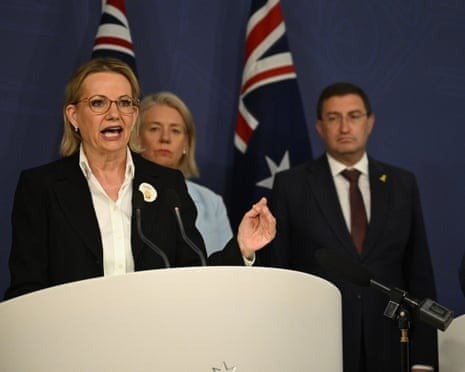 The public debate surrounding the Royal Commission is emblematic of a larger struggle to balance inquiry and action. A Royal Commission offers unparalleled investigative powers to dissect failures leading to the attack, promising comprehensive answers and future protections. The government’s interim review, however, faces criticism as insufficient, raising fears of obfuscation and limited accountability.
Penny Wong’s public assurances focus on enhancing national security frameworks, insisting on a forward-looking stance prioritizing immediate safety. Yet, her inability to publicly mourn alongside affected families has undermined this stance, painting a portrait of a government more comfortable with bureaucratic processes than heartfelt engagement amid crisis.
This fissure between policy and public perception highlights a broader challenge for political leadership: the imperative to embody empathy alongside governance. Australians demand leaders who transcend the podium, stepping visibly into their communities’ pain and advocating with both words and actions for justice and healing.
As this 𝒹𝓇𝒶𝓂𝒶 unfolds, key questions loom. Will Penny Wong heed calls to visibly engage with the communities shattered by the Bondi massacre? Will Prime Minister Albanese respond to growing internal and public demands by endorsing a full Royal Commission? Or will political calculations continue to overshadow transparent reckoning?
What is clear is that this rapidly evolving story is reshaping the tenor of Australian political discourse. The events around Bondi have sparked more than mourning—they have ignited calls for accountability, leadership integrity, and rekindled debate on how government responds to threats against its people.
In this charged atmosphere, the courage and decisiveness of Australia’s leaders hang in the balance. The nation watches with bated breath, expecting not only strategic reforms but compassionate presence. The next moves by Wong, Albanese, and Ley will indelibly mark their legacies and shape public trust in the government’s ability to safeguard all Australians.
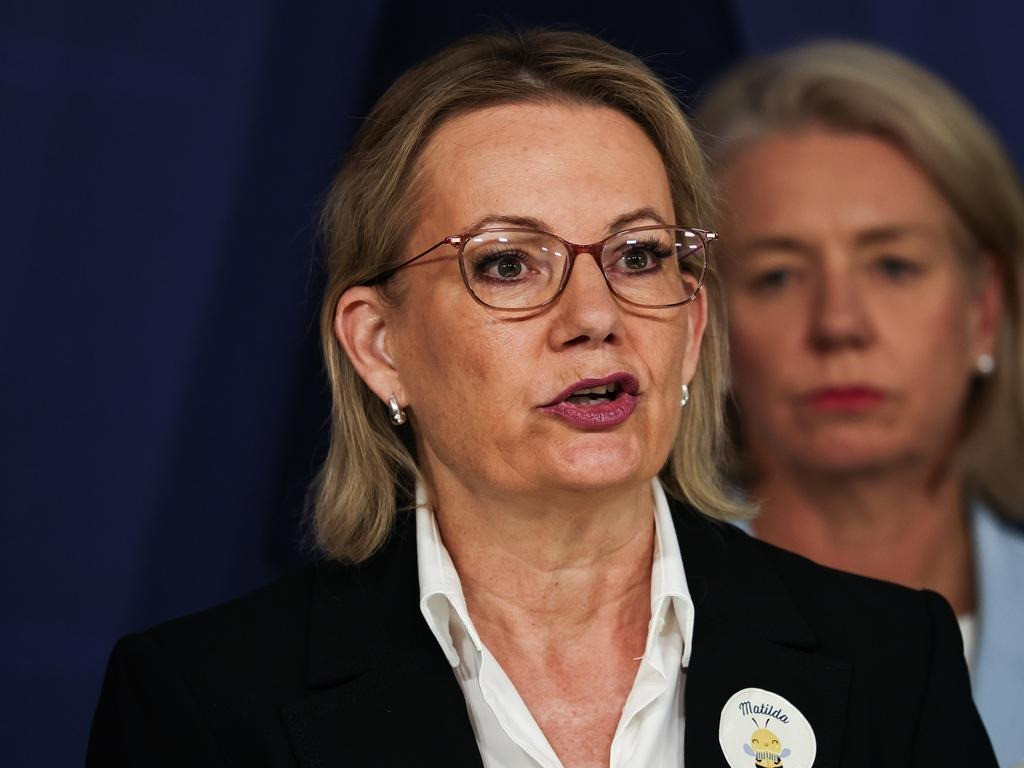 This political clash, fueled by tragedy and raw public emotion, underscores an urgent need for transparent action that honors victims and reassures a fearful population. The eyes of Australia remain fixated on Canberra, waiting for leadership that transcends rhetoric and reflects the gravity of the moment.
As the story continues to develop, one thing is beyond dispute: the Bondi massacre has become a defining test of political leadership, empathy, and accountability in modern Australia. The pressure cooker of national grief and demand for justice ensures nothing less than transformative responses will suffice.
Stay tuned as this breaking story unfolds with new developments expected in the coming days. The intersection of politics, policy, and profound human tragedy intensifies, making this a watershed moment with implications far beyond the halls of Parliament. Australians deserve nothing less than clarity, compassion, and unwavering commitment to safety.