Das Klacken italienischer Schuhe hallte durch den Marmorkorridor des Bundesgerichts, als Marcus Alvarez die Doppeltüren des Sitzungssaals aufstieß. Zehntausend Euro Anzug, zwei Sicherheitsleute, die jeden zurückwiesen. Das Gemurmel verstummte. „Alle erheben sich zur Ankunft der ehrenwerten Richterin Diana Santos.
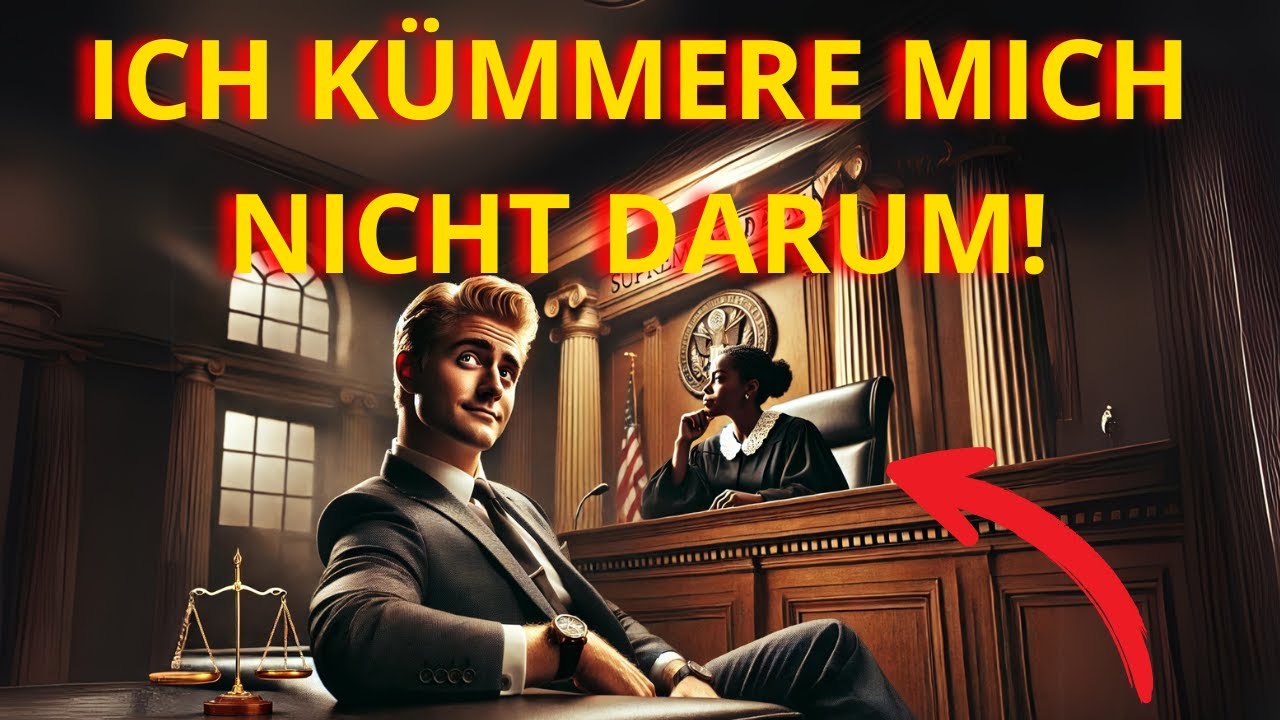
”
Stühle schoben sich. Alle standen auf. Nur Marcus nicht. Sein Anwalt zog an seinem Ärmel, doch er blieb sitzen, ein herausforderndes Lächeln auf den Lippen.
Diana Santos trat ein und ihre Augen fanden ihn sofort. „Herr Alvarez. In meinem Gericht erhebt sich jeder. ”
„Bei allem Respekt, ehrenwerte Richterin”, sagte er und betonte das Wort mit Sarkasmus, „ziehe ich es vor, sitzen zu bleiben.
”
Empörte Stimmen wurden laut. Diana schloss kurz die Augen. Zwanzig Jahre zuvor hatte ein Lehrer ihre Arbeit mit einem roten C zurückgegeben. „Du wirst es niemals schaffen.
Menschen wie du gelangen nicht zum Obersten Gerichtshof. ” Diana hatte das Blatt in ihren Rucksack gesteckt. „Beobachten Sie mich. ”
„Interessant, Ihre Wahl, Herr Alvarez”, sagte sie nun.
„Besonders in Anbetracht dessen, was am 15. März 2005 geschah. ”
Sein Lächeln wankte. Seine rechte Hand zitterte.
„Ich weiß nicht, wovon Sie sprechen. ”
„Vielleicht wird sich Ihr Gedächtnis während dieses Prozesses verbessern. Stehen Sie auf. ”
Er stand auf.
„Großartig. Wir können beginnen. ”
—
Am nächsten Morgen, lange vor Arbeitsbeginn, zog Diana in ihrem Büro einen Band über Unternehmensrecht aus dem Regal. Ein vergilbter Umschlag fiel heraus.
Darin steckte ein verwittertes Foto: eine junge Praktikantin neben formell gekleideten Führungskräften. Sie selbst, fünfzehn Jahre jünger, an ihrem ersten Tag bei Alvarez Enterprises. „Ich dachte, ich hätte alle verbrannt”, murmelte sie. Ihr Telefon vibrierte.
Staatsanwalt Carlos Mendes: „Entscheidende Dokumente im Alvarez-Fall sind verschwunden. ”
Diana schloss die Augen. „Nicht überrascht. ”
Miguel Torres, ein junger Anwalt aus der Staatsanwaltschaft, klopfte an.
„Wir haben etwas über die Schlüsselzeugin herausgefunden. Maria Conceição ist nicht, wer sie vorgibt zu sein. ”
Diana öffnete die Akte. Das Gesicht war vertraut – dieselbe Weihnachtsfeier, vor fünfzehn Jahren.
„Was wissen Sie über den Brand in den Akten von Alvarez Enterprises, 2005? ”
„Der Fall wurde wegen Beweismangels archiviert. Dabei wurden Beweise für möglichen Betrug zerstört. ”
Diana stand am Fenster.
Das Alvarez-Gebäude spiegelte die Morgensonne. „Ich war in dieser Nacht dort. Als Praktikantin. Ich habe Gespräche gehört, die ich nie hätte hören sollen.
”
„Warum haben Sie nie davon erzählt? ”
„Weil ich jemandem versprochen habe, ein Geheimnis zu bewahren. Er starb eine Woche nach jener Nacht. ”
Die Tür wurde aufgerissen.
Marcus Alvarez trat ein, ohne anzuklopfen. „Wir müssen reden. ” Sein Blick fiel auf das Foto. „Woher haben Sie das?
”
„Welches Foto, Herr Alvarez? ”
„Sie wissen genau, welches. Die Weihnachtsfeier. Alle Kopien wurden vernichtet.
”
„Bis auf eine. Die mir Ihr Vater gegeben hat. ”
Marcus’ Gesicht verlor alle Farbe. „Ihr Vater hat mir auch Beweise dafür gegeben, was in dieser Nacht wirklich passiert ist.
”
Carlos Mendes erschien mit einer roten Aktentasche. „Wir haben das im Archiv gefunden. ” Diana nahm sie entgegen, ohne Marcus aus den Augen zu lassen. Darin lag ein handgeschriebener Brief, datiert auf den 15.
März 2005. „Für meine liebe Freundin Diana, falls mir etwas zustößt … ”
Marcus verließ den Raum. Die Tür fiel hinter ihm ins Schloss.
—
Am nächsten Verhandlungstag war der Saal voll. Marcus saß auf seinem Platz, aber seine Arroganz war einer Anspannung gewichen, die man von weitem sehen konnte. „Der Staat ruft Maria Conceição. ”
Ein Murmeln lief durch den Raum.
Marcus beugte sich vor. Seine Knöchel wurden weiß, als er die Hände auf den Tisch presste. „Wo waren Sie in der Nacht des 15. März 2005, Frau Conceição?
”
„Im Büro. Zusammen mit der damaligen Praktikantin Diana Santos sortierte ich Dokumente. ”
„Was haben Sie gefunden? ”
„Dokumente, die einen massiven Betrugsplan belegten.
Roberto Alvarez sammelte Beweise gegen seinen eigenen Sohn. ”
Marcus sprang auf. „Einwand! ”
„Abgelehnt.
Fahren Sie fort. ”
Maria atmete tief durch. „Eine Woche später starb Roberto Alvarez bei einem Autounfall. ”
„Das ist absurd – mein Vater starb bei einem Unfall!
”
Diana öffnete die braune Aktentasche. Auf der Leinwand erschienen Finanzberichte, verdächtige Überweisungen, codierte E-Mails. Und das letzte Bild: Marcus, der das Büro in der Nacht des Brandes verließ. Er sank in seinen Stuhl zurück.
Diana zog einen versiegelten Umschlag hervor. „Ihr Vater hat vor seinem Tod einen Brief geschrieben. Soll ich ihn verlesen? ”
Marcus schwieg.
Diana las: „Mein Sohn ist kein böser Mensch. Er wird von mächtigeren Menschen manipuliert. Wenn er nicht kooperiert, wird er sterben. ”
Marcus bedeckte sein Gesicht mit beiden Händen.
Fünfzehn Jahre Anspannung lösten sich in Tränen. Vor aller Augen. „Die Sitzung ist unterbrochen”, sagte Diana. —
In ihrem Büro, im Halbdunkel einer Tischlampe, saß sie dem zerstörten Mann gegenüber.
„Warum hat mein Vater Ihnen vertraut? “, fragte Marcus leise. Diana schob ihm ein vergilbtes Foto über den Tisch. Zwei Kinder vor einem schlichten Haus.
„Das ist mein Vater. Und das Mädchen –” Seine Stimme stockte. „Meine Mutter war als Bedienung im Haus Ihrer Eltern angestellt. Ihr Vater und ich sind zusammen aufgewachsen.
Seine Familie hätte diese Freundschaft nie akzeptiert, aber er hat mich nie vergessen. Als ich als Praktikantin in seine Firma kam, erkannte er mich sofort. ”
Marcus ging zum Fenster. Regen prasselte gegen das Glas.
„Sie haben mich eine Woche nach seiner Beerdigung kontaktiert. Sie sagten, ich würde die Arbeit meines Vaters fortsetzen – ob ich wollte oder nicht. Zuerst waren es kleine Gefälligkeiten. Dann war ich Teil des Plans.
”
Diana zog einen USB-Stick aus einem Buch. „Ihr Vater hat alles dokumentiert. Jede Transaktion, jede Drohung, jeden Beteiligten. Er wusste, dass er sterben würde.
Deshalb verteilte er die Beweise an Menschen, die niemand verdächtigen würde. ”
„Warum haben Sie so lange gewartet? ”
„Weil Ihr Vater mich darum gebeten hat. Er glaubte, dass Sie eines Tages Ihr Gewissen wiederfinden würden.
”
Die Tür flog auf. Maria stand davor, blass. „Sie haben es herausgefunden. Sie kommen.
”
Marcus riss die Augen auf. „Nicht hier. ”
Diana blieb ruhig und steckte den Stick ein. „Der Plan Ihres Vaters sieht auch diesen Moment vor.
Jetzt entscheiden Sie, Marcus. Wollen Sie wie Ihr Vater sein – oder wie die Menschen, die ihn getötet haben? ”
Marcus sah zur Tür, dann zu Diana. „Sagen Sie mir, was ich tun soll.
”
Diana griff zum Telefon. „Es gibt Menschen, die seit fünfzehn Jahren auf diesen Anruf warten. ”
—
„Operation Phönix genehmigt. ”
Synchrone Verhaftungen im ganzen Land.
Mächtige Geschäftsmänner wurden aus ihren Büros eskortiert. Ein jahrzehntealtes Netz aus Korruption zerfiel innerhalb weniger Stunden. Marcus unterschrieb sein Geständnis und die Kooperationsvereinbarung. Seine Hand zitterte, aber er setzte seinen Namen unter das Dokument.
„Warum hat er so viel Vertrauen in Sie gehabt? ”
Diana betrachtete das alte Foto der spielenden Kinder. „Weil manche Freundschaften stärker sind als Geld. Und weil manche Menschen nie vergessen, woher sie kommen.
”
—
Am Tag des Urteils war der Saal überfüllt. Marcus trug keinen Armani mehr, sondern einen schlichten Anzug. Er saß aufrecht, ohne jede Spur der alten Arroganz. „Bevor ich das Urteil verkünde”, begann Diana, „gibt es etwas, das dieses Gericht wissen muss.
” Sie öffnete eine goldene Mappe. „Roberto Alvarez hat nicht nur Beweise gesammelt. Fünfzehn Jahre lang hat er heimlich Geld aus den illegalen Geschäften in soziale Projekte investiert. Stipendien.
Jugendeinrichtungen. Anonyme Spenden, die Hunderte von Leben verändert haben. ”
Tränen liefen über Marcus’ Gesicht. Er hatte diese Seite seines Vaters nie gekannt.
„Sein letztes Projekt war eine Stiftung für Jugendliche aus benachteiligten Gemeinschaften. Er hat festgelegt, wer sie leiten soll. ”
Sie sah Marcus an. „Ihr Vater glaubte, dass Sie Ihren Weg zurückfinden würden.
Dass Sie sein Erbe weitertragen. ”
Das Gemurmel schwoll an. Diana hob die Hand. „Angesichts Ihrer Zusammenarbeit bei der Zerschlagung einer der größten kriminellen Organisationen des Landes und der vorgelegten Beweise für Zwang verurteilt dieses Gericht Sie zu fünf Jahren auf Bewährung.
Mit der Auflage, sich vollständig der Roberto-Alvarez-Stiftung zu widmen. Alle beschlagnahmten Vermögenswerte fließen in die Stiftung. ”
Der Hammer fiel. —
Monate später besuchte Diana die Stiftung.
In dem Büro, das einst Roberto Alvarez gehört hatte, empfing Marcus sie. An der Wand hing das vergilbte Foto von zwei spielenden Kindern. „Ich verstehe immer noch nicht, wie mein Vater all das hat voraussehen können”, sagte er. Diana betrachtete das Foto.
„Er wusste, dass manche Menschen sich verlieren müssen, um sich zu finden. Und dass wahre Macht nicht im Geld liegt, sondern darin, Leben zu verändern. ”
Im Hof lernten und lachten Jugendliche. Marcus sah ihnen lange zu.
„Das hätte er geliebt”, sagte er schließlich. „Ja”, sagte Diana. „Das hätte er.
“


