CZĘŚĆ 1 — KIEDY PRZESTAŁAM BYĆ MATKĄ, A ZACZĘŁAM BYĆ TYLKO ROZWIĄZANIEM JEJ PROBLEMÓW
— Mamo, dzisiaj niczym się nie przejmuj — powiedziała moja córka, kiedy zatrzymała samochód przed restauracją. — Chcę, żebyś po prostu dobrze się bawiła. Dawno nie miałyśmy takiego wieczoru tylko dla siebie.
Spojrzałam na nią i uśmiechnęłam się. Przez chwilę chciałam uwierzyć, że naprawdę chodziło tylko o to. O wspólną kolację. O rozmowę dwóch kobiet, które przez ostatnie lata coraz bardziej się od siebie oddalały, choć żadna z nas nie chciała tego przyznać. Aldona była moją jedyną córką. Od dnia, kiedy przyszła na świat, była centrum mojego życia. Pamiętałam jej pierwszy płacz, pierwsze kroki, pierwsze słowa. Pamiętałam, jak jako mała dziewczynka zasypiała z ręką zaciśniętą na moim palcu, jakby bała się, że kiedy mnie puści, zniknę. Nigdy wtedy nie pomyślałabym, że pewnego dnia będziemy siedzieć naprzeciwko siebie przy jednym stole i że będę się zastanawiać, czy moja własna córka naprawdę mnie widzi, czy widzi tylko to, co mogę jej dać.
— Cieszę się, że chciałaś mnie zabrać — powiedziałam, wysiadając z samochodu.
Aldona poprawiła włosy i spojrzała na mnie przez chwilę.
— I proszę, nie zaczynaj od tego, że miejsce jest za drogie.
Zaśmiała się, ale ja zatrzymałam wzrok na jej twarzy.
— Nie zamierzałam nic mówić.
— Znam cię, mamo.
To zdanie zabrzmiało zwyczajnie, ale coś w nim mnie zatrzymało. Aldona zawsze znała moje słabości. Wiedziała, że jestem osobą, która najpierw pomyśli o innych, a dopiero później o sobie. Wiedziała, że kiedy ktoś, kogo kocham, ma problem, trudno mi odmówić. Przez lata uważałam to za zaletę. Byłam dumna z tego, że moja córka może na mnie liczyć. Nie zauważyłam momentu, w którym możliwość liczenia na mnie zamieniła się w przekonanie, że zawsze będę dostępna.
Kiedy weszłyśmy do restauracji, od razu zobaczyłam Grażynę, teściową Aldony, siedzącą przy stoliku. Kobieta podniosła się i przywitała nas z eleganckim uśmiechem. Zawsze wyglądała perfekcyjnie. Każdy szczegół jej stroju był dopracowany, każdy gest przemyślany. Przy niej zawsze czułam się trochę zbyt zwyczajna. Nie dlatego, że uważałam się za gorszą. Po prostu całe życie byłam osobą, która bardziej ceniła spokój niż pokazanie innym, co posiada.
— Celino, dobrze, że jesteś — powiedziała Grażyna. — Już myślałam, że Aldona miała rację i będziemy musiały czekać.
— Jestem punktualnie — odpowiedziałam spokojnie.
Aldona od razu weszła między nami.
— Mamo, usiądźmy. Naprawdę chcę, żeby ten wieczór był miły.
Usiadłam i spojrzałam na stół. Wszystko było przygotowane. Trzy kieliszki, butelka drogiego wina, piękne nakrycia. Przez chwilę poczułam nawet wzruszenie. Może naprawdę chciała zrobić dla mnie coś wyjątkowego. Może za dużo myślałam. Może moje podejrzenia były niesprawiedliwe.
Kelner podał menu, ale Aldona nawet nie zdążyła go otworzyć.
— Zamówimy kilka rzeczy wspólnie — powiedziała.
Zaczęła wybierać dania, nie pytając nikogo.
— Krewetki, ostrygi, polędwice i deser z jadalnym złotem.
Spojrzałam na nią.
— Aldono, może najpierw zapytasz, czy wszyscy tego chcą?
Uśmiechnęła się.
— Mamo, to tylko kolacja.
Grażyna poparła ją natychmiast.
— Celino, czasami trzeba pozwolić sobie na przyjemność.
Nie odpowiedziałam. Wybrałam zupę.
Aldona spojrzała na mnie.
— Tylko zupę?
— Tak.
— Naprawdę?
— Tak.
Przez chwilę patrzyła na mnie tak, jakby moja decyzja ją rozczarowała.
I wtedy przypomniałam sobie wszystkie poprzednie sytuacje, kiedy reagowała podobnie. Nie wtedy, gdy odmawiałam jej czegoś wielkiego. Czasami wystarczyła drobna rzecz. Kiedy nie mogłam od razu pomóc. Kiedy pytałam, czy naprawdę potrzebuje pieniędzy. Kiedy sugerowałam, że może powinna sama rozwiązać jakiś problem. Za każdym razem widziałam to samo spojrzenie. Jakby moja odmowa była czymś dziwnym. Jakbym nagle przestała być tą samą matką, którą znała całe życie.
Po śmierci mojego męża Aldona często powtarzała, że jestem dla niej najważniejszą osobą. I wtedy naprawdę tak czułam. Kiedy miała trudny czas po ślubie, pomagałam jej. Kiedy zmieniała mieszkanie, byłam obok. Kiedy pojawiały się niespodziewane wydatki, nie pytałam, dlaczego znowu ja. Po prostu robiłam to, co uważałam za właściwe. Mój mąż zawsze mówił mi: „Uważaj, żeby twoja dobroć nie stała się czymś, czego inni zaczną od ciebie wymagać”. Wtedy się z nim nie zgadzałam. Uważałam, że mówi tak, bo martwi się o mnie. Nie wierzyłam, że moja własna córka mogłaby kiedyś przekroczyć tę granicę.
Podczas kolacji Aldona kilka razy wracała do tematu mojego życia.
— Mamo, a jak twoje sprawy?
— Dobrze.
— Nadal wszystko sama ogarniasz?
— Tak.
— A finanse?
Podniosłam wzrok.
— Dlaczego pytasz?
Uśmiechnęła się.
— Po prostu się martwię.
To były słowa, które kiedyś natychmiast by mnie uspokoiły.
Martwię się.
Ale tym razem zabrzmiały inaczej.
— Radzę sobie — odpowiedziałam.
— Wiem, ale wiesz… czasami dobrze mieć kogoś blisko.
Grażyna skinęła głową.
— Szczególnie w pewnym wieku.
Spojrzałam na nią.
— Mam rodzinę.
— Oczywiście — odpowiedziała Aldona szybko.
Za szybko.
Przez chwilę przy stole panowała cisza. Kelner przyniósł jedzenie, a rozmowa zeszła na inne tematy, ale ja już nie mogłam pozbyć się uczucia, że ta kolacja ma drugie dno.
Później, kiedy wyjęłam telefon, żeby sprawdzić godzinę, Aldona natychmiast spojrzała na ekran.
— To bank?
Spojrzałam na nią zaskoczona.
— Skąd wiesz?
Przez sekundę milczała.
— Nie wiem. Zgadłam.
Ale ja wiedziałam, że nie zgadła.
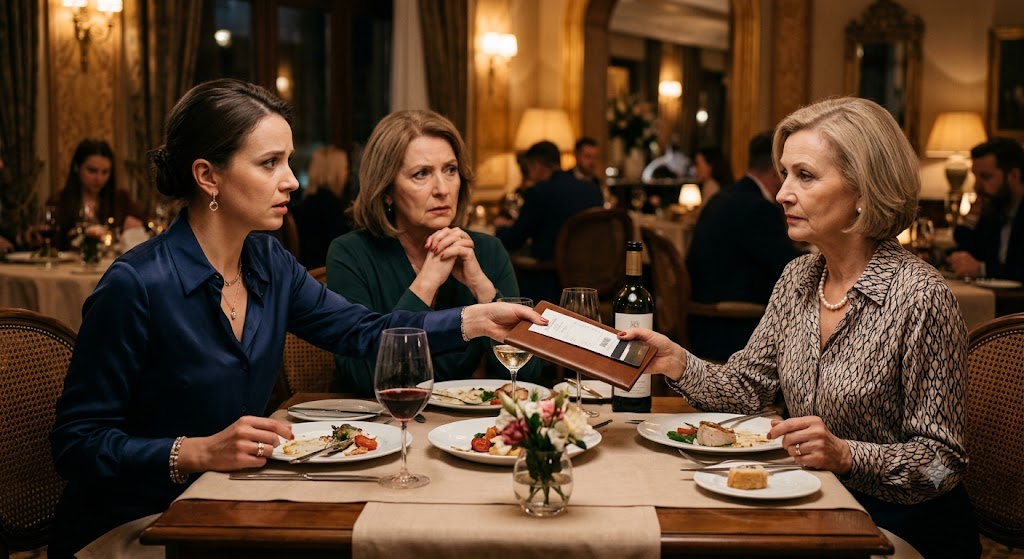
Kilka minut później kelner przyniósł rachunek. Trzy osobne etui. Jedno dla mnie, jedno dla Aldony, jedno dla Grażyny. Otworzyłam swoje i zobaczyłam niewielką kwotę za zupę i herbatę. Potem spojrzałam na rachunek córki.
Aldona również go otworzyła.
Jej twarz zmieniła się na sekundę.
Potem uśmiechnęła się i przesunęła rachunek w moją stronę.
— Mamo.
Spojrzałam na nią.
— Zapłacisz, prawda?
I właśnie wtedy po raz pierwszy poczułam, że odpowiedź, którą powinnam dać, nie może być kolejnym „tak”.
— Nie, Aldono.
Jej uśmiech zniknął.
A ja jeszcze nie wiedziałam, że ta jedna odpowiedź rozpocznie największy konflikt między nami.
CZĘŚĆ 2 — TA KOLACJA NIE CHODZIŁA O RACHUNEK
Kiedy powiedziałam „nie”, sama byłam zaskoczona spokojem, który poczułam. Przez wiele lat wyobrażałam sobie ten moment inaczej. Myślałam, że jeśli kiedyś odmówię Aldonie, będę czuła ogromny ból, poczucie winy albo strach, że ją stracę. Tymczasem siedziałam naprzeciwko własnej córki i po raz pierwszy od dawna miałam wrażenie, że oddycham normalnie. Aldona patrzyła na mnie tak, jakby próbowała znaleźć odpowiedź, której nie przewidziała. Znała mnie przecież całe życie. Wiedziała, że wystarczyło jedno zdanie wypowiedziane odpowiednim tonem, żebym zaczęła się martwić. Wiedziała, że kiedy mówiła: „Mamo, tylko ty możesz mi pomóc”, moje serce zawsze wygrywało z rozsądkiem. Ale tym razem było inaczej. Nie dlatego, że przestałam ją kochać. Właśnie dlatego, że w końcu zrozumiałam, że miłość nie może oznaczać pozwalania komuś na przekraczanie wszystkich granic.
— Mamo, chyba nie rozumiesz, jak to wygląda — powiedziała Aldona, pochylając się lekko nad stołem. — Ludzie patrzą.
Spojrzałam na salę restauracji. Kilka osób siedziało przy innych stolikach, rozmawiało, śmiało się, zajmowało własnymi sprawami. Nikt nie zwracał na nas większej uwagi. Ale Aldona zawsze bardzo przejmowała się tym, jak wyglądała przed innymi. Pamiętałam wiele sytuacji, kiedy ważniejsze od tego, co naprawdę się działo, było to, żeby nikt przypadkiem nie pomyślał czegoś złego. Teraz jednak po raz pierwszy zobaczyłam, że jej największym problemem nie był rachunek. Nie było nim nawet to, że mogła mieć trudną sytuację finansową. Jej największym problemem było to, że ktoś mógł zobaczyć, że nie wszystko w jej życiu jest tak idealne, jak próbowała pokazać.
— Aldono, ludzie zawsze będą coś widzieć — odpowiedziałam spokojnie. — Ale ja nie mogę całe życie płacić za to, żeby obraz twojego życia wyglądał lepiej.
Jej twarz lekko stężała.
— Naprawdę tak myślisz?
— Myślę, że od dawna nie pytasz mnie już, czy możesz poprosić o pomoc. Po prostu zakładasz, że ją dostaniesz.
Grażyna odłożyła kieliszek.
— Celino, wydaje mi się, że przesadzasz.
Spojrzałam na nią.
— Możliwe. Ale proszę mi powiedzieć, czy gdyby nie było mnie przy tym stole, zaplanowałybyście tę kolację tak samo?
Żadna z nich nie odpowiedziała.
I właśnie ta cisza powiedziała mi więcej niż jakiekolwiek słowa.
Aldona szybko sięgnęła po telefon.
— Dobrze. Zapłacę sama.
Nie odpowiedziałam.
— Naprawdę, mamo. Nie musisz robić z tego takiej wielkiej sprawy.
Uśmiechnęłam się smutno.
— To ciekawe, że mówisz to dopiero wtedy, kiedy przestałam rozwiązywać problem za ciebie.
Przez chwilę patrzyłyśmy na siebie. W jej oczach zobaczyłam złość, ale pod tą złością było coś jeszcze. Niepewność. Strach. Jakby nagle zabrakło jej sposobu, który przez lata działał.
Kelner podszedł do stolika. Aldona próbowała zapłacić kartą, ale po chwili zobaczyłam, jak jej palce zatrzymują się na telefonie. Wpisała coś szybko, spojrzała na ekran i odwróciła go tak, żebyśmy nie mogły zobaczyć.
— Wszystko dobrze? — zapytała Grażyna.
— Tak — odpowiedziała za szybko.
To samo słowo.
Ten sam ton.
A ja już wiedziałam, że coś przede mną ukrywa.
Kiedy w końcu uregulowały rachunek, wyszłyśmy z restauracji w ciszy. Dawniej próbowałabym rozładować atmosferę. Powiedziałabym coś miłego. Zapytałabym, czy Aldona się nie martwi. Szukałabym sposobu, żeby znowu było dobrze. Ale tym razem nie zrobiłam tego. Szłam obok niej i pozwoliłam, żeby ta cisza między nami istniała. Czasami człowiek przez lata zasłania problemy rozmową, żartami i usprawiedliwieniami. A potem przychodzi moment, kiedy trzeba przestać uciekać.
Przy samochodzie Aldona zatrzymała się.
— Mamo.
Odwróciłam się.
— Tak?
— Naprawdę zrobiłaś to przy Grażynie?
Przez chwilę nie rozumiałam.
— Co zrobiłam?
— Odmówiłaś.
Patrzyłam na nią i poczułam dziwny smutek. Nie dlatego, że była zła. Bardziej dlatego, że zdałam sobie sprawę, co naprawdę ją zabolało.
Nie to, że mnie postawiła w trudnej sytuacji.
Nie to, że próbowała wykorzystać moją dobroć.
Tylko to, że ktoś zobaczył jej porażkę.
— Aldono, bardziej martwi cię to, że odmówiłam przy Grażynie, czy to, dlaczego w ogóle musiałam odmówić?
Nie odpowiedziała.
Wsiadła do samochodu.
W drodze do domu prawie się nie odzywałyśmy. Patrzyłam przez okno i wracałam myślami do wszystkich lat, które spędziłyśmy razem. Do momentów, kiedy Aldona była mała i uważała mnie za najważniejszą osobę na świecie. Do czasów, kiedy pytała mnie o radę, bo naprawdę chciała jej słuchać. Zastanawiałam się, kiedy dokładnie przestała szukać we mnie matki, a zaczęła szukać rozwiązania.
Nie znalazłam jednej odpowiedzi.
Bo takie rzeczy nie dzieją się jednego dnia.
Najpierw jest niewinna prośba.
Potem kolejna.
Potem człowiek przestaje mówić „dziękuję”, bo zaczyna uważać pomoc za coś normalnego.
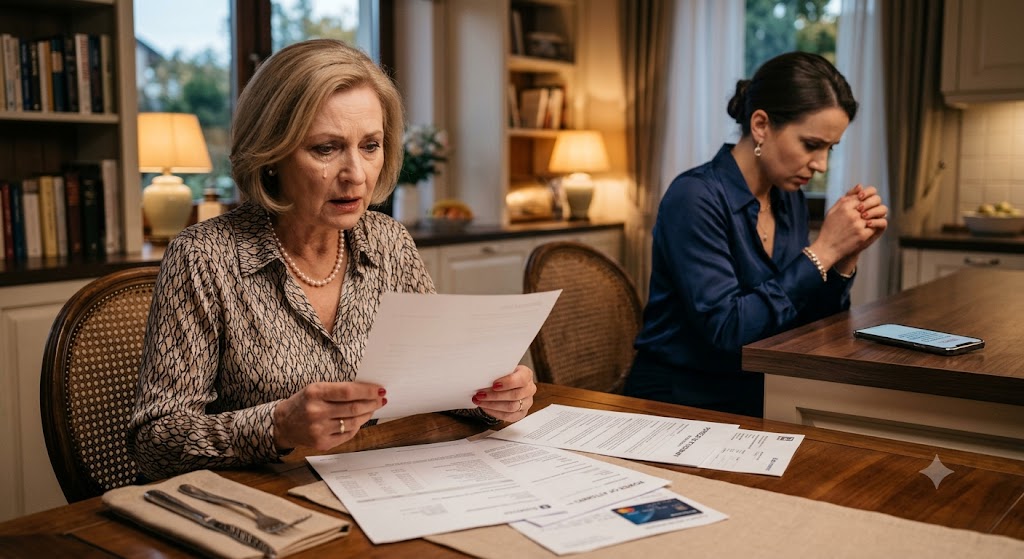
Kiedy wróciłam do domu, długo siedziałam w ciszy przy kuchennym stole. Nie byłam wściekła. Nie płakałam. Najbardziej bolało mnie coś innego. Poczułam, że przez lata dawałam Aldonie wszystko, co mogłam, ale nigdy nie nauczyłam jej, że moja dobroć również ma granice.
Mój telefon leżał obok mnie. Przez chwilę miałam ochotę napisać do niej pierwsza. Zapytać, czy dotarła. Powiedzieć, że nie chciałam się kłócić. Tak właśnie robiłam zawsze. Nawet kiedy byłam zraniona, to ja pierwsza wyciągałam rękę.
Ale tym razem odłożyłam telefon.
Następnego ranka obudziło mnie powiadomienie.
Nie od Aldony.
Od banku.
Otworzyłam wiadomość i przeczytałam ją kilka razy. Dotyczyła próby uzyskania informacji dotyczących mojego konta. Na początku pomyślałam, że to pomyłka. Banki czasami wysyłały dziwne komunikaty. Ale kiedy zobaczyłam datę i godzinę, poczułam, jak robi mi się zimno.
Godzina była dokładnie wtedy, kiedy siedziałyśmy w restauracji.
Wzięłam telefon i natychmiast zadzwoniłam do Aldony.
Odebrała po kilku sygnałach.
— Mamo?
Jej głos był ostrożny.
— Aldono, muszę cię o coś zapytać.
— O co?
— Czy próbowałaś kontaktować się z moim bankiem?
Po drugiej stronie zapadła cisza.
Krótka.
Ale wystarczająca.
— Co?
— Dobrze słyszałaś.
— Mamo, o czym ty mówisz?
Jej głos stał się bardziej nerwowy.
— O wiadomości, którą dostałam.
— To jakiś błąd.
— Naprawdę?
Milczała.
— Aldono, dlaczego mam wrażenie, że od kilku dni próbujesz dowiedzieć się czegoś o moich pieniądzach?
— Bo się martwię.
Tym razem odpowiedziała natychmiast.
Za szybko.
— Martwisz się?
— Tak.
— To dlaczego nie zapytałaś mnie wprost?
Nie odpowiedziała.
I wtedy po raz pierwszy poczułam nie smutek, ale rozczarowanie.
Bo gdyby przyszła do mnie i powiedziała prawdę, może nadal próbowałabym jej pomóc. Może szukałybyśmy rozwiązania razem. Ale ona wybrała inną drogę.
Kilka dni później prawda zaczęła wychodzić na jaw. Dowiedziałam się, że Aldona miała problemy finansowe, o których nikomu nie powiedziała. Zobowiązania, których nie była w stanie spłacić. Decyzje, które podjęła, wierząc, że jakoś wszystko się ułoży. Ale najbardziej bolało mnie to, że kiedy sytuacja zaczęła wymykać się spod kontroli, nie przyszła do mnie jako córka prosząca matkę o pomoc.
Przyszła jak ktoś, kto szuka dostępu do czegoś, co uważał za swoje.
I wtedy zrozumiałam, że prawdziwy problem nigdy nie był w tym rachunku.
Rachunek był tylko momentem, w którym po raz pierwszy przestałam udawać, że wszystko jest w porządku.
CZĘŚĆ 3 — PRAWDZIWY POWÓD, DLA KTÓREGO WRÓCIŁA DO MNIE
Przez kilka dni po tamtej rozmowie z Aldoną nie mogłam spokojnie spać. Nie dlatego, że bałam się o pieniądze. Moje oszczędności były zabezpieczone i wiedziałam, że poradzę sobie niezależnie od tego, co się wydarzy. To, co nie dawało mi spokoju, było znacznie trudniejsze do zaakceptowania. Próbowałam zrozumieć, jak doszło do tego, że moja własna córka zamiast przyjść do mnie i powiedzieć prawdę, zaczęła szukać sposobu, żeby dowiedzieć się czegoś bez mojjej wiedzy. Przypominałam sobie jej twarz przy stole. Ten moment, kiedy przesunęła rachunek w moją stronę. Wtedy jeszcze chciałam wierzyć, że to był tylko jeden błąd. Jedna zła decyzja pod wpływem stresu. Ale wiadomość z banku zmieniła wszystko, bo pokazała mi, że problem był większy niż jedna kolacja.
Następnego dnia Aldona przyszła do mojego domu bez zapowiedzi. Kiedy otworzyłam drzwi i zobaczyłam ją stojącą z torebką w ręce, przez chwilę miałam nadzieję, że przyszła przeprosić. Że powie: „Mamo, zrobiłam coś głupiego. Bałam się. Nie powinnam była tego zrobić”. Każda matka chce wierzyć, że jej dziecko potrafi przyznać się do błędu. Ale kiedy weszła do środka, od razu zauważyłam, że nie przyszła z takim nastawieniem. Była spięta, nerwowo rozglądała się po mieszkaniu i cały czas trzymała telefon w dłoni.
— Możemy porozmawiać? — zapytała.
— Oczywiście.
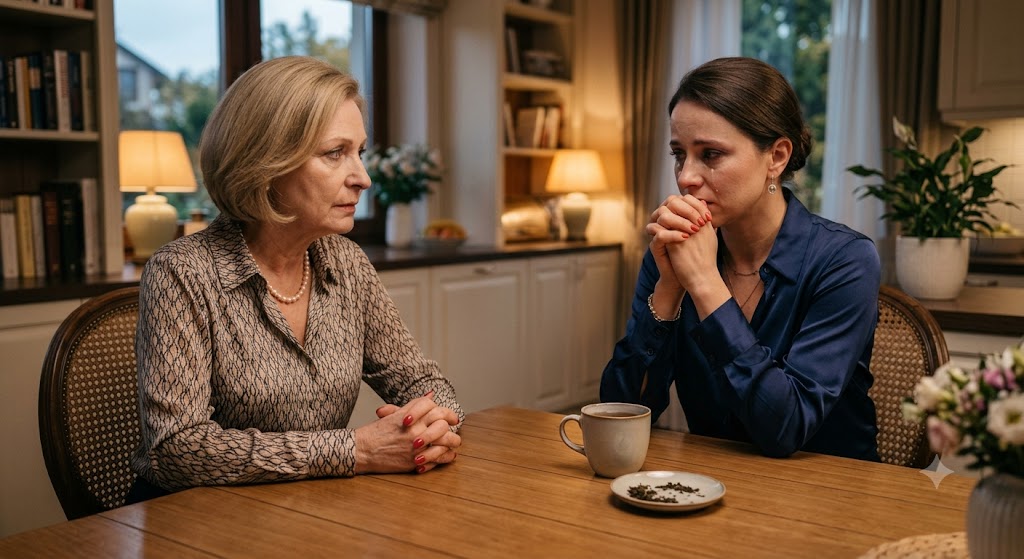
Usiadłyśmy przy stole, tym samym, przy którym przez lata piłyśmy kawę i rozmawiałyśmy o jej życiu. Kiedy była młodsza, siedziała dokładnie w tym samym miejscu i opowiadała mi o swoich marzeniach. Teraz siedziała naprzeciwko mnie jak ktoś, kto przygotował sobie odpowiedzi, ale nie wie, od czego zacząć.
— Mamo, wiem, że jesteś zła.
— Nie jestem zła.
Spojrzała na mnie zaskoczona.
— Nie?
— Jestem rozczarowana.
To słowo sprawiło, że odwróciła wzrok.
— Nie chciałam, żeby tak wyszło.
— Jak chciałaś, żeby wyszło, Aldono?
Milczała.
— Chciałaś zapytać mnie o pieniądze?
— Nie.
— Chciałaś wiedzieć, co mam na koncie?
— Mamo…
— Odpowiedz mi.
Przez chwilę siedziała bez słowa.
— Chciałam tylko wiedzieć, czy jesteś bezpieczna.
Prawie się uśmiechnęłam.
Nie dlatego, że było mi do śmiechu.
Dlatego, że pierwszy raz usłyszałam od niej słowa, które brzmiały jak troska, ale nie pasowały do jej działań.
— Gdybyś chciała wiedzieć, czy jestem bezpieczna, zapytałabyś mnie. Nie próbowałabyś sprawdzać tego za moimi plecami.
Aldona zacisnęła dłonie.
— Nie rozumiesz.
— To mi wytłumacz.
I wtedy po raz pierwszy zobaczyłam, że jej pewność siebie zaczyna znikać. Przez całe życie Aldona była osobą, która zawsze miała odpowiedź. Potrafiła przekonać innych, że wszystko jest pod kontrolą. Nawet kiedy sytuacja była trudna, mówiła tak, jakby miała już rozwiązanie. Ale teraz siedziała przede mną i po raz pierwszy wyglądała jak ktoś, kto naprawdę się boi.
— Mam problemy — powiedziała cicho.
Nie odezwałam się.
Czekałam.
— Większe, niż myślisz.
To było zdanie, którego spodziewałam się od dawna, ale mimo wszystko bolało.
— Jakie problemy?
Westchnęła.
— Z pieniędzmi.
Przez chwilę patrzyłam na nią w ciszy.
— Dlaczego mi nie powiedziałaś?
Spojrzała na mnie.
— Bo wiedziałam, co pomyślisz.
— Co?
— Że znowu przyszłam po pomoc.
I właśnie wtedy zrozumiałam, że ona sama wiedziała, jak wyglądała nasza relacja. Wiedziała, że przekroczyła granicę. Wiedziała, że za często przychodziła do mnie z problemami. Ale zamiast zmienić sposób, w jaki mnie traktowała, próbowała znaleźć sposób, żeby ominąć moją odmowę.
— Aldono, gdybyś przyszła i powiedziała mi prawdę, ta rozmowa wyglądałaby zupełnie inaczej.
— Pomogłabyś mi?
To pytanie było bardzo ciche.
Za ciche.
I właśnie ono pokazało mi, że mimo wszystkiego nadal była moją córką. Nadal była osobą, którą kochałam.
— Nie wiem.
Spojrzała na mnie z bólem.
— Nie wiesz?
— Nie mogę całe życie rozwiązywać twoich problemów. Ale mogłabym usiąść z tobą i zastanowić się, co zrobić.
Aldona spuściła wzrok.
— Bałam się.
To było pierwszy raz od dawna, kiedy nie próbowała się bronić.
— Czego?
— Że zobaczysz, że sobie nie radzę.
Te słowa zostały między nami.
Bo nagle zobaczyłam nie tylko córkę, która mnie zraniła.
Zobaczyłam kobietę, która przez lata próbowała wszystkim udowodnić, że jej życie jest idealne.
Może właśnie dlatego tak trudno było jej przyznać się przede mną do porażki.
Kilka dni później spotkałam się z Grażyną. Nie planowałam tej rozmowy, ale sama zadzwoniła. Jej głos był spokojny, ale wiedziałam, że chce porozmawiać o Aldonie.
— Celino, musimy ustalić kilka rzeczy.
— Słucham.
— Aldona jest w trudnej sytuacji.
— Wiem.
— Potrzebuje wsparcia.
Spojrzałam przez okno.
— Wsparcia czy pieniędzy?
Po drugiej stronie zapadła cisza.
— Nie bądź taka surowa.
— Nie jestem surowa. Jestem ostrożna.
Grażyna westchnęła.
— Myślałam, że jako matka będziesz chciała jej pomóc.
— Jako matka właśnie dlatego chcę jej pomóc mądrze.
Nie odpowiedziała.
— Co to znaczy?
— To znaczy, że nie dam jej kolejny raz pieniędzy bez zastanowienia. Nie pomogę jej udawać, że problem nie istnieje.
Ta rozmowa była trudna, ale pierwszy raz nie czułam winy.
Przez lata myślałam, że granice oddalają ludzi.
Teraz zaczynałam rozumieć, że czasami właśnie granice pokazują, kto naprawdę chce być blisko.
Wieczorem Aldona zadzwoniła ponownie.
— Mamo?
— Tak?
— Mogę przyjechać?
— Oczywiście.
Kiedy weszła do domu, nie miała już tej samej pewności siebie co wcześniej. Usiadła przy stole i przez chwilę patrzyła na swoje dłonie.
— Chcę ci powiedzieć wszystko.
I tym razem jej pozwoliłam.
Opowiedziała o decyzjach, które podjęła bez zastanowienia. O wydatkach, których nie kontrolowała. O tym, jak próbowała utrzymać obraz życia, którego tak naprawdę nie była już w stanie utrzymać. Powiedziała też coś, czego nigdy wcześniej od niej nie usłyszałam.
— Wstydziłam się przyznać, że potrzebuję pomocy.
Spojrzałam na nią.
— Wstyd nie powinien sprawiać, że krzywdzisz ludzi, którzy cię kochają.
Pokiwała głową.
— Wiem.
Po raz pierwszy od dawna nie próbowała mnie przekonać.
Po prostu słuchała.
Ale wtedy wydarzyło się coś, czego się nie spodziewałam. Kiedy myślałam, że najtrudniejsza część tej historii dotyczyła tylko pieniędzy, odkryłam, że Aldona ukrywała przede mną jeszcze jedną rzecz.
Rzecz, która mogła zmienić wszystko między nami.
Bo problem nie polegał już tylko na tym, że próbowała dostać się do moich finansów.
Problem polegał na tym, że ktoś jeszcze brał udział w tym planie.
CZĘŚĆ 4 — WTEDY ZROZUMIAŁAM, ŻE NAJWIĘKSZĄ STRATĄ NIE BYŁY PIENIĄDZE
Przez kilka dni po ostatniej rozmowie z Aldoną czułam, że coś w naszej relacji zawisło w powietrzu. Nie była to zwykła kłótnia między matką a córką. Takie rzeczy zdarzały się w każdej rodzinie. Ludzie czasami mówią coś pod wpływem emocji, czasami ranią się nawzajem, a potem próbują znaleźć drogę powrotną. Tutaj jednak problem był głębszy. Po raz pierwszy zobaczyłam, że między nami przez lata powstała niewidzialna granica, której żadna z nas nie chciała nazwać. Ja wierzyłam, że moja pomoc jest wyrazem miłości. Aldona zaczęła traktować ją jak coś, co po prostu jej się należy. Najtrudniejsze było to, że żadna z nas nie zauważyła momentu, w którym ta zmiana nastąpiła. Wszystko działo się powoli. Jedna prośba. Jedna pożyczka. Jedno „mamo, tylko tym razem”. Aż w końcu znalazłyśmy się w miejscu, gdzie córka siedziała naprzeciwko matki i próbowała znaleźć sposób, żeby dostać się do czegoś, co nie należało do niej.
Prawdę o Grażynie poznałam przypadkiem. Nie szukałam jej. Nie próbowałam śledzić Aldony ani udowodnić, że miałam rację. Szczerze mówiąc, część mnie nadal chciała wierzyć, że wszystko było tylko błędem, paniką i złymi decyzjami. Pewnego popołudnia Aldona zostawiła u mnie dokumenty, które miała zabrać później. Kiedy przyszła po nie, zobaczyłam, że jeden z papierów wysunął się z teczki. Nie zamierzałam go czytać, ale wystarczyło jedno spojrzenie, żeby zobaczyć nazwisko i fragment rozmowy dotyczącej mojego mieszkania. Zamarłam. Nie dlatego, że zobaczyłam coś, czego się nie spodziewałam. Najbardziej bolało mnie to, że moje największe obawy okazały się prawdziwe. To nie była tylko kwestia rachunku. Nie chodziło tylko o pieniądze, których Aldona potrzebowała. Chodziło o to, że ktoś zaczął planować moje życie bez mojego udziału.
Kiedy Aldona wróciła, położyłam dokument na stole.
— Możesz mi wyjaśnić, co to jest?
Zatrzymała się w drzwiach.
Przez chwilę patrzyła na papier, a potem na mnie.
— Mamo…
— Nie chcę wymówek. Chcę prawdy.
Usiadła powoli.
— To nie wygląda tak, jak myślisz.
To zdanie usłyszałam już wiele razy w życiu. Ludzie często mówią je wtedy, kiedy wiedzą, że coś wygląda źle, ale jeszcze próbują znaleźć sposób, żeby przedstawić to inaczej.
— Więc powiedz mi, jak wygląda.
Aldona spuściła wzrok.
— Grażyna znalazła kogoś, kto miał pomóc nam uporządkować sytuację.
— Jaką sytuację?
Milczała.
— Aldono.
— Nasze długi.
Te dwa słowa wystarczyły.
Przez chwilę siedziałam nieruchomo.
— Wasze długi?
— Moje i mojego męża.
— I dlatego interesowaliście się moimi pieniędzmi?
— Nie chciałam cię skrzywdzić.
Poczułam, że coś we mnie pęka.
— Ale zrobiłaś to.
Aldona zaczęła płakać.
— Bałam się.
Spojrzałam na nią.
— Wiesz, co najbardziej mnie boli?
Nie odpowiedziała.
— Nie to, że masz problemy. Każdy człowiek może upaść. Każdy może podjąć złe decyzje. Najbardziej boli mnie to, że kiedy znalazłaś się w trudnej sytuacji, nie przyszłaś do mnie jako moja córka.
Łzy spływały po jej twarzy.
— Bałam się, że mnie potępisz.
— A ja bałam się, że już nie widzisz we mnie matki.
To zdanie długo wisiało między nami.
Bo obie wiedziałyśmy, że było prawdziwe.
Następnego dnia poprosiłam o spotkanie z Grażyną. Tym razem nie chciałam rozmawiać przez telefon. Chciałam zobaczyć jej twarz, kiedy zadam pytania, na które wcześniej nie chciała odpowiadać.
Kiedy usiadłyśmy przy stole, była spokojna jak zawsze.
— Celino, mam nadzieję, że nie zamierzasz robić z tego rodzinnego dramatu.
Uśmiechnęłam się smutno.
— To ciekawe, bo przez ostatnie tygodnie to nie ja tworzyłam dramat. Ja tylko dowiedziałam się, że jestem jego częścią.
Grażyna westchnęła.
— Aldona popełniła błędy.
— Tak.
— Ale jest twoją córką.
— Wiem.
— Więc powinnaś jej pomóc.
Spojrzałam na nią spokojnie.
— Pomóc jej to nie znaczy pozwolić jej ukrywać problemy i szukać rozwiązania kosztem mnie.
Grażyna milczała.
— Ona nie chciała źle.
— Być może.
Zrobiłam krótką pauzę.
— Ale dobre intencje nie sprawiają, że złe działania stają się właściwe.
Po raz pierwszy zobaczyłam, że Grażyna nie ma gotowej odpowiedzi.
Przez lata byłam tą osobą, która ustępowała. Tą, która unikała konfliktów. Tą, która mówiła: „Dobrze, niech będzie”. Moja rodzina przyzwyczaiła się do tego, że moje granice można przesuwać. Ale człowiek czasami dochodzi do momentu, kiedy dalsze ustępowanie nie jest już spokojem. Jest rezygnacją z samego siebie.
Nie odwróciłam się od Aldony. To byłoby najłatwiejsze. Zamknąć drzwi, powiedzieć, że mnie zawiodła i pozwolić jej samodzielnie ponosić konsekwencje. Ale mimo wszystkiego nadal była moją córką. Różnica polegała na tym, że tym razem pomoc miała wyglądać inaczej. Nie miałam zamiaru spłacać jej problemów ani udawać, że nic się nie stało. Usiadłam z nią i razem przeanalizowałyśmy wszystko. Wydatki. Decyzje. Błędy. Rzeczy, których wcześniej nie chciała zobaczyć.
— Musisz sama naprawić część tego, co zrobiłaś — powiedziałam.
Aldona skinęła głową.
— Wiem.
— A ja będę obok.
Spojrzała na mnie.
— Naprawdę?
— Tak.
Zrobiłam przerwę.
— Ale bycie obok nie oznacza, że będę robić wszystko za ciebie.
Tym razem nie zaprotestowała.
I chyba właśnie wtedy po raz pierwszy od wielu lat zaczęłyśmy budować prawdziwą relację.
Nie taką, w której matka zawsze ratuje córkę.
Nie taką, w której córka wraca tylko wtedy, kiedy czegoś potrzebuje.
Tylko taką, gdzie dwie dorosłe kobiety mogą być wobec siebie szczere.
Kilka miesięcy później spotkałyśmy się ponownie przy rodzinnym stole. Tym razem nie było drogiej restauracji. Nie było szampana ani udawania, że wszystko jest idealne. Była zwykła kolacja w domu. Aldona przyniosła jedzenie i po raz pierwszy od dawna zapytała:
— Mamo, mogę ci jakoś pomóc?
To było proste pytanie.
Ale dla mnie znaczyło bardzo wiele.
Bo przez lata słyszałam głównie: „Mamo, możesz mi pomóc?”.
A teraz po raz pierwszy usłyszałam coś odwrotnego.
Mój telefon leżał na stole, ale nikt nie patrzył, ile mam na koncie.
Nikt nie pytał o oszczędności.
Nikt nie próbował znaleźć sposobu, żeby coś ode mnie dostać.
Po prostu siedziałyśmy razem.
Jako rodzina.
Patrząc wstecz, wiem, że tamta kolacja w restauracji była jednym z najtrudniejszych wieczorów mojego życia. Wtedy wydawało mi się, że tracę córkę. Dzisiaj wiem, że traciłam tylko wyobrażenie o relacji, którą myślałam, że mamy. Dopiero kiedy przestałam pozwalać, żeby moja miłość była wykorzystywana, Aldona mogła nauczyć się, czym naprawdę jest bliskość.
Nie żałuję, że powiedziałam „nie”.
To jedno słowo nie zniszczyło naszej rodziny.
Ono po raz pierwszy zmusiło nas, żebyśmy były wobec siebie szczere.
I czasami właśnie od najtrudniejszego słowa zaczyna się prawdziwa zmiana.