TEIL 2
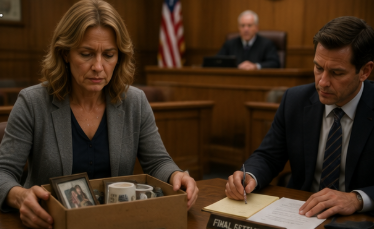
Am nächsten Morgen wachte ich früh auf. Zum ersten Mal seit langer Zeit hatte ich keinen Plan, der von jemand anderem bestimmt wurde. Kein Dennis, der mir sagte, was sinnvoll war. Keine Angst davor, die falsche Entscheidung zu treffen.
Nur ich.
Und die alte Tankstelle meines Vaters.
Ich machte mir einen Kaffee aus den alten Vorräten, die ich in der kleinen Küche gefunden hatte, und begann, mir den Ort genauer anzusehen. Die Reparaturhalle hinter dem Gebäude war überraschend gut erhalten. Die Werkzeuge meines Vaters hingen noch immer ordentlich an der Wand. Jedes Werkzeug hatte seinen eigenen Platz.
Ich musste lächeln.
Das war typisch Earl.
Er behandelte seine Werkzeuge besser als viele Menschen andere Menschen.
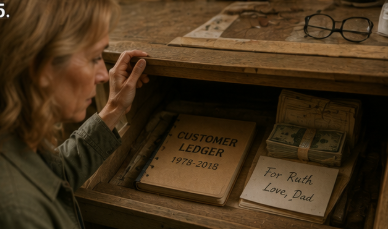
Während ich die Halle aufräumte, fand ich einen alten Aktenschrank. Die Schlüssel aus der Metallkassette passten.
Darin lagen Dutzende Ordner.
Aber es waren keine Geschäftsunterlagen.
Es waren Geschichten.
Mein Vater hatte über jede Familie im Tal Notizen gemacht.
Er hatte aufgeschrieben, wer Hilfe brauchte, wer seine Arbeit verloren hatte, wessen Auto kaputt war oder wer eine schwere Zeit durchmachte.
„Hendrick bezahlt 50 Dollar zurück. Tochter Rose gesund geboren. Den Rest der Schulden vergessen.“
„Carol Dunbar hat ihre Tochter aufs College gebracht. Geld für Bücher gegeben. Wollte es nicht annehmen. Im Auto versteckt.“
Ich saß dort und las stundenlang.
Mein Vater hatte sein ganzes Leben damit verbracht, anderen Menschen zu helfen, ohne jemals Anerkennung dafür zu erwarten.
Er hatte nicht Reichtum gesammelt.
Er hatte Erinnerungen gesammelt.
Am späten Vormittag hörte ich ein Auto auf dem Kies vor der Tankstelle.
Ein älterer Mann stieg aus einem alten Chevrolet aus.
Er betrachtete das Gebäude lange, bevor er mich bemerkte.
Dann nahm er seine Mütze ab.
„Du bist Earl Macklins Tochter“, sagte er.
Ich erkannte ihn nach einigen Sekunden.
„Hank Dawson.“
Er lächelte.
„Dein Vater und ich haben jeden Donnerstag Karten gespielt.“
Wir setzten uns vor die Tankstelle und tranken Kaffee. Ich erzählte ihm von meiner Scheidung, von Dennis und davon, dass dies alles war, was mir geblieben war.
Hank hörte einfach zu.
Dann sagte er:
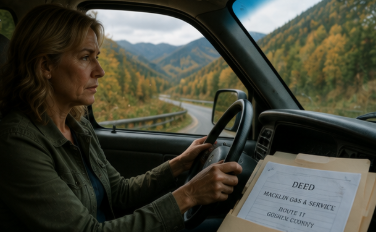
„Dein Vater war ein besonderer Mann. Er konnte es nicht ertragen, jemanden leiden zu sehen, wenn er etwas dagegen tun konnte.“
Ich zeigte ihm das Journal.
Er lachte leise.
„Natürlich hat er alles aufgeschrieben. Aber natürlich hat er niemandem davon erzählt.“
Hank erzählte mir Geschichten, die ich nie gehört hatte.
Wie mein Vater mitten in der Nacht Lebensmittel in ein Auto gelegt hatte.
Wie er Rechnungen bezahlt hatte, ohne seinen Namen zu nennen.
Wie Menschen im ganzen Tal noch heute über ihn sprachen.
„Earl Macklin hatte vielleicht nicht viel Geld“, sagte Hank. „Aber er war einer der reichsten Männer, die ich kannte.“
Diese Worte blieben in meinem Kopf.
Am Nachmittag begann ich zu putzen.
Ich wusch die Fenster, entfernte den Schmutz und kämpfte gegen die Pflanzen, die das Gebäude überwucherten.
Ich hatte keine Ahnung, was ich tat.
Aber ich wusste eines:
Ich wollte diesen Ort nicht verkaufen.
Am nächsten Tag kam ein junger Mann mit einem kaputten Pickup zur Tankstelle. Sein Name war Jesse.
Der Kühlerschlauch seines Autos war geplatzt.
„Ich habe Ersatzteile“, sagte er. „Aber keine Werkzeuge.“
Ich zeigte auf die Werkstatt.
„Ich habe Werkzeuge.“
Er war überrascht, dass ich ihm half.
Viele Menschen erwarteten nichts umsonst. Sie waren daran gewöhnt, dass Hilfe immer einen Preis hatte.
Aber ich war die Tochter von Earl Macklin.
Ich wusste, dass es auch anders ging.
Während Jesse den Wagen reparierte, beobachtete ich seine Arbeit.
Er war geschickt.
Seine Hände erinnerten mich an meinen Vater.
Als er fertig war, sagte ich plötzlich:
„Ich werde die Tankstelle wieder eröffnen. Ich brauche jemanden, der reparieren kann.“
Jesse sah mich lange an.
„Sie kennen mich kaum.“
„Mein Vater kannte die Menschen auch nicht immer. Er hat ihnen trotzdem geholfen.“
Er lächelte kaum sichtbar.
„Ich denke darüber nach.“
Am nächsten Morgen stand er wieder vor der Tür.
Und er brachte seinen eigenen Kaffee mit.
So begann alles.
Wir arbeiteten jeden Tag.
Jesse reparierte die Werkstatt. Ich kümmerte mich um den Laden. Hank half mit Holz, Werkzeugen und allem, was er finden konnte.
Nach einigen Wochen sah die Tankstelle wieder aus wie ein Ort, an dem Menschen willkommen waren.
Dann kam der erste Kunde.
Eine ältere Frau hielt an und sah sich um.
„Ist das wirklich wieder offen?“
Ich nickte.
Sie begann zu lächeln.
„Ich war früher jede Woche hier. Earl hat immer meine Reifen kontrolliert.“
Ich füllte ihren Tank und überprüfte ihr Auto.
Als sie bezahlen wollte, schüttelte ich den Kopf.
„Beim nächsten Mal.“
Die Frau sah mich überrascht an.
Dann sagte sie:
„Genau das hätte Earl gesagt.“
Von diesem Tag an kamen immer mehr Menschen.
Nicht wegen der billigsten Preise.
Nicht wegen der modernsten Technik.
Sondern wegen der Erinnerung an meinen Vater.
Die Menschen kamen zurück, weil sie wussten, dass dieser Ort mehr war als nur eine Tankstelle.
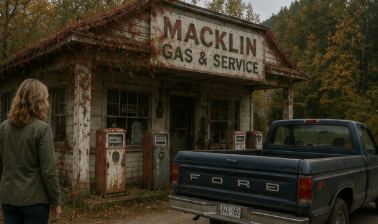
Es war ein Zuhause.
Doch dann kam der Brief.
Ein weißer Umschlag.
Von Dennis’ Anwalt.
Ich öffnete ihn hinter dem Tresen.
Mein Ex-Mann wollte die Tankstelle zurück.
Er behauptete, ich hätte ihren wahren Wert verschwiegen. Eine geplante Straßenverbindung könnte das Grundstück wertvoll machen.
Er wollte seinen Anteil.
Nach allem, was er bereits bekommen hatte, wollte er auch noch das Letzte nehmen, was mein Vater mir hinterlassen hatte.
Ich fühlte zum ersten Mal seit langer Zeit wieder Angst.
Ich hatte kein Geld für einen teuren Anwalt.
Aber dann erinnerte ich mich an meinen Vater.
Er hatte immer eine Lösung gefunden.
Und vielleicht würde ich auch eine finden.
Hank half mir.
Er kannte eine pensionierte Anwältin namens Margaret, deren Tochter mein Vater vor vielen Jahren geholfen hatte.
Als sie die Unterlagen sah, lächelte sie.
„Ihr Ex-Mann versucht, Druck aufzubauen. Er glaubt, Sie geben nach.“
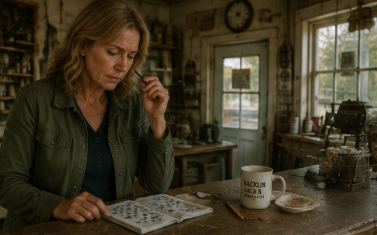
Sie nahm die alten Dokumente meines Vaters.
Die Besitzurkunde.
Das Testament.
Alles war eindeutig.
Die Tankstelle hatte nie Dennis gehört.
Sie war immer mein Eigentum gewesen.
„Er hat keine Chance“, sagte sie.
Am Tag der Gerichtsverhandlung saß Dennis wieder mit seinem teuren Anzug dort.
Er sah genauso aus wie früher.
Selbstsicher.
Überzeugt, dass Geld jedes Problem lösen konnte.
Doch diesmal war ich nicht mehr dieselbe Frau.
Die Richterin hörte sich die Dokumente an.
Die Entscheidung dauerte nur wenige Minuten.
Der Antrag wurde abgelehnt.
Die Tankstelle blieb mein Eigentum.
Als ich das Gerichtsgebäude verließ, kam Dennis hinter mir her.
„Wann bist du so geworden?“, fragte er.
Ich sah ihn an.
Den Mann, der 33 Jahre lang geglaubt hatte, meinen Wert bestimmen zu können.
„Ich war immer so“, sagte ich. „Du hast nur nie hingesehen.“
Dann stieg ich in meinen alten Pickup und fuhr nach Hause.
Ja.
Nach Hause.
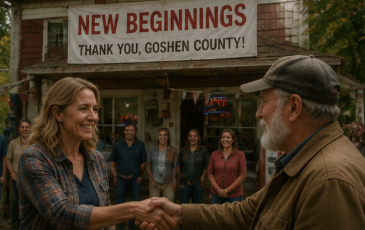
Drei Monate später blühte alles wieder.
Die Tankstelle lief.
Jesse arbeitete in der Werkstatt.
Die Menschen aus dem Tal kamen jeden Tag vorbei.
Der Kaffee stand morgens bereit.
Genau wie mein Vater es immer gemacht hatte.
Meine Tochter Connie kam eines Tages mit ihren Kindern vorbei.
Sie sah sich um und sagte:
„Ich verstehe es jetzt, Mama.“
Ich lächelte.
„Was verstehst du?“
„Warum du geblieben bist.“
Ich nahm ihre Hand.
„Dein Großvater hat mir etwas hinterlassen, das kein Geld kaufen kann.“
Am Abend hing ich ein altes Foto meines Vaters neben die Kasse.
Darauf standen wir beide vor der Tankstelle.
Ich war ein kleines Mädchen.
Er hatte seine Hand auf meiner Schulter.
Damals wusste ich nicht, was er mir wirklich gegeben hatte.
Jetzt wusste ich es.
Er hatte mir keinen reichen Besitz hinterlassen.
Er hatte mir einen Sinn hinterlassen.
Eine Aufgabe.
Ein Zuhause.
Ich war 58 Jahre alt.
Geschieden.
Ohne großes Vermögen.
Aber ich hatte etwas gefunden, das ich viele Jahre verloren hatte.
Mich selbst.
Und jeden Morgen, wenn ich die Tür der alten Tankstelle öffnete und das Licht einschaltete, dachte ich an meinen Vater.
Denn Earl Macklin hatte mir gezeigt:
Der wahre Wert eines Menschen steht niemals auf einem Kontoauszug.
Er zeigt sich in den Leben, die man berührt.