Nigdy nie zapomnę chwili, kiedy wszedłem do pokoju przesłuchań i zobaczyłem Emmę siedzącą samotnie przy stole. Przez 31 lat pracy nauczyłem się obserwować ludzi. Nauczyłem się, że strach wygląda inaczej niż poczucie winy. Osoba, która zrobiła coś złego, często boi się konsekwencji. Ale Emma bała się czegoś zupełnie innego. Bała się, że nikt jej nie uwierzy. Miała zaledwie 14 lat, a siedziała w miejscu, gdzie dorośli zadawali jej pytania o rzeczy, których nigdy nie powinna była przeżyć. Kiedy mnie zobaczyła, jej oczy natychmiast wypełniły się łzami. Nie powiedziała wiele. Tylko wyszeptała: „Dziadku, wiedziałam, że przyjedziesz”. I wtedy zrozumiałem, że tej nocy nie jestem już agentem analizującym sprawę. Jestem dziadkiem, który musi ochronić dziecko, które mu zaufało.
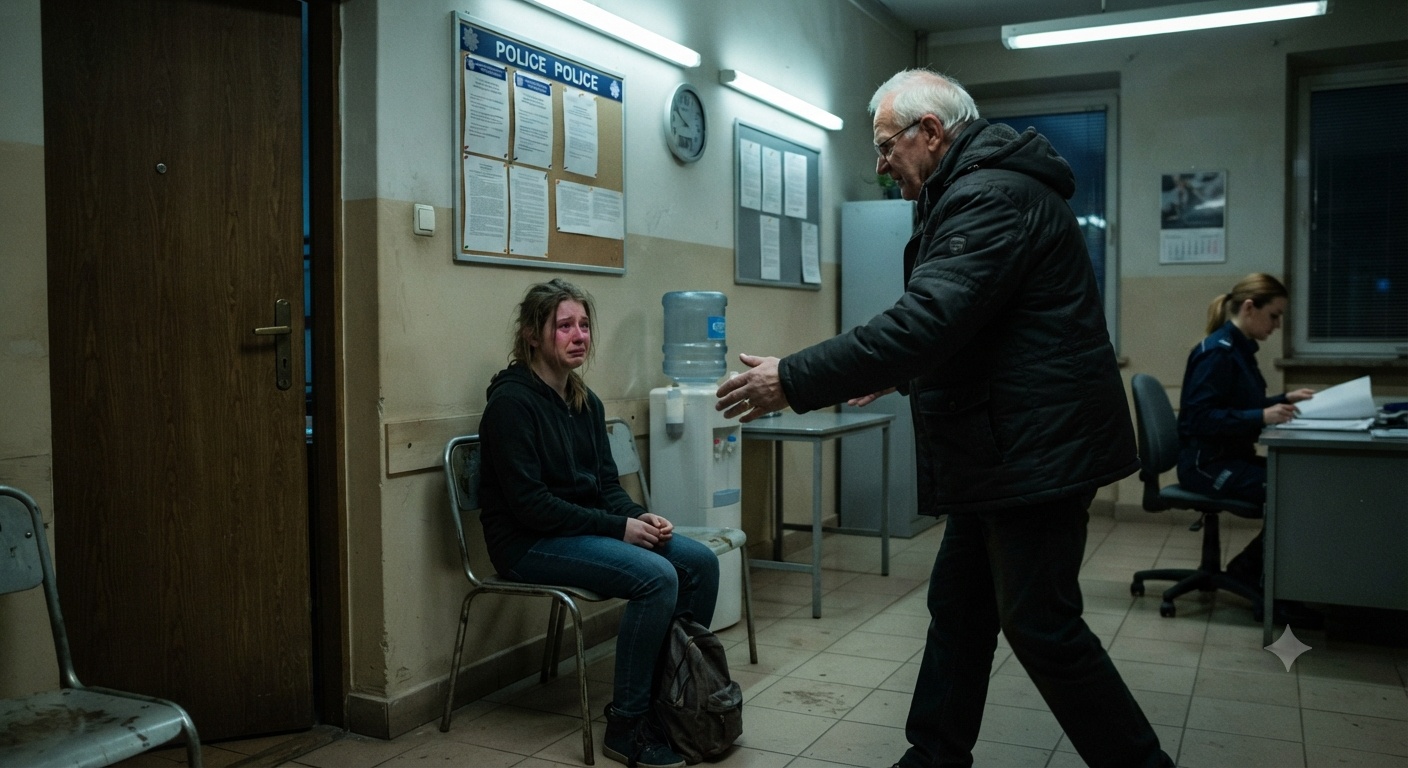
Victoria opowiadała swoją historię bardzo przekonująco. Była spokojna, opanowana i mówiła dokładnie tak, jak ktoś, kto chce, aby inni uwierzyli, że jest ofiarą. Twierdziła, że Emma od miesięcy sprawiała problemy, że była agresywna i że tamtej nocy straciła kontrolę. Pokazywała swoją rękę z niewielkim opatrunkiem i powtarzała, że bała się o własne życie. Wielu ludzi od razu jej uwierzyło. Dorosła kobieta, elegancka, szanowana i pewna siebie przeciwko przestraszonej nastolatce — dla wielu osób wybór wydawał się prosty. Ale ja nie patrzyłem na to, jak ktoś wyglądał. Patrzyłem na szczegóły. Na rzeczy, których inni nie zauważyli. Na ślady na nadgarstkach Emmy. Na sposób, w jaki unikała patrzenia w stronę Victorii. Na to, jak za każdym razem przepraszała, zanim odpowiedziała na pytanie.
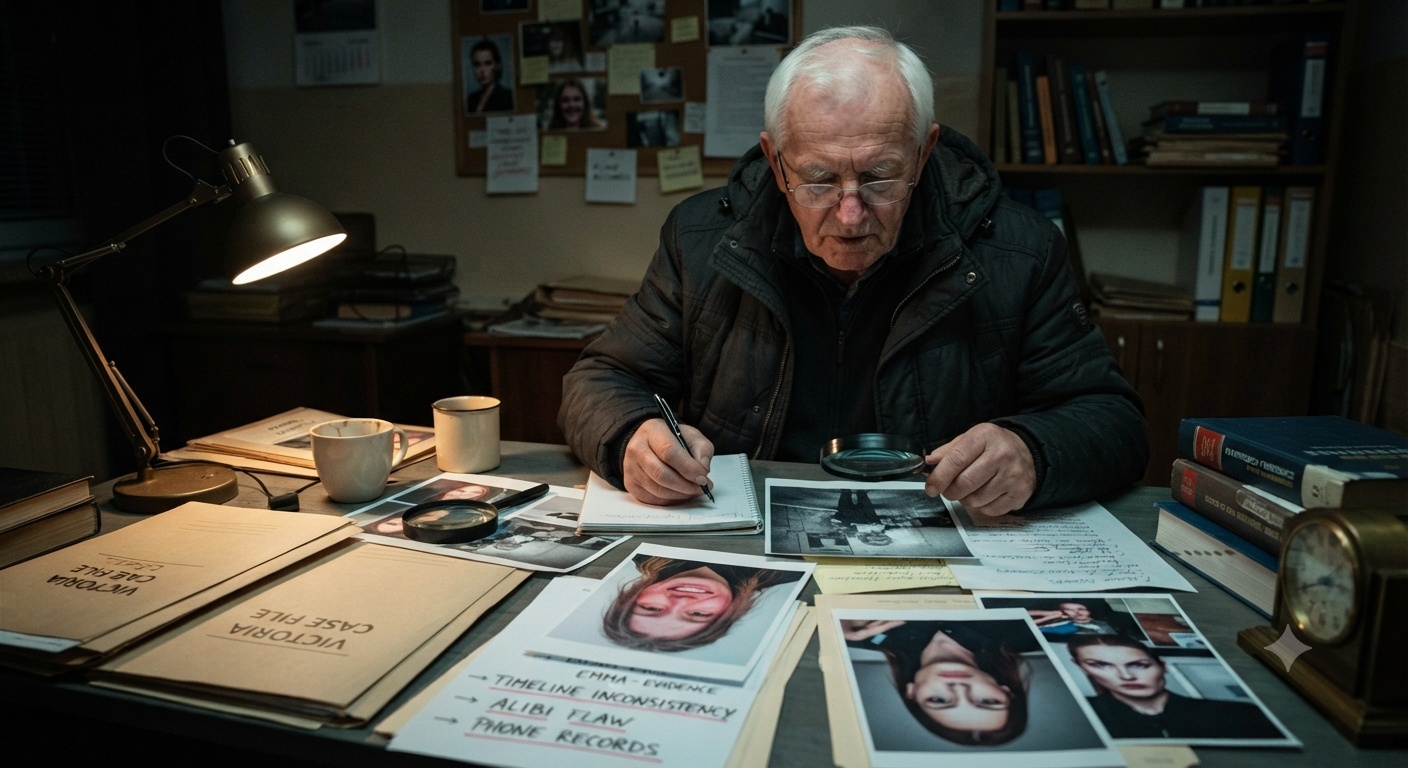
Poprosiłem o możliwość dokładnego przejrzenia wszystkich informacji z tamtej nocy. Nie chciałem nikogo oskarżać bez dowodów. Wiedziałem, że emocje mogą przesłonić rozsądek. Ale coś w tej historii nie pasowało. Jeśli Emma rzeczywiście zaatakowała macochę nożem, dlaczego jej obrażenia wyglądały inaczej, niż opisywała Victoria? Dlaczego w domu brakowało śladów typowej awantury? Dlaczego telefon Emmy został znaleziony w miejscu, do którego nie powinna mieć dostępu, skoro według Victorii dziewczyna swobodnie poruszała się po domu? Z każdym kolejnym szczegółem obraz zaczynał wyglądać zupełnie inaczej. Najbardziej bolało mnie jednak odkrycie, że Emma od dawna próbowała komuś powiedzieć, co się dzieje. Tylko nikt nie słuchał.
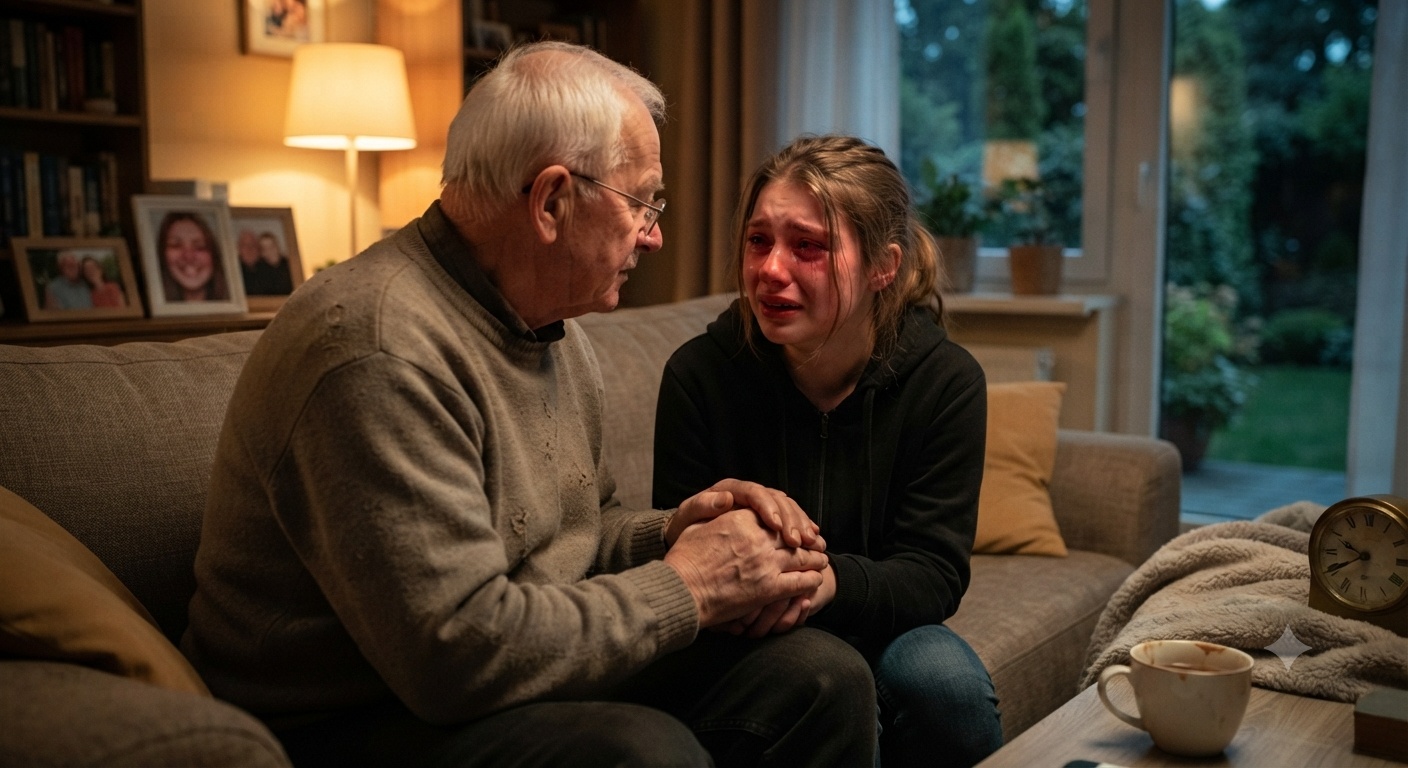
Następnego dnia usiadłem z wnuczką sam na sam. Nie jako śledczy. Jako dziadek. Powiedziałem jej, że nie musi niczego ukrywać i że nie będzie już sama. Wtedy po raz pierwszy opowiedziała mi całą historię. Powiedziała, że Victoria od miesięcy kontrolowała każdy jej ruch. Zabierała telefon, ograniczała kontakty z innymi i karała ją za najmniejsze rzeczy. Tamtej nocy doszło do kłótni, a Emma próbowała wezwać pomoc. Victoria jednak przedstawiła sytuację tak, aby wyglądało, że to ona jest zagrożona. Słuchałem tego wszystkiego i czułem ogromną złość. Ale wiedziałem, że muszę być spokojny. Emocje nie mogły wygrać. Emma potrzebowała nie gniewnego dziadka. Potrzebowała kogoś, kto znajdzie prawdę.
W kolejnych dniach sprawa zaczęła się zmieniać. Pojawiły się nowe dowody, które pokazały, że historia Victorii nie była kompletna. Osoby, które wcześniej jej wierzyły, zaczęły zadawać pytania. Mój syn, ojciec Emmy, również musiał zmierzyć się z prawdą, której wcześniej nie chciał widzieć. Najtrudniejsze było dla niego zrozumienie, że człowiek, któremu powierzył opiekę nad córką, mógł ją skrzywdzić. Ja natomiast nauczyłem się jednej rzeczy — czasami najważniejsze śledztwa nie dotyczą obcych ludzi. Czasami prawdziwa walka zaczyna się wtedy, gdy musimy chronić tych, których kochamy, przed ludźmi, którym kiedyś ufaliśmy. Emma odzyskała swój głos. A ja obiecałem jej jedno: już nigdy nie pozwolę, żeby ktoś sprawił, że poczuje się niewidzialna.