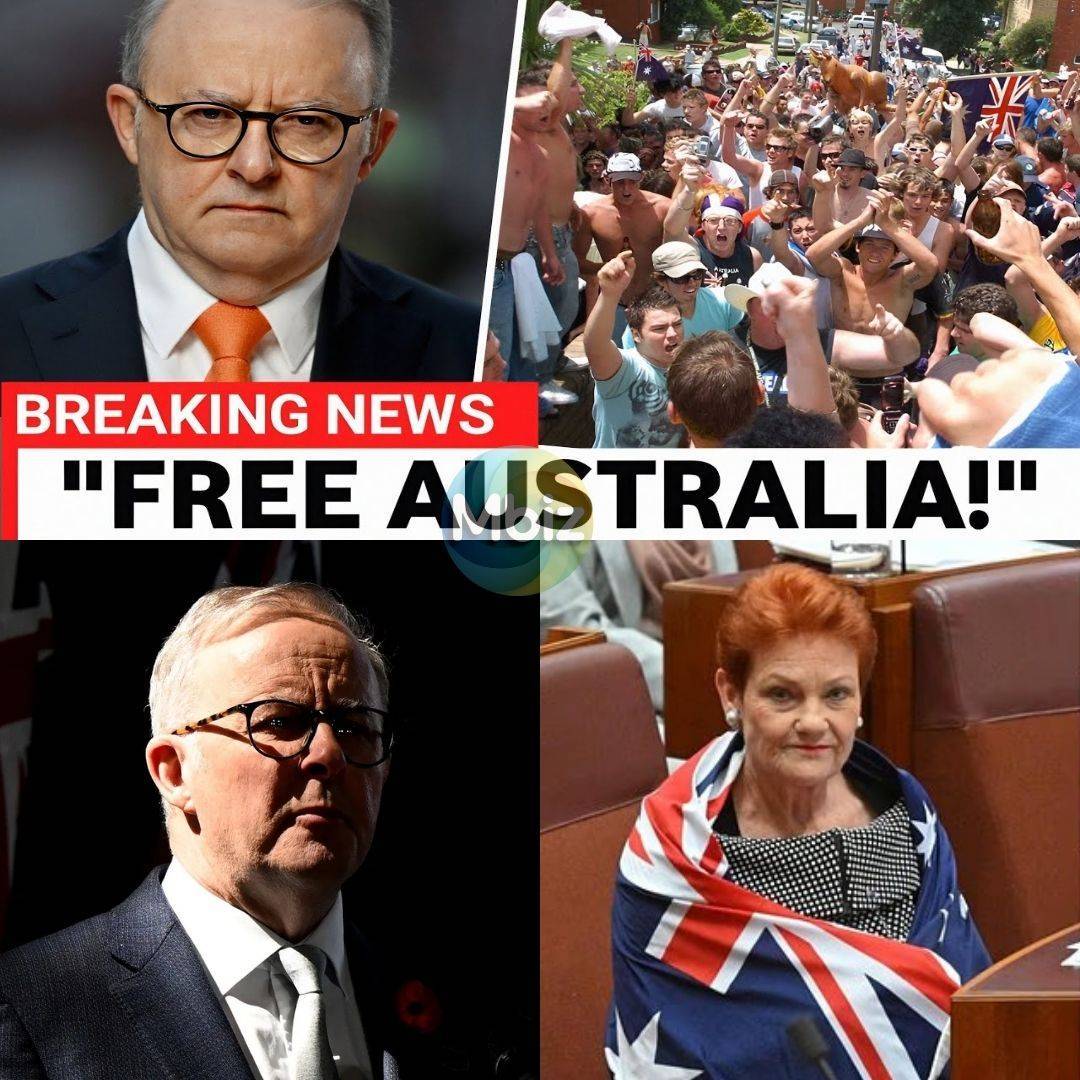
Australia is witnessing an unprecedented surge of public frustration as everyday citizens openly challenge Prime Minister Anthony Albanese and the Labour government over soaring living costs, reckless immigration policies, and growing disconnect from the people’s reality. The nation’s simmering discontent threatens to erupt if ignored further.
 Across kitchen tables and workplaces, ordinary Australians express a harsh truth: life is becoming unsustainable. Bank accounts shrink as prices skyrocket; energy bills burn budgets, and wages stagnate. This relentless pressure is no longer abstract political debate – it’s lived experience spreading outrage nationwide.
The core grievance centers on a government perceived as prioritizing ideals over citizens’ well-being. Calls for “putting Australia first” are increasingly vocal yet dismissed or smeared as extremist rhetoric by mainstream voices. This dismissal escalates tensions rather than addressing root issues of affordability and national sovereignty.
Cost of living dominates the narrative. Despite fancy graphs and statistical reassurances, the reality remains stark: salaries no longer guarantee stability but instead barely cover basic survival. Families worry over rent, groceries, and energy, questioning how this nation of opportunity turned into a land of economic hardship.
 Layered atop financial struggles is a fierce debate on immigration. Australians reject xenophobia but demand sustainable policies aligned with infrastructure and healthcare capacity. Many feel overwhelmed by uncontrolled population growth straining public services and housing, sparking demands for common sense reforms, stronger vetting, and integration expectations that echo past immigration successes.
The government and media’s reaction intensifies public ire further. Efforts to label critics as racist or extremist are seen as desperate attempts to silence legitimate concerns. When small fringe groups hijack rallies, their actions are magnified disproportionately, overshadowing the voices of thousands simply calling for fair treatment and practical solutions.
 Australia’s political leadership faces growing criticism for ignoring these grassroots frustrations. High-profile recognition of community events rings hollow in the face of inaction on critical issues. Calls for direct intervention by figures like Barnaby Joyce underscore a political vacuum amid mounting national pressure.
Social policies intensify contention too. The introduction of digital ID systems and social media restrictions for youth provoke anxiety over privacy and government overreach. Questions arise: are these measures truly protective, or mechanisms for expanded surveillance? Citizens demand transparency and cautious debate, wary of rapid implementation without public consent.
The rallies sweeping the nation capture a pivotal moment—a breaking point where complacency no longer prevails. These gatherings represent communities desperate for their voices to be heard, pushing back against neglect and dismissal by political elites. The message is clear: Australians want government that listens and leads with practical, people-first policies.
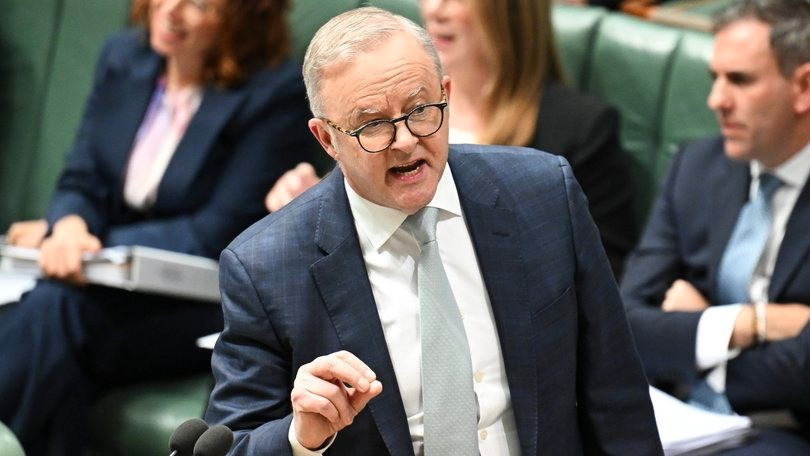 Ignoring this swelling discontent risks explosive backlash. The public’s patience is fraying as financial, social, and political pressures intersect. Whether the government engages constructively now or dismisses these cries will determine Australia’s fragile sociopolitical stability in the months ahead.
In this urgent climate, the question remains: how long can Prime Minister Albanese and the Labour government continue to overlook the realities confronting ordinary Australians? This is a defining moment demanding rapid response and meaningful reform, or the consequences may reshape the nation’s future profoundly and unpredictably.