
PARTEA 2
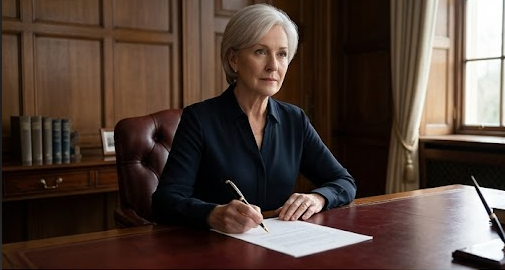
După ce am semnat documentele la biroul lui Elaine, am simțit ceva ce nu mai simțisem de mult timp.
Control.
Nu furie.
Nu dorință de răzbunare.
Doar sentimentul că, pentru prima dată după moartea lui Charles, viața mea îmi aparținea din nou.
Dar știam că Vanessa nu avea să accepte ușor.
Oamenii care sunt obișnuiți să primească acces nu înțeleg când ușa se închide.
În acea săptămână, am început auditul complet al conturilor.
Fiecare plată.
Fiecare transfer.
Fiecare aprobare.
Și cu fiecare pagină citită, imaginea devenea mai clară.
Vanessa nu făcuse o singură greșeală.
Era un model.
Cheltuieli ascunse.
Decizii luate fără acordul meu.
Lucruri cumpărate pentru confortul ei, dar plătite din resursele familiei mele.
Cel mai dureros nu era suma.
Era faptul că Brian știa.
Poate nu toate detaliile.
Poate nu fiecare tranzacție.
Dar știa suficient.
Și alesese să nu întrebe.

În zilele următoare, Vanessa a început să mă sune.
La început vocea ei era calmă.
„Margaret, cred că există o neînțelegere.”
„Nu ai înțeles ce încercam să fac.”
„Am vrut doar să ajut familia.”
Am ascultat.
Dar de data aceasta nu am mai încercat să îi găsesc scuze.
„Vanessa, ajutorul nu cere control.”
A fost liniște.
Pentru prima dată, nu mai avea răspuns.
Apoi tonul ei s-a schimbat.
„Nu cred că înțelegi cât de greu este pentru Brian.”
Aceeași strategie.
Întotdeauna cineva avea nevoie să fie salvat.
Întotdeauna eu trebuia să cedez.
Dar nu de această dată.
„Brian este adult.”
Am închis telefonul.
Brian a venit câteva zile mai târziu.
Nu a venit furios.
Asta aproape m-a durut mai mult.
A venit obosit.
S-a așezat în bucătărie, pe scaunul unde tatăl lui își bea cafeaua în fiecare dimineață.
„Mamă, nu am știut că lucrurile au ajuns atât de departe.”
L-am privit.
„Dar ai știut că Vanessa avea acces.”
A tăcut.
Acela era răspunsul.
„Brian, problema nu este doar ce a făcut ea.”
„Problema este că tu ai privit.”
Ochii lui s-au umplut de vinovăție.
Pentru o clipă am văzut copilul pe care îl crescusem.
Băiatul care îmi aducea flori culese din curte.
Dar apoi am văzut bărbatul care permisese altcuiva să mă facă străină în propria mea viață.
„Îmi pare rău.”
Era o frază simplă.
Dar pentru prima dată părea sinceră.
Nu am spus că totul era bine.
Pentru că nu era.
Unele răni nu dispar doar pentru că cineva își cere scuze.
Cea mai mare surpriză a venit de la Lily.
Într-o după-amiază, nepoata mea a venit la mine după școală.
Era liniștită.
Prea liniștită.
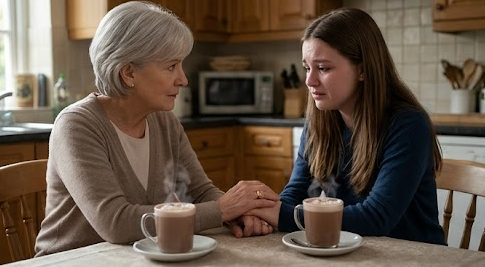
Am făcut ciocolată caldă, așa cum îi făceam când era mică.
După câteva minute mi-a spus:
„Bunico, trebuie să îți spun ceva.”
Mi-a povestit că auzise conversații între Vanessa și Brian.
Că Vanessa spunea că, după ce obține acces complet, eu nu voi mai fi o problemă.
Am simțit un nod în gât.
Nu pentru mine.
Pentru ea.
Un copil nu ar trebui să fie prins între adulți care aleg banii în locul iubirii.
„Lily, ai făcut ce trebuia spunând adevărul.”
Ea a început să plângă.
„Nu voiam să o trădez pe mama.”
Am ținut-o de mână.
„A spune adevărul nu înseamnă trădare.”
Duminica următoare am mers la casa lui Brian și Vanessa pentru prima dată după ce am revocat accesul.
Nu am mers să mă cert.
Am mers pentru că Brian insistase să discutăm.
Casa era aceeași.
Aceleași decorațiuni.
Aceleași lucruri cumpărate cu bani pe care eu nu îi mai puteam controla.
Dar atmosfera era diferită.
Vanessa nu mai avea aceeași siguranță.
Nu mai era femeia care credea că deține camera.
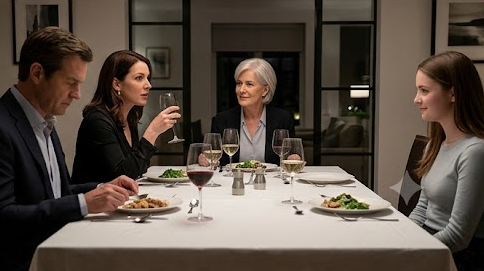
La cină, a încercat din nou să mă provoace.
„Trebuie să recunosc, Margaret, e trist că ai ajuns să fii atât de suspicioasă față de propria familie.”
Am pus furculița jos.
„Nu sunt suspicioasă.”
M-am uitat direct la ea.
„Sunt atentă.”
A tăcut.
Pentru că era adevărat.
În acea seară, Vanessa a făcut greșeala pe care o așteptam.
A crezut că vechea Margaret încă era acolo.
Femeia care tăcea.
Femeia care ierta.
Femeia care evita conflictul.
A ridicat paharul și a spus:
„Ar trebui să fii recunoscătoare că încă te includem în familie.”
Camera a amuțit.
Ani de zile acea frază m-ar fi distrus.
În acea seară doar m-a informat.
Mi-a arătat cine era.
Am zâmbit calm.
„Vanessa, nu confunda faptul că sunt aici cu faptul că îmi aparține locul.”
Brian a ridicat privirea.
Lily a zâmbit ușor.
Iar Vanessa pentru prima dată nu a avut control asupra conversației.
După acea seară, lucrurile s-au schimbat definitiv.
Auditul a fost finalizat.
Nu toate cheltuielile au fost considerate fraudă, dar suficiente au ridicat probleme serioase.
Avocații au preluat situația.
Vanessa a trebuit să răspundă pentru deciziile ei.
Brian a pierdut accesul automat la multe privilegii.
Dar cel mai important lucru a fost că eu mi-am recâștigat independența.
Am schimbat documentele.
Am actualizat toate conturile.
Am creat noi reguli.
Nu pentru că nu îmi mai iubeam familia.
Ci pentru că iubirea fără limite poate deveni o invitație pentru oameni să te folosească.
Astăzi încă port verigheta lui Charles.
Nu pentru că trăiesc în trecut.
Ci pentru că îmi amintește cine am fost înainte ca alții să îmi spună cine sunt.
Brian vine să mă vadă.
Relația noastră este diferită.
Mai atentă.
Mai sinceră.
Nu este perfectă.
Dar acum există adevăr.
Vanessa nu mai controlează viața mea.
Nici banii mei.
Nici vocea mea.
Am învățat ceva după moartea lui Charles:
Uneori oamenii nu îți iau puterea într-o singură zi.
Ți-o iau puțin câte puțin.
Prin fiecare decizie luată în locul tău.
Prin fiecare moment în care te fac să te îndoiești de tine.
Dar puterea se poate întoarce.
Uneori este nevoie doar de un singur moment în care alegi să spui:
„Ajunge.”
Pentru că familia adevărată nu este cea care stă lângă tine doar când are ceva de câștigat.
Familia adevărată este cea care îți respectă vocea chiar și atunci când nu îi convine ce spui.
Iar eu, după ani în care am lăsat pe alții să decidă pentru mine, am învățat din nou cel mai important lucru:
Viața mea îmi aparține.